What Is A Merchant Account?
A merchant account is fundamental for businesses in today’s economy to successfully manage and accept payment transactions.
30+
Industry certifications
20k+
Merchant accounts opened
95%
Client satisfaction rate
15
Years in the industry
In the evolving landscape of electronic commerce, understanding the mechanics of a merchant account is imperative. A merchant account serves as a bank account for your business allowing you to accept payments via credit or debit cards safely.
How Does A Merchant Account Work?
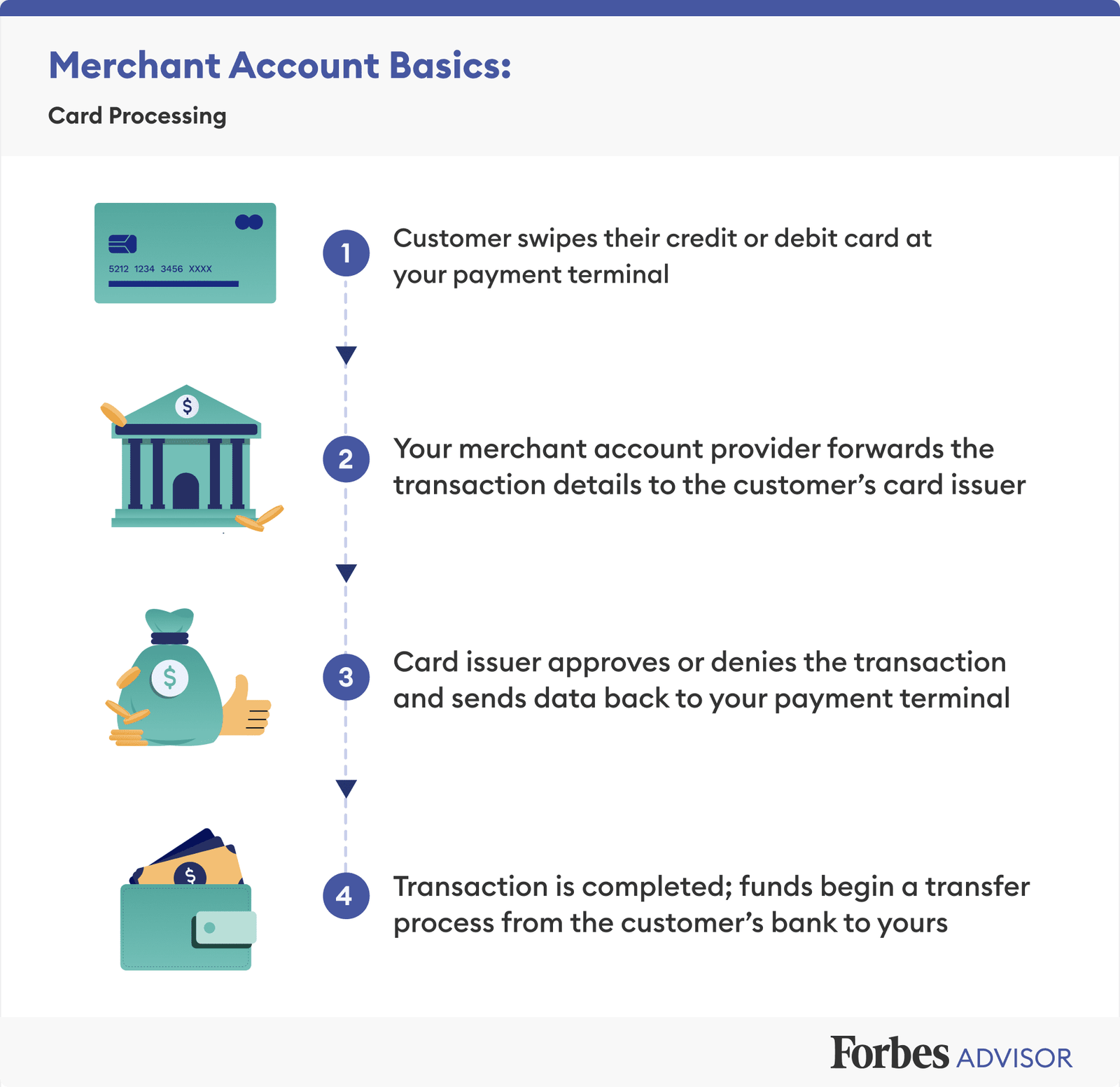
The typical process of using a merchant account involves several key steps:
- The customer makes a purchase using a credit or debit card.
- The payment processor facilitates a connection between the bank and the merchant account, ensuring that the transaction is legitimate and authorized.
- Once authorized, the funds are transferred to the merchant’s account.
- Typically, settlements occur within a few business days at which time the merchant can access the funds.
Why Having A Merchant Account Is Beneficial
There are numerous compelling reasons to establish a merchant account:
- Increased Revenue: Customers often prefer credit or debit card payments, and having a merchant account enables businesses to capture a greater volume of sales.
- Enhanced Customer Convenience: Accepting card payments simplifies transactions, leading to positive customer experiences.
- Improved Cash Flow Management: Transactions are usually processed faster compared to cash payments, providing timely access to funds.
- Security Compliance: Merchant accounts help businesses comply with PCI standards, ensuring cardholder data remains secure.
Who Can Benefit From A Merchant Account?
Any business seeking to accept credit card payments stands to gain from establishing a merchant account, including:
- Retail Stores: Retailers require merchant accounts to process card transactions in-store.
- Online Businesses: E-commerce businesses need merchant accounts to facilitate transactions through their websites.
- Service Providers: Professionals (like consultants and contractors) can streamline their payment collections through merchant accounts.
Understanding Merchant Account Fees
Prospective merchants should be aware of several common fees associated with merchant accounts:
- Monthly Service Fees: Regular charges for account maintenance and service provision.
- Transaction Fees: A fee charged for each transaction processed, often expressed as a percentage.
- Setup Fees: Initial charges related to establishing the merchant account.
It’s crucial to evaluate different providers’ fee structures to find the best fit for your business.
High-Risk Merchant Accounts
Businesses classified as high-risk often face unique challenges when applying for merchant accounts. Factors contributing to high-risk status include:
- Industries like adult entertainment, travel, and nutraceuticals.
- Businesses with high chargeback rates.
High-risk businesses often experience stricter underwriting processes and higher fees. Therefore, it’s essential to partner with a merchant account provider that specializes in high-risk solutions.
Why Choose High Wire Payments?
Partner with us for reliable payment solutions.
Proven Expertise
We possess extensive experience in high-risk payment processing.
Dedicated Support
Our team is committed to assisting clients with every step.
Transparent Fees
No hidden fees or complicated terms.
Security Focused
Your transactions are safe with our advanced security protocols.
Industry Insights
Stay informed about the latest trends in payment processing.
Custom Solutions
Tailored solutions to meet your specific business needs.
What is a merchant account?
A merchant account is a specialized bank account that allows businesses to accept credit and debit card transactions.
How does a merchant account work?
Merchant accounts process transactions on behalf of businesses by connecting them to payment processors that facilitate the transactions between customers and the bank.
What are the benefits of having a merchant account?
Some benefits of having a merchant account include enhanced customer satisfaction, the ability to accept various payment methods, increased sales opportunities, and better cash flow management.
What types of businesses need a merchant account?
Virtually any business that wants to accept credit or debit card payments will benefit from having a merchant account, including e-commerce shops, retail stores, and service providers.
Are there fees associated with merchant accounts?
Yes, merchant accounts typically come with monthly fees, transaction fees, and sometimes setup fees. The specific costs will depend on the service provider.
Can I get a merchant account if my business is high-risk?
Yes, but high-risk businesses may face additional scrutiny and may pay higher fees. It’s important to find a provider that specializes in high-risk merchant accounts.
Ready To Enhance Your Business?
Join us and take the first step towards efficient payment processing with a merchant account.
Apply Now →