Merchant account vs payment gateway: understanding the differences.
In the world of e-commerce, understanding the difference between a merchant account and a payment gateway is crucial for your business. This guide breaks down each component, explains their importance, and provides best practices.
30+
high-risk industries served
100%
trusted payment processing
24/7
customer support
$2B
processed annually
In today’s digital marketplace, businesses, especially those operating in high-risk sectors, require robust solutions to facilitate payment processing. This leads to two essential components: merchant accounts and payment gateways.
What is a merchant account?
A merchant account is a specific type of bank account that allows businesses to accept card payments from customers. It acts as a specialized holding account where funds are deposited after a transaction is authorized. When customers make a payment, the transaction is processed and the amount is held until it is transferred to the business’s regular bank account.
What is a payment gateway?
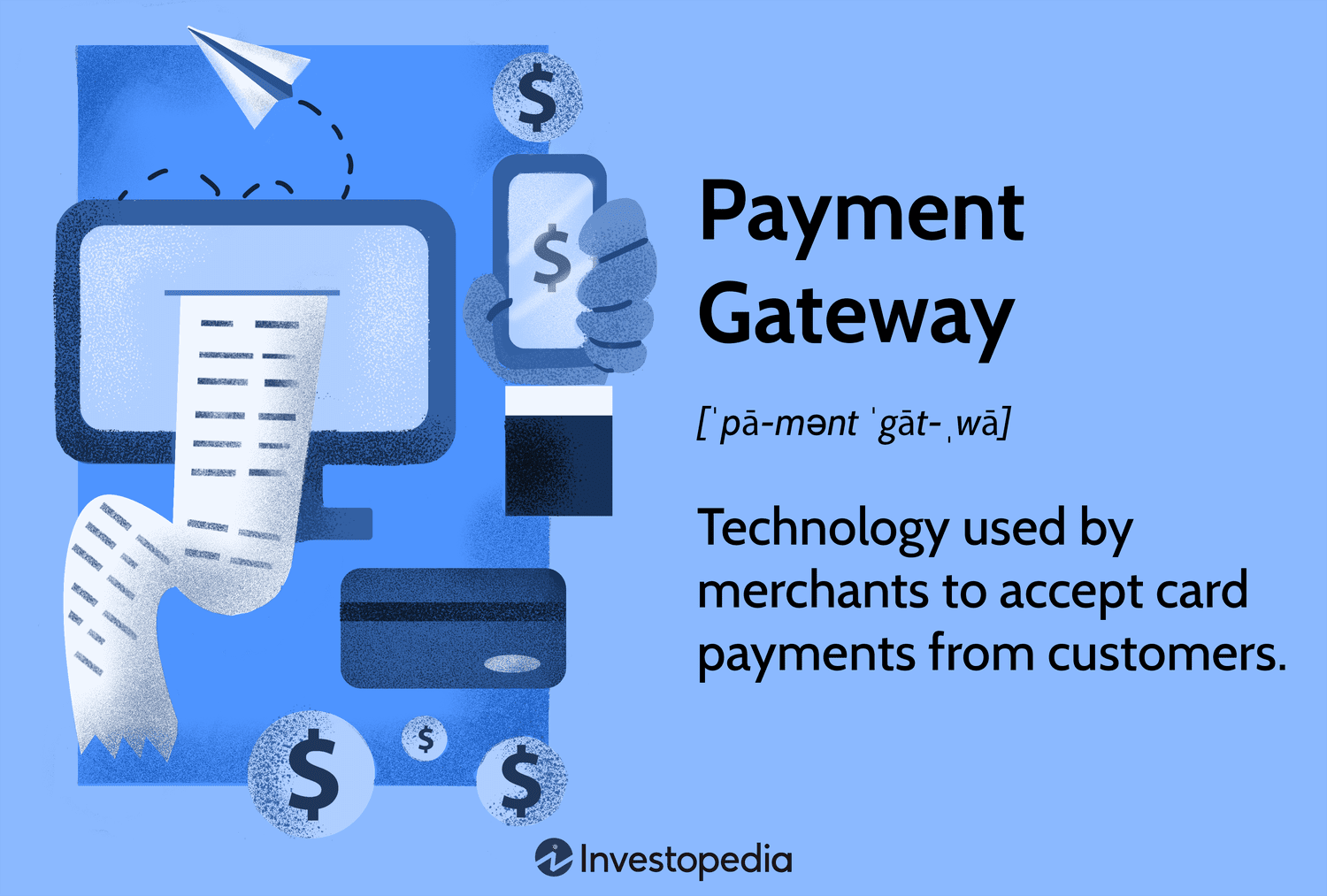
A payment gateway is an intermediary between the customer, the merchant, and the payment processor. It facilitates the transfer of information between these parties whenever a transaction is made. The gateway securely captures customer card details, passes them to the payment processor, and communicates back a confirmation once the payment is authorized.
Why do both matter?
Having both a merchant account and a payment gateway is crucial for seamless transaction processing. The merchant account enables businesses to hold funds, while the payment gateway ensures that transactions are completed securely. If you lack either component, you may face challenges in processing payments efficiently, which could lead to lost sales.
Common mistakes in setup
As you set up your e-commerce business, consider the following common mistakes to avoid:
- Failing to read the fine print regarding transaction fees and conditions for both merchant accounts and payment gateways.
- Underestimating the importance of security features offered by providers.
- Neglecting to shop around and compare different service providers.
- Not establishing clear communication with your provider regarding service expectations and support options.
E-commerce setup
To set up your e-commerce store successfully, follow these essential steps:
- Choose a reliable e-commerce platform that meets your business needs.
- Apply for a merchant account that suits your transaction volume and risk level.
- Select a payment gateway that integrates seamlessly with your e-commerce platform.
- Configure your store’s payment settings, ensuring security protocols are followed.
- Conduct test transactions to ensure your payment processing workflow is functioning correctly.
Understanding underwriting
Underwriting is a vital step in the process where your merchant account application is reviewed by the payment processor. This assessment determines whether your business qualifies for a merchant account, based largely on industry risk, financial health, and transaction behavior. High-risk businesses often encounter stringent underwriting procedures, so it’s important to prepare all relevant documentation that may be required by the underwriter.
Why trust High Wire Payments?
High Wire Payments specializes in providing tailored solutions for high-risk businesses. With competitive rates, reliable customer support, and custom solutions, we help ensure that your transactions are seamless and secure.
Frequently Asked Questions
Got questions? Here’s what other high-risk business owners often ask about merchant accounts and payment gateways.
What happens if my merchant account is denied?
If your application is denied, you can seek feedback on the reasons why and explore alternative payment solutions or adjust your business model as needed.
Can I use multiple payment gateways?
Yes, businesses can integrate multiple payment gateways to provide customers with various payment options and enhance transaction success rates.
How do I choose the right provider?
To choose the right provider, consider fees, supported payment methods, customer support reliability, and industry experience.
Is PCI compliance necessary?
Yes, PCI compliance is critical for safeguarding customer card data and ensuring secure transactions. Non-compliance can lead to fines and increased risk.
How quickly can I access my funds?
Typically, funds from transactions processed through a merchant account can be available within 2-3 business days, depending on your provider’s policies.
What security measures should I look for?
Look for providers that offer secure data encryption, fraud detection tools, and robust customer support to ensure a safe transaction environment.
Ready to take the next step?
Explore tailored merchant services and payment gateway solutions designed for high-risk businesses. Let’s get started today.
Apply Now →