Payment Gateway vs Merchant Account for High-Risk Merchants
In this article, we demystify the differences between payment gateways and merchant accounts for high-risk merchants.
25+
Industries Served
99%
Approval Rate
24/7
Customer Support
10+
Years of Experience
When it comes to running a high-risk business, understanding the payment landscape is crucial. In the world of e-commerce, two terms often come up: payment gateways and merchant accounts. Although they may seem similar, they serve distinct roles in processing payments.
What Is a Payment Gateway?
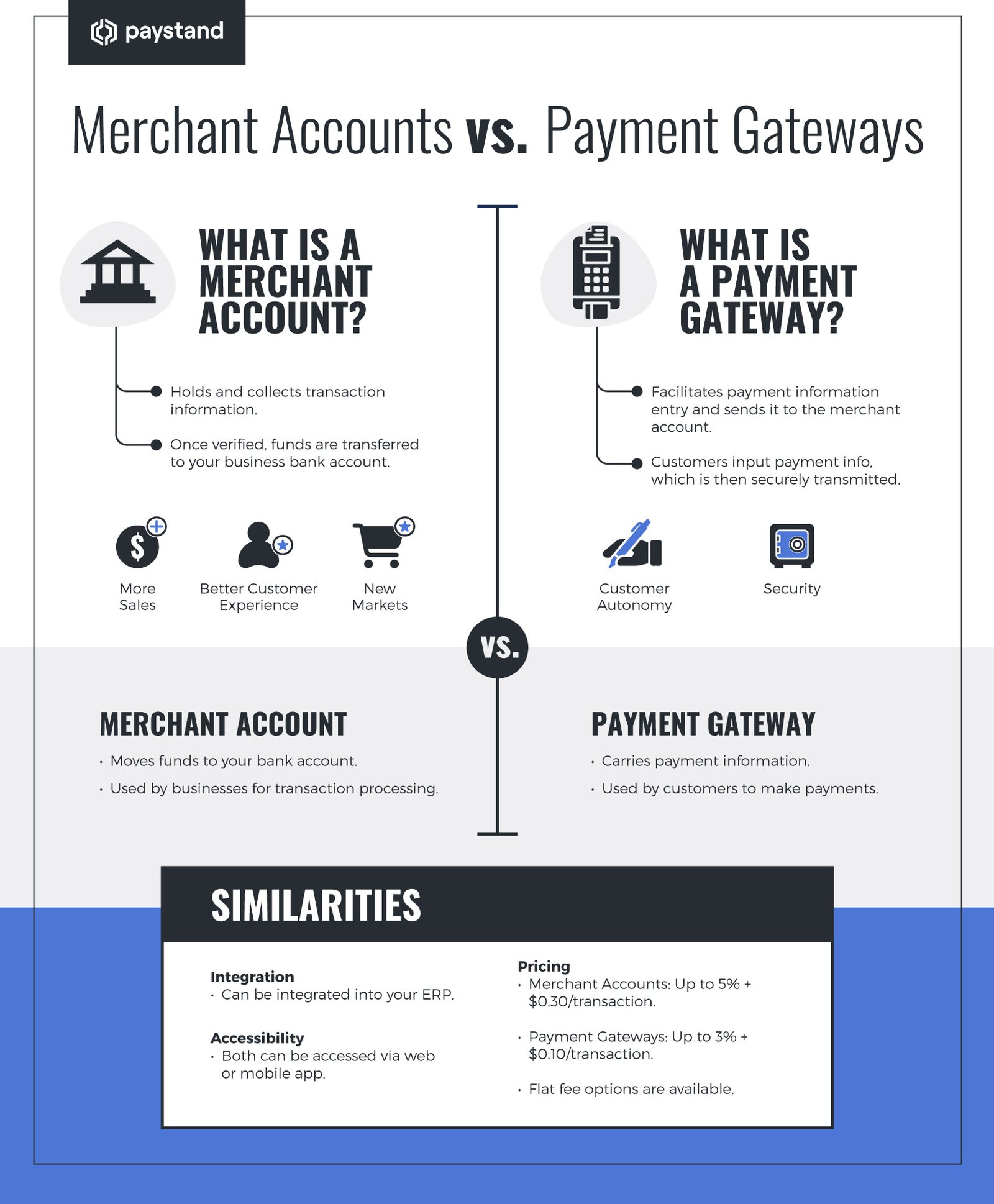
A payment gateway is a service that facilitates the transfer of payment information from a customer to the merchant’s bank account. This technology is essential for online businesses as it ensures that credit and debit cards can be processed securely. It encrypts sensitive information, such as credit card numbers, ensuring that data is transmitted safely.
What Is a Merchant Account?
A merchant account, on the other hand, is a specialized bank account that allows businesses to accept payments from customers through credit and debit cards. Merchant accounts hold funds temporarily after a transaction before transferring them to the merchant’s business bank account. Without a merchant account, a business cannot process electronic payments.
In simple terms, a payment gateway is the service that processes the payment, while a merchant account is where funds are held until they are transferred to your actual bank account.
Why Do High-Risk Merchants Need Both?
High-risk merchants have unique challenges that make it essential to have both a payment gateway and a merchant account. Here are a few reasons why:
- Security: High-risk industries are often targets for fraud. A payment gateway offers increased security measures to protect sensitive data.
- Chargeback Management: With high chargeback rates, having both a gateway and an account helps manage and mitigate these risks more effectively.
- Better Approval Rates: Using a specialized service like High Wire Payments can increase the chances of getting approved for a merchant account.
Payment Process Flow
Here’s a simplified view of how the payment process works:
- The customer makes a purchase on the merchant’s website.
- The payment gateway encrypts the customer’s payment information and sends it to the payment processor.
- The payment processor communicates with the banks involved to authorize the transaction.
- Once authorized, the funds are transferred to the merchant account, where they are held until transferred to the merchant’s bank account.
Examples of Payment Gateways
Let’s look at two prominent examples: Authorize.Net and NMI.
Authorize.Net
Authorize.Net is one of the oldest and most trusted payment gateways in the industry. It provides a straightforward solution for both brick-and-mortar and online businesses. Their services include advanced fraud detection, reporting tools, and a seamless checkout process, all crucial for high-risk merchants.
NMI
NMI (Network Merchants Inc.) is another leading payment gateway designed for high-risk industries. It offers customizable solutions and advanced features like tokenization and PCI compliance, ensuring security for high-risk merchants.
Understanding Underwriting
For high-risk merchants, underwriting is a critical process. Underwriting assesses the risk of lending to a business. This process involves evaluating various factors including financial history, chargeback ratios, and the type of business. High-risk businesses often face more scrutiny during underwriting, which makes it essential to work with experienced providers like High Wire Payments.
Funding and Risk Management
Funding timelines can vary for high-risk merchants. While traditional businesses may receive their funds in a shorter time frame, high-risk merchants must be prepared for longer wait times due to the additional risk associated with their transactions. Proper risk management strategies are vital to navigate this landscape successfully.
High Wire Payments Support
High Wire Payments specializes in providing both payment gateways and merchant accounts tailored for high-risk businesses. We understand the unique challenges that high-risk merchants face and offer comprehensive support throughout the payment process.
Our expert team can assist with underwriting processes, offer risk management advice, and ensure compliance with industry regulations.
Conclusion
For high-risk merchants, having both a payment gateway and a merchant account is essential. This combination provides a secure and efficient way to process transactions while managing risks effectively. With the right support from High Wire Payments, you can navigate the complexities of payment processing and focus on growing your business.
Why Trust High Wire Payments?
Discover the benefits of working with us.
Expertise
Our team has extensive knowledge in high-risk processing.
Tailored Solutions
We offer solutions specific to your business needs.
24/7 Support
We are here to help you around the clock.
Fast Funding
Experience quicker access to your funds.
Compliance Focused
We ensure your business remains compliant with regulations.
What if my chargeback rate is high?
Working with us, we help manage chargebacks to keep your account healthy.
How long does the approval process take?
The approval process can take a few days to weeks based on your business type.
What types of businesses are considered high-risk?
Industries such as e-commerce, CBD, and nutraceuticals are often deemed high-risk.
How can I reduce the risk of fraud?
Utilizing a reliable payment gateway can significantly reduce fraud risks.
Is customer support available 24/7?
Yes, we offer 24/7 support for all our clients.
Can I use any payment gateway with my merchant account?
Not all, but we provide options that integrate seamlessly with our services.
Need Help with High-Risk Payment Processing?
Our experts are ready to assist you with your payment needs.
Apply Now →