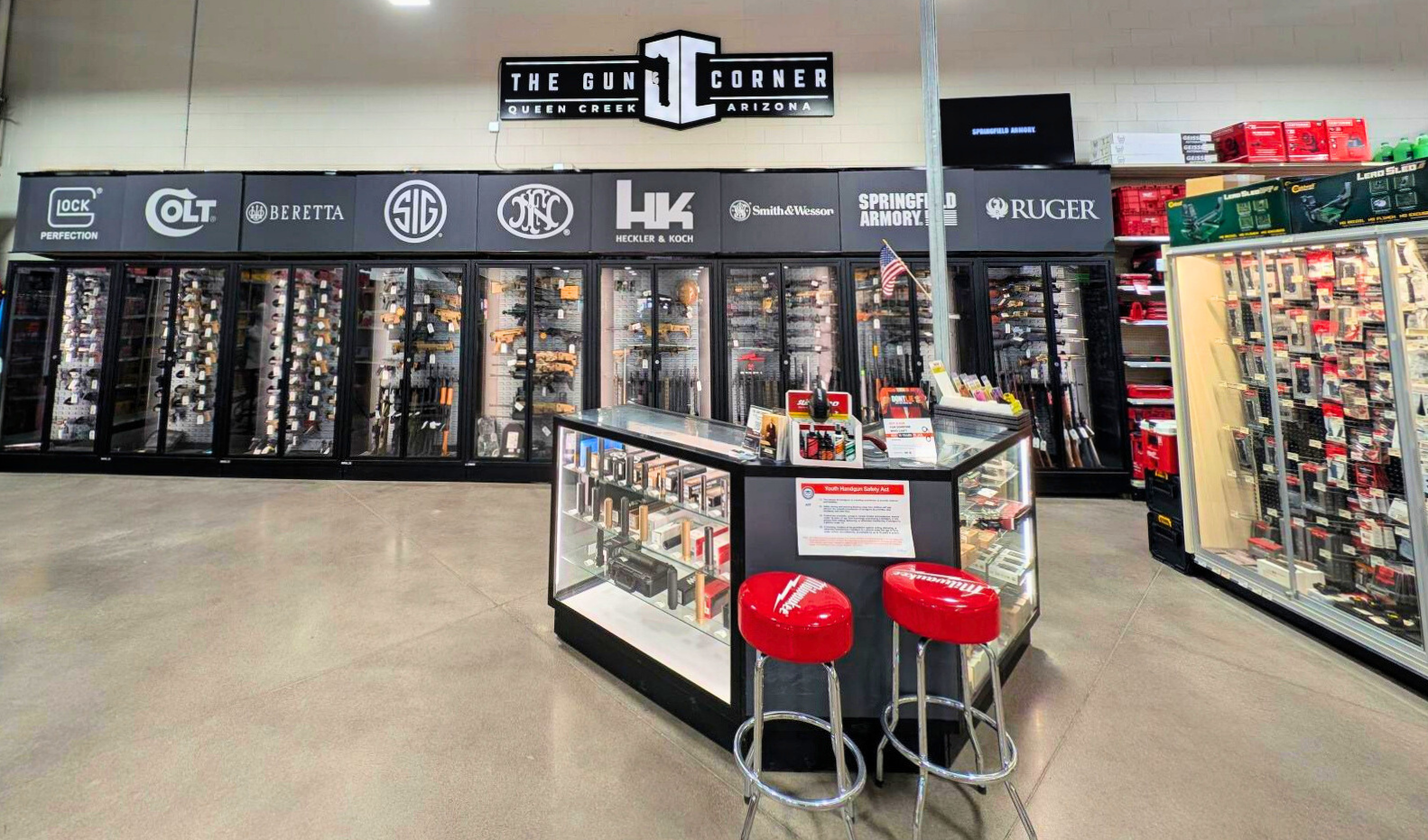
west virginia firearms and ammunition payment processing high-risk merchants.
High Wire Payments supports firearms, ammunition, outdoor, hunting, and shooting sports merchants serving businesses in West Virginia with compliance-aware card processing, ecommerce payment paths, POS planning, underwriting documentation, chargeback monitoring, age-control workflows, and product catalog review.
WV
State coverage
FFL
Dealer review
21+
Age-control planning
0.7%
Alert threshold option
West Virginia firearms and ammunition payment processing requires more than a basic retail merchant account. Gun stores, FFL dealers, ammunition sellers, hunting outfitters, range-adjacent retailers, and firearms ecommerce sellers in Charleston, Huntington, Morgantown, Parkersburg, Wheeling, Weirton, and Fairmont often operate with product categories that many mainstream processors route to enhanced underwriting. High Wire Payments works with merchants serving businesses in West Virginia by helping organize the payment file, identify risk signals before submission, and align POS, ecommerce, and card-not-present workflows with the way firearms and ammunition are actually sold.
The West Virginia market is distinct because firearms ownership and outdoor commerce are part of the retail landscape. Everytown Research reports that West Virginia ranks third in household gun ownership, while NRA-ILA materials state that no state permit is required to purchase a rifle, shotgun, or handgun. Those facts do not remove processor review; they make documentation more important. Underwriters still look for a valid Federal Firearms License where applicable, clear inventory categories, responsible website language, customer identity practices, chargeback handling, and policies for restricted items, accessories, ammunition, and shipping.
A payment provider reviewing a West Virginia firearms merchant is not only asking whether the business has customers. The review focuses on whether the merchant can demonstrate compliant operations, truthful product labeling, secure fulfillment, and reliable dispute response. A retailer in Charleston with a physical counter may need a different setup than an ecommerce ammunition seller shipping from Morgantown or an outdoor business in Parkersburg that sells optics, safes, apparel, and accessories in addition to firearms. High Wire Payments helps translate those differences into a clearer underwriting package.
This page is educational and is not legal advice. Firearms, ammunition, accessories, NFA items, and shipping practices can be affected by federal rules, card network rules, acquiring bank policy, state requirements, and local business licensing. Merchants should consult qualified counsel, their FFL compliance resources, and applicable agencies before making operational decisions.
why west virginia firearms merchants are reviewed as high-risk
Firearms and ammunition merchants are commonly treated as high-risk because the payment ecosystem evaluates more than charge volume. Card brands, acquiring banks, gateways, and fraud tools consider product sensitivity, age restrictions, shipping exposure, reputational risk, dispute rates, return policies, and regulatory documentation. A merchant may have an excellent local reputation in Huntington or Wheeling and still receive additional questions from underwriting if the website lacks age gates, if ammunition shipping policies are unclear, or if the descriptor does not match the store name customers recognize on their bank statements.
West Virginia operators also need to show the difference between product categories. A shop selling firearms under an FFL, ammunition, optics, holsters, cleaning supplies, safes, and training classes should not present the same risk profile as a general sporting goods shop. Underwriters want to know what is sold, how it is sold, who may purchase it, how fulfillment works, and how the merchant verifies that prohibited or restricted products are not handled casually. This is especially important for ecommerce firearms sellers that must coordinate shipment to an FFL and maintain consistent customer communication.
High Wire Payments approaches the review like a structured file instead of a simple application. The goal is to make the business understandable: ownership, processing history, refund policy, chargeback history, fulfillment workflow, website terms, inventory mix, and proof of authorization to operate. For West Virginia gun stores and ammunition retailers, that means documenting how the business handles firearms transfers, in-store pickup, shipping limitations, customer service, and product descriptions without making claims that create avoidable risk.
payment setups for gun stores, ffl dealers, and ammunition retailers
A physical firearms retailer in Charleston or Fairmont may need countertop terminals, mobile checkout for approved events, inventory-aware POS integration, and staff controls that limit who can process refunds or keyed transactions. A West Virginia FFL dealer that receives transfers may need separate handling for transfer fees, deposits, accessories, and completed retail sales. An ammunition seller may need ecommerce support, fraud filters, address verification, clear delivery terms, and chargeback response tools that show when an order was authorized, packed, shipped, and received.
The POS hardware design model for this vertical should be practical: soft green and cream branding, clear checkout flows, rounded policy cards on the website, green and gold calls to action, and visible payment terms that help customers understand what will happen after purchase. For payment operations, that same design logic becomes documentation. Your checkout should display age-control language where appropriate, product labeling should be accurate, and policy pages should explain transfer, pickup, shipping, cancellation, and return rules in plain language.
For ecommerce firearms and ammunition payment processing, the gateway setup matters as much as the merchant account. High Wire can help route the conversation around compatible gateways, fraud settings, velocity controls, AVS and CVV requirements, order review triggers, and recurring billing limitations where they apply. The merchant should be ready to explain whether online firearm sales are shipped to FFLs, whether ammunition is shipped directly where permitted, how age-sensitive products are handled, and how customer service resolves order questions before they become disputes.
Research included for this page notes that West Virginia ranks third in household gun ownership and that NRA-ILA materials describe no state permit requirement to purchase a rifle, shotgun, or handgun. These points are market context, not approval criteria. Payment approval still depends on underwriting, product mix, documentation, processing history, and acquiring bank policy.
what underwriters look for before approving firearms payment processing
Underwriting for a West Virginia firearms merchant usually starts with identity, ownership, location, and licensing. If the business sells firearms, the file should include the applicable FFL information and the website should match the legal entity or DBA. If the business sells ammunition, underwriters may request details about shipping practices, restricted destinations, age-related controls, and refund procedures. If the business sells outdoor goods with only limited firearms accessories, the inventory mix should be documented so the account is not misclassified.
The product catalog is a major risk signal. A clean catalog separates firearms, ammunition, optics, accessories, safes, apparel, hunting gear, training, and services. Product labeling should avoid exaggerated claims, unclear abbreviations, or descriptions that could be misunderstood by a risk team. If the merchant offers NFA-related products, suppressors, consignment, estate purchases, or auction-style sales, the file should explain those categories accurately and identify whether they are processed through the same payment account or handled under a separate workflow.
Chargebacks are another central issue. A customer may dispute a transaction because the statement descriptor was unclear, because an online order required an FFL transfer step the buyer did not understand, because shipping was delayed, or because a return policy was not visible before purchase. High Wire Payments helps merchants prepare clearer policies and monitoring routines so chargeback ratios are watched before they become a processor problem. For higher-volume merchants, alerts can be configured around internal thresholds such as 0.7% to prompt review before the account approaches network concern levels.
documents to prepare for a west virginia firearms merchant account
West Virginia gun stores and ammunition retailers should treat payment onboarding like an inspection of business operations. The stronger the initial file, the fewer avoidable delays the merchant may face. Documentation does not guarantee approval, and High Wire does not present approval as automatic. It does, however, help the processor understand the business, the owners, the products, and the controls that reduce payment risk.
- Federal Firearms License information, if the business sells firearms or performs covered transfers
- West Virginia business registration details and legal entity information
- Government-issued owner identification and ownership percentage information
- Physical storefront address, lease, utility bill, or other location verification
- Website URL, ecommerce checkout flow, and screenshots of product categories
- Product catalog or inventory summary separating firearms, ammunition, accessories, optics, safes, training, and outdoor goods
- Written age-control, pickup, transfer, shipping, cancellation, and refund policies
- Three to six months of recent processing statements, if currently accepting cards
- Bank letter or voided check for the settlement account
- Chargeback history, dispute response examples, and customer service contact procedures
If the merchant has unique operations, more detail may be needed. Valley Outdoors in Hurricane, West Virginia, is an example of how a firearms-related business can include multiple revenue categories such as firearms, ammunition, optics, NFA or suppressor-related categories, used guns, training, consignment, estate purchases, safes, vault doors, and online shopping. A merchant with a similar mix should not submit a thin application that only says “sporting goods.” The underwriting file should describe each revenue stream and how payment risk is managed.
comparison: standard processing vs firearms-ready processing
A standard small-business processing setup is usually built for low-risk retail, simple product categories, and limited documentation. Firearms-ready processing is different. It anticipates enhanced review, product sensitivity, age-control expectations, customer identity questions, and potential chargeback friction tied to shipping or transfer steps. For a merchant in Weirton or Morgantown, the difference can determine whether the business has a stable payment path or repeatedly loses time explaining the same issues to processors that do not support the category.
In a comparison table on the page, West Virginia merchants should see the operational differences clearly. Standard processing may offer quick setup but limited tolerance for firearms inventory. Firearms-ready processing should include underwriting preparation, FFL-aware documentation, gateway compatibility review, product category screening, descriptor planning, fraud controls, and dispute monitoring. It should also identify what the merchant should not assume: no guaranteed approval, no bypassing required compliance, and no use of vague product descriptions to hide the actual business model.
High Wire Payments provides educational review and payment placement support for merchants that need this more specialized approach. The firearms and ammunition overview at /firearms-and-ammunition-payment-processing/ explains the broader category, while /firearms-payment-processing/ focuses on firearm-specific payment considerations. Merchants ready to start a review can use /apply/ to begin the application process and upload documentation for evaluation.
preparation checklist for west virginia firearms payment processing
Before applying, prepare the business as if an underwriter has never seen your store, website, or product mix. The checklist below helps West Virginia gun stores, ammunition retailers, hunting businesses, and ecommerce sellers reduce back-and-forth and present a more complete risk profile.
- Confirm that the legal entity, DBA, storefront signage, website footer, and bank account information are consistent
- Gather FFL documentation and confirm the license details match the firearms activity described in the application
- Separate firearms, ammunition, optics, accessories, training, safes, apparel, and services into clear product categories
- Add visible checkout language for age-sensitive products, transfer steps, shipping restrictions, and pickup procedures
- Review product labeling for accuracy and remove vague descriptions that could confuse customers or underwriters
- Publish refund, cancellation, shipping, transfer, and chargeback contact policies before submitting the application
- Prepare recent processing statements and be ready to explain any elevated chargeback months or unusual volume spikes
- Set fraud rules for AVS, CVV, velocity checks, high-ticket review, mismatched billing and shipping, and suspicious repeat orders
- Train staff on refund permissions, keyed transaction limits, receipt delivery, customer service notes, and dispute evidence collection
- Use /apply/ when the file is ready, or request a review before changing processors or launching a new ecommerce firearms site
High Wire Payments supports merchants serving businesses in West Virginia with firearms and ammunition payment processing that is structured, documented, and realistic. Whether you operate a gun store in Charleston, sell ammunition online from Huntington, manage outdoor retail in Parkersburg, or support shooting sports customers near Wheeling, a stronger payment file can reduce avoidable underwriting delays. Start with the category guide at /firearms-and-ammunition-payment-processing/, review firearm-specific considerations at /firearms-payment-processing/, or begin an application at /apply/.
Serving West Virginia firearms and outdoor markets
High Wire Payments supports firearms, ammunition, hunting, outdoor, and shooting sports merchants across West Virginia, including Charleston, Huntington, Morgantown, Parkersburg, Wheeling, Weirton, Fairmont, and nearby communities.
Firearms payment capabilities for West Virginia merchants
High Wire focuses on the operational details that underwriters, gateways, and dispute teams actually review.
FFL-aware underwriting file review
High Wire helps West Virginia firearms merchants organize FFL details, legal entity information, DBA records, storefront verification, and website disclosures into a cleaner underwriting package. This helps risk teams understand whether the business sells firearms, ammunition, accessories, training, or a mixed outdoor catalog.
Ammunition and shipping workflow review
For ammunition sellers, High Wire reviews how age controls, shipping restrictions, delivery terms, refund rules, and customer communications appear at checkout. The goal is to reduce confusion that can lead to disputes or account questions.
Chargeback ratio monitoring
Merchants can structure chargeback monitoring with internal alerts, including an optional 0.7% warning threshold for management review. Evidence collection can include receipts, order notes, AVS/CVV results, shipment records, customer emails, and posted policy screenshots.
Descriptor and receipt planning
High Wire helps merchants align statement descriptors with the store name customers recognize in Charleston, Huntington, Morgantown, and other West Virginia markets. Clear descriptors and emailed receipts can reduce friendly fraud and mistaken disputes.
Gateway and POS coordination
Firearms-ready payment processing may require compatible gateways, countertop terminals, ecommerce settings, fraud filters, and user permissions. High Wire helps evaluate how POS hardware, online checkout, keyed transactions, refunds, and reporting fit the merchant’s risk profile.
Catalog and policy screening
High Wire reviews product categories for firearms, ammunition, optics, safes, accessories, apparel, training, consignment, and outdoor goods. Clear product labeling and visible policies help underwriters understand the business without relying on vague or incomplete descriptions.
Can West Virginia gun stores accept credit cards for firearms and ammunition?
Many firearms and ammunition merchants can apply for card processing, but the account must be reviewed by an acquiring bank and processor that supports the category. Approval is not guaranteed and depends on documentation, product mix, compliance controls, processing history, and risk review.
Do West Virginia FFL dealers need a special payment processor?
FFL dealers generally need a processor willing to underwrite firearms activity rather than a generic retail account. High Wire helps prepare FFL information, inventory categories, website policies, and processing statements so the business is presented accurately.
Does West Virginia require a state permit to purchase firearms?
Research provided for this page includes NRA-ILA materials stating that no state permit is required to purchase a rifle, shotgun, or handgun in West Virginia. That is market context only and does not replace federal requirements, FFL obligations, card network rules, or legal advice.
What should a West Virginia ammunition retailer show during underwriting?
Ammunition sellers should be ready to show product categories, shipping practices, age-control language, refund rules, customer support procedures, and recent processing statements if available. Underwriters may also review whether the website clearly explains restrictions and fulfillment steps.
Can a firearms ecommerce seller in West Virginia use Shopify, WooCommerce, or another cart?
The cart is only one part of the payment stack. The merchant still needs a compatible gateway, processor support for the firearms or ammunition category, fraud controls, policy pages, and a checkout flow that accurately describes transfer and shipping procedures.
Why do processors ask for product labeling and catalog details?
Product labeling helps underwriters understand what is actually being sold. A mixed catalog with firearms, ammunition, optics, safes, apparel, and training should be organized clearly instead of described as generic sporting goods.
How do chargebacks happen for West Virginia firearms merchants?
Chargebacks can come from unclear descriptors, misunderstood FFL transfer steps, delayed shipping, cancellation disputes, or customers not recognizing the transaction. Strong receipts, posted policies, order notes, and prompt customer service can improve dispute response.
Can a West Virginia gun shop process training classes, safes, and accessories on the same account?
Sometimes, but the processor needs to understand the full revenue mix. If the business sells firearms, ammunition, training, safes, consignment items, or other services, the application should explain each category and how transactions are handled.
Does High Wire guarantee approval for West Virginia firearms payment processing?
No. High Wire does not guarantee approval and does not advise merchants to hide product categories or bypass compliance requirements. The role is to help prepare a clearer file and connect qualified merchants with appropriate payment review paths.
How can a West Virginia firearms merchant start the review?
Gather FFL details if applicable, business registration, owner identification, processing statements, product catalog, website policies, and bank documentation. Then review the firearms resources at /firearms-and-ammunition-payment-processing/ and /firearms-payment-processing/ or start at /apply/.
Prepare your West Virginia firearms payment file
High Wire Payments helps gun stores, FFL dealers, ammunition retailers, hunting businesses, shooting sports merchants, and firearms ecommerce sellers prepare for high-risk underwriting. Review the category resources or start a documentation-based application at /apply/.
Apply Now