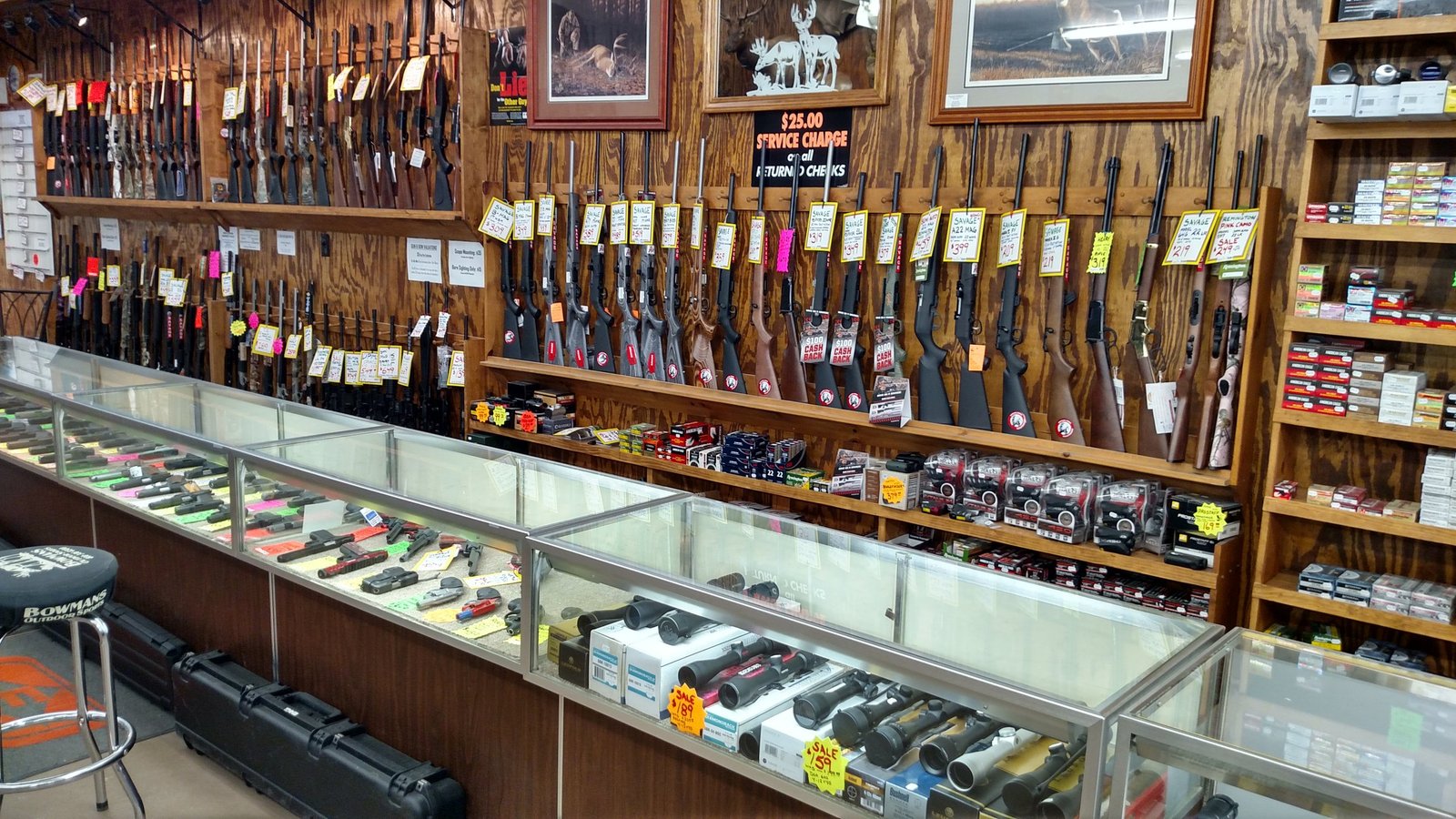
South Carolina merchants need processing that understands FFL documentation, ammunition sales, ecommerce shipping controls, chargeback exposure, and the review standards used for regulated goods.
south carolina firearms credit card processing high-risk merchants.
High Wire Payments supports South Carolina gun stores, FFL dealers, ammunition sellers, sporting goods retailers, and firearms ecommerce businesses with compliance-aware payment processing built around underwriting, chargeback controls, age verification, fulfillment documentation, and clear product presentation.
SC
State Market
FFL
Dealer Review
2024
Carry Law Change
CNP
Ecommerce Risk
South Carolina firearms payment processing is a specialized need for gun stores, FFL dealers, ammunition sellers, sporting goods retailers, training providers, range operators, gunsmiths, and firearms ecommerce merchants across Charleston, Columbia, North Charleston, Mount Pleasant, Rock Hill, Greenville, Summerville, Spartanburg, Sumter, and Florence. Even when a business is legally operating and properly licensed, many standard payment providers treat firearms, ammunition, knives, tactical accessories, and related regulated products as elevated-risk categories. The issue is not only legality; it is underwriting, card network rules, processor policy, product mix, shipping controls, age controls, chargeback exposure, and how clearly the merchant can document its sales process.
The South Carolina market has a visible firearms retail and event footprint. South Carolina Gun & Knife Shows describes itself as South Carolina’s oldest running and largest gun and knife show, with modern guns, antique guns, knives, and ammo available to the public. Its 2026 calendar includes events at the South Carolina State Fairgrounds in Columbia, Greenville, Ladson, Rock Hill, and Jamil Temple in Columbia, including a Rock Hill show scheduled for October 24-25, 2026. That type of recurring public market activity creates real payment needs for brick-and-mortar retailers, show vendors, ecommerce sellers, and hybrid operators that process card-present and card-not-present transactions.
State law context also matters for underwriting. The research provided notes that South Carolina does not require a state permit to acquire or possess a rifle, shotgun, or handgun, while also identifying S.C. Code § 23-31-210 for rifle and shotgun purchases by residents of any state when the buyer conforms to applicable state and federal law. South Carolina also changed carry rules in 2024; research from USCCA and Everytown describes March 7, 2024 as the point when open carry and concealed carry became lawful without a permit for people 18 or older who are not prohibited by law. Payment underwriting does not replace legal advice, but processors do review whether a merchant understands the applicable federal and state framework.
Payment approval is never guaranteed. A firearms merchant account review should be supported by a current FFL when applicable, clear product categories, age-gating controls, shipping and pickup procedures, refund terms, chargeback procedures, and evidence that restricted items are handled through lawful channels.
why South Carolina gun stores are treated as high-risk merchants
A South Carolina gun store may look like a traditional retail business from the outside, especially when it sells hunting gear, safes, optics, holsters, apparel, range bags, and outdoor equipment alongside firearms and ammunition. Underwriting teams, however, review regulated product exposure more closely than ordinary sporting goods. A shop in Greenville or Spartanburg that sells rifles and shotguns, a Charleston-area store that supports transfers, or a Columbia retailer that attends gun shows can all trigger additional documentation requests because firearms transactions involve federal license validation, age rules, restricted-person screening, serialized inventory, and potentially higher reputational sensitivity for banks.
Card-present retail risk and ecommerce risk are different. A storefront in Summerville or Mount Pleasant may process most transactions in person, where staff can review identification, handle Form 4473 procedures when required, coordinate NICS checks, and maintain internal pickup rules. A firearms ecommerce merchant shipping accessories, optics, parts, ammunition, or arranging firearm transfers to another FFL has different exposure: cart compliance, product labeling, shipping restrictions, billing descriptor clarity, AVS mismatch risk, refund disputes, and customer confusion about transfer timing. Processors want to see that the merchant understands the distinction and has controls for each channel.
High-risk classification also comes from chargeback patterns. Firearms and ammunition transactions may have larger average tickets, layaway arrangements, backorders, special orders, gunsmithing timelines, transfer fees, event sales, and customer service issues tied to shipping or pickup delays. If a customer expects immediate delivery but the item must be transferred through an FFL, a dispute can occur even when the merchant followed the law. For this reason, South Carolina firearms merchants need clear checkout language, transparent cancellation policies, signed receipts for in-store pickup, and proactive communication before a transaction becomes a chargeback.
South Carolina firearms market signals underwriters may review
Underwriters do not evaluate a South Carolina firearms business in a vacuum. They look at the merchant’s local footprint, event schedule, online presence, product catalog, compliance posture, and whether the business model matches the application. A Rock Hill vendor that rents tables at gun shows, a North Charleston sporting goods retailer with a mixed inventory, or a Florence ammunition seller running online promotions should be prepared to explain where transactions originate, which products are sold in-store, which products are sold online, and whether firearms are shipped only to licensed dealers.
The South Carolina Gun & Knife Shows calendar is a useful example of market activity that may influence sales volume. The research identifies Columbia State Fairgrounds events on June 13-14, 2026 and December 12-13, 2026; Greenville shows on September 12-13 and December 19-20, 2026; Ladson events on September 19-20 and November 21-22, 2026; Rock Hill on October 24-25, 2026; and Jamil Temple in Columbia on November 14-15, 2026. If a merchant processes spikes around these dates, the processor may ask for event sales controls, mobile terminal procedures, inventory documentation, and refund practices.
Known operator examples also show how product mix can complicate underwriting. The research references South Carolina Gun Company in Greer as a firearms business with 500-plus firearms in stock and a broader retail mix that includes propane refill, craft beer, and THC drinks. High Wire Payments does not assume every merchant has that same model, but mixed inventory is an underwriting factor. Firearms, ammunition, alcohol-adjacent retail, hemp-derived products, knives, and accessories may each have separate processor policies. A merchant with multiple categories should disclose them accurately rather than trying to fit the account into a generic sporting goods profile.
If your South Carolina firearms business sells at shows in Columbia, Greenville, Ladson, or Rock Hill, tell your processor before the volume spike. Sudden weekend surges, mobile terminal activity, or large average tickets can trigger risk review when they are not explained in the merchant file.
payment underwriting for FFL dealers, ammo sellers, and ecommerce
A strong South Carolina firearms merchant application should make the business easy to understand. Underwriters want to know whether the company is a retail gun store, an FFL transfer dealer, an ammunition seller, a gunsmith, a sporting goods shop, a training business, an ecommerce seller, or a combination of those models. A Columbia dealer with a storefront and online catalog should not submit the same file as a Sumter gunsmith that primarily collects repair deposits. The more accurate the description, the easier it is to match the account to a banking relationship that accepts the category.
For FFL dealers, a current Federal Firearms License is a central document, but it is not the only item. Processors may request the legal entity name, DBA, EIN confirmation, ownership information, bank statements, processing statements, website URLs, fulfillment procedures, and customer-facing policies. They may also review whether the business separates firearm sales, ammunition sales, accessories, training fees, gunsmithing, and range memberships in a way that is understandable. Product labeling matters online because vague terms like “parts,” “kits,” or “custom items” can create confusion if the checkout page does not explain what is being sold and how it can be delivered.
For ecommerce, payment review usually focuses on card-not-present controls. South Carolina merchants selling accessories nationwide should have AVS and CVV rules, fraud scoring, shipment tracking, clear delivery timelines, and a customer service process that responds before a dispute is filed. Merchants that sell firearms online should state that firearms ship only to a receiving FFL where required and that the customer is responsible for completing all lawful transfer steps. Merchants selling ammunition should maintain age controls and shipping restrictions appropriate to the product and destination. These details reduce confusion, improve underwriting confidence, and help defend disputes.
documents to prepare before applying
The fastest way for a South Carolina gun store or firearms ecommerce business to slow down underwriting is to submit an incomplete file. Firearms businesses are reviewed more closely, so the application should be organized before it reaches a bank or processor. A merchant in Charleston, Greenville, Rock Hill, or Florence should be prepared to show that the business is legally formed, properly licensed, accurately described, and operationally consistent with its website, receipts, and processing history. The goal is not to overwhelm the underwriter; it is to remove ambiguity.
- Current Federal Firearms License when the business sells, transfers, or receives firearms as an FFL
- South Carolina business registration or formation documents showing the legal entity and DBA
- Government-issued identification for all required beneficial owners and control persons
- EIN confirmation letter or IRS documentation matching the legal entity
- Recent business bank statements, typically three months when available
- Recent processing statements, typically three to six months if the business already accepts cards
- Complete product list showing firearms, ammunition, accessories, knives, optics, safes, training, gunsmithing, or other categories
- Website terms and conditions, refund policy, shipping policy, privacy policy, and contact information
- Age verification, pickup, FFL transfer, and restricted-product procedures for in-store and ecommerce sales
- Chargeback response examples, signed pickup receipts, delivery confirmations, supplier invoices, and customer communication templates
If your South Carolina business has no prior processing history, that does not automatically prevent review, but it changes the file. New merchants should be ready to discuss expected monthly volume, average ticket, largest expected ticket, event sales, seasonal sales around hunting and holiday periods, and whether online transactions will exceed in-store transactions. Existing merchants should disclose prior terminations, reserves, chargeback issues, or platform restrictions. A clean explanation is usually better than a file that leaves the underwriter to guess.
chargebacks, reserves, and account stability for South Carolina firearms merchants
Chargebacks are one of the most important payment risks for firearms merchants. Some disputes are ordinary retail issues, such as unauthorized card use, customer remorse, defective accessories, or missed delivery expectations. Others are specific to the firearms sector, including transfer delays, failed background check outcomes, customer misunderstanding of FFL procedures, layaway cancellations, special-order deposits, gunsmithing timelines, or disputes over ammunition shipping restrictions. A merchant that explains these scenarios in its policies is easier to underwrite than one that handles every issue informally at the counter.
High Wire Payments encourages merchants to monitor chargeback ratio, reason codes, response deadlines, and documentation quality before a problem becomes an account review. For example, a firearms ecommerce seller should retain order confirmations, customer IP data, AVS and CVV results, tracking numbers, delivery confirmation, email threads, and any acknowledgement that a firearm must transfer through a receiving FFL. A retail shop should keep signed receipts, pickup documentation, refund acknowledgements, and employee notes for customer service escalations. These records can be the difference between a defensible dispute and a preventable loss.
Reserves may be part of high-risk processing, especially for new businesses, high-ticket sellers, ecommerce-heavy merchants, or businesses with limited processing history. A reserve is not automatically a penalty; it is a risk tool used by some acquiring banks to offset potential chargebacks or refunds. The important issue is transparency. South Carolina merchants should understand whether a reserve applies, how it is calculated, whether it is rolling or capped, how long funds are held, and what performance metrics may support later review. No responsible provider should promise guaranteed approval or pretend firearms accounts are the same as ordinary retail.
South Carolina firearms payment processing preparation checklist
Use this checklist before applying for a South Carolina firearms merchant account or before moving from a general provider that has become uncomfortable with your product category. The same preparation helps a storefront in North Charleston, an FFL dealer in Spartanburg, an ammo seller in Summerville, or an ecommerce operation serving customers from Mount Pleasant to Florence.
- Confirm your FFL status is current and that the legal name, DBA, and business address match your application materials.
- List every product category you sell, including firearms, ammunition, magazines, optics, knives, safes, accessories, training, gunsmithing, and apparel.
- Separate in-store, ecommerce, phone order, invoice, mobile, and gun show sales so underwriting can understand transaction channels.
- Publish clear website policies for refunds, cancellations, shipping, FFL transfers, age restrictions, failed transfers, and customer service response times.
- Add age-gating and checkout language for ammunition or restricted products, and document how staff verify age during in-person sales.
- Make product labeling and descriptions specific enough that customers and underwriters know what is being sold and how it can be delivered.
- Collect bank statements, prior processing statements, supplier invoices, receipts, and fulfillment records before the file is submitted.
- Review chargeback history and prepare explanations for any spikes, large refunds, closed accounts, reserve notices, or prior processor warnings.
- Tell the processor about seasonal events, including South Carolina Gun & Knife Shows in Columbia, Greenville, Ladson, and Rock Hill when relevant.
- Use a billing descriptor customers recognize, train staff to issue receipts, and respond quickly to customer service questions before disputes escalate.
High Wire Payments reviews South Carolina firearms merchants with a compliance-aware underwriting process designed for regulated categories. If you operate a gun store, FFL dealership, ammunition business, sporting goods shop, gun show vendor, or firearms ecommerce site, prepare your documents and request a review. The objective is straightforward: present your business accurately, reduce avoidable chargebacks, and connect your payment setup to the way you actually sell.
South Carolina firearms markets we support
High Wire reviews firearms merchants across the state, including retailers, FFL dealers, ammunition sellers, sporting goods shops, and ecommerce operators in major South Carolina markets.
How High Wire supports South Carolina firearms merchants
Firearms payment processing requires specific controls, not generic retail setup. These capabilities help South Carolina merchants present a cleaner file and operate with fewer avoidable payment issues.
FFL-focused underwriting package
High Wire helps organize the merchant file around the current FFL, entity documents, product categories, website policies, and sales channels. The review is built to explain whether the business sells firearms, ammunition, accessories, transfers, gunsmithing, training, or a mixed inventory.
Chargeback ratio monitoring
Merchants can track dispute activity and identify problems before chargebacks threaten account stability. High Wire emphasizes reason-code review, documentation collection, and response timing for transfer delays, shipping disputes, special orders, and customer service issues.
Ecommerce control review
For online firearms and ammunition sellers, High Wire reviews checkout language, AVS/CVV settings, delivery documentation, age-gating, shipping restrictions, and FFL transfer disclosures. This helps reduce customer confusion and strengthens underwriting confidence.
Gun show volume planning
South Carolina merchants selling around Columbia, Greenville, Ladson, and Rock Hill events can prepare for weekend volume spikes. High Wire helps document event schedules, mobile POS usage, refund terms, and expected ticket sizes before risk systems flag unusual activity.
Descriptor and policy alignment
High Wire reviews whether the billing descriptor, receipt language, refund terms, and website policies match the customer experience. Clear descriptors and policies reduce friendly fraud, especially for ecommerce orders, deposits, layaways, and transfer-related transactions.
Mixed-inventory risk mapping
Many South Carolina sporting goods retailers sell firearms alongside knives, optics, apparel, safes, outdoor gear, ammunition, or other categories. High Wire maps those categories so the account is not misrepresented as ordinary retail or exposed to undisclosed product risk.
Can South Carolina gun stores accept credit cards?
Yes, legally operating South Carolina gun stores can accept credit cards, but they often need a processor that allows firearms-related merchants. Standard retail providers may decline or close accounts based on internal policy even when the business is licensed and operating lawfully.
Do South Carolina FFL dealers need special payment underwriting?
Most FFL dealers should expect enhanced underwriting because firearms sales involve regulated inventory, age controls, transfer rules, and potential chargeback sensitivity. A current FFL, clear product list, and written procedures help the account review.
Does South Carolina require a state permit to buy a firearm?
The research provided notes that South Carolina does not require a state permit to acquire or possess a rifle, shotgun, or handgun. Federal requirements and dealer obligations still apply, and merchants should consult qualified counsel or regulatory guidance for legal questions.
What changed in South Carolina firearms law in 2024?
Research from USCCA and Everytown describes a 2024 change under which open carry and concealed carry became lawful without a permit for people 18 or older who are not prohibited by law, with March 7, 2024 identified in the research. Payment processors still review merchant sales practices separately from carry law.
Can a South Carolina firearms ecommerce site get a merchant account?
Yes, but ecommerce firearms merchants are reviewed closely because of card-not-present fraud, shipping restrictions, FFL transfer requirements, age controls, and customer confusion. Strong website terms, product descriptions, checkout disclosures, and fulfillment documentation are important.
Can South Carolina ammunition sellers process online payments?
Ammunition sellers may be eligible for high-risk payment processing if the business has clear age controls, shipping policies, product descriptions, and fraud tools. Underwriters will want to understand where products ship and how restricted or higher-risk orders are handled.
Will selling at South Carolina gun shows affect payment processing?
It can. Events such as South Carolina Gun & Knife Shows in Columbia, Greenville, Ladson, and Rock Hill may create weekend volume spikes or mobile transaction patterns that should be disclosed before they occur.
Why did my payment processor close my South Carolina gun store account?
Closures can happen because of firearms policy restrictions, undisclosed product categories, chargeback ratios, high-ticket volume, ecommerce risk, or documentation gaps. A review should examine the termination notice, processing history, product mix, and compliance materials before applying elsewhere.
Do sporting goods stores in South Carolina need firearms-specific processing?
If the store sells firearms, ammunition, regulated accessories, or handles transfers, it should not rely on a generic sporting goods description. Mixed-inventory retailers in places like Greenville, Charleston, or Spartanburg should disclose firearms-related categories during underwriting.
Does High Wire guarantee approval for South Carolina firearms merchants?
No. High Wire Payments does not guarantee approval. The goal is to prepare a complete, accurate, compliance-aware file and route it to payment options that are willing to review firearms, ammunition, FFL, sporting goods, and ecommerce risk.
Request a South Carolina firearms payment review
High Wire Payments reviews gun stores, FFL dealers, ammunition sellers, sporting goods retailers, gun show vendors, and firearms ecommerce merchants across South Carolina. Share your product mix, sales channels, documents, and current processing situation to start a compliance-aware review.