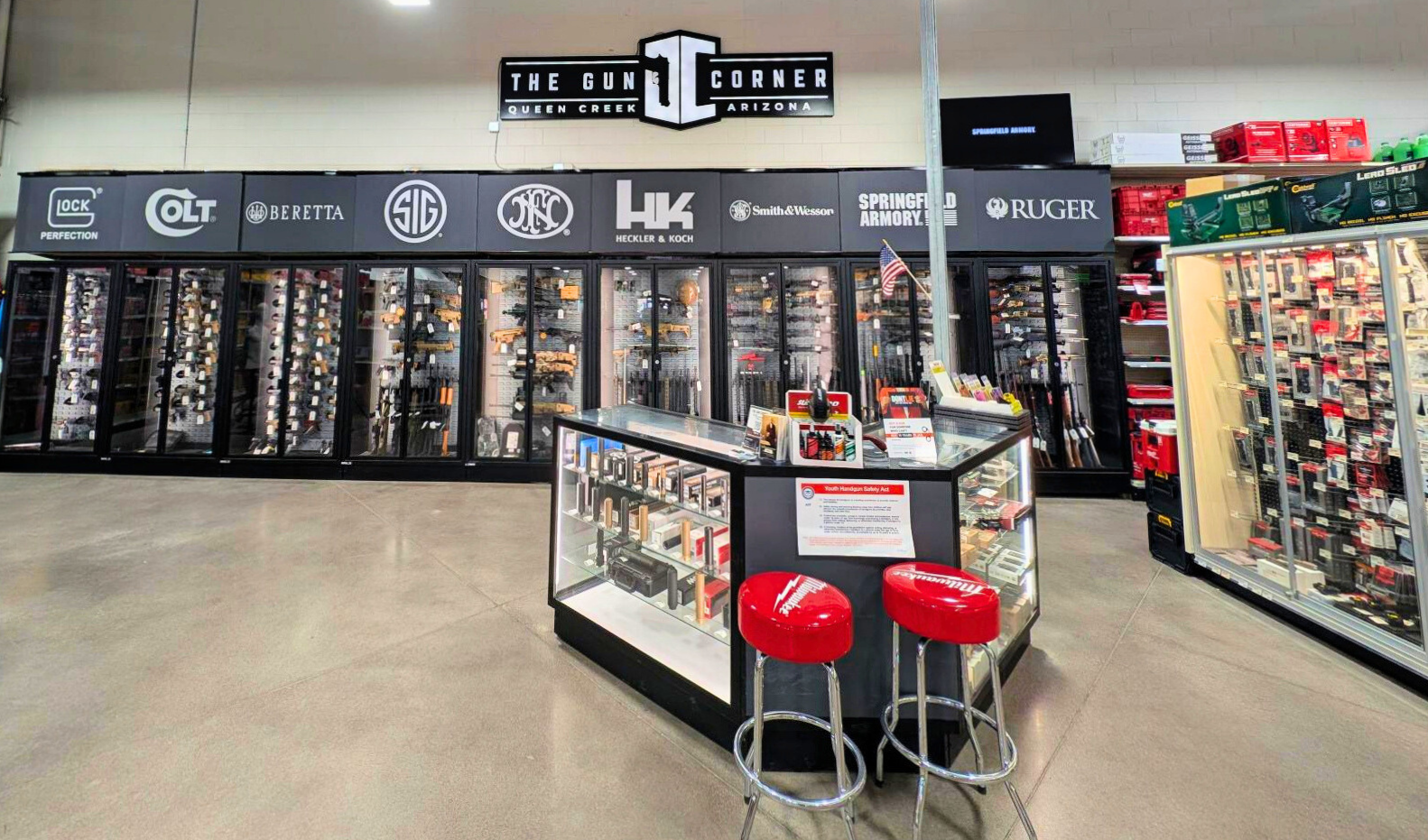
Alabama operators should be ready to show FFL details, inventory controls, website policies, POS configuration, and chargeback procedures before an acquiring bank reviews the account.
alabama firearms credit card processing high-risk merchants.
High Wire Payments helps Alabama FFL dealers, gun shops, ammo retailers, shooting sports businesses, and firearms ecommerce sellers prepare for compliant high-risk merchant services. We focus on underwriting documentation, POS hardware fit, chargeback controls, age-restricted sales, ATF-facing business records, and card-not-present risk.
AL
Firearms Market
FFL
Dealer Review
2023
Permitless Carry
POS
Hardware Ready
Alabama firearms credit card processing requires more than a standard retail merchant account. FFL dealers, gun shops, ammunition retailers, range pro shops, shooting sports trainers, and firearms ecommerce sellers in Birmingham, Montgomery, Huntsville, Mobile, Tuscaloosa, Hoover, Auburn, Dothan, Decatur, and Madison are reviewed through a higher-risk lens because the products are age-restricted, federally regulated, politically sensitive, and often sold with mixed inventory. Even when the business is fully lawful, acquiring banks want to understand what is sold, how it is verified, how orders are fulfilled, and how disputes are handled.
The Alabama market includes traditional gun stores, pawn-related firearm businesses, hunting and outdoor retailers, NFA transfer support, training businesses, shooting ranges, ammunition counters, ecommerce catalog sellers, and event vendors. Public research shows real operators and market signals: Mike’s Gun Shop in Hartselle advertises firearms, accessories, ammunition, buy-sell-trade services, manufacturer warranty support, and a Silencer Shop kiosk for Class 3 transfers, including paperwork, transfer forms, fingerprints, and photos. Alabama Daily News also reported that Rep. Andrew Sorrell of Muscle Shoals owned Gold, Guns, and Guitars, a pawn shop business involving firearms, and discussed why firearm sellers remained open when many non-essential businesses closed.
High Wire Payments approaches Alabama firearms merchant services as an underwriting and compliance preparation project. A processor may ask whether the merchant has a valid FFL, whether the website separates serialized firearms from accessories, whether ammunition shipping is restricted by policy, whether age controls are enforced, whether pickup and transfer terms are clear, and whether the POS environment can support EMV, contactless, PIN debit where available, and inventory-level reporting. Approval is never automatic, but a complete, accurate file gives the bank a clearer picture of the business model.
Countertop terminals, smart terminals, mobile readers, and integrated retail POS systems should be configured for EMV chip acceptance, itemized receipts, tip settings turned off unless appropriate, user permissions, daily batch review, and refund controls. For firearms retailers, the processor may also review whether the POS separates guns, ammunition, accessories, range fees, training, and gunsmithing services.
Why Alabama firearms merchants are reviewed as high-risk
Firearms businesses are commonly classified as high-risk because underwriting teams evaluate legal, reputational, chargeback, fulfillment, and network-compliance exposure at the same time. A Birmingham gun store with walk-in traffic may appear less risky than a national ecommerce seller, but both can trigger elevated review if they sell firearms, magazines, ammunition, optics, parts, suppressor-related services, or tactical accessories. The risk assessment is not a judgment on whether the business is legitimate; it is a bank assessment of monitoring burden, brand exposure, and the likelihood of disputes or regulatory problems.
Alabama has a strong firearms culture and broad consumer demand. Research notes that Alabama enacted permitless carry effective January 1, 2023, and that Alabama honors carry licenses or permits from every other state. The Alabama Law Enforcement Agency states that Alabama concealed handgun licenses are issued only to Alabama residents through the sheriff of the resident’s county. Those facts are useful market context, but they do not replace federal firearms obligations or payment-network expectations. Merchant underwriting still focuses on how the business sells, documents, ships, transfers, and resolves customer disputes.
For card acceptance, the highest-friction categories are usually ecommerce firearms sales, ammunition shipping, gun parts, high-ticket optics, NFA-related services, pawn and firearm combinations, and businesses with inconsistent website language. A Mobile ammo retailer may need different controls than a Huntsville range with memberships and training fees. A Tuscaloosa ecommerce seller may need a gateway that supports clear product categorization, fraud tools, address verification, and policy pages that explain transfer procedures. The more clearly the merchant separates lawful sale, transfer, and fulfillment steps, the easier it is for underwriting to understand the model.
Alabama legal context payment underwriters will notice
Payment underwriting is not the same as legal advice, but processors do look for a business model that is consistent with federal and state requirements. Alabama’s permitless carry law became effective January 1, 2023, and public state guidance from ALEA describes resident concealed handgun licenses being issued through county sheriffs. For merchant services, these points help show that the business is operating in a state where firearms commerce and carry issues are active, visible, and locally administered. They do not eliminate the need for the merchant to document ATF licensing, transfer practices, age checks, and any county or municipal business licensing.
Underwriters also pay attention to the distinction between a retail gun store, an FFL transfer business, a shooting range, an ammunition-only seller, a gunsmith, and an ecommerce seller. If an Alabama business sells serialized firearms online but ships to an FFL for transfer, the website should say that clearly. If it sells ammunition, the site should describe shipping limitations, carrier requirements, adult-signature procedures when used, and customer eligibility statements. If it sells NFA-related items or supports suppressor transfers, the paperwork flow should be described carefully and without implying instant ownership or bypassing required procedures.
Local business models matter. A Hoover retail store may sell accessories and ammo at the counter, while a Decatur or Madison business may also attend shooting sports events, run training classes, or operate a range pro shop. The Civilian Marksmanship Program’s 2026 Premier Shooting Expo in Alabama is scheduled for June 27, 2026, at Talladega Marksmanship Park, a 500-acre facility described as CMP’s Home of Marksmanship. CMP notes vendor exposure, local and national media coverage, sponsorship visibility to more than 2,500 park visitors a month, rifle, pistol, shotgun and archery facilities, a 13,000-square-foot Club House, and a Pro Shop with on-site commercial firearm sales and vintage rifle sales. Those details show why Alabama shooting sports businesses often have retail, event, training, and range revenue streams that need to be explained in the merchant file.
A single terminal may work for a small counter, but many Alabama FFLs need a smarter setup: a countertop terminal at the gun counter, mobile hardware for events, a separate lane for range or training fees, and ecommerce gateway reporting for online accessories or ammo. Hardware choices should support audit trails, refunds, clerk permissions, and clean end-of-day reconciliation.
Ecommerce firearms and ammunition payment risk
Firearms ecommerce sellers face heavier scrutiny than most brick-and-mortar stores because the cardholder, buyer, shipping destination, and final transfer location may not be the same. A compliant Alabama seller should not make the bank infer how the sale is completed. Product pages, checkout language, terms and conditions, shipping pages, and order confirmations should explain whether serialized firearms ship only to an FFL, whether ammunition can be shipped to the customer’s location, and which product categories are restricted. Clear wording reduces disputes and helps underwriters understand that the merchant is not casually shipping regulated goods.
Chargebacks in firearms ecommerce often come from delayed fulfillment, misunderstood transfer fees, carrier restrictions, canceled orders, customer ineligibility, return disputes, and high-ticket fraud. A customer may buy a firearm online, then object when a receiving dealer charges a transfer fee or when the product cannot be transferred. Another customer may dispute an ammunition order because shipping was delayed or restricted. High Wire Payments encourages merchants to document these risks before processing begins by using checkout acknowledgments, clear refund rules, delivery expectations, fraud screening, and customer-service response procedures.
Alabama sellers should also consider how payment data will be presented to the bank. A single website selling firearms, ammo, tactical gear, knives, apparel, and training classes needs clean category organization. Product labeling and descriptions should be factual, not sensational. Age-restricted items should use age gates or age acknowledgments where appropriate, and the merchant should avoid marketing language that creates compliance concerns. The goal is to show the acquiring bank that the business knows exactly what it sells and has operational controls for each category.
Documents Alabama FFL dealers should prepare
A strong Alabama firearms merchant application is built around evidence. Underwriters want to see that the business exists, is licensed where required, has an operating history or credible launch plan, and can manage disputes. For a Montgomery FFL, that may mean providing the federal license, state and local business registrations, lease or storefront proof, website screenshots, supplier invoices, bank statements, and processing history. For an Auburn ecommerce seller, the file may lean more heavily on website policies, fulfillment procedures, chargeback plans, fraud settings, and transfer language.
- Current Federal Firearms License, if the business sells or transfers firearms
- Alabama business formation documents or trade name registration
- Local city or county business license, if applicable
- Government-issued owner identification and ownership information
- Three to six months of business bank statements when available
- Recent processing statements showing volume, refunds, and chargebacks
- Website URL, checkout screenshots, and product category screenshots
- Shipping, return, cancellation, and FFL transfer policies
- Supplier invoices or distributor agreements for firearms, ammunition, and accessories
- POS hardware plan, including terminal type, inventory integration, and user permissions
The underwriting package should be consistent. If the application says the business is a retail gun store in Dothan, but the website looks like a national ammunition shipper, the bank will ask more questions. If the merchant says it does not sell NFA-related items, but the website promotes suppressor transfers or kiosk services, the file should explain the process. Mike’s Gun Shop in Hartselle publicly describes a Silencer Shop kiosk for Class 3 transfers, including paperwork, transfer forms, fingerprints, and photos; an operator with a similar service should disclose that clearly and show how it fits into the merchant account.
POS hardware, retail terminals, and range pro shop payments
POS hardware is especially important for Alabama gun shops because the checkout counter is often handling different transaction types: firearm deposits, completed firearm purchases, ammunition, range time, memberships, training classes, gunsmithing, accessories, and special orders. The processor may want to know whether clerks can issue refunds, whether transactions are itemized, whether invoices are retained, and whether the daily batch aligns with the POS report. A modern terminal setup can reduce operational risk by supporting EMV chip cards, contactless payments, printed or digital receipts, and user-level permissions.
For range and shooting sports businesses, payments may extend beyond the counter. A Huntsville range may sell lane time and memberships; a Talladega-area vendor may need mobile processing for an event; a Mobile instructor may collect deposits for classes; a Madison pro shop may combine ecommerce accessories with in-person pickup. High Wire Payments helps merchants map those revenue streams so the account is not underwritten for one model and used for another. That alignment matters because unexplained spikes, event sales, and card-not-present deposits can trigger risk reviews.
Hardware selection should also consider connectivity and settlement workflow. Countertop terminals are usually best for fixed retail locations. Smart terminals can support more detailed receipts and inventory notes. Mobile readers may be appropriate for approved off-site sales environments, trade events, or training-related payments, subject to processor rules and product restrictions. Integrated POS may help larger Alabama gun shops reconcile inventory and payments, but integration should be tested before launch to ensure the gateway, terminal, and retail software use compatible transaction types and descriptors.
Alabama firearms merchant preparation checklist
Before applying for high-risk firearms merchant services, Alabama operators should organize the business in a way that answers the bank’s most common questions before they are asked. The following checklist is designed for FFL dealers, gun shops, ammo retailers, shooting sports businesses, gunsmiths, and ecommerce sellers preparing for underwriting.
- Confirm the exact business model: retail FFL, transfer dealer, ammunition seller, gunsmith, range, training provider, ecommerce seller, or mixed model
- Gather the current FFL and verify that the legal entity on the license matches the merchant application wherever applicable
- Document Alabama and local business licensing for the operating location, including city or county requirements
- Create clear website policies for shipping, returns, cancellations, FFL transfers, age-restricted products, and customer eligibility
- Separate product categories for firearms, ammunition, accessories, training, range fees, gunsmithing, and memberships
- Prepare POS hardware details, including terminal model, ecommerce gateway, inventory integration, user permissions, and refund controls
- Collect recent bank statements, prior processing statements, supplier invoices, and proof of operating history
- Review chargeback procedures, including customer-service response times, delivery documentation, transfer acknowledgments, and fraud screening
- Audit product descriptions for accurate labeling, non-sensational marketing, and no implication that required transfer or eligibility checks can be skipped
- Prepare a short written explanation of sales channels, expected monthly volume, average ticket, high-ticket items, and seasonal event activity
High Wire Payments can review an Alabama firearms merchant file, identify missing underwriting items, and recommend payment and POS options aligned with the business model. We do not promise guaranteed approval, and every account is subject to bank, processor, card-network, and compliance review. If your business in Birmingham, Montgomery, Huntsville, Mobile, Tuscaloosa, Hoover, Auburn, Dothan, Decatur, or Madison is preparing to accept cards for firearms, ammunition, accessories, range services, or ecommerce orders, start with a complete and accurate compliance profile.
Alabama firearms payment markets we support
High Wire works with firearms and shooting sports businesses across Alabama, including retail, range, training, and ecommerce models in major metro and regional markets.
Specific firearms payment controls for Alabama operators
Our review process focuses on the details acquiring banks actually ask about: licensing, sales channels, chargebacks, hardware, ecommerce policies, and restricted inventory controls.
FFL-centered underwriting file
High Wire organizes the merchant file around the Alabama operator’s actual firearms role: dealer, transfer location, range pro shop, ammo seller, or ecommerce retailer. We flag mismatches between the FFL, legal entity, website, and bank statements before submission.
POS hardware configuration review
We help match countertop terminals, smart terminals, mobile readers, or integrated POS to the sales environment. The review includes EMV readiness, receipt detail, refund permissions, batch workflow, and whether firearms, ammo, accessories, and range fees should be categorized separately.
Chargeback ratio monitoring
Firearms disputes often come from transfer delays, shipping misunderstandings, canceled orders, and high-ticket fraud. High Wire can support chargeback ratio monitoring with early alerts around 0.7% so merchants can act before card-network thresholds become a bigger problem.
Ecommerce gateway policy alignment
For Alabama firearms ecommerce sellers, we review whether checkout language, FFL transfer instructions, shipping restrictions, return rules, and age acknowledgments align with the gateway and processor expectations. This helps reduce confusion that can lead to disputes.
Mixed inventory disclosure
Many Alabama gun shops sell firearms, ammunition, optics, knives, apparel, training, range time, and gunsmithing services. High Wire helps present mixed inventory accurately so underwriting does not assume the account is being used outside its approved scope.
Event and range revenue planning
Alabama shooting sports businesses may collect payments at ranges, classes, competitions, or vendor events such as the CMP Premier Shooting Expo environment in Talladega. We help document expected event volume, mobile hardware use, deposits, memberships, and settlement flow.
Can Alabama FFL dealers get credit card processing for firearms sales?
Yes, Alabama FFL dealers can apply for firearms merchant services, but the account is typically reviewed as high-risk. Underwriters generally ask for the FFL, business documents, bank statements, website or storefront information, product categories, and chargeback history.
Does Alabama’s permitless carry law make firearms merchant approval easier?
Not by itself. Alabama enacted permitless carry effective January 1, 2023, but payment approval still depends on federal licensing, business documentation, card-network rules, underwriting risk, product mix, and the merchant’s sales process.
Do Alabama gun shops need a separate state payment license to accept cards?
There is no separate payment license in the research provided for Alabama gun shops simply to accept cards. However, operators should maintain required federal firearms licensing, Alabama business registration, and any city or county business license that applies to their location.
Can an Alabama firearms ecommerce seller accept credit cards online?
An Alabama firearms ecommerce seller can apply for online processing, but the review is stricter than standard ecommerce. The website should clearly state FFL transfer requirements, shipping limitations, return rules, cancellation policies, customer eligibility terms, and age-related controls.
Can Alabama ammo retailers process card payments?
Ammunition retailers can apply for high-risk merchant services, but processors will review shipping policies, age controls, product descriptions, refund terms, and fraud procedures. Ecommerce ammo sales usually require stronger documentation than in-store counter sales.
What POS hardware should an Alabama gun shop use?
Most gun shops should use EMV-capable terminals with clear receipts, daily batch reporting, and employee permission controls. Larger stores may need integrated POS, separate lanes for range or training fees, and mobile hardware only where approved by the processor.
Can Alabama shooting ranges process memberships and training deposits?
Yes, shooting ranges and training businesses can often include lane fees, memberships, classes, and deposits in the merchant profile if disclosed during underwriting. The account should not be underwritten as a simple retail shop if recurring memberships, event payments, or card-not-present deposits are part of the model.
Will processors allow NFA-related services or suppressor transfer support?
Some processors may consider merchants that support NFA-related services, but the process must be disclosed clearly. If the business uses a kiosk or assists with paperwork, fingerprints, photos, or transfer forms, that workflow should be explained in the underwriting file.
Why do Alabama firearms merchants get declined by standard processors?
Standard processors may decline firearms businesses because of reputational risk, restricted-product policies, chargeback exposure, ecommerce fulfillment concerns, or lack of firearms underwriting support. A complete high-risk file gives the bank more detail, but it does not guarantee approval.
Which Alabama cities can High Wire review firearms merchant accounts for?
High Wire can review firearms merchant needs for businesses in Birmingham, Montgomery, Huntsville, Mobile, Tuscaloosa, Hoover, Auburn, Dothan, Decatur, Madison, and other Alabama markets. Local licensing questions should be checked with the relevant municipality or county.
Prepare your Alabama firearms merchant account for review
High Wire Payments helps Alabama FFL dealers, gun shops, ammo retailers, shooting sports businesses, and firearms ecommerce sellers organize underwriting documents, POS hardware needs, chargeback controls, and website policies before bank review. Approval is subject to processor and compliance evaluation.