nebraska firearms credit card processing for high-risk merchants.
High Wire Payments helps Nebraska FFL dealers, gun stores, ammunition sellers, rural sporting goods merchants, hunting businesses, and firearms ecommerce sellers prepare payment applications with stronger underwriting files, POS hardware planning, chargeback controls, and compliance-aware product review.
NE
state served
FFL
dealer review
18/21
federal age floors
POS
hardware ready
Nebraska firearms merchants operate in a market that combines urban retail, rural hunting demand, ecommerce, ammunition replenishment, range traffic, and specialized FFL services. High Wire Payments supports FFL dealers, gun stores, ammo sellers, rural sporting goods merchants, outdoor retailers, and firearms ecommerce sellers in Omaha, Lincoln, Bellevue, Grand Island, Kearney, Fremont, Hastings, and surrounding communities. The goal is not to bypass underwriting; it is to prepare a complete, accurate, compliance-aware payment file that gives acquiring banks the information they need to evaluate a regulated business.
Firearms payment processing is treated differently from ordinary retail because the inventory is regulated, card networks scrutinize the category, and chargebacks can involve shipping restrictions, transfer disputes, age verification, item descriptions, and refund timing. A Nebraska gun shop may sell handguns, long guns, ammunition, optics, safes, cleaning supplies, apparel, suppressor accessories, transfers, classes, gunsmithing, or range memberships. A rural hunting store may mix firearms with fishing gear, feed, clothing, and outdoor equipment. An ecommerce seller may ship accessories nationally while routing firearms to receiving FFLs. Each model needs a payment setup that matches the actual risk profile.
Nebraska-specific facts matter during underwriting. Research reviewed for this page notes that Nebraska has long required a purchase permit for handgun sales, meaning handgun buyers must pass a background check before purchase. It also notes that Nebraska recently repealed its concealed carry permit requirement and enacted a preemption law limiting local action on gun policy. NRA-ILA materials state that Nebraska does not have state laws regulating semi-automatic firearms, so-called assault weapons, large capacity magazines, ghost guns, bump stocks, or similar items, and that ammunition is generally not regulated or restricted at the state level. These facts do not remove federal obligations, ATF requirements, card-brand scrutiny, or processor review.
A stronger file usually includes the current FFL, product catalog, website policies, refund terms, shipping controls, age-gate process, transfer workflow, POS hardware needs, and evidence that firearms ship only to valid FFL recipients when applicable. High Wire Payments reviews these items before placement and does not promise guaranteed approval.
payment processing for Nebraska FFL dealers and gun stores
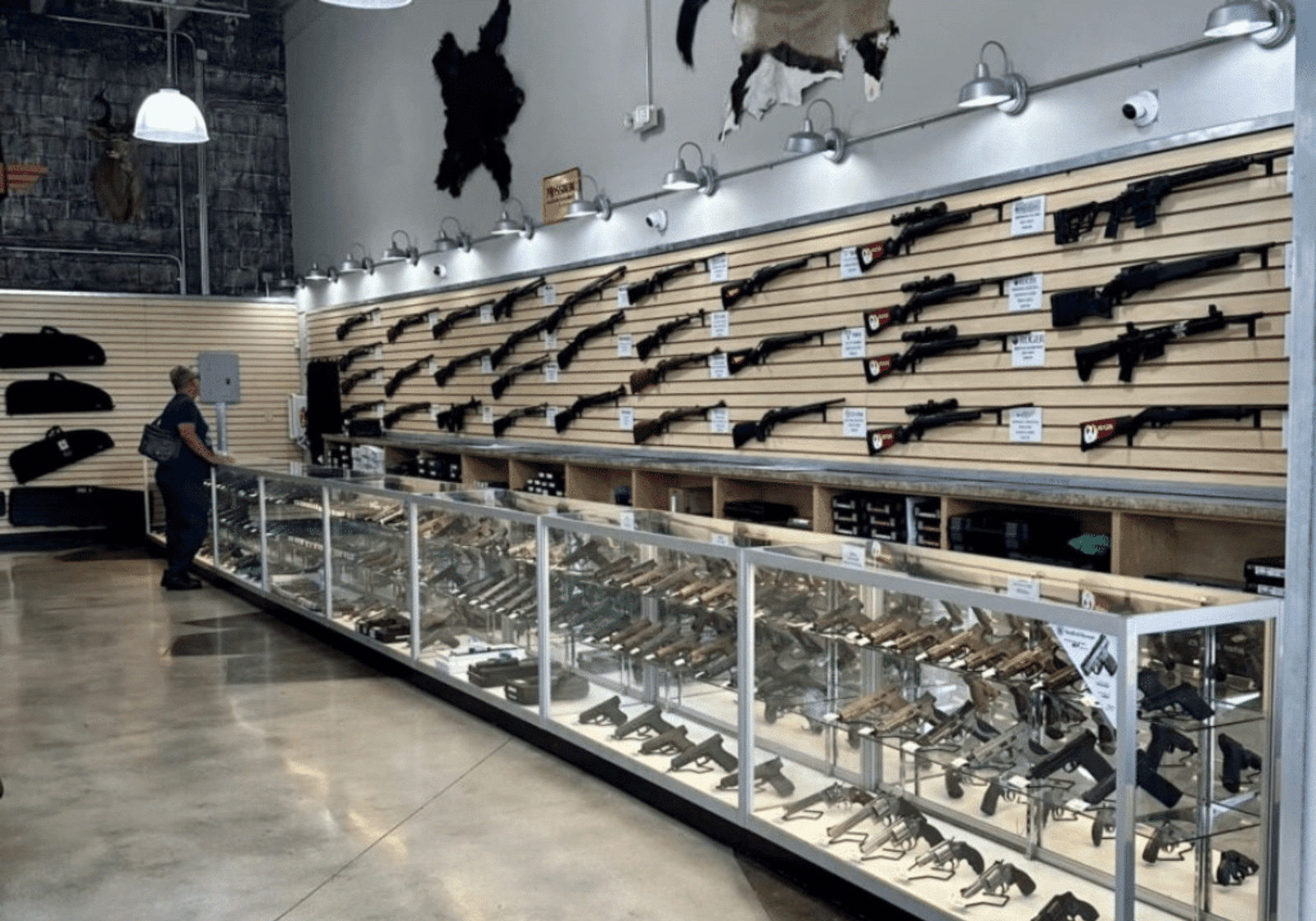
A Nebraska FFL dealer needs more than a basic retail merchant account. The processor will want to understand what is sold, how inventory is described, whether the merchant sells online, how firearms are transferred, how ammunition orders are screened, and how refunds or cancellations are handled. For a storefront in Omaha or Lincoln, the operational profile may include card-present transactions, special orders, layaway, transfers, gunsmithing, and weekend traffic. For a business near Grand Island, Kearney, Fremont, or Hastings, the profile may include hunting-season spikes, farm and ranch customers, rural delivery expectations, and accessory sales that vary by season.
High Wire Payments structures the review around merchant category, card-present versus card-not-present volume, average ticket, chargeback history, ownership documentation, website disclosures, and compliance procedures. Firearms merchants can be declined by general-purpose providers when the provider is not comfortable with FFL inventory, ammunition, firearm parts, or regulated accessories. A better path is to present the business as it actually operates: what is in the store, what is online, what is restricted, what ships, what requires an in-person transfer, and what is excluded.
Nebraska operators should also separate legal compliance from payment acceptance. A state rule may allow an item while a bank, payment facilitator, marketplace, shipping carrier, or card-network risk team still imposes additional review. For example, the research indicates Nebraska does not generally restrict ammunition sales at the state level, but an ecommerce ammo seller still needs clear age controls, billing and shipping checks, product labeling, and destination restrictions where applicable. High Wire Payments helps merchants prepare those controls for review through resources such as /firearms-merchant-account and /high-risk-merchant-account.
Nebraska firearms laws that affect payment review
Payment processors do not act as legal counsel, but they do evaluate whether a merchant appears to understand its regulatory environment. In Nebraska, research sources identify several points that underwriters often care about. Handgun sales have long involved a purchase permit process, with a background check before purchase. Federal law sets minimum purchase ages of 18 for long guns and long-gun ammunition and 21 for handguns and handgun ammunition. Machine guns may be lawful only when possessed under applicable federal statutes. These points should be reflected in store procedures, training, product controls, and ecommerce policy language.
The same research notes that Nebraska recently repealed its concealed carry permit requirement and now allows permitless concealed carry, while also enacting a preemption law that restricts localities from creating their own gun violence prevention measures. For merchants, that does not mean local business licensing, zoning, signage, event rules, range operations, or premises policies can be ignored. A store in Bellevue may face different landlord rules than a shop in rural Nebraska. A vendor at an outdoor event near Grand Island may have event-specific requirements. A storefront in Omaha may have city business obligations unrelated to firearm sales law.
Underwriting teams look for practical proof that the business can control regulated sales. This includes staff training for age verification, documentation for transfers, accurate product titles, shipping restrictions, and policies that distinguish firearms, ammunition, magazines, accessories, optics, apparel, and training services. Product labeling should be specific enough to avoid disputes: caliber, quantity, manufacturer, condition, compatibility, serialized status, and whether an item requires FFL transfer. Poor labeling increases chargebacks because customers may claim the product was misrepresented, delayed, restricted, or not deliverable.
Nebraska may not regulate certain product categories at the state level, but banks and processors can still require additional review for firearms, ammunition, parts, suppressor-related accessories, NFA workflows, or ecommerce sales. Approval depends on underwriting, documentation, processing history, and risk controls.
POS hardware design for gun counters, rural stores, and events
The POS hardware design approach for Nebraska firearms merchants should start at the counter. A gun store checkout is rarely a simple swipe-and-go environment. Staff may need to scan serialized inventory, verify ID, collect signatures, attach receipts to transfer files, manage layaway, accept deposits, separate taxable and non-taxable items, and process accessories alongside firearms. High Wire Payments helps merchants plan hardware stacks that may include countertop terminals, EMV card readers, PIN pads, barcode scanners, receipt printers, cash drawers, tablet stands, inventory integrations, and secure network placement.
A rural sporting goods store in Kearney, Fremont, or Hastings may need a different setup than a high-traffic retail shop in Omaha. Some merchants need a fixed checkout lane for firearms and a second terminal for apparel, bait, outdoor gear, or range fees. Others need mobile readers for special events, hunter education days, or seasonal sidewalk sales, while keeping firearm transactions controlled by trained staff. The POS hardware plan should match the merchant’s compliance workflow, not just the lowest-cost device. See /pos-hardware for the internal hardware planning approach.
Firearms ecommerce sellers also need a clean connection between online checkout and back-office fulfillment. Firearms should ship only to receiving FFLs when required, while accessories may ship directly if allowed. Ammunition sales need age controls and shipping rules. NFA-related items require particular care and should be described accurately so the buyer understands timing, paperwork, and transfer steps. High Wire Payments can help evaluate gateway settings, fraud filters, AVS and CVV rules, transaction descriptors, refund permissions, and order review queues before the merchant starts scaling online volume through /ecommerce-payment-gateway.
documents Nebraska firearms merchants should prepare
A prepared merchant file reduces avoidable back-and-forth. It also helps the underwriting team distinguish a legitimate Nebraska FFL or sporting goods operator from a vague online seller with unclear sourcing and weak policy language. If your business serves Omaha, Lincoln, Bellevue, Grand Island, Kearney, Fremont, Hastings, or smaller communities across the state, the file should show where you operate, what you sell, how you verify buyers, and how you manage regulated items.
- Current signed Federal Firearms License with matching legal business name and address
- Nebraska business registration, trade name documentation, and local business license if applicable
- Government-issued owner identification and ownership information for all required principals
- Recent business bank statements showing the account that will receive settlement deposits
- Three to six months of processing statements if the business has accepted cards before
- Product catalog separating firearms, ammunition, optics, accessories, parts, safes, apparel, transfers, and services
- Website URL, checkout screenshots, age-gate screenshots, cart flow, shipping policy, refund policy, and terms of sale
- FFL transfer policy explaining how firearms are shipped, received, released, and documented
- Chargeback history, refund history, average ticket, monthly volume estimate, and seasonal volume explanation
- POS hardware requirements, ecommerce gateway needs, inventory system notes, and any range or event sales plan
Merchants that sell specialized products should add more detail. A Nebraska business similar in profile to known operators near Grand Island or Cairo that advertise silencers, NFA-related workflows, optics, thermals, muzzle devices, and firearms should document exactly which items are regulated, how the transfer process works, and what customers are told before checkout. Research identified Dry Creek Arsenal near Grand Island/Cairo as a Nebraska operator advertising silencers, firearms, mounts, optics, accessories, and its 2026 Silence in the Heartland event. That kind of public market example shows why underwriters ask for product-level clarity rather than a one-line description such as outdoor goods.
chargeback, fraud, and policy controls for firearms ecommerce
Chargebacks in firearms and ammunition commerce often begin with expectation gaps. A customer may not understand that a firearm must ship to an FFL, that an item cannot be delivered to a restricted destination, that an NFA-related item takes longer, or that ammunition has age and carrier requirements. Other disputes come from product compatibility, backorders, serial-number misunderstandings, canceled transfers, delayed background checks, or refund policies that were not visible before checkout. High Wire Payments reviews these operational details because chargeback prevention is more effective than dispute response.
A Nebraska ecommerce seller should use clear product labeling, visible shipping restrictions, age acknowledgments, FFL selection steps, fraud filters, and order review triggers. The descriptor on the card statement should match the business name closely enough that the customer recognizes the charge. AVS and CVV should be required for card-not-present sales. High-ticket orders, first-time buyers, mismatched billing and shipping addresses, expedited shipping requests, and repeated declined card attempts should be flagged for manual review. For additional internal guidance, merchants can review /chargeback-management and align policies before processing volume increases.
Card-present stores need controls too. Counter staff should understand when to void, refund, or cancel a transaction; how to handle deposits and layaway; and when a sale is not complete because required transfer steps remain. Receipts should be itemized. Store policies should be posted at the counter and mirrored online. A gun shop in Lincoln may need one flow for in-store handgun sales and another for online orders sent to another FFL. A rural outdoor merchant may need procedures for seasonal ammunition rushes before hunting season. Those differences should be documented rather than handled informally.
how High Wire Payments supports Nebraska firearms merchants
High Wire Payments supports Nebraska firearms merchants by organizing the payment application around the real business model. We review whether the merchant is storefront-only, ecommerce-only, hybrid, event-based, range-connected, gunsmithing-focused, or primarily outdoor retail with firearms as one category. We then help identify the acquiring path, terminal needs, gateway settings, reserve considerations, chargeback thresholds, and underwriting documents that fit that model. The process is educational and compliance-aware, not a promise of approval.
For POS hardware, we consider practical counter flow: how many checkout lanes the store needs, whether barcode scanning is required, whether cash drawers and receipt printers are necessary, how deposits and invoices are handled, whether a mobile reader is appropriate, and whether staff need separate permissions. For ecommerce, we evaluate whether product pages contain accurate descriptions, whether the shopping cart handles FFL transfer language, whether ammunition age acknowledgment is visible, and whether policies are indexed clearly in the footer.
The same planning applies to Nebraska businesses that are not traditional gun stores. A hunting lodge selling ammunition and gear, a farm-town sporting goods store, a range with memberships, a gunsmith taking deposits, or an online accessories seller may all fall into high-risk payment review. High Wire Payments helps merchants prepare a defensible file, select payment tools, and monitor risk after launch so the account is not treated as a generic retail setup.
Nebraska firearms payment preparation checklist
Before applying for Nebraska firearms credit card processing, review the items below. The stronger your file is before submission, the easier it is for underwriting to understand the business, the product mix, the compliance workflow, and the payment tools you need.
- Confirm the legal business name, DBA, address, bank account, and FFL all align or are clearly explained
- Separate firearms, ammunition, accessories, optics, parts, safes, apparel, training, range fees, and transfers in the product catalog
- Document Nebraska handgun purchase permit awareness and federal age minimums for long guns, handguns, and ammunition
- Create a written FFL transfer workflow for online sales, inbound transfers, customer pickup, and canceled transfers
- Add age controls, product labeling, shipping restrictions, refund terms, and terms of sale to the website footer and checkout flow
- Choose POS hardware that supports EMV, receipts, barcode scanning, cash management, and staff permissions at the counter
- Set ecommerce gateway rules for AVS, CVV, order velocity, mismatched addresses, high-ticket orders, and manual review
- Prepare recent bank statements, prior processing statements, chargeback history, volume estimates, and seasonal sales notes
- Train staff on refund timing, deposits, layaway, customer communications, and dispute prevention
- Schedule a payment review with High Wire Payments through /firearms-merchant-account before submitting incomplete applications
If you operate an FFL dealership, gun store, ammo counter, outdoor retail shop, rural sporting goods business, hunting operation, range, gunsmithing service, or firearms ecommerce site in Nebraska, High Wire Payments can review your processing file and POS hardware requirements. Start with a compliance-aware consultation, gather the documents above, and use the review to identify gaps before the account goes to underwriting.
serving Nebraska firearms merchants statewide
High Wire Payments works with firearms, ammunition, hunting, outdoor, and ecommerce merchants in Omaha, Lincoln, Bellevue, Grand Island, Kearney, Fremont, Hastings, and rural Nebraska markets.
specific payment support for Nebraska firearms businesses
Each capability is designed to help regulated merchants present a clearer file, reduce disputes, and operate with POS and ecommerce controls that match firearms retail.
FFL document mapping
We compare the FFL, DBA, bank account, website, and application details so underwriting does not receive conflicting business information. This is especially important for Nebraska merchants with storefront, rural property, event, and ecommerce operations.
POS hardware planning
We map countertop terminals, EMV readers, barcode scanners, receipt printers, cash drawers, and mobile readers to the way your gun counter actually works. Hardware recommendations account for deposits, transfers, accessories, ammunition, and staff permissions.
Firearms ecommerce gateway review
We review AVS, CVV, order velocity, high-ticket flags, manual review triggers, transaction descriptors, and refund permissions. The goal is to reduce avoidable card-not-present risk before an online Nebraska firearms seller scales volume.
Chargeback ratio monitoring
High Wire Payments can help monitor chargeback activity with early alerts when ratios approach risk thresholds such as 0.7%. We focus on dispute causes tied to FFL transfers, shipping restrictions, product descriptions, deposits, and delayed fulfillment.
Age and product control review
We check whether age acknowledgments, federal age minimum references, ammunition controls, handgun procedures, and product labeling are visible and consistent. Clear labeling helps reduce disputes over caliber, quantity, compatibility, condition, and transfer requirements.
Nebraska market fit
We account for Nebraska realities such as handgun purchase permit awareness, rural hunting demand, seasonal ammunition volume, and hybrid outdoor retail models. A shop in Omaha may need a different processing design than a sporting goods merchant near Kearney or Hastings.
Can Nebraska FFL dealers get firearms credit card processing?
Yes, many Nebraska FFL dealers can be reviewed for high-risk firearms payment processing, but approval depends on underwriting. The file should include the current FFL, business documents, product catalog, policies, processing history, and a clear explanation of transfer workflows.
Do Nebraska handgun purchase permit rules affect underwriting?
They can. Research notes that Nebraska has long required a purchase permit for handgun sales, meaning buyers must pass a background check before purchase, and underwriters may want to see that the merchant understands its procedures.
What ages should Nebraska firearms merchants reflect in checkout controls?
Research cites federal minimums of 18 for long guns and long-gun ammunition and 21 for handguns and handgun ammunition. Merchants should use age verification, staff training, and website disclosures that align with applicable federal and state requirements.
Can Nebraska ammunition sellers accept credit cards online?
Ammunition sellers may be reviewed for ecommerce processing, but the account needs strong controls. Underwriters commonly look for age acknowledgments, shipping restrictions, accurate caliber and quantity labeling, fraud filters, refund terms, and chargeback prevention procedures.
Does Nebraska regulate assault weapons, large capacity magazines, ghost guns, or bump stocks?
Research from NRA-ILA states that Nebraska has no laws regulating semi-automatic firearms, so-called assault weapons, large capacity magazines, ghost guns, bump stocks, or similar items. Payment processors may still apply their own risk review and may request product-level detail.
Do Omaha, Lincoln, or Bellevue gun stores need separate payment setups from rural Nebraska shops?
Not always, but the operational design may differ. Urban storefronts may need multiple checkout lanes and higher card-present volume support, while rural sporting goods stores may need seasonal volume planning, mobile readers, and mixed-inventory reporting.
Can a Nebraska firearms ecommerce site sell guns and accessories in the same cart?
It depends on the gateway setup, website policies, and underwriting approval. Firearms that require transfer should be clearly separated from direct-ship accessories, with FFL recipient steps, shipping rules, refund terms, and customer acknowledgments visible before checkout.
Will High Wire Payments guarantee approval for my Nebraska gun store?
No. High Wire Payments does not guarantee approval, but it can help prepare a stronger file, identify documentation gaps, review policies, and match the business to high-risk payment options that accept firearms review.
What POS hardware do Nebraska gun stores usually need?
Many stores need EMV countertop terminals, receipt printers, barcode scanners, cash drawers, and sometimes mobile readers for events or overflow counters. The best design depends on whether the merchant handles transfers, layaway, ammunition, range fees, gunsmithing, or ecommerce pickup.
Can Nebraska merchants that sell silencers or NFA-related products be reviewed?
Yes, they can be reviewed, but the file must be precise. Underwriters will want to understand which products are sold, how NFA-related processes are explained, how timelines are disclosed, and how refunds or cancellations are handled.
prepare your Nebraska firearms payment file
High Wire Payments helps Nebraska FFL dealers, gun stores, ammunition sellers, hunting businesses, rural sporting goods merchants, and firearms ecommerce sellers organize underwriting documents, POS hardware needs, website controls, and chargeback procedures before submission.
Apply Now