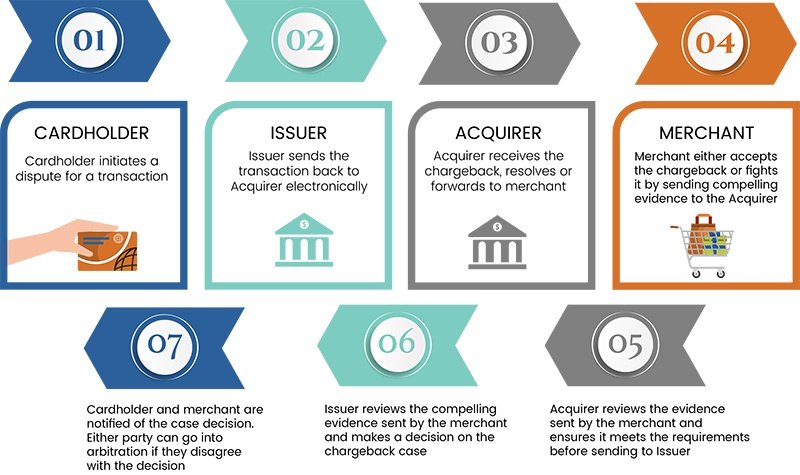
What Evidence Do I Need For A Chargeback?
A chargeback can seriously affect your business. Learn how to collect the right evidence to fight back.
70%
Reduction in chargebacks
2000+
Merchants served
95%
Success rate
24/7
Support availability
Introduction
Chargebacks can pose significant challenges for merchants, impacting cash flow and reputation. To effectively contest a chargeback, it’s crucial to gather compelling evidence. This piece will guide you through what evidence is necessary for various chargeback scenarios.
Types of Evidence Needed for Chargebacks
1. Invoices and Receipts
Having clear records of transactions is necessary. Invoices and receipts provide proof of the sale, detailing what the consumer purchased, the date of purchase, and the amount paid. Ensure these documents are accurate and easily accessible.
2. Signed Agreements
For subscription-based services, having a signed agreement that outlines the terms and conditions of the subscription will bolster your case against chargebacks.
3. Proof of Delivery and Tracking Information
For disputes regarding products claimed not to have been received, tracking information is essential. It confirms that the item was indeed shipped and provides proof of delivery.
4. AVS Matches
Address Verification Service (AVS) matches can help verify that the billing address provided by the customer matches the address on file with their credit card company. A successful match can be used as evidence in your favor.
5. CVV Verification
Similar to AVS, the Card Verification Value (CVV) confirmation can help strengthen your case by indicating that the customer possessed the physical card during the transaction.
6. Customer Communications
Documenting all communications with customers is vital. This includes emails, chat logs, or phone records that may reflect customer satisfaction or acknowledgment of services/products received.
7. Refund Policies and Terms and Conditions
Your refund policies should be clear, accessible, and well-communicated to customers at the time of the purchase to minimize disputes.
8. Fraud Screening Records
Implementing a fraud screening process can help protect your business, and records from these screenings can serve as evidence that due diligence was performed to prevent fraudulent transactions.
Chargeback Evidence by Type
1. Unauthorized Transactions
For unauthorized transactions, merchants should gather:
- Invoices and receipts
- AVS and CVV verification results
- Customer communications indicating authorization
2. Product Not Received Claims
In these instances, include:
- Proof of delivery and tracking information
- Invoices and receipts
- Customer communication about delivery expectations
3. Subscription Disputes
Evidence needed might include:
- Signed agreements
- Invoices and receipts
- Documentation of subscription management details (like reminders)
4. Friendly Fraud
Addressing friendly fraud requires:
- Comprehensive customer communications
- Evidence of service delivery (if applicable)
- Refund policies
How High Wire Payments and Tools Assist Merchants
Merchant accounts, tools like Authorize.Net and NMI, and fraud prevention solutions provide merchants with capabilities to collect, manage, and organize evidence effectively against chargebacks. High Wire Payments particularly aid merchants in:
- Using advanced fraud detection tools
- Accessing comprehensive reporting features for transactions
- Providing guidelines and support for chargeback defense
Chargeback Evidence Collection Checklist
Here’s a handy checklist to ensure you have all the necessary evidence for addressing chargebacks:
- Invoices and receipts: Ensure they are clear and detailed.
- Signed agreements: Crucial for subscription-based services.
- Tracking information: For shipments.
- AVS/CVV verification: Document results.
- Communications with customers: Keep records of conversations.
- Refund policies: Make them easily accessible.
- Fraud screening records: Document routine checks.
Conclusion
Chargebacks can be challenging, but with the right evidence, merchants can effectively fight back against disputes. Utilizing the available tools and maintaining proper documentation can significantly enhance your chances of success.
Why Trust High Wire Payments?
As a trusted partner, we provide solutions to manage risk and enhance transaction security.
Advanced Fraud Detection
Utilize top-tier tools to prevent chargebacks before they occur.
24/7 Support
Get assistance whenever you need it with our around-the-clock support.
Tailored Solutions
We customize our services to fit the unique needs of your business.
Proven Success
Join thousands of satisfied merchants who have minimized their chargeback rates.
Streamlined Processes
Improve your workflow with our easy-to-use solutions.
Expert Industry Knowledge
Leverage our experience in high-risk merchant services.
How long does a chargeback take?
The chargeback process can take several weeks, depending on the card issuer’s policies, but merchants should respond promptly to minimize delays.
Can I prevent chargebacks?
While you can’t eliminate them, implementing clear communication, quality service, and effective fraud prevention measures can reduce occurrences.
What is friendly fraud?
Friendly fraud occurs when a customer falsely disputes a legitimate charge, usually after receiving the product or service.
How can High Wire Payments help with chargebacks?
High Wire Payments offers tools and support to help collect evidence effectively and reduce chargebacks significantly.
What is AVS?
AVS stands for Address Verification Service, which confirms that the billing address matches the cardholder’s address on file with the card issuer.
Are refunds different from chargebacks?
Yes, a refund is a voluntary return of funds by the merchant, while a chargeback is initiated by the customer through their bank.
Ready to Take Control of Chargebacks?
Equip your business with the tools necessary to fight chargebacks effectively and securely.
Apply Now →