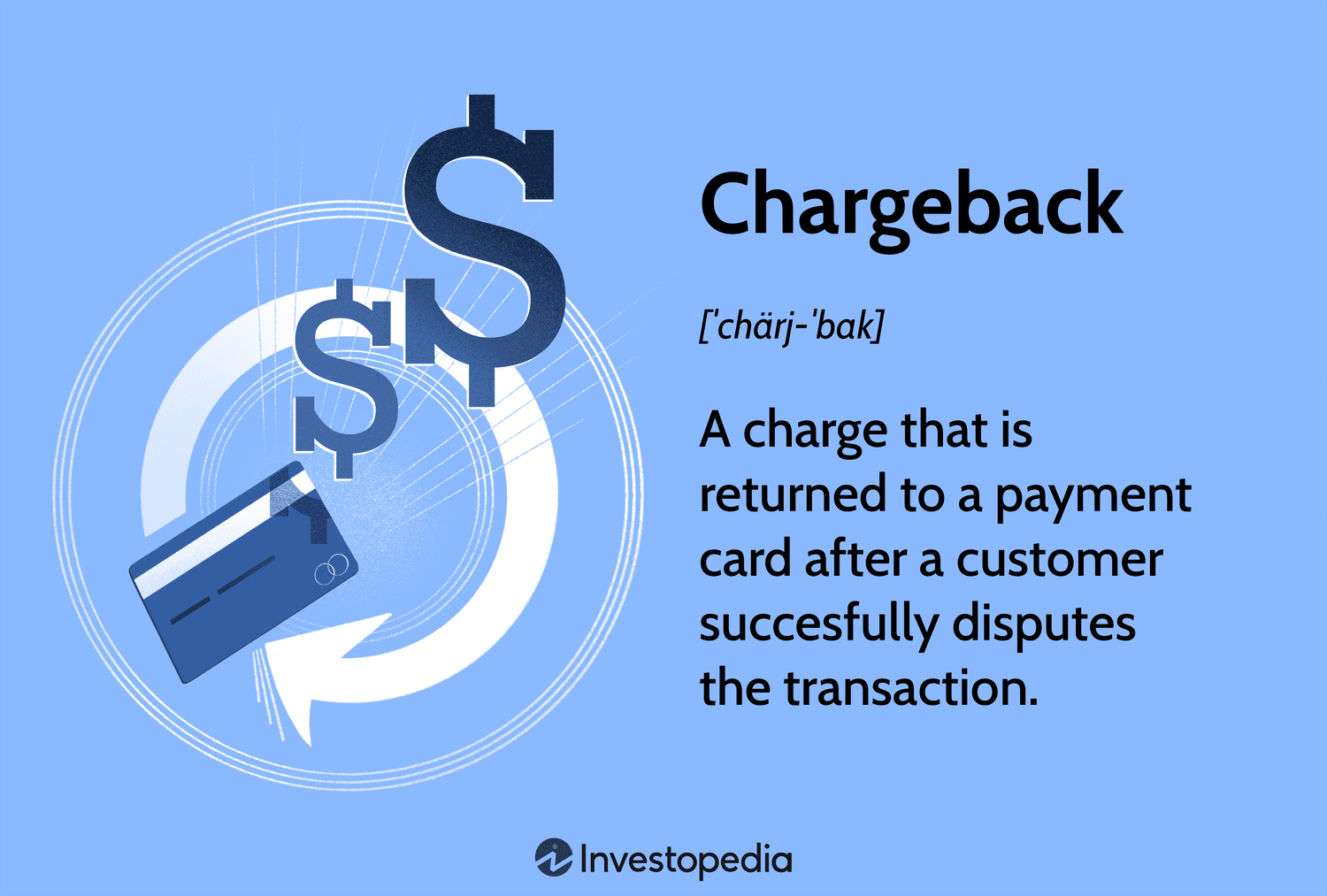
What is a chargeback?
Learn about chargebacks, their implications on merchant accounts, and how to prevent them.
500+
Chargebacks Managed
95%
Resolution Rate
7 Days
Average Response Time
10%
Fee Reduction
Understanding Chargebacks
Chargebacks have become an integral aspect of the modern payment ecosystem. Understanding what they are and how they work is essential for both merchants and customers.
The Difference Between Chargebacks and Refunds
Many people confuse chargebacks with refunds. Refunds are voluntary actions taken by merchants when customers are unsatisfied with their purchases. Chargebacks, however, are initiated by the cardholder through their bank when they dispute the transaction.
Why Do Customers File Disputes?
There are various reasons why consumers may file a chargeback, including fraud, unauthorized transactions, damaged or defective products, and failure to receive the ordered goods.
The Roles Involved in a Chargeback
Understanding the various parties involved can help clarify the process:
- Cardholder: The customer who initiates the chargeback process.
- Issuing Bank: The bank that issued the card to the cardholder and is responsible for handling the chargeback dispute.
- Acquiring Bank: The bank that processes credit card transactions for the merchant and receives chargeback claims.
- Processor: The technology partner that facilitates transactions between the merchant and the banks involved.
- Merchant: The business that sold goods or services and subsequently faces chargeback requests.
- Card Network: Networks like Visa, Mastercard, and others that set the rules and manage the flow of transaction data.
Common Evidence Merchants Need
Merchants are often required to provide evidence when defending against chargebacks. Common forms of evidence include proof of delivery, transaction receipts, communication records with the customer, and product descriptions.
Timelines and Fees
The timeline for chargebacks typically ranges from a few weeks to several months, depending on the nature of the dispute. Merchants can also face chargeback fees that can add up, making it crucial to address disputes promptly.
Ratios and Risk for High-Risk Merchant Accounts
High-risk merchant accounts are especially vulnerable to chargebacks. Maintaining a low chargeback ratio is crucial as high ratios can lead to increased scrutiny, potential account termination, or higher processing fees.
Practical Steps for Prevention
To mitigate chargebacks, consider the following steps:
- Offer clear return policies.
- Provide detailed product descriptions.
- Communicate proactively with customers.
- Ensure accurate billing descriptors.
- Monitor transaction patterns to identify suspicious activities.
Negative Impact on Your Business
Chargebacks can severely impact a merchant’s bottom line and overall reputation. Educating staff about chargebacks and streamlining the refund processes can help create better customer experiences and reduce disputes.
Frequently Asked Questions About Chargebacks
Here are some common questions regarding chargebacks.
How can I prevent chargebacks?
To prevent chargebacks, ensure clear communication about services and products, maintain detailed records, and have a transparent refund policy.
What should I do if I receive a chargeback?
Review the chargeback notice carefully, gather evidence to support your case, and respond before the deadline provided.
Can chargebacks affect my credit?
While chargebacks do not directly affect your credit score, they can impact your billing relationship and financial reputation with payment processors.
What are the fees associated with chargebacks?
Chargeback fees vary by processor, but typically merchants can expect fees ranging from $20 to $100 for each chargeback received.
How does a chargeback affect my business?
High chargeback rates can lead to increased fees, account termination, and damage your reputation as a dependable merchant.
Take Control of Chargebacks Today
Learn how to manage and prevent chargebacks effectively with High Wire Payments.
Apply Now →