RDR, CDRN, and Ethoca for High-Risk Chargeback Management
Explore how chargeback alerts and prevention tools work to keep your business protected.
10+
Years in Business
50+
Partners Worldwide
1,000+
Successful Resolutions
99%
Customer Satisfaction
In the ever-evolving landscape of digital payments, managing chargebacks has become a critical concern for high-risk merchants. High Wire Payments offers a comprehensive approach to chargeback management through tools like RDR (Rapid Dispute Resolution), CDRN (Chargeback Representment Network), and Ethoca. This blog will explore how these tools help merchants effectively manage chargebacks, allowing them to maintain their revenue while minimizing risks.
Understanding Chargebacks and Their Impact
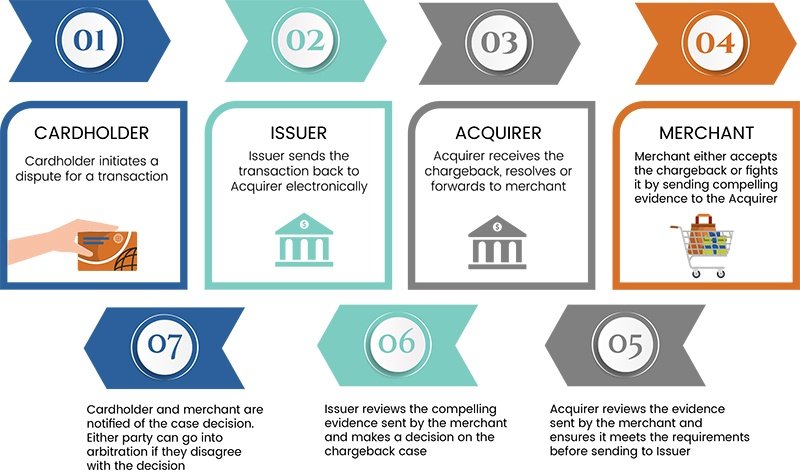
Chargebacks occur when a customer disputes a transaction, leading to a reversal of the payment. For high-risk merchants, chargebacks can significantly impact profitability and reputation. Therefore, it is essential to understand the fundamentals of chargeback management.
How RDR, CDRN, and Ethoca Work
RDR and CDRN are essential components in chargeback prevention and resolution. RDR allows merchants to resolve disputes quickly, while CDRN facilitates collaboration between merchants and issuers to prevent chargebacks before they occur.
RDR (Rapid Dispute Resolution)
RDR is a valuable tool for merchants looking to respond swiftly to chargeback disputes. By utilizing RDR, merchants can:
- Receive instant notifications of chargeback disputes.
- Engage with customers directly to resolve issues before they escalate.
- Improve their chances of winning disputes by providing timely evidence.
CDRN (Chargeback Representment Network)
CDRN enhances the chargeback representment process by connecting merchants with issuing banks. Key features of CDRN include:
- Real-time insights into chargeback reasons and trends.
- Collaboration capabilities for more effective dispute resolution.
- Access to historical data that can inform chargeback prevention strategies.
Ethoca’s Role in Chargeback Management
Ethoca complements RDR and CDRN by providing advanced tools for chargeback alerts. Merchants benefit from Ethoca in several ways:
- Prompt alerts on chargebacks, enabling proactive resolutions.
- Collaboration with issuers to minimize risks.
- Access to data insights that help refine fraud management strategies.
Refunds and Representment Explained
Understanding the nuances of refunds and representment is vital for merchants. A refund is an automatic reversal of a transaction initiated by the merchant, while representment is a challenge against a chargeback. Merchants need to know when each is appropriate to mitigate losses effectively.
Fees and Timing in Chargeback Management
Chargeback management comes with associated fees that merchants should consider:
- Chargeback fees: These fees are applied for each chargeback a merchant receives.
- Representment fees: If a merchant chooses to challenge a chargeback, they may incur representment fees.
- Transaction fees: Standard transaction fees still apply, impacting overall profits.
Timely action is crucial in chargeback management. Merchants must respond to alerts and disputes promptly to maximize their chances of successful resolution.
Account Protection Strategies
To safeguard against chargebacks, merchants should implement robust account protection strategies, such as:
- Utilizing address verification services (AVS) to validate customer information.
- Monitoring transactions for signs of fraud or unusual behavior.
- Implementing clear refund and return policies to manage customer expectations.
FAQs
What are RDR and CDRN?
RDR (Rapid Dispute Resolution) and CDRN (Chargeback Representment Network) are tools designed for merchants to manage chargebacks effectively.
How does Ethoca help in chargeback management?
Ethoca provides merchants with chargeback alerts that enable proactive management and resolution of disputes.
What is the difference between a refund and representment?
A refund is initiated by the merchant to reverse a transaction, while representment refers to contesting a chargeback.
What are common chargeback reasons?
Common chargeback reasons include fraud, product not received, or unauthorized transactions.
How can I reduce chargebacks?
Implementing clear policies, improving customer service, and using chargeback management tools can help reduce chargebacks.
Why Trust High Wire Payments?
Our commitment to chargeback management and merchant success.
Expertise in High-Risk Markets
We understand the unique challenges faced by high-risk merchants.
Proactive Support
Our team offers dedicated support to minimize chargebacks.
Advanced Tools
Utilizing RDR, CDRN, and Ethoca for effective management.
Data-Driven Insights
Leverage data analytics to stay ahead of chargebacks.
Customer-Focused Approach
We prioritize our clients’ needs for long-term success.
What is a chargeback?
A chargeback is a reversal of a transaction initiated by the customer through their bank.
How can I prevent chargebacks?
Implementing strong fraud detection, clear communication, and customer engagement can prevent chargebacks.
How does High Wire Payments assist with chargeback management?
We provide tools like Ethoca, RDR, and CDRN to streamline chargeback prevention and resolution.
What to do if I receive a chargeback?
Review the case, gather evidence, and decide whether to issue a refund or contest the chargeback.
Start Efficient Chargeback Management Today
Partner with High Wire Payments to optimize your chargeback processes and protect your revenue.
Apply Now →