How Do I Fight a Chargeback?
This comprehensive guide outlines the chargeback representment process and best practices to improve your chances of winning.
20%
Average Chargeback Rate
75%
Win Rate for Proper Responses
8
Major Reason Codes
12+
Steps to Successful Representment
Chargebacks can be a significant issue for merchants, leading to loss of revenue and potential penalties. To effectively fight a chargeback, it’s essential to understand the representment process thoroughly.
Understanding Chargebacks
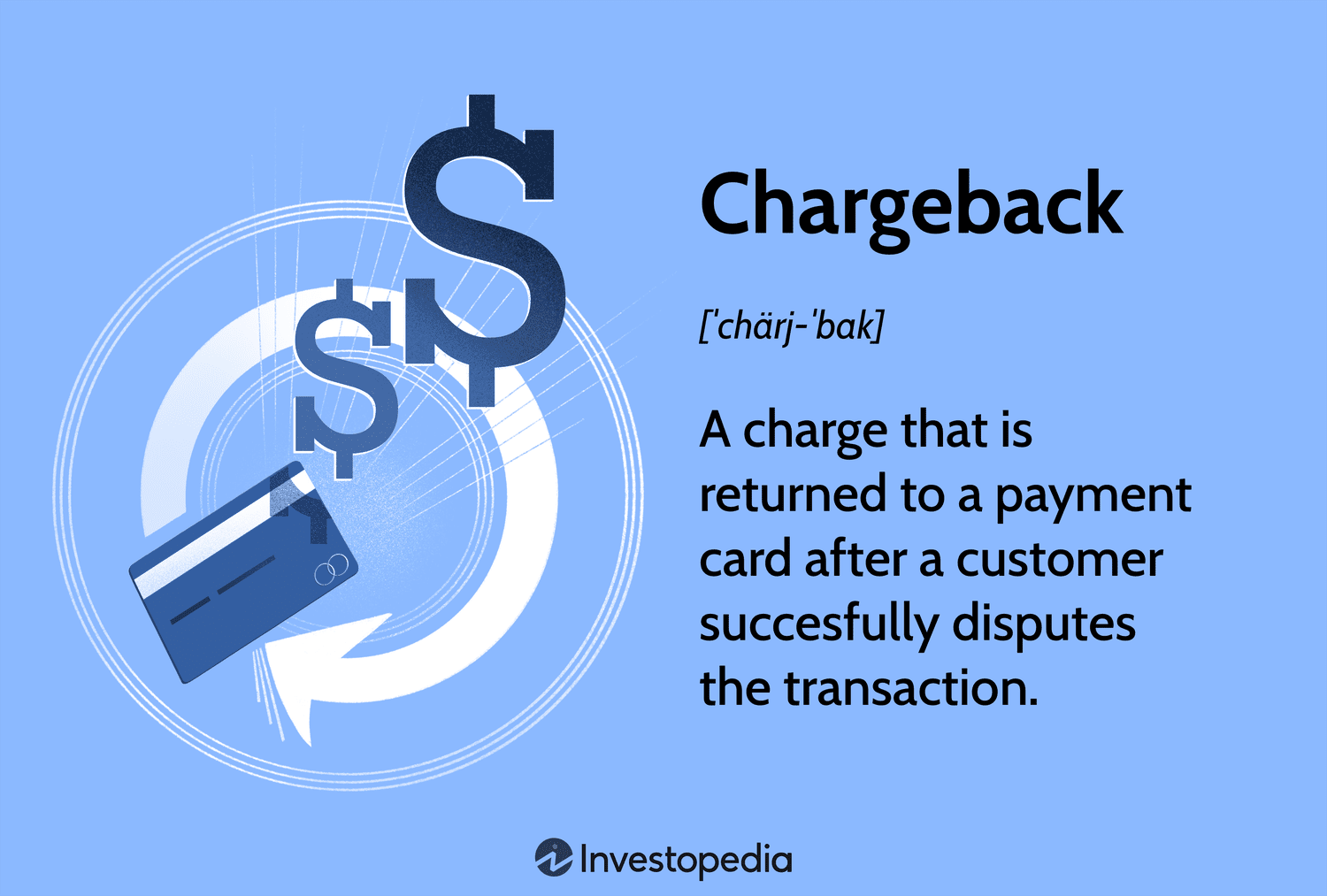
A chargeback occurs when a cardholder disputes a transaction and requests a refund through their bank. Chargebacks can stem from various issues, such as dissatisfaction with a product, unauthorized use, or failure to receive the purchased item.
Step-by-Step Guide to Chargeback Representment
Here’s how you can fight a chargeback effectively:
1. Reviewing Reason Codes
First, identify the reason code associated with the chargeback. Each reason code corresponds to a specific issue and determines the kind of evidence you’ll need to provide. Common reason codes include:
- Fraud: Unauthorized transaction claims
- Service not delivered: Claims of unfulfilled orders
- Product not as described: Claims regarding product discrepancies
2. Gathering Evidence
Compile all necessary documentation supporting your case, including:
- Transaction records
- Shipping information
- Communication with the customer
- Return and refund policies
3. Meeting Processor Deadlines
Be aware of the deadlines set by your payment processor for submitting evidence. Missing these deadlines can result in automatically losing the chargeback.
4. Submitting Rebuttal Letters
Compose a clear and concise rebuttal letter outlining your case, including a summary of the evidence you are submitting. It should counter the claim made by the cardholder effectively.
5. Responding to Disputes Effectively
Your response should focus on not just providing evidence, but also addressing the customer’s concerns. A successful response can often lead the customer to withdraw their dispute.
Improving Win Rates and Avoiding Future Disputes
Preventative measures can minimize future chargebacks:
- Enhancing customer support
- Clearly stating return policies
- Providing product details to avoid misinterpretation
Understanding Different Chargeback Scenarios
Chargeback scenarios vary, and understanding them is crucial for merchants:
Friendly Fraud
This occurs when a customer makes a purchase and then disputes it falsely claiming they did not authorize the transaction. Tracking user behavior can help mitigate this issue.
Digital Goods Disputes
These cases often arise due to the intangible nature of the products. Provide comprehensive descriptions and follow up with customers post-purchase to ensure satisfaction.
E-Commerce Chargebacks
These disputes frequently occur in online transactions, given the lack of face-to-face interactions. Ensure all transactions are secure and offer detailed confirmation emails.
Subscription Billing Disputes
Regular charges for subscriptions can lead to disputes if not communicated clearly. Always provide options for managing subscriptions and notify customers of upcoming charges.
Shipping-Related Claims
Claims that items were not received can be troublesome. Utilize reliable shipping providers and track shipments to provide proof of delivery.
Role of Payment Processors in Dispute Management
Many merchants rely on tools and platforms for effective dispute management, including:
- Authorize.Net: Offers tools for chargeback management and dispute tracking.
- NMI: Provides robust reporting features to help manage disputes effectively.
- High Wire Payments: Offers tailored support for high-risk merchants, helping them navigate disputes.
Chargeback Response Checklist
Use this checklist to ensure you cover all bases during the chargeback representment process:
- Review the reason code carefully.
- Gather all necessary documentation.
- Submit evidence by the deadline.
- Write a clear and concise rebuttal letter.
- Follow up on the status of the claim.
Frequently Asked Questions
Common queries about chargebacks and representment.
What is a chargeback?
A chargeback is the reversal of a credit card transaction, initiated by the bank or card issuer after a cardholder disputes a charge.
How long do I have to respond to a chargeback?
Most processors allow a response period ranging from 7 to 30 days, depending on the reason for the chargeback.
What evidence do I need to submit?
Evidence may include transaction receipts, order confirmations, and any correspondence with the customer.
How do I prevent fraud chargebacks?
Implement fraud detection tools and emphasize customer identity verification to reduce the risk of chargebacks.
Are chargebacks harmful to my business?
Yes, chargebacks can lead to financial loss, increase fees, and damage your merchant account standing.
Take Charge of Chargebacks Today!
Contact us for support in managing and fighting chargebacks effectively.
Apply Now →