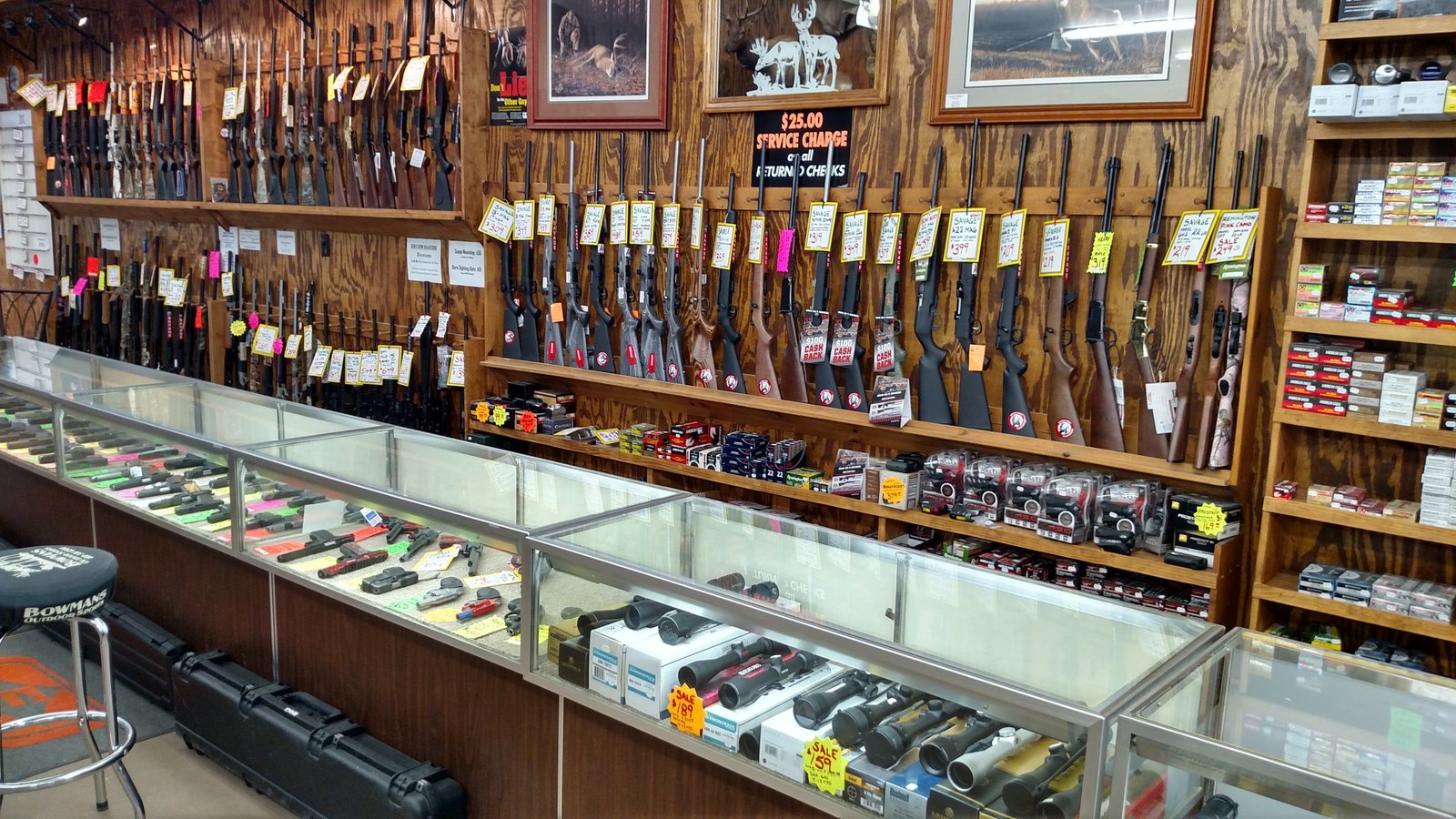
new jersey firearms and ammunition payment processing for high-risk merchants.
High Wire Payments supports New Jersey FFL dealers, ammunition sellers, shooting sports businesses, sporting goods retailers, and ecommerce firearm accessory merchants with compliance-aware underwriting, chargeback monitoring, secure payment tools, and documentation review for a highly regulated retail environment.
NJ
State reviewed
FFL
Dealer focus
2022
Public safety law
SAFE
NJ enforcement office
New Jersey firearms and ammunition payment processing is a specialized underwriting category for FFL dealers, firearms retailers, ammunition sellers, shooting sports operators, sporting goods merchants, training providers, and ecommerce sellers serving businesses in New Jersey. Operators in Newark, Jersey City, Paterson, Elizabeth, Edison, Toms River, Trenton, Camden, Clifton, Passaic, and Union City face a retail market shaped by strict state rules, card network scrutiny, and customer expectations for secure checkout. High Wire Payments helps merchants organize the payment side of that environment without presenting this page as legal advice or claiming a local office.
The core challenge is not simply accepting a credit card. Firearms-related businesses are reviewed for licensing, prohibited-product controls, age and identity screening, shipping rules, refund language, website content, product descriptions, ammunition handling, and chargeback exposure. Banks and payment facilitators may decline the category outright because it is regulated, politically sensitive, and frequently misunderstood. A New Jersey merchant that sells firearms, ammunition, optics, magazines, range time, gunsmithing services, or accessories needs a processing file that explains exactly what is sold, where it is sold, how eligibility is verified, and how disputes are handled.
High Wire Payments provides high-risk merchant services for this category through a documentation-first process. That means the underwriting package is built before it reaches a sponsor bank or processor, not after questions begin. For related service information, merchants can review /firearms-and-ammunition-payment-processing/ and /firearms-payment-processing/. When the business is ready to submit documents for review, the application path is /apply/. Approval is never guaranteed, and underwriting outcomes depend on the merchant profile, ownership history, processing history, product mix, compliance controls, and the requirements of the acquiring bank.
New Jersey firearms businesses should work with qualified counsel or compliance professionals on licensing, sales, transfer, ammunition, shipping, and local requirements. This page is for payment-processing education only. It references public research, including New Jersey’s Firearms Industry Public Safety Law, codified at N.J.S.A. 2C:58-25, but it is not legal advice.
why new jersey firearms merchants are reviewed as high-risk
Firearms and ammunition merchants are often classified as high-risk because the category combines regulated goods, age-sensitive sales, identity verification, fulfillment limitations, elevated public scrutiny, and complex dispute scenarios. In New Jersey, those issues are intensified by a state regulatory environment that is frequently described by public policy sources as among the strongest in the country. Research cited in the prompt notes that New Jersey requires a permit and background check for all firearm purchases, maintains dealer licensing requirements, restricts certain products, and regulates public carry. Even when a merchant is fully licensed and operating responsibly, the payment file must show that the business understands those controls.
Underwriters look for evidence that the merchant is not treating firearms sales like ordinary ecommerce. A typical retail store in Edison or Toms River may have in-person sales, special orders, accessories, ammunition, training courses, and repair work. A Jersey City or Newark ecommerce seller may only ship eligible firearm parts and accessories while directing actual firearm transfers through an FFL. A range or training business near Trenton may accept deposits online but complete identity checks on-site. Each model has different underwriting considerations, and a processor needs a clear narrative that matches the merchant’s website, invoices, policies, and bank statements.
Chargebacks are another reason firearms and ammunition accounts receive extra attention. Disputes can arise from delayed transfers, failed background checks, customer misunderstanding about serialized items, cancellation policies, restocking fees, backordered ammunition, shipping restrictions, or card-not-present fraud. A strong merchant file explains how the business communicates terms before checkout, how it confirms buyer information, how it documents pickup or delivery, and how it responds to disputes. High Wire Payments focuses on this operational detail because a merchant with good documentation is easier for an underwriter to evaluate than a merchant with vague product pages and unclear refund policies.
new jersey rules that matter to payment underwriting
The research supplied for this page includes specific New Jersey regulatory facts that matter when preparing a payment application. The New Jersey Office of the Attorney General announced on July 24, 2025 that Attorney General Matthew J. Platkin and the Statewide Affirmative Firearms Enforcement Office, known as SAFE, obtained a court victory involving a Vineland gun store. The case involved enforcement of the Firearms Industry Public Safety Law, enacted by the Legislature in July 2022 and codified at N.J.S.A. 2C:58-25. According to the research, the law requires gun industry members to establish reasonable procedures, safeguards, and business practices designed to prevent the sale of gun-related products to people prohibited from possessing a firearm under state or federal law.
That public enforcement history is relevant to payment processing because underwriters often want to see practical controls, not only licenses. The New Jersey Attorney General’s July 2025 release stated that SAFE filed civil lawsuits in November 2024 against two licensed firearms retailers. One matter settled in March 2025, and the court issued an order and injunction in the Butch’s Gun World matter. The release described undercover investigators purchasing more than a thousand rounds of AR-15 ammunition and other gun-related products in cash without an effort to determine whether they could lawfully possess a firearm. For a merchant services file, the lesson is straightforward: document the procedures your business actually uses.
Payment underwriters are not regulators, and High Wire Payments does not provide legal advice. However, processors do evaluate whether the merchant’s operational controls are credible. A New Jersey FFL dealer in Elizabeth, a range operator serving Camden, or a sporting goods retailer in Clifton may be asked for a copy of its FFL, state dealer information where applicable, business registration, product list, website checkout flow, ammunition sales procedures, and policies for declined transactions. If the merchant sells online, the processor may also review where products can ship, whether prohibited items are blocked, whether age and eligibility notices are visible, and whether product labeling or descriptions could create card brand concerns.
The July 24, 2025 New Jersey Attorney General release emphasizes procedures and safeguards. For payment processing, that translates into a cleaner underwriting package: written buyer verification steps, restricted-product controls, staff training notes, refund rules, pickup documentation, and clear separation between regulated firearms, ammunition, accessories, training, and range services.
merchant account options for ffl dealers, ammunition sellers, and ecommerce stores
New Jersey firearms businesses do not all need the same payment setup. A counter-sale FFL in Paterson may need a stable retail merchant account with EMV terminals, receipt capture, and clear descriptor settings. A sporting goods merchant in Passaic may sell fishing, outdoor gear, clothing, optics, ammunition, and accessories under one roof, which creates product-mix questions. An ecommerce accessory seller serving customers from Union City may need card-not-present processing, gateway controls, address verification, fraud screening, and product-page review. A training business near Trenton may need recurring billing for memberships or deposits for courses, while still maintaining strict cancellation and attendance policies.
High Wire Payments helps organize those needs into the right payment structure where available. That may include retail terminals, virtual terminal access, ecommerce gateway support, chargeback alerts, recurring billing controls, customer vault tools, or multi-location reporting. The important point is that the solution must match the actual operating model. A merchant that says it sells only accessories but has ammunition pages live on the website will raise questions. A range that accepts online deposits but does not explain on-site waivers and safety rules may face avoidable review delays. Consistency across website, application, invoices, bank statements, and policy pages is essential.
A comparison view for New Jersey merchants is useful: traditional low-risk processors may work for ordinary apparel or general retail, but they often prohibit firearms and ammunition in their terms; payment facilitators may close accounts quickly if a restricted SKU appears; high-risk firearms merchant services provide a more appropriate path because the category is disclosed from the beginning. High Wire Payments does not position high-risk processing as a shortcut around rules. Instead, the goal is to present the business accurately, disclose the product mix, document eligibility controls, and support ongoing monitoring so that the account has a clearer basis for review.
documents new jersey firearms merchants should prepare
A complete underwriting file reduces unnecessary back-and-forth. New Jersey firearms and ammunition merchants should expect more documentation than a standard retail account. The bank or processor may ask for ownership identification, business registration, corporate documents, EIN confirmation, FFL information, state or local licensing material where applicable, supplier invoices, processing history, chargeback records, website policies, product catalogs, and fulfillment details. For businesses with multiple revenue streams, the file should clarify what percentage of sales comes from firearms, ammunition, accessories, range fees, training, gunsmithing, memberships, or ecommerce.
- Federal Firearms License information and any applicable renewal documentation
- New Jersey business registration, entity records, and EIN confirmation
- Owner or officer government-issued identification for underwriting review
- Current product list separating firearms, ammunition, accessories, range services, training, and non-regulated goods
- Website URLs, checkout screenshots, and product pages for ecommerce or catalog sales
- Written age, identity, permit, background-check, pickup, and transfer procedures used by the business
- Ammunition sales procedures, restricted-product rules, and staff training notes where applicable
- Refund, cancellation, restocking, shipping, and failed-transfer policies shown to customers before purchase
- Three to six months of processing statements or bank statements if prior processing is unavailable
- Chargeback history, dispute response samples, fraud-control settings, and customer-service contact information
The list above is not a legal checklist; it is an underwriting checklist. A merchant in Newark or Camden may have additional municipal, lease, zoning, insurance, or operating requirements that a processor does not control. What the processor needs is a coherent file that shows the business is real, licensed where required, transparent about what it sells, and prepared to manage disputes. Merchants should avoid submitting incomplete applications with generic descriptions like sporting goods if firearms or ammunition are part of the revenue stream. Accurate disclosure at the beginning is usually better than a later account review triggered by mismatched transactions.
reducing chargebacks and account reviews in a strict retail environment
Chargeback prevention for New Jersey firearms merchants begins before the card is run. Product pages should explain whether an item is a firearm, ammunition, accessory, service, class, membership, or deposit. Serialized items should have clear pickup or transfer instructions. Ammunition pages should include eligibility and shipping limitations where applicable. Training classes should show cancellation windows and no-show rules. Gunsmithing deposits should state what is refundable and what is not. When the customer understands the transaction, the merchant has stronger evidence if a dispute occurs.
High Wire Payments can support merchants with chargeback ratio monitoring, alert workflows where available, descriptor review, gateway fraud settings, and documentation practices. A New Jersey ecommerce seller may need address verification, CVV checks, velocity limits, blocked regions, manual review for high-ticket orders, and clear customer-service response times. A retail FFL may need itemized receipts, signed pickup forms, staff notes, and consistent refund codes. A range or training business may need waiver confirmation, attendance logs, and time-stamped booking records. These details do not eliminate disputes, but they help the merchant respond with evidence.
Account reviews can also occur when a merchant changes its product mix. For example, a sporting goods store in Edison that adds ammunition, a training provider in Toms River that starts selling accessories online, or an FFL in Elizabeth that adds ecommerce deposits may need to update its processor. Product labeling matters in this context. If website categories, receipts, SKUs, and product descriptions are vague or inconsistent, the account can be harder to defend. A disciplined merchant keeps descriptions accurate, avoids misleading claims, and maintains internal records that align with the products actually sold.
new jersey firearms payment processing preparation checklist
Before submitting a New Jersey firearms merchant account application, prepare the business as if an underwriter will compare every claim against public records, website pages, bank activity, and processing statements. The following steps help FFL dealers, ammunition sellers, sporting goods retailers, shooting sports businesses, and ecommerce merchants present a cleaner file for review.
- Confirm that the legal business name, DBA, ownership, address, and website match across the application and business records.
- Gather FFL documentation and any state, municipal, or operating records your compliance team uses for New Jersey sales.
- Create a plain-language product mix summary showing firearms, ammunition, accessories, training, range services, memberships, and ecommerce percentages.
- Review the website for clear restricted-product language, age and eligibility notices, pickup or transfer instructions, and accurate product descriptions.
- Publish refund, cancellation, restocking, failed-transfer, shipping, and customer-service policies before checkout.
- Document buyer verification, permit, background-check, ammunition sale, and pickup procedures used by staff.
- Separate regulated and non-regulated revenue streams where reporting or descriptor clarity is needed.
- Collect recent processing statements, bank statements, chargeback reports, and dispute outcomes.
- Set fraud controls for ecommerce, including AVS, CVV, velocity filters, manual review thresholds, and blocked shipping destinations where appropriate.
- Apply through /apply/ only after the documentation package is consistent, complete, and ready for underwriting questions.
High Wire Payments is serving businesses in New Jersey with a payment-processing review process built for regulated firearms and ammunition merchants. To learn more about category-specific support, visit /firearms-and-ammunition-payment-processing/ or /firearms-payment-processing/. If your FFL dealership, ammunition business, range, sporting goods store, training operation, or ecommerce shop is ready for underwriting review, start at /apply/ and submit complete, accurate documentation.
serving firearms businesses across new jersey
High Wire Payments supports underwriting preparation for merchants serving New Jersey customers in major retail and ecommerce markets, without making local-office claims.
specific support for new jersey firearms merchant accounts
High Wire Payments focuses on documentation, controls, and payment operations that matter to firearms and ammunition underwriters.
FFL-focused underwriting package
We help organize FFL information, ownership records, product mix summaries, and New Jersey operating details into a coherent file. The package is designed to reduce avoidable follow-up questions from banks reviewing regulated firearms activity.
Ammunition procedure review
For ammunition sellers, we help document buyer eligibility steps, restricted-product controls, receipt language, and staff procedures. This is especially relevant in New Jersey after the public SAFE enforcement activity described by the Attorney General in 2025.
Chargeback ratio monitoring
Merchants can use chargeback monitoring workflows and alerts where supported by the processor or gateway. We emphasize early review before dispute ratios create account pressure, with documentation for delayed transfers, deposits, refunds, and failed pickups.
Ecommerce gateway controls
Online firearms accessory and ammunition merchants may need AVS, CVV, velocity filters, manual review thresholds, and blocked shipping rules. We help align gateway settings with the merchant’s stated product mix and fulfillment policies.
Descriptor and policy alignment
We review whether the business name, billing descriptor, receipts, refund policy, website footer, and customer-service details are consistent. Clear descriptors reduce confusion-driven disputes and make underwriting easier to understand.
Retail, range, and training support
A New Jersey shooting sports business may process range fees, class deposits, memberships, accessories, and in-store sales. We help separate those revenue types so underwriters can evaluate the account without guessing what the merchant actually sells.
Can New Jersey FFL dealers accept credit cards for firearms sales?
Many FFL dealers can apply for firearms-friendly high-risk merchant processing, but approval depends on underwriting, licensing, ownership, product mix, and bank requirements. The account should disclose firearms activity clearly rather than attempting to process under a generic retail category.
Do New Jersey ammunition sellers need high-risk merchant services?
Ammunition sellers are commonly reviewed as high-risk because of age, eligibility, product, shipping, and regulatory concerns. New Jersey’s Firearms Industry Public Safety Law and the 2025 SAFE enforcement example make written safeguards especially important for underwriting.
What New Jersey law should firearms merchants know for payment underwriting?
The research for this page identifies the Firearms Industry Public Safety Law, enacted in July 2022 and codified at N.J.S.A. 2C:58-25. It requires gun industry members to establish reasonable procedures, safeguards, and business practices designed to prevent sales to prohibited persons. This is not legal advice; merchants should consult counsel.
Will a standard payment processor approve a New Jersey firearms store?
Many standard processors and payment facilitators restrict or prohibit firearms and ammunition activity. A high-risk merchant services provider is usually a better fit because the category is disclosed and reviewed before processing begins.
Can a New Jersey ecommerce firearms accessory seller apply without selling guns?
Yes, accessory-only ecommerce merchants may still be reviewed as firearms-adjacent businesses. Underwriters will look at product pages, restricted SKUs, shipping policies, fraud controls, and whether the website clearly avoids prohibited or unsupported items.
What documents should a New Jersey FFL submit with a payment application?
Common documents include FFL information, business registration, EIN confirmation, owner identification, product lists, policy pages, processing statements, bank statements, and chargeback history. Ammunition sellers should also prepare written sales and verification procedures.
Does High Wire Payments provide legal advice on New Jersey firearms laws?
No. High Wire Payments provides payment-processing education and underwriting support, not legal advice. New Jersey firearms businesses should work with qualified legal or compliance professionals for licensing, sales, transfer, ammunition, and local requirements.
How can New Jersey firearms merchants reduce chargebacks?
Use clear refund and cancellation policies, document pickup or transfer events, set accurate expectations for background-check delays, and maintain strong customer-service records. Ecommerce merchants should also use AVS, CVV, velocity filters, and manual review for unusual orders.
Can shooting ranges and training businesses in New Jersey process memberships or deposits?
Ranges and training providers may apply for processing that supports deposits, classes, memberships, or retail sales, depending on underwriting approval. The application should explain each revenue stream and provide cancellation rules, waiver procedures, and customer communication records.
How do I apply for New Jersey firearms and ammunition payment processing?
Review category information at /firearms-and-ammunition-payment-processing/ and /firearms-payment-processing/, then prepare the required documents. When ready, submit the business for review at /apply/ with accurate product, licensing, website, and processing details.
prepare your new jersey firearms payment file
High Wire Payments helps New Jersey FFL dealers, ammunition sellers, shooting sports businesses, sporting goods retailers, and ecommerce merchants prepare a stronger high-risk merchant services application. Start with accurate documents, clear policies, and a disclosed product mix, then apply at /apply/.
Apply Now