Latest updates on legislation and bans across the country.
Kratom Ban 2026: What You Need to Know.
With numerous changes looming, understanding the kratom regulations of 2026 is crucial for consumers and merchants alike.
8
States Banning Kratom
30+
States with Regulation
2
Years for DEA Ban
4
Pending Ban Bills
Understanding Kratom: What Is It?
Kratom, a tree native to Southeast Asia, has gained popularity in recent years, particularly in the United States, for various purported effects. It is known to contain several alkaloids, primarily mitragynine and 7-hydroxymitragynine (7-OH), the latter of which has faced particular scrutiny due to its stronger effects and potential for abuse.
The Current Regulatory Landscape in 2026
As we look into 2026, the regulatory environment around kratom remains fluid, marked by the DEA’s actions and state-level legislation. Currently, there are significant distinctions in legality based on the form of kratom products and their specific contents.
Traditional Botanical Kratom vs. Enhanced Products
Traditional botanical kratom is typically sold as dried leaves, powders, and extracts containing natural alkaloids. However, enhanced products such as those with concentrated levels of 7-OH raise flags for regulators. These products are often marketed as premium kratom but can present increased risks of addiction and adverse effects, particularly in younger demographics.
What the DEA Is Doing
The DEA announced on July 1, 2026, that it would temporarily schedule synthetic versions of 7-OH and related compounds as Schedule I substances, indicating no accepted medical use and a high potential for abuse. This action does not apply to naturally occurring kratom products but targets enhanced forms that pose serious health risks.
2025 and 2026 Legislative Timeline
Understanding the timeline of key legislative actions surrounding kratom can provide clarity about its future:
- January 2025: The FDA recommended the scheduling of 7-OH based on emerging health concerns.
- July 1, 2026: The DEA officially schedules select 7-OH products as Schedule I substances.
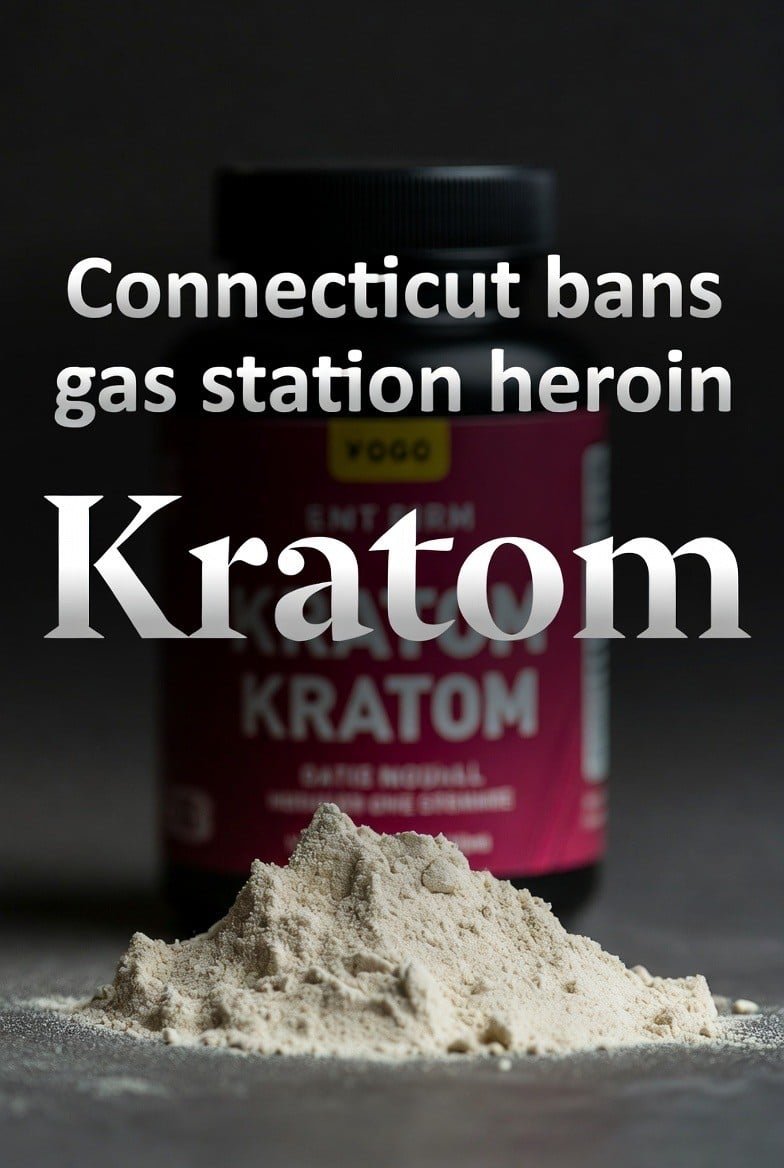
- March 25, 2026: Connecticut becomes the latest state to fully ban kratom.
- May 7, 2026: Tennessee passes legislation to ban kratom, effective July 1, 2026.
State-Level Overview: Where Does Each State Stand?
As of July 2026, eight states have fully banned kratom, while over thirty others regulate it under their respective Kratom Consumer Protection Act (KCPA) frameworks. States currently banning kratom include:
- Alabama
- Arkansas
- Indiana
- Louisiana
- Tennessee
- Vermont
- Wisconsin
- Connecticut
On the other hand, many states, including those adopting KCPA regulations, focus on safety measures like labeling, testing, and restricting 7-OH concentrations.
FAQs
To address some common inquiries regarding the kratom landscape in 2026:
Is kratom being banned in 2026?
Yes, as of 2026, several states are enacting bans on kratom, particularly in enhanced or concentrated forms, while traditional botanical kratom remains legal in many areas.
What are the implications of the DEA’s actions?
The DEA’s scheduling of specific substances will impact both the availability of kratom in some areas and the formulation of emerging products aimed at meeting consumer demand.
Is kratom still legal to use?
Kratom’s legality varies significantly by state. In states where it is legal, products must adhere to the regulatory standards set out under KCPA.
Why Trust High Wire Payments?
At High Wire Payments, we are committed to providing reliable high-risk payment solutions for the evolving world of kratom and beyond.
Expertise in High-Risk Industries
Our team possesses deep knowledge of high-risk industries, ensuring you get the right solutions and services.
Compliance-Driven Solutions
We focus on compliance, ensuring your business adheres to the latest regulations and standards.
Dedicated Support
Our dedicated team provides personalized support for your business, every step of the way.
What defines a kratom ban?
A kratom ban generally refers to legislation that prohibits the sale, possession, and manufacturing of kratom products in specific locations.
Which states currently regulate kratom?
Over thirty states have adopted regulatory frameworks like Kratom Consumer Protection Act (KCPA), defining kratom use and sales.
How can consumers stay informed?
Consumers can monitor official state websites, public health announcements, and industry news outlets to remain updated on kratom regulations.
What are the risks of using enhanced kratom products?
Enhanced kratom products may contain higher concentrations of alkaloids like 7-OH, leading to increased risks of dependence and adverse reactions.
Is the FDA involved in regulating kratom?
Yes, the FDA has taken a strong stance against kratom and has recommended scheduling certain compounds due to health concerns.
What steps can I take if I live in a banning state?
For residents in banning states, research alternate sources for obtaining lawful kratom or consider advocacy to promote changes in legislation.
Stay Informed and Prepared
Navigating the complexities of kratom regulations is essential for both consumers and merchants. Let us help you stay informed and compliant.