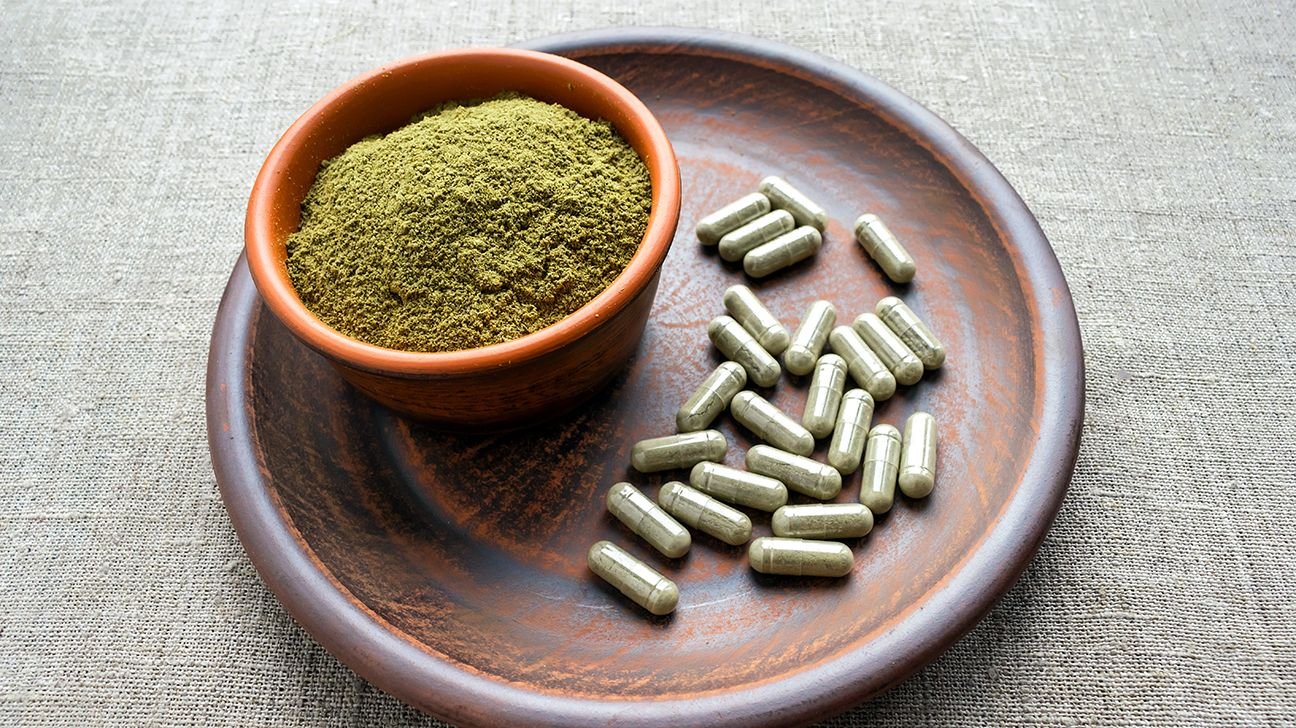
Does The Federal 7-OH Action Imply A Kratom Ban?
The recent federal action surrounding elevated 7-OH concentrations does not categorically ban kratom. Instead, it specifically restricts botanical materials that exceed set thresholds.
21+
States Served
150+
Partners
5
Years Experience
100+
Products Supported
The Federal 7-OH Action Explained
The federal action regarding 7-OH focuses on specific concentrations of this compound and its derivatives. As such, it does not result in a total ban on kratom. Instead, it emphasizes that any kratom-derived products or extracts with elevated levels of 7-OH may face legal repercussions.
The 7-OH compounds are naturally occurring and have been subjected to scrutiny under federal regulations. Recent developments and proposals have introduced a threshold level of 0.050% dry weight for kratom and its derivatives. Natural kratom leaves that fall below this limit are technically still lawful.
Understanding Mitragynine Metabolism
Mitragynine, the primary alkaloid found in kratom, can metabolize into 7-OH mitragynine, especially in the human body. This metabolic process occurs after consumption, leading to varied effects. However, what’s crucial is whether the product contains high levels of 7-OH before consumption.
Consumers must remain informed about the content of the products they are purchasing, as not all kratom products are alike. Enhanced or converted 7-OH may form in products that have undergone specific processing steps, such as extracts, concentrates, or edibles that are manipulated to increase potency.
Kratom Products and Their Legal Status
While the word “natural” on a label conveys a sense of organic integrity, it does not inherently determine a product’s legal status. The legal ramifications for kratom products depend on their content relative to the established 7-OH threshold.
Differences in Classified Products
Kratom falls into several categories based on form, processing, and preparation. FDA categories such as food, supplements, or unapproved drugs significantly influence how kratom is treated under the law. Supplements and other substances may face different compliance standards than controlled substances under the Controlled Substances Act.
| Targeted Products | Non-targeted Products |
|---|---|
| Kratom extracts with over 0.050% 7-OH | Traditional kratom leaf below 0.050% 7-OH |
| Kratom powders exceeding 7-OH limits | Kratom capsules within legal thresholds |
| Pressed kratom tablets with elevated content | Home-possessed kratom |
| Synthetic derivatives of kratom | Traditional kratom tea |
FAQs About Kratom Legality
Is traditional kratom tea legal?
Yes, traditional kratom tea remains legal if it adheres to the 7-OH concentration requirements.
Are kratom capsules affected by the 7-OH action?
Capsules containing kratom will remain legal as long as they do not exceed the specified 7-OH limits.
Can I still buy kratom extracts?
Purchasing kratom extracts is allowed, provided they comply with the 7-OH regulation.
Is kratom powder banned?
Kratom powder is not banned unless it exceeds the defined 7-OH threshold.
Can I possess kratom at home legally?
Yes, you can legally possess kratom at home as long as its composition is within legal limits set by the new action.
Is kratom available for online ordering?
Yes, kratom products can be ordered online as long as they conform to the 7-OH concentration regulations.
Stay Informed About Kratom Regulations
Ensure you understand the legal status of kratom and its applications.
Apply Now →