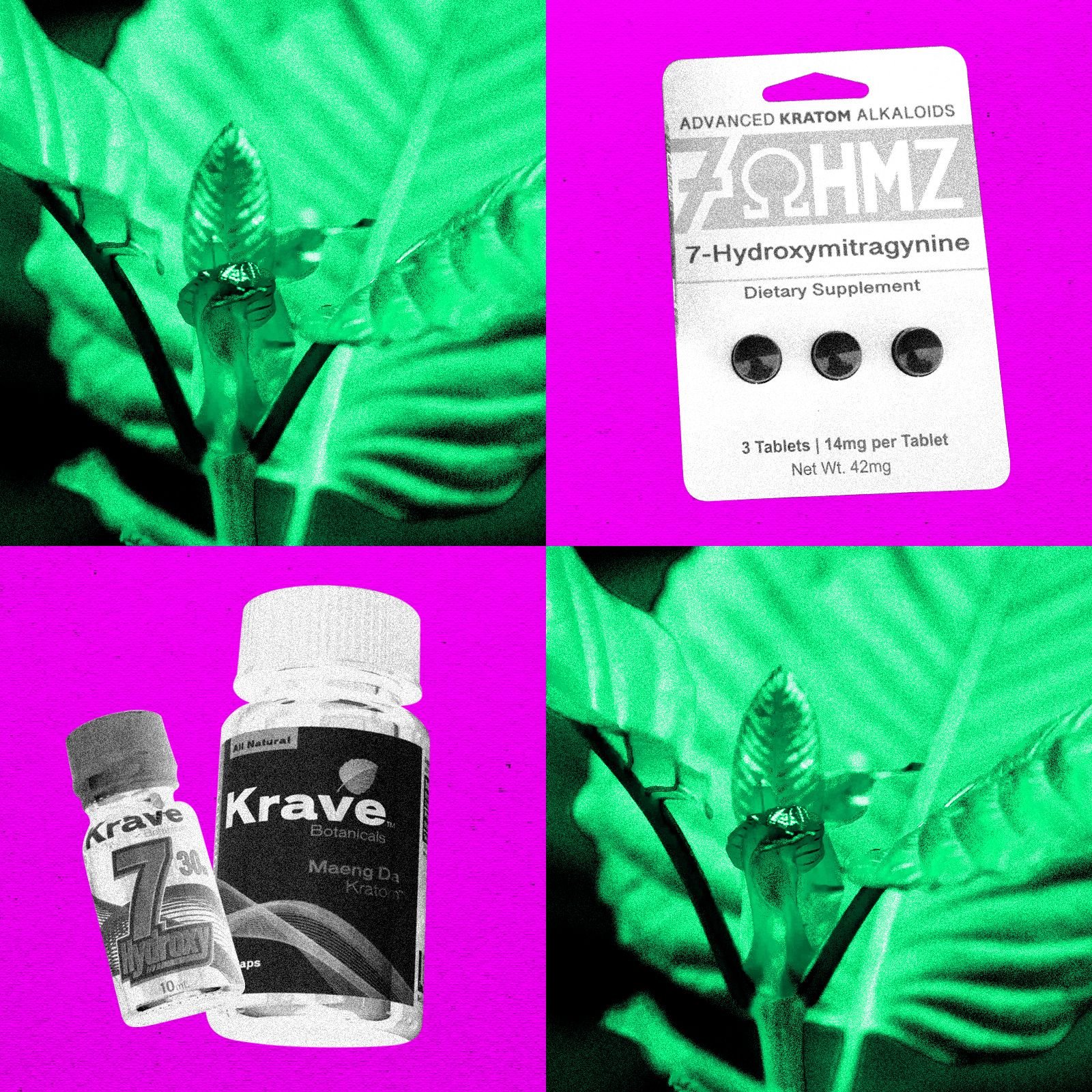
2026 DEA Action on Kratom: Understanding 7-OH, MGM-15, MGM-16, and Mitragynine Pseudoindoxyl
In July 2026, the DEA announced a reassessment of kratom-related compounds, affecting their legal classification. This article breaks down the implications and details of these changes.
4
Key Compounds
1
Federal Review
2026
Year of Action
3
Impacted Substances
Overview of the DEA’s 2026 Action
In July 2026, the Drug Enforcement Administration (DEA) announced its decision to temporarily schedule 7-OH, MGM-15, MGM-16, and Mitragynine Pseudoindoxyl as part of a broader strategy to address public health concerns associated with these substances. The announcement came as a response to increasing use and evidence suggesting that these compounds pose significant risks of addiction, dependence, and overdose.
Understanding Threshold-Based Treatment of Elevated 7-OH
The DEA’s approach includes threshold-based treatment, which refers to a designated level of a substance – in this case, 7-OH – above which it becomes a controlled substance. This means that products containing 7-OH will only be regulated if they contain concentrations above the set threshold, distinguishing between naturally occurring levels in kratom and those that are artificially enhanced in concentrated products.
Substance-Based Treatment of MGM-15, MGM-16, and Mitragynine Pseudoindoxyl
In contrast, MGM-15, MGM-16, and Mitragynine Pseudoindoxyl are being treated based on the substance itself, thereby classifying any amount of these compounds as controlled substances without consideration for natural thresholds. This reflects a critical differentiation in how substances are viewed based on their origins and potency.
Temporary Scheduling Under 21 U.S.C. 811(h)
The temporary scheduling of these substances falls under 21 U.S.C. 811(h), allowing the DEA to act swiftly due to the perceived imminent hazard to public safety that these substances pose. The benefit of temporary scheduling is to allow the DEA and other agencies time to gather further research and public input before making a more permanent scheduling decision.
Temporary scheduling is not permanent, and it is important to clarify the distinction between temporary and permanent scheduling. While temporary scheduling allows for swift action in the interest of public safety, permanent scheduling requires additional review and public comment, formalized through administrative processes.
Milestone Timeline of Events
- FDA Warnings: The FDA has released several warnings over the past few years regarding the potential dangers of high concentrations of kratom-related compounds.
- July 29, 2025: The FDA recommended the EPA take action against these substances, signaling an increasing concern from health officials.
- Federal Review: Following the FDA’s recommendation, a federal review process was initiated to explore the implications of kratom use and potential regulations.
- July 2026 Filing: The official notice was filed in July 2026, laying out the DEA’s intent to classify these substances as Schedule I.
- Comment Deadline: A public comment period will be open following the publication of the scheduling notice, allowing stakeholders to voice their opinions.
- Earliest Temporary Order Date: The temporary order is expected to take effect shortly after the comment period, pending no significant objections or changes in the data presented.
Clarifying Misleading Claims About Kratom Ban
Despite common misconceptions, it is essential to note that not all kratom is federally banned. The DEA’s action specifically targets the aforementioned synthetic and enhanced compounds, while naturally occurring kratom products remain legal as long as they comply with specified thresholds.
Why Trust High Wire Payments?
We support high-risk merchants with compliance and secure payment solutions.
Expertise in Regulation
Specialized knowledge of high-risk merchant regulations.
Compliance Support
Assistance with maintaining regulatory compliance.
Secure Payment Solutions
Reliable transactions for high-risk merchants.
Custom Support
Tailored solutions for each business’s needs.
What substances are included in the DEA’s 2026 action?
The action includes 7-OH, MGM-15, MGM-16, and mitragynine pseudoindoxyl, which are to be classified as Schedule I compounds.
Why is the DEA taking this action?
The DEA has cited public health concerns over addiction and potential overdose risks associated with these substances.
How will this affect kratom legality?
Only products containing elevated levels of these specified substances will be affected; traditional kratom products remain legal under current federal law.
When will the new rules take effect?
The new rules are expected to take effect in late summer 2026 after the public comment period concludes.
How can I voice my opinion on this ruling?
The public will have an opportunity to submit comments during the designated comment period after the publication of the scheduling notice.
Stay Informed About Kratom Regulations
Reach out for assistance navigating regulatory changes affecting your business.
Apply Now →