Navigate challenges with expertise and awareness.
High Chargeback Merchant Account Guide
Understand chargebacks, their impact, and effective management strategies for your merchant account.
20%
Average Chargeback Ratio
6+
Monitoring Programs
98%
Success Rate on Representments
24/7
Customer Support Available
High chargeback ratios pose significant challenges for merchants, particularly those in high-risk industries. This guide aims to cover essential aspects of chargebacks, including definitions, monitoring options, and effective management strategies.
Understanding Chargeback Ratios
Chargeback ratios refer to the proportion of chargebacks to total transactions. Typically, a chargeback ratio exceeding 1% can raise flags with credit card processors, potentially resulting in fees or the need for a high-risk merchant account.
Monitoring Programs
Utilizing chargeback monitoring programs is crucial for merchants who often face chargebacks. These programs help track chargeback metrics, notify you of trends, and provide insights on how to respond effectively. Popular services like RDR and Ethoca offer real-time insights into disputes, enabling merchants to take proactive measures.
Incorporating monitoring services can significantly reduce overall chargeback rates.
Chargeback Retrievals
Retrievals are requests made by a cardholder to obtain a refund from the merchant‘s account. It is essential to understand the retrieval process to adequately address potential chargebacks before they escalate. A timely response can often help negate the chances of an actual chargeback.
Representment
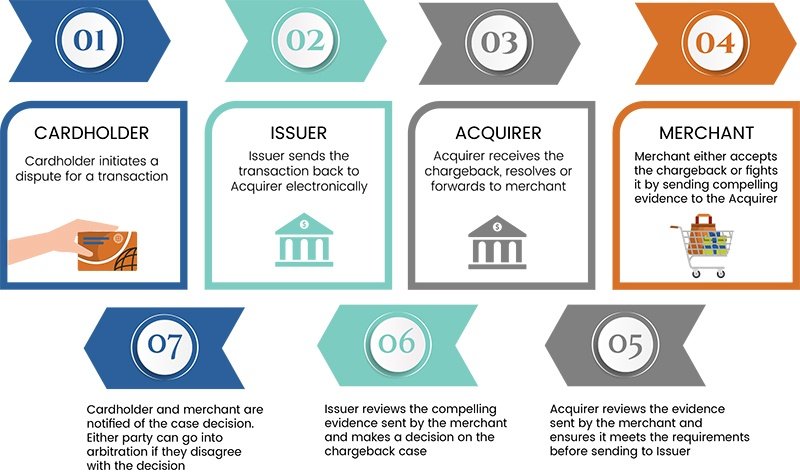
Representment refers to the process where a merchant contests a chargeback. After providing necessary evidence, the bank will review the case. Success in representment often hinges on having clear documentation and an understanding of the reason why the chargeback was initiated.
Merchants typically see a success rate of around 98% when the documentation is well-prepared and efficiently managed.
Understanding RDR and Ethoca Alerts
RDR (Risk Decisioning Reporting) and Ethoca are effective tools that help merchants manage their chargebacks. Ethoca alerts notify merchants of transaction disputes before they escalate, allowing proactive responses. RDR analyzes past transaction data to provide risk assessments. By integrating these tools, merchants can minimize potential losses.
Implementing 3D Secure
3D Secure is an authentication protocol that adds an extra layer of security during online transactions. By implementing this technology, merchants can verify the identity of cardholders, ultimately reducing fraud and chargebacks.
Clear Descriptor Practices
Maintaining descriptor clarity on bank statements is crucial. If customers recognize charges and understand what they are for, the likelihood of a chargeback decreases significantly. Ensure your business name is easily identifiable and informative to avoid confusion.
Establishing Ample Refund Policies
Implementing clear and customer-friendly refund policies can also mitigate chargebacks. Ensure that customers are aware of these policies upon purchase, and consider having them agree to the terms explicitly. Being transparent about refund processes can foster trust.
Underwriting Expectations
When applying for a high chargeback merchant account, understanding underwriting expectations is vital. Lenders will review several factors, including chargeback ratios, business history, type of products sold, and refund policies. Be prepared to provide documentation that supports your business operations and financial health.
Why Trust High Wire Payments?
Our expertise empowers your business in high-risk payments.
Customized Solutions
We tailor our services to meet the unique needs of your business.
Fast Application Process
Our streamlined application ensures quick approval times to get you started.
Dedicated Support
Our team is available 24/7 to assist you with any inquiries you may have.
Compliance Assurance
We ensure that your transactions stay compliant with industry regulations.
Robust Security
Advanced security protocols to keep your financial information safe.
Transparent Pricing
No hidden fees — you know exactly what you’re paying for.
What causes chargebacks?
Chargebacks can result from fraud, customer dissatisfaction, or failure to recognize a transaction.
How can I reduce chargebacks?
Implement clear communication, accurate descriptors, and excellent customer service.
What is a high chargeback ratio?
Generally, a chargeback ratio over 1% is considered high, indicating a risk for the merchant.
Can chargebacks be prevented?
While not all chargebacks can be prevented, proactive measures such as clear refund policies can help.
What documentation do I need for representment?
Keep records of transaction details, customer correspondence, and proof of delivery to support your case.
How often should I monitor my chargeback ratio?
Regularly tracking chargeback ratios can help identify trends and areas for improvement.
Take Control of Your Chargeback Risks
High chargebacks can detrimentally affect your business. Apply Now for a specialized high-chargeback merchant account!