Essential information for high-risk merchants.
MATCH List and TMF Merchant Account Guide
Explore crucial insights into the Mastercard MATCH list and Terminated Merchant File (TMF), safeguarding your business from compliance issues.
*
Merchants Supported
*
Years of Experience
*
Services Offered
*
Happy Clients
The Mastercard MATCH List and the Terminated Merchant File (TMF) are essential components of the payment processing environment. This guide will cover the essential aspects of these lists, including verification processes, reasons for being placed on the list, and processing options available to merchants.
What Is the Mastercard MATCH List?
The Mastercard MATCH List is a database created by Mastercard to identify merchants that have been flagged for compliance violations. These compliance issues can include fraud, chargebacks, or non-compliance with card brand rules. Being on the MATCH list can hinder a merchant‘s ability to obtain a merchant account or a payment processor.
What Is the Terminated Merchant File (TMF)?
The Terminated Merchant File (TMF) is another important list maintained within the payment processing industry. This file typically contains information on merchants whose accounts have been terminated by their acquiring banks. The reasons for termination can vary but often relate to suspected fraud or violating the terms of their merchant agreement.
Common Reasons for MATCH List and TMF Listings
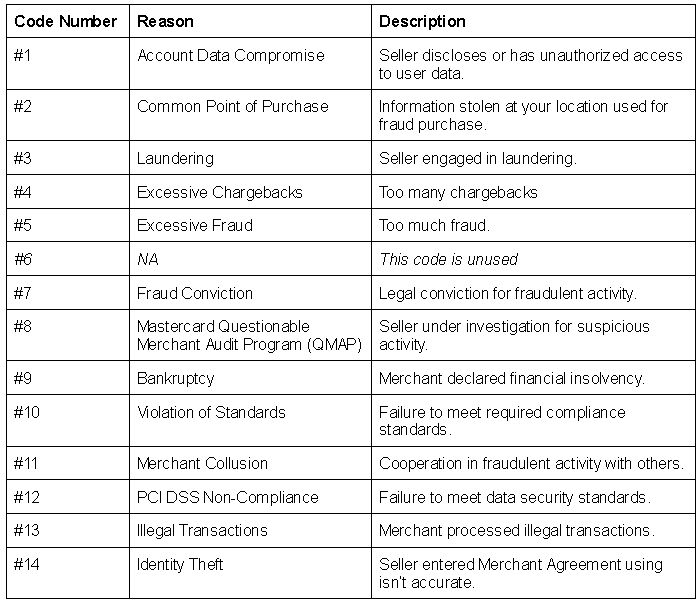
Merchants may find themselves on the MATCH List or TMF for various reasons. Here are some common reason codes:
- Excessive Chargebacks: If a merchant has a high chargeback ratio, they may be flagged.
- Fraudulent Activity: Engaging in fraudulent practices will get a merchant on the lists.
- Contract Violations: Breaching the terms of a merchant agreement can lead to termination.
- Non-Compliance: Failing to comply with PCI standards or other regulatory requirements can result in listings.
- Bankruptcy: Filing for bankruptcy may also prompt inclusion on the TMF.
How Long Do Records Remain on the MATCH List and TMF?
Records on the MATCH List and TMF are not temporary. They may persist for up to five years after a merchant has been terminated. However, the duration can vary based on the specific circumstances surrounding the termination.
How Can Merchants Verify Their Listing?
To verify if they are listed, merchants should contact their payment processor or acquiring bank. They can request information on their status on the MATCH list or TMF. Often, accompanying documentation or notification exists that will inform merchants of their status and any possible corrective actions they can take.
What Processing Options Exist for Merchants on the MATCH List?
Despite being on the MATCH List, merchants still have some processing options available:
- High-Risk Merchant Accounts: These accounts cater specifically to high-risk businesses, accepting merchants who are on the MATCH list.
- Third-Party Processors: Alternative processors may work with high-risk merchants, providing services on a case-by-case basis.
- Payment Aggregators: These platforms may allow merchants to run transactions without needing their own merchant accounts.
It’s crucial to seek merchant account solutions that suit your needs and ensure compliance.
Why Trust High Wire Payments?
High Wire Payments provides tailored solutions for high-risk merchants.
Expertise in High-Risk Payments
We understand the complexities of high-risk industries and offer specialized support.
Customized Solutions
Our solutions are catered to the unique needs of your business.
Robust Compliance Support
We help keep your business compliant with all industry regulations.
Dedicated Support
Our team is available to assist you with all your payment processing needs.
Proven Track Record
We have successfully assisted numerous high-risk merchants.
Flexible Processing Options
We offer various payment solutions suited for high-risk merchants.
What are the consequences of being on the MATCH list?
Being on the MATCH list can significantly affect a merchant’s ability to obtain processing services.
How can I remove myself from the MATCH list?
You can take steps to resolve compliance issues and then appeal to your acquiring bank.
What types of businesses are more likely to end up on the TMF?
Businesses that deal with high-risk products or have a higher volume of chargebacks.
Will being removed from the MATCH list guarantee services?
No, each processor has specific criteria to evaluate applications and may choose not to offer services.
Who can view the MATCH list?
Only authorized parties such as acquiring banks can access the MATCH list information.
Can I still operate if I’m on the TMF?
Yes, but you may face limitations with certain payment processors.