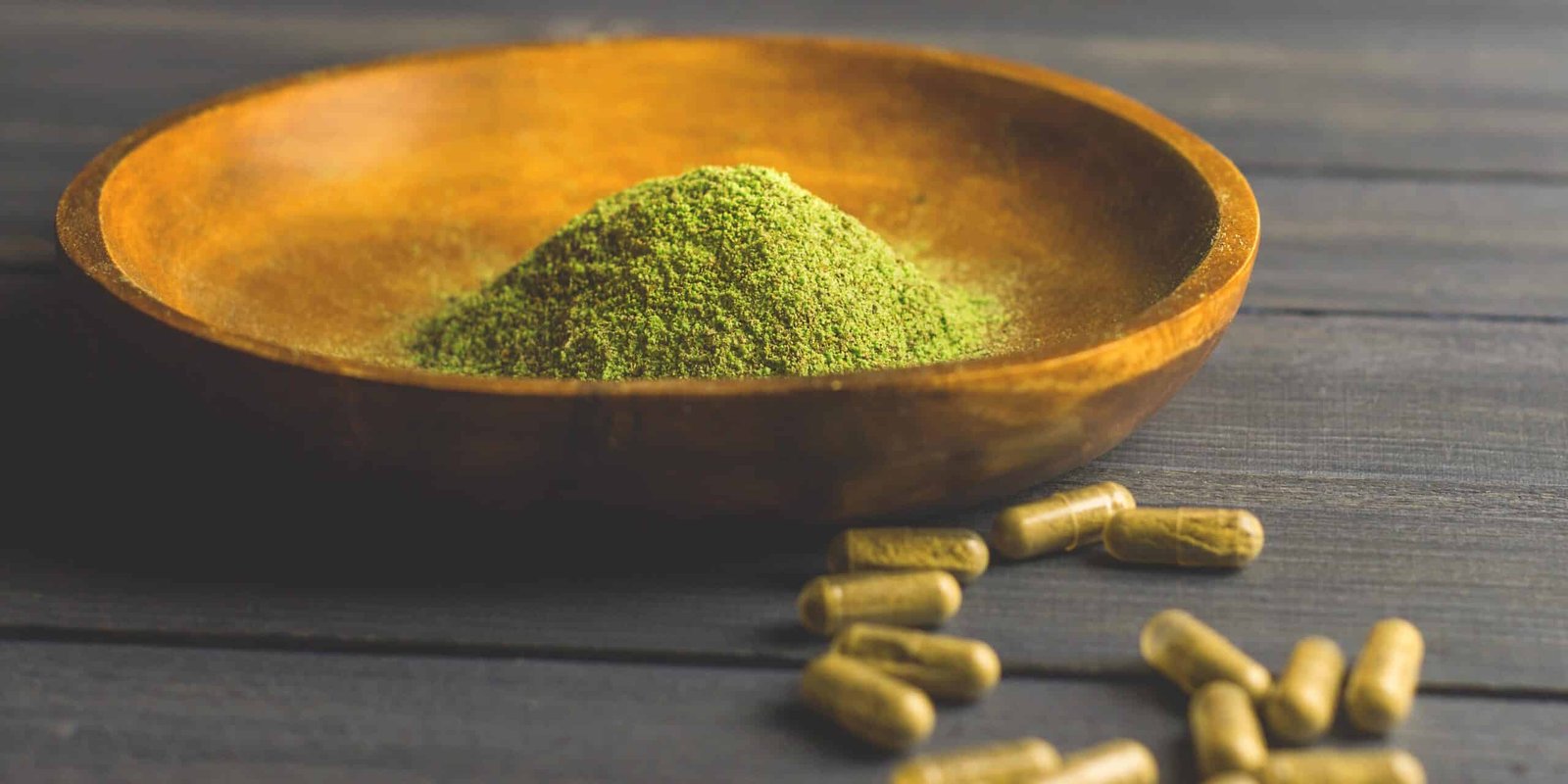
SF0056 and HB0185 show why processors are reviewing Wyoming kratom files closely. Merchants should document age controls, labels, COAs, refund terms, and inventory practices before applying.
Wyoming kratom payment processing for high-risk merchants
Wyoming kratom sellers face changing 2026 legislative attention, 21+ retail expectations, labeling scrutiny, 7-OH concerns, and elevated card-brand review. High Wire Payments helps retailers, smoke shops, and ecommerce merchants prepare files that address underwriting, chargebacks, age controls, and product documentation.
WY
state market
21+
proposed age floor
2026
active bills
7-OH
underwriter focus
Wyoming kratom payment processing requires more preparation than a standard retail merchant account, especially for operators in Cheyenne, Casper, Laramie, Gillette, Rock Springs, and Sheridan. Kratom is sold in Wyoming through smoke shops, convenience stores, gas stations, supplement retailers, and online storefronts, but the category is receiving closer attention from lawmakers, public health officials, law enforcement, and acquiring banks. For a processor, the issue is not simply whether a store has customers. The file has to show what products are sold, how age is verified, how labels are reviewed, how 7-hydroxymitragynine products are handled, and how chargebacks are controlled.
The 2026 Wyoming legislative session placed kratom squarely in the risk conversation. Research identified Wyoming SF0056, described by the Wyoming Legislature as a bill relating to food and drugs that would regulate the sale, testing, and use of kratom products and authorize the Department of Health and local law enforcement involvement. Research also identified HB0185, described in bill tracking as the Kratom Product Prohibition Act, which would prohibit the manufacture, sale, distribution, or possession of kratom products. Those competing approaches matter to underwriting because they show that Wyoming is not a passive market.
Wyoming Public Media reported on February 17, 2026 that state senators were backing a bill that would ban kratom while a similar effort in the House had failed. The same report described local concern in Fremont County, where the county coroner brought mitragynine and 7-hydroxymitragynine products to commissioners and raised concerns that, without Wyoming rules, kratom could be sold without age limits. For a merchant in Cheyenne or Casper, that kind of public record can influence payment review even before a final law changes. Underwriters often respond to legislative activity by requesting stronger documentation.
High Wire Payments does not provide legal advice and does not guarantee approval. Wyoming kratom merchants should monitor SF0056, HB0185, Department of Health guidance, county action, and municipal requirements before selling or shipping kratom products.
why Wyoming kratom merchants are reviewed as high risk
Kratom merchants are usually classified as high risk because the product sits between retail supplements, botanicals, convenience store inventory, and controlled-substance policy debates. Wyoming adds another layer because the state has visible public discussion around kratom-related incidents, 7-OH products, impaired driving concerns, and possible statutory changes. A shop in Laramie that sells powder, capsules, and shots may look similar to a shop in another state, but an underwriter will still ask how Wyoming law is being monitored and whether the merchant has a policy for removing restricted products if the legal environment changes.
The Cowboy State Daily reported in August 2025 that kratom products were widely available in Wyoming at gas stations, convenience stores, vape shops, and herbal supplement aisles, while quality could vary dramatically because the products were not regulated at that time. The article quoted a Laramie County Sheriff’s Office lieutenant who trains officers statewide to recognize impaired driving and had seen kratom-related DUIs in another state. Payment companies do not decide public health policy, but they do consider reputational risk, law enforcement concern, product variability, and consumer complaint patterns when reviewing kratom accounts.
For Wyoming retailers, high-risk underwriting is also driven by product format. Traditional dried leaf powder may be reviewed differently than highly concentrated extracts, shots, gummies, beverages, or products marketed around 7-OH. The Rockefeller Institute of Government noted in April 2026 that state policy approaches are increasingly fragmented, with states considering bans, scheduling of kratom or 7-OH, and regulated sale frameworks. That fragmentation affects ecommerce merchants shipping from Rock Springs or Sheridan because a Wyoming website may receive orders from states, counties, or cities where kratom is restricted.
what SF0056, HB0185, and local concern mean for processing
Wyoming SF0056 is important for processors because the legislative summary identified regulation of kratom products and a restriction on sales to individuals under 21 years of age. Even when a bill is still moving or being debated, underwriters may treat its standards as a useful baseline. A Wyoming merchant that can already show 21+ point-of-sale controls, online age gates, delivery restrictions, staff training, and ID-check policies will generally present a cleaner file than a merchant that sells kratom like an ordinary snack or beverage product.
HB0185 is important for a different reason. The research describes it as a prohibition proposal that would ban manufacture, sale, distribution, or possession of kratom products. A prohibition proposal does not automatically mean a merchant is operating illegally, but it does create policy risk. Processors want to know whether the business owner has a contingency plan, whether inventory is monitored by SKU, whether the website can disable Wyoming shipping or out-of-state shipping quickly, and whether the merchant is relying on products that may be singled out by future rules.
Local concern also matters. Wyoming Public Media reported that Fremont County officials discussed kratom after the county coroner raised concerns, including 7-hydroxymitragynine potency and the absence of state-level restrictions at that time. The report noted that without state law allowing local regulations, commissioners and counsel faced limits on what they could do locally. That is not the same as a municipal ban in Cheyenne, Casper, or Gillette, but it shows that county-level attention can create merchant risk. Operators should track county agendas, city council developments, and law enforcement statements.
If Wyoming law changes, payment risk changes quickly. Merchants should maintain a written legal-monitoring process, a product-removal procedure, and documented age-verification steps rather than waiting for an acquiring bank to request them.
age controls, labels, COAs, and 7-OH product review
Age control is one of the most important Wyoming kratom underwriting topics because SF0056 is described as restricting retailer sales to people under 21. A brick-and-mortar shop in Cheyenne or Casper should be able to show a written 21+ policy for kratom, staff training logs, register prompts, ID-check signage, and a policy for refusing sales. A website should include an age gate, age language in checkout, restricted-product shipping rules, and a fulfillment process that does not rely only on a customer checking a box. These controls help show intent and consistency.
Labels are equally important because Wyoming’s debate includes concern about unclear packaging, dosage information, and the difference between mitragynine and 7-hydroxymitragynine. Underwriters may ask for front and back label images for powders, capsules, shots, gummies, tablets, and beverages. Labels should avoid disease claims, opioid-withdrawal claims, cure language, and unsubstantiated therapeutic promises. They should identify ingredients, serving information, warnings, manufacturer or distributor details, lot numbers when available, and any age restriction language required by vendor policy or applicable law.
Certificates of analysis are another practical requirement. A Wyoming merchant does not have to manufacture kratom to be asked for COAs. Retailers in Laramie, Gillette, Rock Springs, and Sheridan may need to obtain supplier documentation showing testing for alkaloid profile, contaminants, heavy metals, microbes, and adulterants. If products include enhanced extracts or 7-OH-oriented packaging, the merchant should expect deeper review. High Wire Payments encourages operators to maintain a current SKU list that links each product to the latest COA, label image, supplier invoice, and sales channel where it appears.
documents Wyoming kratom merchants should prepare
A strong Wyoming kratom merchant file should make the business easy to understand. Underwriters are not only reviewing the owner’s credit profile or processing volume. They are reviewing whether the company can sell a controversial botanical without misleading consumers, ignoring age restrictions, shipping into restricted markets, or generating excessive disputes. A Cheyenne smoke shop with a small kratom shelf and a Casper ecommerce retailer with concentrated extract products may need different processing structures, but both should be ready to document ownership, inventory, sales practices, refund policies, and compliance oversight.
- Wyoming business registration, trade name filings, and ownership information
- Government-issued owner identification and beneficial ownership details
- Current storefront address, lease, utility bill, or warehouse documentation
- Complete kratom SKU list with powders, capsules, extracts, shots, gummies, and beverages separated
- Supplier invoices showing product source, distributor name, and recent purchasing history
- Certificates of analysis for each active kratom product, including alkaloid and contaminant testing when available
- Front and back label images showing ingredients, warnings, serving information, and age language
- Written 21+ sales policy for retail, ecommerce, delivery, and curbside pickup
- Website terms, refund policy, privacy policy, shipping policy, and restricted-state shipping controls
- Three to six months of processing statements or bank statements showing volume and chargeback history
Merchants should also prepare a short compliance narrative. This is a plain-language explanation of what the business sells, where it sells, which Wyoming cities or counties it serves, who supplies the products, how age is checked, and how staff handle customer questions. The narrative should mention whether the merchant sells 7-OH products, whether products are behind the counter, and whether the website blocks restricted jurisdictions. A concise narrative can prevent back-and-forth delays because it answers the first questions a risk analyst is likely to ask.
chargebacks, descriptors, and ecommerce controls for Wyoming sellers
Chargebacks are a major reason kratom accounts receive elevated review. Consumers may dispute a transaction because they do not recognize the billing descriptor, object to product effects, claim delayed delivery, or regret a subscription-style purchase. Wyoming merchants can reduce preventable disputes by using clear descriptors, itemized receipts, visible refund terms, shipment tracking, and customer service response logs. For kratom, a vague descriptor can be especially risky because cardholders may not connect a bank statement charge to a smoke shop purchase or a botanical website order.
Ecommerce sellers need additional controls because cross-border legality is complicated. The Rockefeller Institute noted that states are taking conflicting approaches to kratom, including bans, scheduling, and regulated sale models. A Wyoming website shipping from Rock Springs to customers across the country should not assume that legal review ends at the Wyoming border. Underwriters may ask whether the cart blocks prohibited states, whether the merchant reviews local restrictions, and whether the checkout page prevents sales to minors. They may also request screenshots of product pages to confirm marketing language.
Retailers with mixed inventory should separate kratom risk from accessories, tobacco, hemp, CBD, and general convenience goods wherever possible. A Gillette smoke shop might process many low-risk accessory transactions, but kratom can affect the entire file if product controls are weak. High Wire Payments can help structure an application so the processor understands the actual mix of inventory, average ticket, expected monthly volume, refund policy, and fulfillment model. That does not remove underwriting scrutiny, but it gives the acquiring bank a more accurate risk picture.
Wyoming kratom merchant preparation checklist
Before applying for kratom payment processing in Wyoming, owners should complete a practical readiness review. The goal is not to create paperwork for its own sake. The goal is to show that the merchant understands the Wyoming policy environment, monitors SF0056 and HB0185 developments, sells only documented inventory, uses age controls, avoids prohibited claims, and can respond quickly if a product, jurisdiction, or supplier becomes unacceptable to a processor.
- Confirm current Wyoming legal status with counsel and monitor SF0056, HB0185, Department of Health activity, and local developments.
- Adopt a written 21+ kratom sales policy for all Wyoming retail locations and online transactions.
- Move kratom products behind the counter or into a controlled display area when practical, especially in mixed smoke shop and convenience settings.
- Create a live SKU spreadsheet that identifies powders, capsules, extracts, beverages, gummies, and any 7-OH-related products.
- Collect current COAs, supplier invoices, and label images before submitting a merchant application.
- Remove disease claims, opioid-withdrawal claims, cure language, and aggressive effect claims from packaging photos, websites, menus, and social content.
- Add clear refund, shipping, privacy, and terms pages to ecommerce sites, with restricted-jurisdiction language where applicable.
- Use a recognizable billing descriptor and train staff to explain receipts, returns, and customer support channels.
- Set internal chargeback alerts before ratios become a card-brand or acquiring-bank problem.
- Review every new kratom supplier, extract, shot, or 7-OH product before adding it to the sales floor or website.
High Wire Payments works with Wyoming kratom merchants that want a compliance-aware review before they submit a high-risk merchant account application. If you operate in Cheyenne, Casper, Laramie, Gillette, Rock Springs, Sheridan, or another Wyoming market, our team can review your product list, age-control process, labels, COAs, website, and chargeback history so your file is organized for realistic underwriting.
Wyoming kratom markets we review
We support application preparation for retailers and ecommerce sellers in Cheyenne, Casper, Laramie, Gillette, Rock Springs, Sheridan, and surrounding Wyoming communities.
How High Wire supports Wyoming kratom files
Our review focuses on the specific risk controls acquirers ask about when Wyoming kratom legislation, age limits, labeling, and 7-OH products are part of the conversation.
Legislative risk notes
We help merchants summarize Wyoming-specific risk, including SF0056, HB0185, and local concern reported in Fremont County. The summary can be included with the application so underwriters see that the operator is monitoring the market.
21+ control review
We review point-of-sale prompts, ID-check procedures, age-gate screenshots, checkout language, and staff policy documents. This is especially important because SF0056 is described as restricting kratom sales to people under 21.
SKU and 7-OH screening
We help organize powders, capsules, extracts, shots, gummies, beverages, and 7-OH-oriented products into a clear underwriting spreadsheet. Riskier formats can be flagged before they surprise an acquiring bank.
Label and claims cleanup
We review product pages and label photos for disease claims, opioid-withdrawal claims, cure language, missing warnings, and unclear ingredient presentation. The goal is to reduce avoidable compliance objections during review.
Chargeback monitoring setup
We help merchants build chargeback tracking with early alerts around 0.7% so issues can be addressed before they reach card-brand thresholds. Descriptor clarity, refund terms, and response documentation are part of the review.
Ecommerce restriction checks
For Wyoming online sellers, we review restricted-state shipping language, cart controls, terms pages, and product-page screenshots. This helps address the fragmented national kratom policy landscape noted by the Rockefeller Institute.
Is kratom legal to sell in Wyoming?
Wyoming has been actively considering kratom legislation, including SF0056 for regulation and HB0185, described as the Kratom Product Prohibition Act. Merchants should confirm current status with counsel because pending bills, local concerns, and enforcement posture can affect both legality and processing.
Do Wyoming kratom retailers need a separate state license?
The research does not identify a current Wyoming kratom-specific license requirement. However, SF0056 was described as regulating the sale, testing, and use of kratom products, so merchants should monitor whether licensing, registration, or Department of Health requirements are added.
What is the minimum age to buy kratom in Wyoming?
SF0056 is described as restricting retailers from selling kratom products to individuals under 21 years of age. Even before final rules are settled, Wyoming merchants should consider using 21+ ID checks because processors may treat that as a baseline risk control.
Will a Wyoming kratom shop be approved by a standard processor?
Many standard processors decline or freeze kratom accounts because of legal uncertainty, chargeback risk, labeling concerns, and card-brand scrutiny. A high-risk review does not guarantee approval, but it allows the merchant to present age controls, COAs, labels, and policies in the format underwriters expect.
Are 7-OH products a problem for Wyoming underwriting?
Yes, 7-hydroxymitragynine products can receive deeper review because Wyoming public reporting specifically discussed 7-OH potency and legislative concern. Merchants should identify any 7-OH products separately and be prepared to provide labels, COAs, supplier invoices, and a removal plan.
Can a Cheyenne or Casper smoke shop sell kratom behind the counter?
Behind-counter placement is a practical risk control, especially for 21+ products in mixed inventory stores. It does not replace legal compliance, but it helps show processors that the merchant is controlling access and not treating kratom like an ordinary impulse item.
Can Wyoming ecommerce merchants ship kratom to other states?
Only if the destination is legally permitted and the merchant has a reliable restricted-shipping process. Because state and local kratom rules vary widely, Wyoming ecommerce sellers should use cart restrictions, restricted-jurisdiction language, and periodic legal review.
What documents will High Wire ask for from a Wyoming kratom merchant?
Expect to provide entity documents, owner ID, a SKU list, supplier invoices, COAs, label photos, 21+ sales policies, website screenshots, refund and shipping terms, and recent processing statements. The exact list depends on whether the business is retail, ecommerce, or both.
Do Wyoming kratom merchants need COAs for every product?
Processors commonly ask for COAs because they help document product source, alkaloid profile, and contaminant testing. A retailer in Laramie, Gillette, Rock Springs, or Sheridan should maintain current COAs by SKU, even when the products come from third-party suppliers.
Why do chargebacks matter so much for kratom payment processing?
Kratom disputes can come from unclear descriptors, delivery issues, refund confusion, or consumer dissatisfaction. Wyoming merchants should use recognizable billing descriptors, clear refund terms, shipment tracking, and early chargeback alerts to keep ratios under control.
Prepare your Wyoming kratom merchant file
High Wire Payments can review your Wyoming kratom operation for underwriting readiness, including SF0056 and HB0185 risk notes, 21+ controls, product labels, COAs, 7-OH exposure, ecommerce restrictions, and chargeback history. Start with a document review before you submit.