We do not support unlawful kratom sales in Wisconsin. We help merchants document legal product lines, remove prohibited SKUs, and prepare high-risk processing files for permitted smoke shop, CBD, hemp, nutraceutical, and alternative inventory.
Wisconsin kratom payment processing for high-risk merchants
Kratom is restricted in Wisconsin because mitragynine and 7-hydroxymitragynine are treated as controlled substances. High Wire Payments helps Wisconsin smoke shops, ecommerce sellers, CBD, hemp, and supplement retailers evaluate compliant payment options where legally permitted, with underwriting, chargeback controls, age controls, labeling review, and risk documentation.
WI
Serving Wisconsin businesses where legally permitted
2014
Wisconsin controlled-substance treatment of kratom alkaloids
21+
Recommended age-control standard for smoke shop risk files
0.7%
Chargeback alert threshold we help monitor
Wisconsin kratom payment processing requires a different conversation than most state pages because kratom is restricted in Wisconsin. The state has treated the primary kratom alkaloids mitragynine and 7-hydroxymitragynine, commonly called 7-OH, as controlled substances since a 2014 law change. That means a merchant in Milwaukee, Madison, Green Bay, Kenosha, Racine, Appleton, Waukesha, Eau Claire, Oshkosh, or Janesville should not approach payment processing as if Wisconsin were a standard regulated kratom market. High Wire Payments serves Wisconsin businesses where legally permitted, but our review begins with the question underwriters will ask first: what exactly are you selling, where is it shipped or delivered, and is every product line lawful in the customer’s jurisdiction?
This page is written for Wisconsin smoke shops, vape retailers, ecommerce sellers, supplement stores, convenience retailers, and high-risk merchants that may have searched for kratom merchant services but need compliant guidance. Some operators are transitioning away from kratom SKUs, some sell hemp-derived CBD or smoke shop accessories, and others operate online catalogs that must geofence Wisconsin while shipping lawful products to states where those products are permitted. The payment question is not only whether a processor can board the account. It is whether the merchant can provide a defensible underwriting file, product list, refund policy, age-gating process, labeling controls, and chargeback prevention plan.
High Wire Payments does not provide legal advice and does not claim that kratom can be sold in Wisconsin. We help merchants understand how acquirers, sponsor banks, gateways, and card-brand risk teams evaluate businesses connected to kratom, hemp, CBD, smoke shop inventory, and nutraceutical products. If a Wisconsin business sells only permitted products, or if an ecommerce business lawfully sells to other states while excluding Wisconsin orders, we can review the business model for processing options. If prohibited kratom inventory is present in a Wisconsin storefront or available for Wisconsin checkout, the first step is remediation, not payment placement.
Research sources identify Wisconsin as a statewide kratom-ban state, with mitragynine and 7-hydroxymitragynine treated as controlled substances since 2014. High Wire Payments supports lawful high-risk processing only. Wisconsin merchants should consult qualified counsel and state or local authorities before selling, advertising, shipping, or accepting payments for kratom-related products.
why Wisconsin kratom processing is treated as high risk
Kratom is high risk nationally because the legal landscape changes by state, county, city, product format, and ingredient profile. In Wisconsin, the risk is more direct: processors will see the state’s controlled-substance treatment of mitragynine and 7-OH as a major underwriting concern. Even if a merchant believes a product is a botanical, supplement, tea, or novelty item, payment reviewers look at ingredient panels, website copy, product names, supplier documentation, and checkout availability. If the product contains kratom leaf, kratom extract, mitragynine, or 7-OH and the merchant is selling into Wisconsin, most compliant processors will not board that activity.
The national policy environment reinforces that caution. The Rockefeller Institute of Government reported on April 8, 2026 that state lawmakers continue to take three broad approaches to kratom: bans, scheduling through controlled-substance laws, or regulated sale through consumer protection frameworks. Wisconsin was listed among states that had previously banned kratom. A separate 2026 overview cited full statewide bans in Alabama, Arkansas, Connecticut, Indiana, Louisiana, Vermont, and Wisconsin. Underwriters pay attention to those categories because card networks expect merchants to comply with federal, state, and local law in every market they serve.
Medical and public policy data also affect payment risk. The Medical College of Wisconsin reported from Milwaukee on April 29, 2026 that kratom exposures reported to America’s Poison Centers increased from 19 cases in 2010 to 1,242 cases in 2023, a more than 65-fold increase, and that severe outcomes reached 158 cases in 2023. Payment processors are not public health regulators, but these data points influence sponsor-bank concerns about claims, returns, disputes, reputational risk, and product monitoring. That is why even lawful kratom merchants in regulated states often face enhanced due diligence, reserve discussions, and ongoing website audits.
serving Wisconsin smoke shops, CBD, hemp, and supplement sellers where permitted
Many Wisconsin merchants that search for kratom payment processing are actually mixed-inventory businesses. A smoke shop in Milwaukee may sell tobacco accessories, glassware, rolling papers, vape accessories, CBD topicals, apparel, and novelty products. A retailer in Madison or Green Bay may operate both a storefront and a Shopify, WooCommerce, BigCommerce, or custom ecommerce site. A supplement store in Appleton, Waukesha, or Eau Claire may sell vitamins, protein powders, herbal blends, and wellness products that require careful FDA disclaimer language. High Wire Payments reviews the full inventory mix and separates prohibited products from potentially supportable high-risk categories.
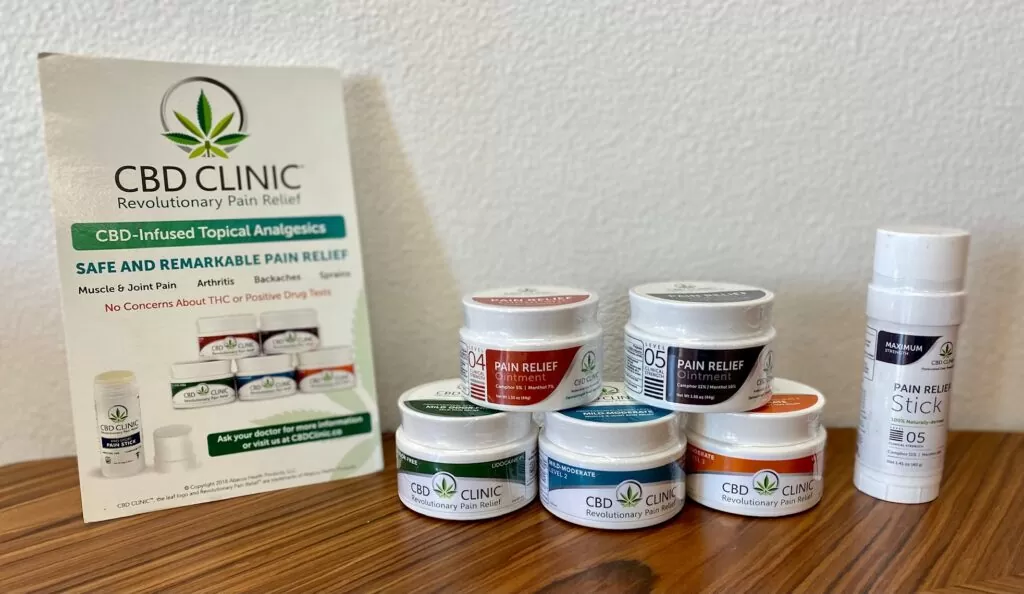
For CBD and hemp-derived products, underwriting focuses on source documentation, certificates of analysis, THC limits, shipping controls, labeling, return policies, and whether the merchant makes disease, pain, anxiety, sleep, opioid-withdrawal, or treatment claims. For smoke shops, the review adds age controls, 21+ signage or age-gated checkout, restricted product categories, accessories, and chargeback exposure. For nutraceutical merchants, underwriters look for dietary supplement disclaimers, ingredient transparency, compliant structure-function language, and a process for removing unsupported medical claims. These controls do not make an unlawful kratom product lawful in Wisconsin, but they can help a business process payments for permitted inventory.
A practical example is a Kenosha or Racine retailer that previously carried kratom but now wants to continue operating as a smoke shop with legal accessories, CBD products, and supplements. The business may need to remove kratom SKUs from the point-of-sale system, update website navigation, delete product photos, revise social media promotions, document supplier changes, and provide a signed attestation that prohibited products are not sold in Wisconsin. Another example is an ecommerce company based in Janesville that sells lawful hemp accessories nationwide but blocks restricted products by state. That merchant will need checkout controls, shipping rules, and product-level documentation before an underwriter can evaluate the account.
Search results and review sites may still show Wisconsin listings that mention kratom, including smoke shop or head shop categories. Those listings are not legal authority. A processor will rely on statutes, controlled-substance rules, product documentation, website review, and merchant attestations, not a Yelp category or legacy business description.
underwriting expectations for Wisconsin high-risk merchants
Underwriting for a Wisconsin merchant connected to kratom keywords usually starts with a product audit. The processor will ask for a complete SKU list, website URL, social media handles, supplier invoices, labels, COAs where applicable, refund policy, fulfillment model, and customer support contacts. If the merchant operates in Milwaukee, Madison, Green Bay, or another Wisconsin city, the review must show that kratom, mitragynine, and 7-OH products are not being sold in violation of Wisconsin restrictions. If the merchant sells into other states from a Wisconsin-based ecommerce operation, the review must show where sales are allowed, where they are blocked, and how the merchant keeps restricted jurisdictions out of checkout.
Card payments create a permanent record. Product names on invoices, descriptors on cardholder statements, URLs on hosted checkout pages, and customer complaint language all become evidence of what the merchant is really selling. A business cannot present itself as a general wellness store while using landing pages that promote kratom shots, 7-OH tablets, enhanced extracts, or opioid-like effects. High Wire Payments helps merchants identify those conflicts before a file goes to a bank. That may include rewriting product descriptions, adding age gates, removing prohibited claims, segmenting legal inventory, or deciding that the current business model is not boardable.
A strong Wisconsin high-risk file is specific. It explains whether sales are card-present retail, ecommerce, recurring subscription, wholesale, or event-based. It identifies monthly volume, average ticket, high ticket, refund percentage, chargeback ratio, fulfillment time, and customer service hours. It includes proof of business registration, owner identification, bank statements, processing statements if available, and policies that match the actual product category. When a merchant has a history of kratom sales, underwriters may request a remediation timeline showing when Wisconsin kratom products were removed and how staff were trained to prevent future violations.
documents to prepare before applying
Preparation matters because high-risk processors often decline files that appear incomplete, inconsistent, or evasive. Wisconsin merchants should not wait for an underwriter to discover prohibited kratom references on a footer, menu page, old blog post, Google Business description, abandoned product image, or social profile. Before applying, review every sales channel and remove products and claims that are not lawful or supportable. If your current business is a smoke shop, CBD store, hemp accessories seller, or supplement retailer, make that legal inventory clear and documented.
- Complete product list showing each SKU, category, active sales channel, and whether the item is sold in Wisconsin or blocked by jurisdiction
- Written confirmation that kratom, mitragynine, 7-hydroxymitragynine, and 7-OH products are not sold in Wisconsin if the business operates there
- Supplier invoices and vendor agreements for CBD, hemp, smoke shop accessories, supplements, or other permitted high-risk products
- Certificates of analysis for hemp-derived products where applicable, including cannabinoid profile and THC information
- Current product labels, ingredient panels, warning language, serving directions, and dietary supplement disclaimers where relevant
- Age-verification procedures for 21+ smoke shop, hemp, vape-adjacent, or restricted inventory, including in-store ID checks and ecommerce age gates
- Website screenshots or staging links showing updated navigation, product pages, shipping restrictions, refund policy, privacy policy, and terms of service
- Business formation documents, EIN confirmation, ownership information, government-issued ID, and voided check or bank letter
- Three to six months of bank statements and prior processing statements, including chargeback and refund data if available
- Written chargeback prevention plan covering customer support response times, billing descriptors, delivery tracking, refund handling, and dispute alerts
If you are unsure whether your catalog is ready, High Wire Payments can review the file before submission. The goal is not to force a merchant into a processor that will later terminate the account. The goal is to align the business model, product catalog, legal footprint, gateway settings, and support documentation so that a bank can make an informed decision. For some Wisconsin operators, the correct answer may be to apply for processing for non-kratom inventory only.
chargeback prevention for Wisconsin high-risk accounts
Chargebacks are one of the fastest ways a high-risk merchant account can become unstable. Kratom-related merchants, smoke shops, CBD sellers, and supplement retailers are vulnerable because customers may misunderstand product use, shipping timelines, refund eligibility, recurring billing, or statement descriptors. Wisconsin merchants should build chargeback prevention into the business before volume scales. That starts with a clear descriptor, fast email and phone support, shipping tracking, realistic delivery windows, and a refund policy that is easy to find before checkout.
High Wire Payments helps merchants monitor chargeback ratios and set early warnings before card-brand thresholds become a problem. A practical internal alert point is 0.7%, which gives the merchant time to investigate disputes before reaching higher-risk territory. We can also help configure gateway tools such as AVS, CVV, velocity rules, fraud filters, order review queues, and dispute notifications. For ecommerce merchants serving customers outside Wisconsin, state-level shipping rules and blocked-cart messages should be clear so customers do not dispute charges after learning an item cannot ship to their address.
Chargeback prevention is also a compliance exercise. If a customer disputes a transaction and says the product was promoted with medical claims, opioid-withdrawal language, or inaccurate legality statements, the processor may review the website and the merchant file. This is why High Wire emphasizes compliant product labeling, conservative marketing, documented age controls, and product-page consistency. A merchant in Oshkosh, Waukesha, or Eau Claire may have excellent local customer relationships, but card networks evaluate data, documentation, and dispute evidence.
Wisconsin preparation checklist for a compliant review
Use this checklist before applying for a Wisconsin high-risk merchant account review. It is designed for businesses that have searched for kratom processing but need a compliant path for lawful inventory, alternative products, or ecommerce sales that exclude restricted jurisdictions.
- Confirm with qualified counsel whether each product is lawful in Wisconsin and in every state where customers can buy it
- Remove Wisconsin kratom products, 7-OH products, mitragynine references, and prohibited SKUs from in-store systems, websites, menus, and social pages
- Document any transition away from kratom inventory, including dates, supplier changes, employee instructions, and product disposal or return records
- Create a clean SKU spreadsheet for permitted smoke shop, CBD, hemp, supplement, accessory, or wellness inventory
- Add or verify 21+ age controls for restricted smoke shop and hemp-adjacent products, including staff training and online age gates
- Review labels for ingredients, warnings, COAs, THC information where applicable, and supplement disclaimer language
- Remove medical claims, opioid-like references, disease claims, detox claims, and unsupported benefit statements from product pages and advertising
- Configure gateway fraud tools, AVS, CVV, shipping verification, velocity limits, and manual review rules for high-ticket or unusual orders
- Prepare bank statements, processing history, chargeback reports, refund logs, licenses where applicable, and business documents for underwriting
- Apply through High Wire Payments at https://highwireleah.com/apply/ or call 805-827-7451 for a pre-submission review
High Wire Payments provides payment guidance for Wisconsin businesses where legally permitted. If your company operates a smoke shop, CBD store, hemp accessories site, supplement brand, or other high-risk business in Milwaukee, Madison, Green Bay, Kenosha, Racine, Appleton, Waukesha, Eau Claire, Oshkosh, or Janesville, start with a compliance-first review. Learn more about kratom risk at /kratom-merchant-account/ and broader high-risk processing at /high-risk-merchant-account/, then apply at https://highwireleah.com/apply/ or call 805-827-7451.
Serving Wisconsin Markets Where Legally Permitted
We support compliant high-risk merchants across Wisconsin, including smoke shops, CBD retailers, hemp accessory sellers, ecommerce brands, and supplement businesses that operate within applicable law.
How High Wire supports Wisconsin high-risk merchants
Our process focuses on documentation, underwriting clarity, compliant product review, and ongoing risk controls for merchants that cannot use ordinary payment processing.
Wisconsin kratom exclusion review
We review SKUs, website pages, checkout flows, and supplier documents to identify kratom, mitragynine, and 7-OH references that create Wisconsin underwriting risk. The goal is a clear file for lawful inventory only.
State-by-state ecommerce controls
For ecommerce merchants, we help document shipping restrictions, blocked jurisdictions, and checkout rules. This is especially important for Wisconsin-based sellers that serve other states while excluding restricted markets.
Chargeback ratio monitoring
High Wire helps merchants track disputes and set internal alerts around 0.7% so problems are addressed early. We also review descriptors, refund language, tracking workflows, and customer support timing.
CBD, hemp, and supplement documentation
We help organize COAs, labels, supplier invoices, ingredient panels, and disclaimer language for underwriters. This supports lawful alternative product lines without treating Wisconsin as a kratom-friendly market.
Age-control and smoke shop review
For smoke shops and vape-adjacent retailers, we review 21+ signage, ID-check procedures, ecommerce age gates, and staff-facing policies. These controls help underwriters understand how restricted products are managed.
Gateway and fraud configuration
We help align gateway settings with high-risk sales patterns, including AVS, CVV, velocity filters, manual review rules, and delivery confirmation. These tools reduce avoidable fraud and dispute exposure.
Is kratom legal to sell in Wisconsin?
Wisconsin is identified as a statewide kratom-ban state, and the primary kratom alkaloids mitragynine and 7-hydroxymitragynine have been treated as controlled substances since 2014. Merchants should consult qualified counsel before selling, possessing, shipping, or accepting payments for kratom in Wisconsin.
Can High Wire Payments process Wisconsin kratom sales?
High Wire Payments supports lawful processing only and does not board unlawful Wisconsin kratom sales. We can review permitted high-risk inventory such as smoke shop accessories, CBD, hemp products, nutraceuticals, or ecommerce models that exclude restricted products and jurisdictions.
What if my Wisconsin smoke shop used to sell kratom?
Prepare a remediation file showing when kratom SKUs were removed, how staff were trained, and how prohibited products were deleted from the POS, website, menus, and social pages. Underwriters may also request supplier changes, current inventory lists, and a written compliance statement.
Can a Wisconsin ecommerce business sell kratom to other states?
That question requires legal review because the business location, fulfillment model, product type, and destination state all matter. From a payment perspective, the merchant must document state-by-state legality, blocked jurisdictions, shipping controls, and product compliance before any review.
Do Wisconsin kratom retailers need a separate state license?
Because Wisconsin treats key kratom alkaloids as controlled substances, the issue is not a simple retail license requirement. Merchants should not assume a tobacco, vape, supplement, or general retail license authorizes kratom sales.
Why do banks care about 7-OH in Wisconsin?
7-hydroxymitragynine, or 7-OH, is one of the kratom alkaloids specifically associated with controlled-substance concerns in Wisconsin research. Banks review ingredient panels and product claims because 7-OH products can trigger legal, reputational, and card-brand risk.
Can a Milwaukee or Madison shop get processing for CBD instead?
Possibly, if the CBD products are lawful, documented, and marketed compliantly. Underwriters typically want COAs, THC information, supplier invoices, compliant labels, age controls where applicable, and no disease or treatment claims.
What documents should a Wisconsin high-risk merchant prepare?
Prepare a complete SKU list, supplier invoices, labels, COAs for hemp products, refund policy, terms of service, age-verification policy, bank statements, prior processing statements, and a chargeback prevention plan. If kratom was previously sold, include a clear remediation timeline.
Will High Wire guarantee approval for my Wisconsin business?
No. High Wire Payments does not guarantee approval, especially for high-risk or legally sensitive categories. We help prepare the file, identify compliance gaps, and submit supportable merchants to appropriate processing channels.
How do I apply for a Wisconsin high-risk merchant review?
Apply at https://highwireleah.com/apply/ or call 805-827-7451. Be prepared to discuss your products, sales channels, Wisconsin compliance posture, chargeback history, age controls, and whether any kratom-related inventory has been removed.
Apply for a Wisconsin high-risk payment review
High Wire Payments serves Wisconsin businesses where legally permitted. If you operate a smoke shop, CBD, hemp, supplement, ecommerce, or other high-risk business and need compliant payment guidance, apply at https://highwireleah.com/apply/ or call 805-827-7451.