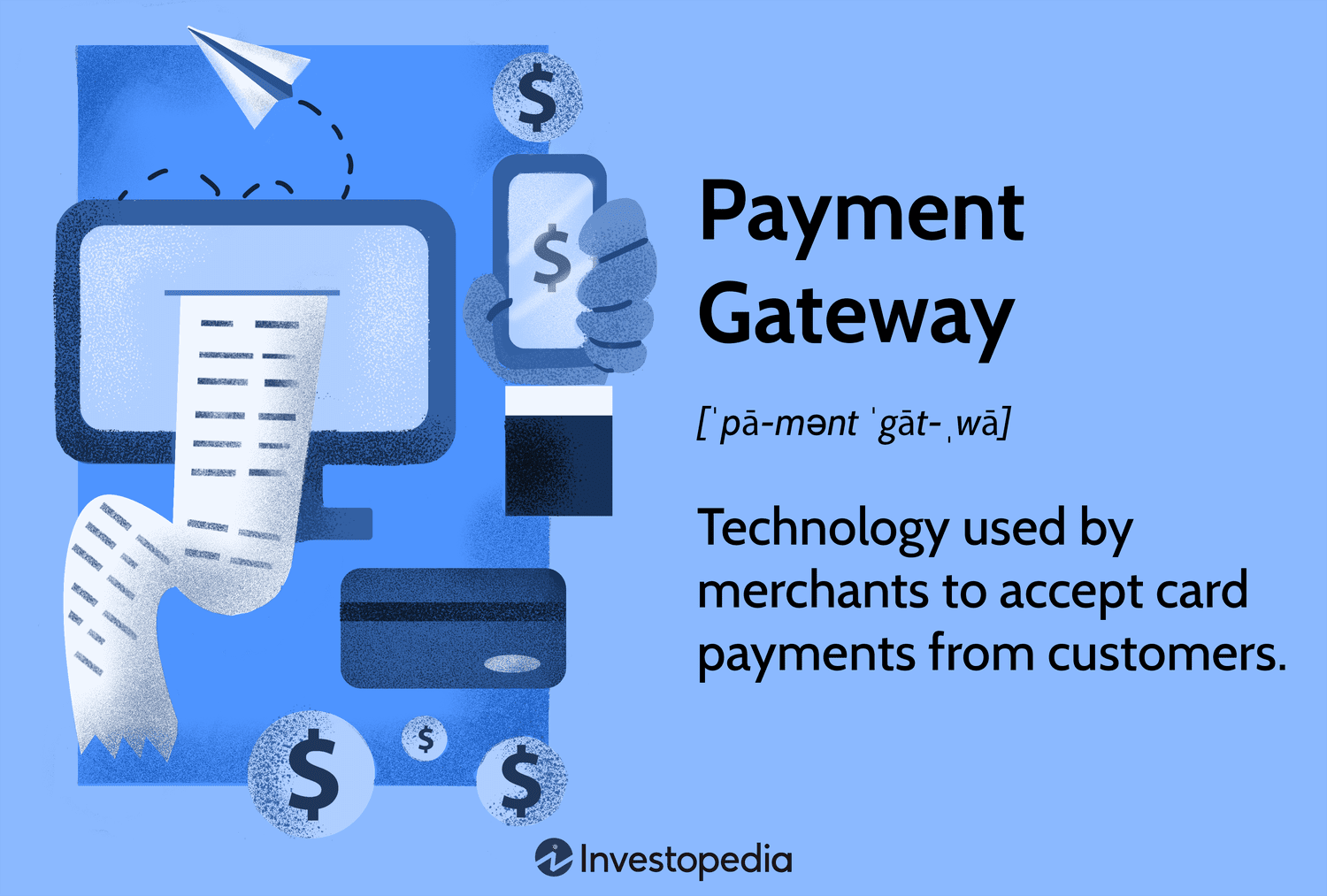
Understand how payment gateways work for your business.
What Is a Payment Gateway?
Discover the role of payment gateways in online transactions and how they ensure secure processing for your customers.
In the world of e-commerce, payment gateways are critical components that facilitate the online transaction process. A payment gateway serves as the intermediary between the customer and the merchant, ensuring the security and efficiency of payments. Understanding what a payment gateway is and how it functions can help businesses make informed decisions when choosing their payment processing solutions.
What Is a Payment Gateway?
A payment gateway is a technology that allows merchants to accept credit card payments across various channels, including websites, mobile devices, and point-of-sale systems. Payment gateways encrypt sensitive payment information, such as credit card numbers, to ensure that these details are kept secure.
Payment gateways are essential for creating a seamless shopping experience for customers. They not only facilitate transactions but also provide security features that help prevent fraud.
How Do Payment Gateways Work?
When a customer decides to make a purchase, the payment gateway captures their payment information and securely transmits it to the payment processor or acquiring bank. Here’s a step-by-step overview of how this process works:
- The customer enters their payment information on the merchant’s checkout page.
- The payment gateway encrypts this information for security.
- The encrypted data is sent to the payment processor.
- The payment processor communicates with the customer’s bank to authorize the transaction.
- Once authorized, the funds are transferred from the customer’s bank to the merchant’s account.
Why Choosing a Payment Gateway Matters
Choosing the right payment gateway is crucial for your business. Factors to consider include:
- Transaction Fees: Different gateways charge varying fees for transactions, which can impact your profit margins.
- Security Features: Ensure the payment gateway you select complies with industry security standards, such as PCI DSS.
- Integration Capabilities: Your chosen gateway should seamlessly integrate with your existing systems and platforms.
- Customer Support: A reliable support system is essential in case of issues or troubleshooting.
Types of Payment Gateways
There are three primary types of payment gateways:
1. Hosted Payment Gateways
Hosted payment gateways redirect customers away from the merchant’s website to the gateway’s secure page. This method provides an added layer of security as sensitive information is collected on the gateway’s server rather than the merchant’s server.
2. API Payment Gateways
API payment gateways allow merchants to collect payment information directly on their website. This method is more complex but offers greater control over the customer’s experience.
3. Local Payment Gateways
Local payment gateways are typically used by merchants in a specific region or country that require localized payment methods. This type allows businesses to access payment options popular among local customers.
Is Using a Payment Gateway Safe?
Yes, using a payment gateway is safe as long as you select a reputable provider. Payment gateways apply strict encryption protocols to protect user data, ensuring that transactions are processed securely. Always check the security features of a gateway to maintain customer trust.
Can I Use a Payment Gateway for Recurring Payments?
Yes! Many payment gateways support recurring payments, making them ideal for subscription-based services. This feature allows businesses to automatically charge customers at specified intervals, simplifying the payment process.
Frequently Asked Questions
Find answers to common inquiries about payment gateways.
What is a payment gateway?
A payment gateway is a technology that processes transactions securely by connecting the merchant’s website to the customer’s bank.
How do payment gateways ensure security?
They use encryption technology to protect sensitive information during transmission.
Can payment gateways be integrated with existing systems?
Yes, most payment gateways offer APIs and plugins for easy integration with e-commerce platforms.
What fees are associated with payment gateways?
Payment gateways usually charge transaction fees, monthly fees, or both. Be sure to review fee structures before selecting a provider.
Do I need a merchant account to use a payment gateway?
Yes, a merchant account is typically needed to accept credit card payments through a payment gateway.
What type of businesses can benefit from payment gateways?
Any business that sells products or services online or in-store can benefit from using a payment gateway.
Ready to Get Started?
Contact us today to learn more about how our payment gateway solutions can help your business thrive.