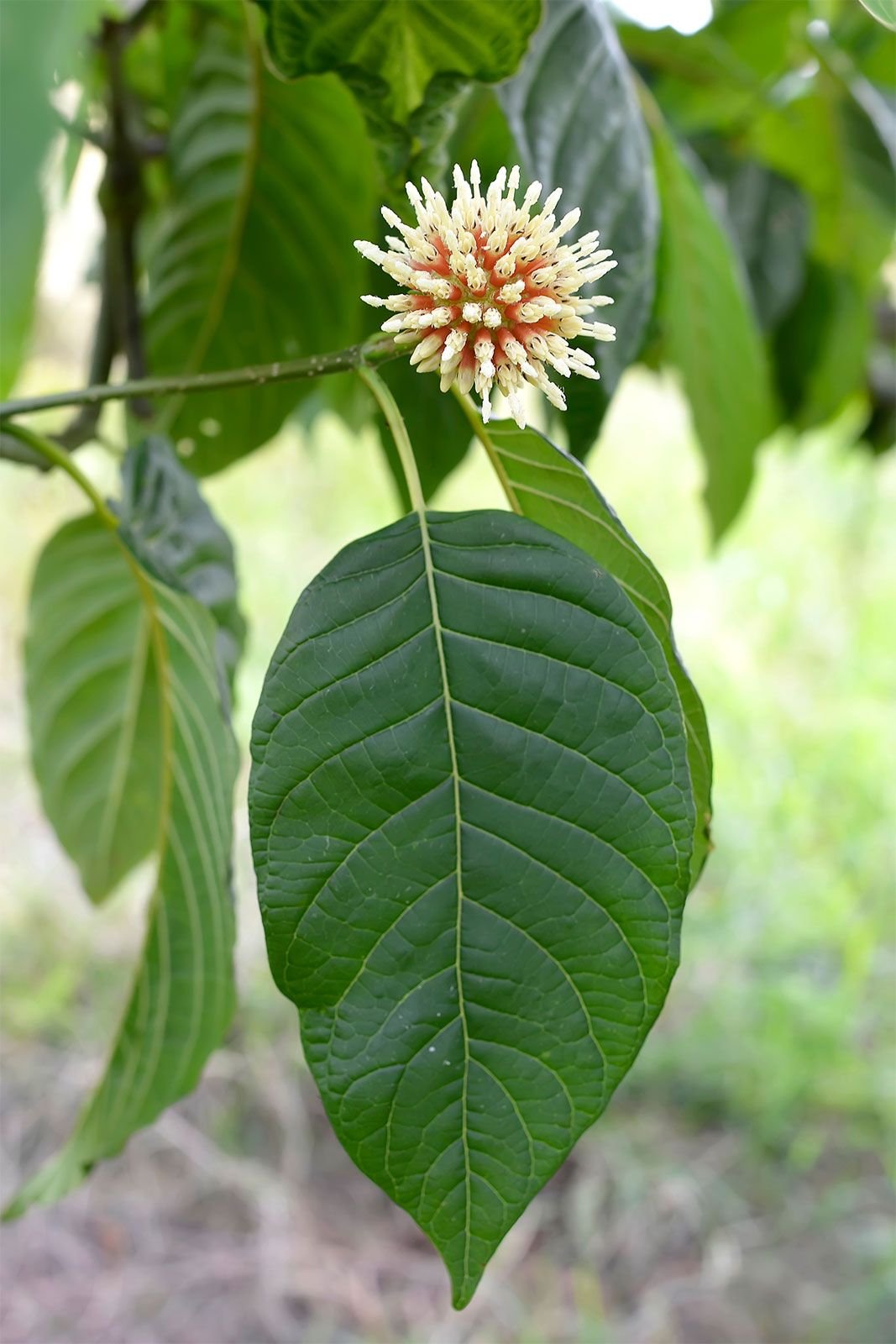
Processors want to know whether inventory includes natural vegetation-form kratom, synthetic 7-OH products, extracts, shots, capsules, or mixed smoke shop items. Documentation matters before volume is approved.
ohio kratom payment processing for high-risk merchants.
Ohio kratom retailers are operating through a fast-changing regulatory period involving the Ohio Board of Pharmacy, JCARR action, synthetic kratom restrictions, and federal FDA concerns. High Wire Payments helps merchants organize underwriting files, chargeback controls, age policies, labeling evidence, and product documentation before applying for card acceptance.
OH
state review
May 14
synthetic ban date
7-OH
key risk focus
FDA
federal gray area
Ohio kratom payment processing is not a simple retail underwriting file in 2026. Operators in Columbus, Cleveland, Cincinnati, Toledo, Akron, Dayton, Parma, Canton, Youngstown, Lorain, and Hamilton are dealing with a shifting state environment, product-category scrutiny, and processor questions about whether inventory includes natural kratom, synthetically modified alkaloids, 7-OH products, drinkable shots, capsules, powders, or mixed smoke shop merchandise. That distinction now matters for both compliance and payment acceptance.
The research record for Ohio is unusually specific. Gov. Mike DeWine signed an executive order in December creating a temporary kratom-related ban that was set to expire in June, and Ohio’s Joint Committee on Agency Rule Review, known as JCARR, later approved a permanent ban on synthetic kratom. Public reporting from the Statehouse News Bureau and WOUB stated that the permanent synthetic kratom ban took effect May 14, 2026, replacing the temporary rule that had been scheduled to expire in June.
For retailers, the practical underwriting question is not merely whether kratom appears on the shelf. It is whether the merchant can separate natural vegetation-form products from synthetically modified kratom or concentrated 7-OH products, document age controls, explain labeling and warnings, and keep chargebacks from exceeding processor tolerance. High Wire Payments approaches Ohio kratom accounts as high-risk merchant files that need review, not as guaranteed approvals or generic smoke shop applications.
A May 28, 2026 Ohio Board of Pharmacy consumer and retailer notice stated that kratom sold in its natural vegetation state with trace amounts of 7-OH may still be legally sold in Ohio, and that the Board’s rule specifically exempts natural kratom in vegetation form. Synthetic kratom and synthetically modified products are a separate risk category.
why ohio kratom merchants are treated as high-risk
Ohio kratom merchants are typically classified as high-risk because the product category combines regulatory uncertainty, age-sensitive retail, labeling disputes, and elevated chargeback exposure. A convenience store in Toledo that sells a few kratom powders at the counter, a Cleveland smoke shop with delta-8 and kratom inventory, and a Columbus specialty retailer with botanical-only merchandising may all appear similar to a processor until the underwriting file clarifies product mix, sourcing, and sales controls.
Ohio’s 2026 developments made that review more detailed. The Statehouse News Bureau reported on May 19, 2026 that a permanent ban on synthetic versions of kratom was in place, following JCARR action after an April hearing. The same reporting noted that the Ohio Board of Pharmacy was considering whether to extend restrictions to natural kratom as well. That uncertainty affects acquiring banks because approved inventory today may be reviewed again if the state rule changes or local enforcement priorities shift.
Processors also review the federal overlay. The FDA states that kratom is not lawfully marketed in the United States as a drug product, dietary supplement, or food additive in conventional food. FDA materials also discuss 7-hydroxymitragynine, or 7-OH, as a naturally occurring minor alkaloid that represents less than 2% of total alkaloid content in natural kratom leaves, while also identifying potency concerns when 7-OH is concentrated or separately marketed. Those facts affect website language, product claims, and underwriting questions.
ohio synthetic kratom rules and payment underwriting
The most important Ohio-specific point is the split between natural vegetation-form kratom and synthetic or synthetically modified kratom products. WOUB reported that the permanent ban on synthetic kratom sales in Ohio took effect May 14, 2026, after a panel of lawmakers approved naming synthetic kratom as a Schedule I controlled substance in Ohio. That action replaced the temporary ban created after Gov. DeWine’s December executive order.
From a merchant services perspective, this means an Ohio kratom retailer should be prepared for product-level underwriting. A bank may ask whether the merchant sells enhanced 7-OH tablets, edibles, drinks, extracts, or products described as synthetically modified. The file should show a current inventory list, supplier attestations, invoices, product labels, and written policies preventing prohibited synthetic items from being sold through the approved merchant account. If inventory cannot be separated, many processors will decline the file or restrict processing.
Ohio operators should also be careful with older inventory, stale website pages, and social posts. If a Cincinnati retailer removed synthetic items after the May 14 rule but the online store still displays 7-OH gummies, a processor may treat the account as out of policy. If an Akron smoke shop sells both lawful vegetation-form products and prohibited synthetics under the same point-of-sale category, transaction monitoring becomes harder. High Wire Payments looks for clean SKU naming, updated menus, and a written removal process.
FDA materials state that kratom is not lawfully marketed as a drug, dietary supplement, or food additive in conventional food. Ohio merchants should avoid claims that kratom treats pain, opioid withdrawal, anxiety, depression, or any medical condition, and should review website copy, shelf talkers, staff scripts, and product descriptions before underwriting.
age controls, behind-counter sales, and retail procedures
Ohio’s research record includes public concern about kratom access at gas stations, vape shops, convenience stores, and specialty retailers. WOUB quoted testimony before JCARR describing easy access at gas stations and vape shops, while advocates for regulation pointed to a distinction between natural kratom and synthetic products. Even when a product remains legally saleable, processors expect merchants to reduce youth-access risk through a written age policy and evidence that staff are trained to enforce it.
For Ohio kratom retailers, High Wire Payments generally recommends a 21+ retail policy, behind-counter placement, ID checks at point of sale, and restricted online checkout controls. A Dayton store or Parma smoke shop may not be required by a specific statewide kratom licensing rule to follow every one of those steps, but underwriting is based on risk reduction. If a processor sees kratom displayed next to candy, energy drinks, or youth-oriented packaging, the application may receive additional review.
Age-control evidence should be practical and auditable. Keep photos of behind-counter placement, screenshots of online age gates, point-of-sale prompts requiring birthdate entry, employee training logs, and refund procedures for failed age verification. If the merchant ships within Ohio or across state lines, the file should also describe shipping restrictions, adult-signature policies where used, and a process for blocking states or municipalities where the product is restricted.
documents ohio kratom merchants should prepare
A stronger Ohio kratom underwriting file does not argue that the category is risk-free. It shows that the merchant understands the risk and has procedures to manage it. That is especially important after the May 2026 synthetic kratom rule and the May 28 Ohio Board of Pharmacy notice distinguishing natural vegetation-form kratom from synthetic products. Before applying, merchants should organize both business documents and product documents so the processor does not have to guess what is being sold.
- Ohio business registration or secretary of state filing showing the legal entity name and active status.
- EIN confirmation letter or IRS document matching the business name used on the merchant application.
- Government-issued identification for each principal or beneficial owner listed on the file.
- Voided business check or bank letter matching the settlement account and legal business name.
- Current lease, utility bill, or location document for stores in Columbus, Cleveland, Cincinnati, Toledo, Akron, Dayton, or other Ohio markets.
- Complete kratom product list separating natural vegetation-form products from extracts, shots, enhanced products, synthetic products, and non-kratom smoke shop inventory.
- Supplier invoices and purchase records showing source, product names, lot numbers where available, and dates of acquisition.
- Certificates of analysis, alkaloid testing, or supplier documentation, especially for mitragynine and 7-OH content where available.
- Product labels, website screenshots, shelf photos, warning statements, age-restriction language, and no-medical-claims review notes.
- Chargeback history, refund policy, fulfillment policy, cancellation terms, and customer-service procedures for disputed transactions.
The document packet should be current. A Canton retailer that submitted labels from 2024 but changed suppliers in 2026 may be asked for updated invoices and COAs. A Youngstown operator that moved synthetic products out of inventory after May 14 should retain removal records and updated shelf photos. A Lorain e-commerce seller should confirm that online descriptions do not describe kratom as a supplement, food additive, or treatment product in conflict with FDA positioning.
chargebacks and operational risk in ohio kratom sales
Chargebacks are a major reason kratom accounts receive high-risk review. Consumers may dispute transactions after buyer’s remorse, delayed shipping, unclear product expectations, recurring billing confusion, or claims that a product was not as described. Ohio merchants also face reputational risk if customers see changing news about synthetic bans and assume all kratom purchases are unlawful. Clear receipts, compliant product descriptions, and fast customer service help reduce preventable disputes.
Retail merchants should make descriptors recognizable. If a Hamilton customer buys kratom at a smoke shop but the card statement shows an unrelated holding company, a chargeback is more likely. E-commerce merchants should include shipping timelines, refund windows, support contacts, and age-verification language near checkout. Subscription or continuity billing should be avoided unless the processor has specifically reviewed and approved the model, because recurring botanical transactions can create disproportionate dispute volume.
High Wire Payments reviews chargeback posture before routing an Ohio kratom file. That may include setting alert thresholds, comparing monthly disputes to sales volume, reviewing refund velocity, and documenting how customer issues are handled before they become formal card disputes. The goal is not to promise that a processor will approve every merchant. The goal is to present an account that shows lawful product controls, customer-service discipline, and measurable dispute prevention.
ohio kratom payment processing preparation checklist
Before an Ohio kratom merchant applies for a new account or asks to move volume from an existing processor, the internal preparation should be complete. The following checklist is designed for retailers, smoke shops, botanical stores, convenience operators, and online sellers that need a compliance-aware file before underwriting begins.
- Confirm that all Ohio inventory is reviewed against the May 14, 2026 synthetic kratom ban and remove prohibited synthetic or synthetically modified products from the approved sales channel.
- Separate natural vegetation-form kratom from extracts, shots, capsules, enhanced products, 7-OH items, hemp, CBD, delta-8, tobacco, and accessories in the SKU list.
- Document the May 28, 2026 Ohio Board of Pharmacy notice language relevant to natural vegetation-form kratom and keep it with the compliance file.
- Adopt a written 21+ sales policy, even if the merchant is still monitoring state legislation such as Senate Bill 299 and future Ohio rulemaking.
- Move kratom products behind the counter or into a controlled retail area and photograph the placement for underwriting evidence.
- Remove medical treatment claims from websites, menus, ads, product descriptions, shelf talkers, email campaigns, and employee talking points.
- Collect supplier invoices, COAs, labels, lot records, warning statements, and alkaloid information where available for each kratom product carried.
- Prepare website pages for review, including refund terms, fulfillment terms, privacy policy, contact information, age gate, shipping limits, and customer-service process.
- Review the last six months of processing statements, chargebacks, refunds, returns, and fraud alerts so the application does not surprise the processor.
- Create an internal change-control process requiring management review before adding new kratom, 7-OH, hemp, delta-8, or smoke shop products to the approved catalog.
If your Ohio kratom business is preparing for underwriting in Columbus, Cleveland, Cincinnati, Toledo, Akron, Dayton, Parma, Canton, Youngstown, Lorain, Hamilton, or another Ohio market, High Wire Payments can review the file before submission. The review focuses on product eligibility, age controls, labeling, documentation, chargeback exposure, and processor fit without promising approval or minimizing Ohio’s evolving regulatory environment.
Ohio kratom payment processing markets
We support kratom and smoke shop merchants preparing underwriting files across major Ohio retail corridors, including Columbus, Cleveland, Cincinnati, Toledo, Akron, Dayton, Parma, Canton, Youngstown, Lorain, and Hamilton.
How High Wire Payments supports Ohio kratom underwriting
Ohio kratom merchants need more than a basic payment application. They need product-level documentation, compliance-aware routing, and ongoing controls that reflect the state’s 2026 synthetic kratom developments.
Product inventory segmentation
High Wire helps Ohio merchants organize SKU lists that separate natural vegetation-form kratom from extracts, enhanced 7-OH items, hemp, CBD, delta-8, tobacco, and accessories. This makes it easier for underwriters to see what is actually being sold after the May 14 synthetic kratom rule.
Ohio rule documentation packet
We help merchants attach relevant Ohio materials to the underwriting file, including the May 28, 2026 Ohio Board of Pharmacy notice language on natural vegetation-form kratom. The goal is to show the processor that the merchant is tracking state-level developments rather than relying on outdated assumptions.
Age-control evidence review
High Wire reviews photos of behind-counter placement, POS age prompts, online age gates, and employee ID-check procedures. A documented 21+ policy can help reduce youth-access concerns even while Ohio legislation and agency rules continue to evolve.
Labeling and claims screening
We review merchant-facing website copy, product descriptions, and shelf language for medical treatment claims that can create FDA and underwriting issues. Ohio kratom merchants should avoid positioning products as treatments for pain, withdrawal, anxiety, depression, or other medical conditions.
Chargeback ratio monitoring
High Wire can support chargeback ratio monitoring with automated alerts at merchant-selected thresholds, including conservative checkpoints such as 0.7% before network danger levels are reached. We also review descriptors, refund language, shipping terms, and customer-service workflows that commonly trigger disputes.
Processor-fit routing
Not every acquirer will review Ohio kratom merchants, especially where synthetic products, 7-OH marketing, or mixed smoke shop inventory are present. High Wire evaluates product mix, sales channel, volume, and compliance documentation before identifying realistic processing paths.
Is kratom legal to sell in Ohio in 2026?
Ohio’s rules are product-specific. Research from the Ohio Board of Pharmacy’s May 28, 2026 notice states that natural vegetation-form kratom with trace amounts of 7-OH may still be sold, while Ohio’s permanent ban on synthetic kratom took effect May 14, 2026.
Does Ohio ban 7-OH kratom products?
Ohio’s 2026 action focuses on synthetic or synthetically modified kratom products, and public reporting specifically discusses 7-OH concerns. Merchants should have counsel review any 7-OH tablets, edibles, drinks, concentrates, or enhanced products before selling them or including them in a merchant account application.
Do Ohio kratom retailers need a separate state kratom license?
The research provided does not identify a separate statewide kratom retailer license for natural vegetation-form kratom. However, merchants still need normal Ohio business registrations, local retail compliance, sales tax procedures, and documentation showing that prohibited synthetic products are not being sold.
What changed on May 14, 2026 for Ohio kratom merchants?
WOUB and Statehouse News Bureau reporting stated that a permanent ban on synthetic kratom sales in Ohio took effect May 14, 2026. The rule followed JCARR action and replaced a temporary ban created after Gov. Mike DeWine’s December executive order.
What did the Ohio Board of Pharmacy say about natural kratom?
A May 28, 2026 Ohio Board of Pharmacy consumer and retailer notice stated that kratom sold in its natural vegetation state with trace amounts of 7-OH may still be legally sold in Ohio. It also stated that the Board’s rule specifically exempts natural kratom in vegetation form.
Should Ohio kratom shops use a 21+ sales policy?
A 21+ policy is strongly recommended for underwriting and risk control. Even where the legal analysis is still developing, processors look favorably on behind-counter placement, ID checks, staff training, and age-gated online checkout.
Can an Ohio smoke shop process kratom, hemp, CBD, and delta-8 through one account?
It depends on processor policy and product mix. Mixed inventory increases underwriting complexity, so merchants should separate SKU categories, identify any prohibited synthetic kratom or restricted cannabinoids, and avoid adding new products without processor review.
Can Ohio kratom merchants make pain relief or opioid withdrawal claims?
No merchant should make medical treatment claims without proper legal and regulatory approval. FDA materials state that kratom is not lawfully marketed as a drug, dietary supplement, or food additive in conventional food, and claims about pain, withdrawal, anxiety, or depression can create serious underwriting problems.
Which Ohio cities are important for kratom payment processing?
High Wire reviews files from Ohio markets including Columbus, Cleveland, Cincinnati, Toledo, Akron, Dayton, Parma, Canton, Youngstown, Lorain, and Hamilton. Local ordinances can vary, so merchants should also consult their municipality and legal counsel before expanding sales.
Does High Wire Payments guarantee approval for Ohio kratom merchants?
No. High Wire Payments does not guarantee approval, but it can help merchants prepare a stronger file with product documentation, age controls, labeling review, chargeback data, and processor-fit routing for Ohio’s current kratom risk environment.
Prepare your Ohio kratom merchant file before underwriting
Ohio kratom payment processing now depends on clear product separation, synthetic kratom compliance, age controls, labeling discipline, and chargeback management. High Wire Payments can review your documentation and help identify realistic processing options without promising approval.