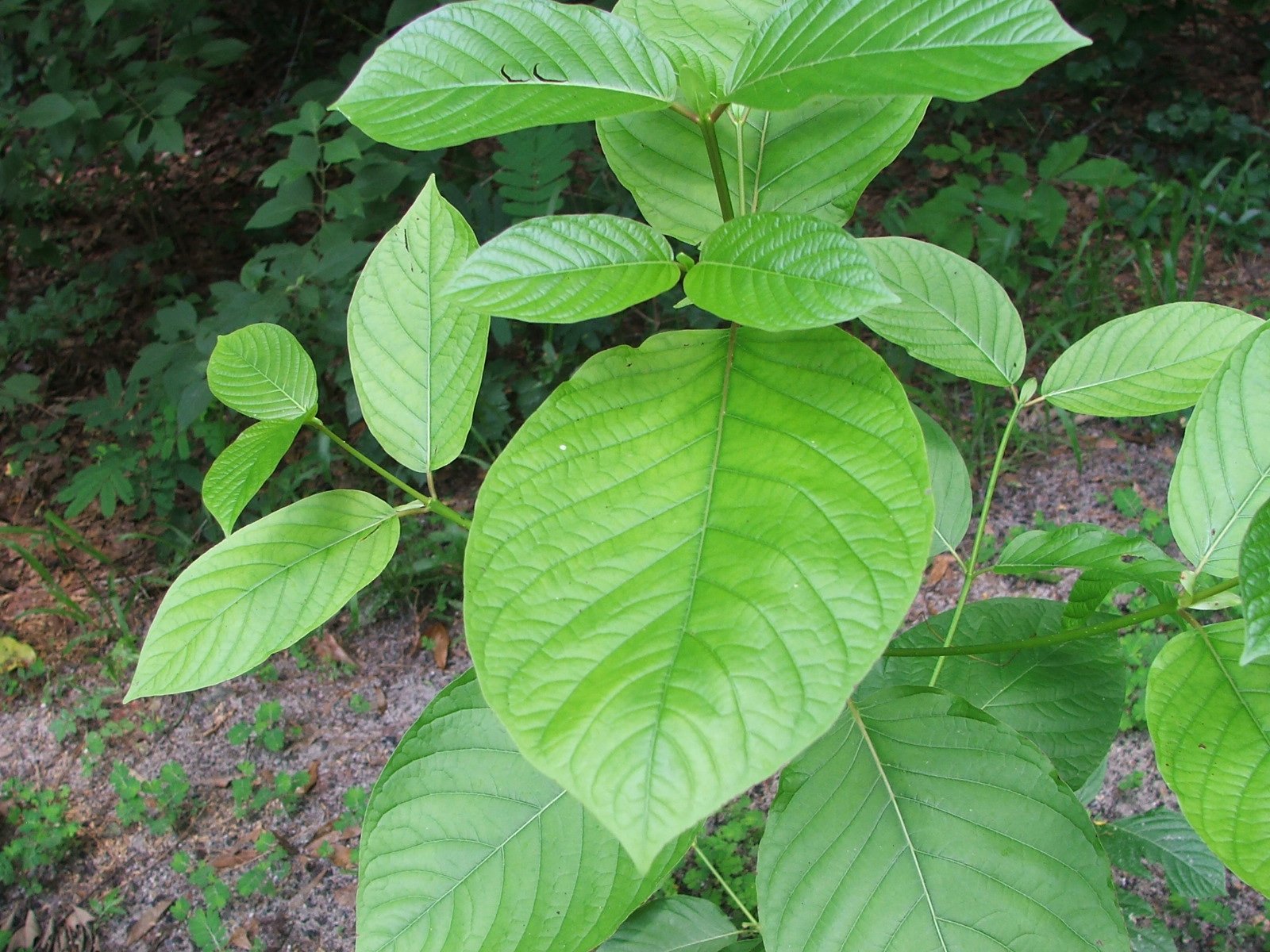
As of May 2026, Ohio moved against synthetic kratom while allowing natural kratom in vegetation form under the Board of Pharmacy notice. Processors will expect clear inventory separation, labeling, and compliance records.
ohio kratom payment processing for high-risk merchants.
Ohio kratom retailers face a fast-changing compliance environment after state action on synthetic kratom and 7-OH products. High Wire Payments helps operators prepare underwriting files, document natural-leaf inventory, strengthen age controls, and monitor chargebacks before banks review a kratom merchant account.
OH
state review
May 14
synthetic ban date
7-OH
enhanced scrutiny
21+
recommended controls
Ohio kratom payment processing is no longer a simple smoke-shop or supplement underwriting file. Retailers in Columbus, Cleveland, Cincinnati, Toledo, Akron, Dayton, Parma, Canton, Youngstown, Lorain, and Hamilton now operate in a market where state regulators have drawn a sharp distinction between natural kratom in vegetation form and synthetically modified kratom products. That distinction matters for shelf layout, product descriptions, eCommerce catalog pages, invoices, and the way a merchant explains its business model to a sponsor bank.
The research record for Ohio is specific. The Ohio Board of Pharmacy issued an emergency 180-day rule in December that made it illegal to sell, possess, or distribute most kratom-related products, with the temporary action reported as expiring on June 10, 2026. Separately, a permanent ban on synthetic versions of kratom took effect May 14, 2026 after action through the Joint Committee on Agency Rule Review, known as JCARR. A May 28, 2026 Ohio Board of Pharmacy consumer and retailer notice states that natural kratom in vegetation form containing trace amounts of 7-OH may still be legally sold or possessed.
For payment processing, that means Ohio kratom merchants must be prepared to show more than a website and a voided check. Underwriters will ask what products are sold, whether any inventory contains synthetically modified 7-hydroxymitragynine, whether labels avoid disease-treatment claims, whether products are kept behind the counter, and whether the business can verify age at checkout. A processor may also review prior chargeback ratios, refund history, delivery confirmations, supplier documentation, and whether the merchant sells through a physical storefront, online checkout, or both.
Ohio action in 2026 focused heavily on synthetic kratom and 7-OH products. Natural kratom in vegetation form is treated differently in the Board of Pharmacy notice, but retailers should continue to monitor state updates because the Board has also been reported as considering additional action on natural kratom.
why ohio kratom merchants are reviewed as high risk
Kratom merchants are commonly reviewed as high risk because the category combines regulatory uncertainty, age-sensitive retail, product-labeling risk, and elevated dispute exposure. In Ohio, that review is even more sensitive because state-level action has been recent and public. News coverage from the Statehouse News Bureau reported that synthetic kratom had been sold at gas stations, vape shops, and convenience stores, and that a store in Lancaster selling kratom and delta-8 was photographed in 2024. That type of retail environment creates mixed-inventory questions for banks.
A Columbus or Cleveland operator may have a conventional retail lease, point-of-sale system, and tax registration, but a bank still needs to understand the kratom-specific risk profile. If the store also sells hemp, delta-8, vapes, glassware, tobacco accessories, or convenience items, the underwriting team may not accept a generic business description. The file should separate natural kratom leaf, powder, or plain capsules from any prohibited, synthetic, enhanced, extract-style, or 7-OH-branded items. If those products are not sold, the merchant should say so clearly and document the inventory audit.
Federal context also matters. The FDA states that kratom is not lawfully marketed in the United States as a drug product, dietary supplement, or food additive in conventional food. The agency also notes that 7-hydroxymitragynine is a naturally occurring minor alkaloid in kratom leaves, comprising less than 2% of total alkaloid content in natural leaves, but that 7-OH has substantially greater mu-opioid receptor potency than mitragynine. For underwriters, those statements increase scrutiny around labels, claims, serving directions, ingredient panels, certificates of analysis, and product positioning.
ohio synthetic kratom and 7-OH rule concerns
The most important Ohio fact for a kratom merchant account is the treatment of synthetic kratom. According to the research provided, a permanent ban on synthetic kratom sales in Ohio took effect May 14, 2026, replacing a temporary ban that had been set to expire in June. The Statehouse News Bureau reported that the JCARR-approved rule named synthetic kratom as a Schedule 1 controlled substance in Ohio. Retailers should not assume that a bank will accept verbal assurances about inventory; the processor will likely want written SKU controls.
Ohio retailers should pay particular attention to 7-OH marketing. The WOUB and Statehouse News Bureau coverage describes public concern around synthetic versions and 7-OH products sold in forms such as tablets, edibles, and drinks. Operators selling natural kratom in vegetation form should avoid product pages, shelf tags, receipts, or advertising that imply synthetic enhancement, isolated alkaloid concentration, or drug-like effects. Even if a product is legal under the natural-vegetation exemption, claims and presentation can still create underwriting problems.
This is where payment risk and legal risk overlap. A Dayton, Akron, or Toledo shop may believe it is carrying only natural products, but if distributor invoices describe items as enhanced, fortified, synthetic, 7-OH, extract, shot, edible, or drink format, a bank can pause or decline the account. High Wire Payments reviews the merchant narrative, product list, and supporting documents so the file explains what is sold, what is not sold, and how prohibited inventory is excluded from the payment channel.
Ohio’s May 28, 2026 Board of Pharmacy notice says natural kratom in vegetation form with trace 7-OH may still be legal, but that does not make synthetic or modified 7-OH products acceptable for processing. Keep purchase records, supplier attestations, COAs, and POS categories aligned.
underwriting expectations for ohio kratom retail and ecommerce
Kratom underwriting in Ohio starts with the merchant’s sales channel. A behind-counter retail store in Cincinnati, Canton, or Parma will be reviewed differently from a statewide eCommerce site shipping to consumers. Storefront merchants should document employee ID checks, restricted product placement, refund policy signage, and the way staff prevent underage purchases. Online merchants should document age-gate logic, billing descriptor clarity, shipping restrictions, checkout terms, customer support availability, and confirmation emails that reduce confusion and prevent disputes.
Banks also review the business history behind the application. A kratom merchant with six months of processing statements, low refund volume, and a clean chargeback ratio is easier to evaluate than a new entity with no sales records. That does not mean a new Ohio business cannot be reviewed; it means the business must be more organized. Articles of organization, EIN confirmation, lease, utility bill, owner identification, inventory list, and supplier documents help replace missing processing history with verifiable operational detail.
Underwriters may ask for the merchant’s position on medical claims. This is important because FDA has warned against kratom for medical treatment and has not approved kratom drug products. Ohio product pages should not promise pain relief, opioid withdrawal treatment, anxiety relief, disease management, or other therapeutic outcomes. Labels and websites should use compliant, non-medical language, and merchants should remove testimonials that imply drug-like results. From a payments standpoint, claim control reduces regulatory red flags and chargeback risk tied to unmet expectations.
documents ohio kratom merchants should prepare
A strong Ohio kratom merchant file is built before the application is submitted. The goal is to give the acquiring bank a clear picture of the business, its inventory, its compliance controls, and its dispute history. Because Ohio’s 2026 rules distinguish synthetic kratom from natural kratom in vegetation form, the documentation should be more detailed than a general smoke-shop application. If the merchant operates multiple locations in Lorain, Youngstown, Hamilton, or Cleveland, each location should have consistent policies and inventory categories.
- Ohio business registration, entity documents, and EIN confirmation matching the processing application
- Owner government identification and ownership details for all required beneficial owners
- Retail lease, utility bill, or location proof for each Ohio storefront
- Complete kratom SKU list separating natural leaf, powder, and plain capsule products from excluded synthetic or 7-OH products
- Supplier invoices showing product names, formats, and purchase dates
- Certificates of analysis or supplier attestations for kratom products, especially regarding alkaloid content and synthetic modification
- Written policy excluding synthetic kratom, modified 7-OH products, and any inventory prohibited under Ohio rules
- Product labels, website screenshots, and shelf signage showing no medical or disease-treatment claims
- Age-verification policy for in-store and online transactions, with staff training notes when available
- Three to six months of prior processing statements, chargeback reports, refund reports, and current bank statements
Processors may also ask for fulfillment procedures, customer service scripts, terms and conditions, privacy policy, return policy, and descriptor approval. For Ohio merchants, it is useful to attach a short compliance memo summarizing the May 14, 2026 synthetic kratom ban and the May 28, 2026 Board of Pharmacy notice regarding natural kratom in vegetation form. The memo should not give legal advice; it should explain how the merchant’s actual inventory is controlled and how staff keep prohibited items out of the payment stream.
chargebacks, labeling, and age controls in ohio kratom sales
Chargebacks in kratom often come from confusion, buyer remorse, subscription complaints, shipping delays, or disputes over product expectations. Ohio merchants can reduce those disputes by using a clear billing descriptor, itemized receipts, visible refund terms, and confirmation emails that identify the store name customers will recognize. For eCommerce, delivery tracking and adult-signature or age-verification workflows may be appropriate depending on the merchant’s risk profile and processor requirements. The goal is to avoid surprises after the transaction posts.
Labeling is equally important. Product labels should identify the product accurately, avoid therapeutic claims, include required warnings where applicable, and match the SKU records given to the bank. If a Columbus retail store sells natural kratom powder behind the counter, the label, POS name, invoice, and website should not create the impression that the product is a synthetic 7-OH item. If the merchant sells no enhanced extracts, the application should say so, and the website should not display discontinued or unavailable prohibited items.
Although the research provided does not identify a separate Ohio statewide kratom retailer license or a statewide 21-plus kratom age statute, many processors still expect age controls because kratom is an adult-oriented botanical sold in smoke shops, vape stores, convenience locations, and specialty retail. A practical Ohio file should use 21-plus controls, behind-counter placement, employee ID-check training, and online age gates. Those measures help answer bank questions and reduce the risk of local enforcement concerns in cities such as Akron, Toledo, and Cincinnati.
ohio kratom merchant preparation checklist
Before applying for an Ohio kratom merchant account, operators should complete an internal compliance review. The checklist should be performed at the store level, not only at the ownership level, because a single noncompliant SKU in a display case can undermine the entire application. Use the following steps to prepare a cleaner underwriting file for a retail, eCommerce, or hybrid kratom business.
- Audit every kratom SKU and remove synthetic kratom, modified 7-OH, and any product that does not fit Ohio’s current allowable inventory profile
- Create a written SKU matrix with product name, supplier, format, ingredients, COA status, and whether the item is natural vegetation form
- Collect supplier invoices and request written attestations that products are not synthetically modified
- Review labels for medical claims, opioid-related claims, disease references, or misleading alkaloid language
- Update website pages, menus, Google Business descriptions, and social posts so discontinued synthetic products are not advertised
- Set 21-plus age verification expectations for in-store sales and configure online age gates where applicable
- Keep kratom behind the counter or otherwise controlled by staff rather than displayed as ordinary convenience merchandise
- Prepare three to six months of bank statements, processing statements, chargeback reports, and refund history if available
- Document chargeback response procedures, customer support hours, refund terms, and shipping confirmation practices
- Monitor Ohio Board of Pharmacy, JCARR, and legislative updates, including any future action affecting natural kratom
High Wire Payments can review an Ohio kratom merchant file before submission and identify gaps that commonly slow underwriting. The review does not replace legal advice and does not guarantee approval, but it helps merchants present accurate inventory, compliant labeling, age controls, and chargeback procedures in a format that high-risk acquiring banks can evaluate.
Ohio kratom payment processing markets
High Wire Payments supports Ohio kratom retailers and eCommerce operators preparing applications in major metro areas, college towns, and neighborhood retail corridors.
Ohio-specific kratom payment support
A stronger merchant file connects Ohio regulatory facts with practical payment controls, inventory records, and dispute prevention.
Synthetic SKU exclusion review
High Wire reviews product lists for terms that can trigger Ohio synthetic kratom concerns, including 7-OH, enhanced, fortified, extract-style, edible, drink, or modified alkaloid language. The goal is to document what is excluded before underwriting begins.
Natural inventory documentation
For merchants selling natural kratom in vegetation form, High Wire helps organize supplier invoices, COAs, and attestations into a bank-ready file. This is especially important after the May 28, 2026 Ohio Board of Pharmacy notice.
Chargeback ratio monitoring
High Wire can help merchants track chargeback activity against processor thresholds and review disputes before ratios become a termination issue. Alerts and monthly statement reviews help Ohio shops address refund, descriptor, and fulfillment problems early.
Label and claims screening
High Wire reviews screenshots, labels, and product descriptions for medical-treatment claims that can create FDA and underwriting concerns. The review focuses on payment risk, including claims that may cause customer disputes or bank compliance holds.
Age-control documentation
Ohio research does not identify a separate statewide kratom retailer license, but banks still expect adult-use controls. High Wire helps document 21-plus ID checks, behind-counter placement, staff procedures, and online age-gate workflows.
Ohio regulatory timeline memo
High Wire can help merchants prepare a concise timeline referencing the December emergency action, the May 14, 2026 synthetic kratom ban, and the Board notice on natural vegetation form. This gives underwriters context without overstating the law.
Is kratom legal to sell in Ohio in 2026?
Ohio’s 2026 rules distinguish between synthetic kratom and natural kratom in vegetation form. Research provided states that synthetic kratom became permanently banned May 14, 2026, while the Ohio Board of Pharmacy notice dated May 28, 2026 says natural kratom in vegetation form with trace 7-OH may still be sold or possessed.
Can an Ohio merchant process payments for 7-OH kratom products?
Synthetic or modified 7-OH products create major legal and underwriting risk in Ohio. A merchant seeking processing should exclude synthetic kratom and modified 7-OH products from the payment channel and document that exclusion with SKU lists and supplier records.
Do Ohio kratom retailers need a separate state kratom license?
The research provided does not identify a separate Ohio statewide kratom retailer license. Merchants should still maintain ordinary business registrations and check local requirements because cities, counties, landlords, and processors may impose additional rules.
What is the minimum age to buy kratom in Ohio?
The research provided does not identify a specific statewide Ohio kratom age limit. From a payment-risk perspective, High Wire recommends 21-plus age controls, staff ID checks, behind-counter placement, and online age gates because kratom is reviewed as an adult-oriented high-risk product.
Will a bank approve an Ohio smoke shop that also sells kratom?
Approval is never guaranteed, but a smoke shop can be reviewed if the file is complete and the inventory is compliant. The bank will want to see what kratom products are sold, whether synthetic and 7-OH products are excluded, how age controls work, and whether chargebacks are managed.
Can Ohio kratom merchants sell online and ship orders?
Online kratom sales are reviewed more closely than in-store transactions because the bank must evaluate age verification, shipping restrictions, refund terms, customer service, and chargeback risk. Ohio merchants should also avoid shipping products into states or localities where the product may be restricted.
What documents should a Columbus or Cleveland kratom shop prepare?
Prepare entity documents, EIN confirmation, owner ID, lease or utility proof, SKU matrix, supplier invoices, COAs, product labels, age-verification procedures, and processing statements if available. A short memo explaining the Ohio synthetic kratom ban and natural-vegetation inventory controls is also useful.
Why do processors care about FDA statements if Ohio allows natural kratom?
State legality and federal product-positioning risk are separate issues. FDA states that kratom is not lawfully marketed as a drug product, dietary supplement, or food additive in conventional food, so banks review labels and websites for claims that could create regulatory or dispute exposure.
Which Ohio cities have local kratom ordinances?
The research provided does not identify specific kratom ordinances for Columbus, Cleveland, Cincinnati, Toledo, Akron, Dayton, Parma, Canton, Youngstown, Lorain, or Hamilton. Operators should check municipal code, zoning, and local licensing offices before opening or expanding.
Can High Wire Payments guarantee an Ohio kratom merchant account?
No. High Wire Payments does not guarantee approval. The role is to help Ohio merchants prepare accurate underwriting files, document inventory controls, reduce chargeback risk, and route the application to processors willing to review high-risk kratom businesses.
Prepare your Ohio kratom merchant file
If you sell natural kratom in Ohio, organize your SKU list, labels, supplier records, COAs, age controls, and chargeback history before applying. High Wire Payments can review the file and help identify payment-risk issues before underwriting.