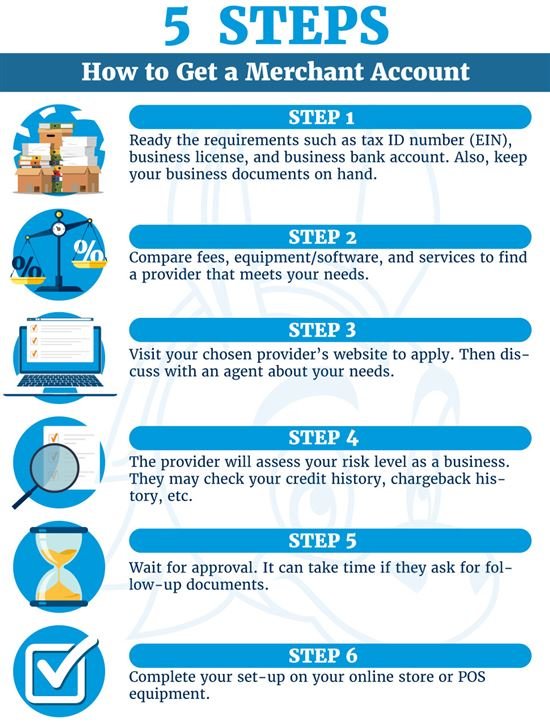
Understand the requirements and streamline your application process.
How To Get A Merchant Account: Step-By-Step Guide
Unlock the process to secure your merchant account with a thorough understanding of requirements, documentation, pricing, and more.
50+
Years of Combined Experience
10,000+
Merchant Accounts Approved
99%
Approval Rate
24/7
Client Support
Understanding Merchant Accounts
Merchant accounts are essential for businesses that need to accept card payments. A merchant account serves as an agreement between a merchant and a bank that allows the business to accept electronic payment by card. This article will provide an in-depth overview of the process for obtaining a merchant account.
Application Requirements
When applying for a merchant account, certain requirements must be met to ensure a smooth process. Below are the common requirements:
- Completed application form detailing your business and personal information.
- Business ownership identification like a driver’s license or passport.
- Business license or legal structure of the entity (LLC, Corporation, etc.).
- Tax identification number (EIN or SSN).
- Financial statements or bank statements for the past 3 to 6 months.
Documentation Needed
Aside from the application form, you will need to provide documentation to further support your application. This can include:
- Government-issued ID (for owners).
- Proof of address (utility bill or lease agreement).
- Bank statements from your business accounts that detail your transaction history.
- Previous credit card processor statements, if applicable.
The Underwriting Process
The underwriting process involves the evaluation of your business’s risk factors. Underwriters will review your credit score, transaction history, and the nature of your business. During this process, ensure that all information you provided is accurate, and be prepared to answer any follow-up questions.
Approval Timelines
Approval timelines for merchant accounts can be variable depending on the company you choose and your business profile. Typically:
- Initial review can take 1-3 business days.
- In-depth underwriting may take an additional 3-5 business days.
- For some applicants, additional documentation may be needed which could delay the process.
Pricing Structures
Understanding the pricing structures related to merchant accounts is essential. Costs can vary widely, but here are common fees associated with a merchant account:
- Monthly Fees: Can vary per provider, usually charged for maintaining the account.
- Transaction Fees: A percentage of each transaction processed.
- Chargeback Fees: Fees incurred when a customer disputes a charge.
Reserves in Merchant Accounts
In some cases, providers may require a reserve. This is a percentage of your sales that is held for a specific period to cover possible chargebacks or refunds. Understanding how reserves work can help you navigate potential cash flow issues:
- Typically, reserves are held for 30-90 days.
- Some merchants are offered no reserves based on creditworthiness.
Funding Timelines
Once your merchant account is set up, understanding funding timelines can help manage expectations:
- Most funding occurs within 1-3 business days post transaction.
- Merchant providers may have different hold times, especially for new accounts.
Conclusion
Applying for a merchant account is a vital step for businesses wishing to accept electronic payments. By understanding the application requirements, necessary documentation, and the underwriting process, you can streamline your application experience. If you’re ready to get started, apply now today!
Frequently Asked Questions
Your questions answered about getting a merchant account.
What Types of Businesses Qualify for a Merchant Account?
Most businesses can qualify, but some high-risk industries may have specific requirements.
Can I Get a Merchant Account With Bad Credit?
It is possible, but it may come with higher fees or require additional documentation.
Do I Need to Switch My Existing Merchant Account?
If you’re not satisfied with your current provider, switching accounts can improve your terms.
Can My Merchant Account Be Closed?
Yes, accounts can be closed if terms are violated or if fraud is suspected.
What Is the Cost of Setting Up a Merchant Account?
Costs can vary depending on your provider and your business’s specific needs.
How Can I Increase My Chances of Getting Approved?
Maintain good financial standing and have all documentation prepared and clear.
What Should I Do If My Application Is Denied?
Contact the provider for clarification on the denial and work to address any issues raised.
Ready To Get Started?
Secure your merchant account today to start accepting payments seamlessly.