How is THCA legal.
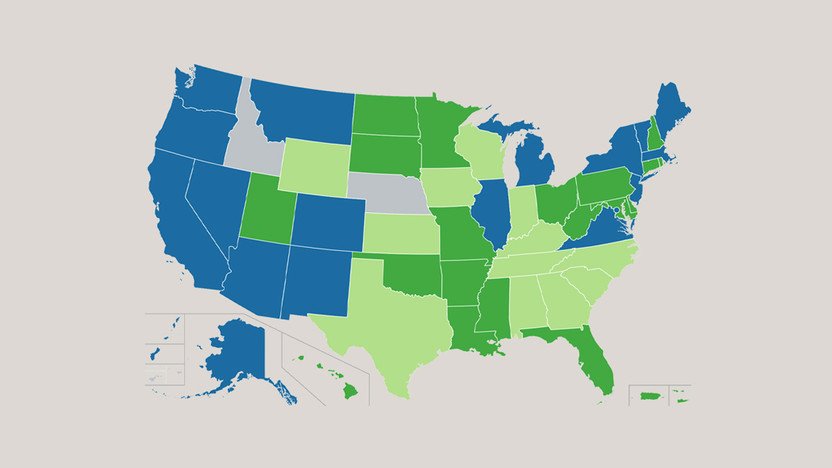
THCA’s legality under hemp rules varies based on a variety of factors including the Farm Bill interpretation and state laws. Learn more.
50+
States with varying laws
200+
Brands of THCA products
3
Key factors influencing legality
100%
Focus on compliance
Understanding the Legal Landscape of THCA
The legality of THCA (tetrahydrocannabinolic acid) has become a considerable subject amongst businesses engaging with cannabinoid products. Since the passing of the Farm Bill in 2018, numerous merchants have claimed that THCA products can be sold legally under the evolving hemp regulations. However, the understanding of that legality is convoluted and contingent on a myriad of factors.
The Farm Bill and Its Implications
The Farm Bill, formally called the Agriculture Improvement Act of 2018, legalizes hemp and hemp-derived cannabinoids, provided they maintain below 0.3% delta-9 THC concentration. This pivotal legislation laid the foundation for legal sales of various hemp products, but the issues surrounding THCA are rooted deeply in how this law is interpreted.
Key to understanding THCA legality lies in the definition of what constitutes hemp versus how delta-9 THC concentration is calculated. Products infused with THCA might arguably not provide a psychoactive effect, but how they convert in bodily systems once heated (decarboxylation) introduces another layer of interpretation.
Delta-9 THC Concentration
The delta-9 THC concentration directly influences whether THCA products abide by the criteria set forth under the Farm Bill. With any product marketed as hemp, laboratories generally test for this concentration as a means of proving compliance. If a product exceeds 0.3% delta-9 THC, it automatically enters a legal gray area.
Merchants must be cautious. Dogged lab testing and clear documentation need to be a part of product preparation processes to ensure compliance with regulations. A failure in these checks can lead to considerable legal implications.
Total THC Considerations
Another critical aspect of THCA legality involves how the total THC concentration is calculated. Some interpretations combine both delta-9 THC and the potential delta-9 THC resulting from THCA once it undergoes decarboxylation. This interpretation has led to enhanced scrutiny on some THCA products. The calculation method can vary widely, depending on the state or even the specific testing laboratory involved.
Lab Testing and Product Quality
Lab testing stands at the forefront of verifying legal compliance for THCA and THC products. When merchants fabricate products, they must utilize accredited laboratories that can determine both the delta-9 THC levels and potential conversion rates.
It’s imperative to conduct comprehensive tests, and many brands maintain transparency through Certificates of Analysis. Customers and potential partners often look for these verifications to foster trust. Any inconsistencies or failures in lab-based checks may not only jeopardize sales but also risk future merchant operations.
State Law Variations
Moreover, various state laws have implemented stipulations that can either facilitate or complicate the legality of THCA products. While federal law may allow certain sales, state legislation might impose stricter limitations or entirely ban the sale of THCA products.
It’s critical for businesses to be keenly aware of the local regulations governing cannabinoids to operate effectively and within the bounds of the law.
Enforcement Risks
Enforcement of laws regarding THCA can be highly variable, primarily based on interpretation by local authorities. A product considered compliant by one jurisdiction may face enforcement actions in another. It’s not uncommon for banks and payment processors to evaluate potential merchants suspiciously due to the nuances surrounding hemp laws.
Risk assessment often leads to higher scrutiny of merchants selling THCA products. These institutions may require more documentation and assurances that the operations follow all relevant regulations to prevent any legal pitfalls.
Merchant Account Preparation
Establishing a merchant account as a THCA seller involves thorough preparation and documentation submission. Financial institutions will expect detailed information regarding product sourcing, lab test results, and compliance strategies. Furthermore, the merchant’s website, marketing materials, and even customer service protocols will also be examined as part of the underwriting process.
Merchants should proactively approach this by integrating compliance measures into their business operations rather than waiting for mandates from banks. This readiness not only fosters relationships with financial institutions but enhances long-term viability.
1. Business license and tax ID
2. Certificates of Analysis from accredited testing labs
3. Standard operating procedures for processing and handling THCA products
Chargeback Prevention Methods
Chargeback rates can be a significant concern for THCA merchants. Given the complications that arise from disputes regarding legality and product effectiveness, THCA sellers must invest in solid customer service systems to mitigate chargebacks.
Implementing proactive communication with customers and offering satisfaction guarantees or refunds can diminish the potential for disputes, ultimately preserving reputation and maintaining merchant account standing.
Frequently Asked Questions
Is it legal to sell THCA products?
The legality of selling THCA products depends on several factors, including state laws and the concentration of delta-9 THC. Refer to your state regulations for specific guidance.
Can I face legal issues for selling THCA?
Yes, it’s possible. Factors such as enforcement, state law, and product testing play a role in determining your legal risk.
Why are banks cautious about THCA merchants?
Banks and processors are cautious due to the variability in laws and the potential for legal and financial liabilities associated with THCA sales.
What is the best way to prepare for a merchant account?
Prepare by ensuring compliance with laws, providing thorough documentation, and maintaining transparency in your operations.
How can I prevent chargebacks?
To prevent chargebacks, focus on customer satisfaction, clear communication, and prompt resolution of any disputes.
Join the THCA Marketplace Today.
Are you ready to dive into the world of THCA sales? Ensure you’re well-prepared and compliant with High Wire Payments.
Apply Now →