wisconsin kratom payment processing for high-risk merchants.
Wisconsin treats kratom differently than regulated-sale states. High Wire Payments helps Wisconsin businesses review lawful payment options for high-risk retail, ecommerce, CBD, hemp, smoke shop, and botanical-adjacent products where legally permitted.
WI
State risk review
2014
Kratom alkaloids controlled
CNP
Ecommerce review
21+
Age controls for adjacent goods
Wisconsin kratom payment processing requires a compliance-first approach because kratom is restricted in the state. Wisconsin has treated the primary kratom alkaloids mitragynine and 7-hydroxymitragynine, often called 7-OH, as controlled substances since 2014. That means a merchant in Milwaukee, Madison, Green Bay, Kenosha, Racine, Appleton, Waukesha, Eau Claire, Oshkosh, or Janesville cannot be evaluated the same way as a merchant in a state with a regulated kratom consumer protection framework. High Wire Payments serves Wisconsin businesses where legally permitted, but we do not advise merchants to sell prohibited products or route transactions in a way that hides restricted inventory.
For many Wisconsin operators, the practical payment question is not simply, “Can I process kratom cards in Wisconsin?” The better question is, “What products can I lawfully sell, how should my payments file disclose them, and what risk controls will an acquiring bank expect?” Smoke shops, vape stores, convenience retailers, wellness stores, ecommerce brands, and supplement sellers often carry mixed inventory. A store may have tobacco accessories, CBD, hemp-derived products, nutraceuticals, beverages, apparel, glassware, and packaged retail goods. If kratom is part of the brand history, website content, SEO footprint, supplier catalog, or chargeback record, underwriters may still ask for a deeper review even when Wisconsin-restricted items are removed from active sale.
High Wire Payments helps merchants organize that review. We look at product legality, sales channel, fulfillment geography, refund policy, descriptor clarity, chargeback exposure, age-gating, product labeling, certificates of analysis where applicable, and the distinction between in-store POS and ecommerce card-not-present activity. If you operate outside Wisconsin and ship to multiple states, the review must also account for destination-state rules, blocked shipping zones, and whether your checkout can prevent orders to Wisconsin addresses for restricted products.
Wisconsin is not a regulated kratom sales state. Research sources identify Wisconsin among states with statewide kratom bans or restrictions, and Wisconsin has controlled mitragynine and 7-hydroxymitragynine since 2014. This page is payment guidance for lawful businesses and alternative high-risk product categories, not legal advice or authorization to sell kratom in Wisconsin.
why Wisconsin kratom and botanical merchants are high-risk
Kratom and kratom-adjacent businesses are considered high-risk because processors must evaluate legal variability, regulatory attention, consumer complaints, chargebacks, product claims, and fulfillment practices. The national kratom policy landscape is uneven. Some states ban kratom outright, some regulate it through consumer protection laws, and some focus on 7-OH or synthetically enhanced products. The Rockefeller Institute of Government noted on April 8, 2026 that states have generally considered bills falling into three categories: bans, scheduling kratom or 7-OH under controlled substances laws, or regulated sale models. Wisconsin falls on the restricted side of that landscape.
This matters to payment processors because acquiring banks do not only look at the payment transaction. They review the product, the claims made about it, the customer base, the fulfillment process, and whether the merchant can show that sales are lawful in every jurisdiction served. A Wisconsin merchant with a website that uses kratom keywords, lists restricted alkaloids, makes wellness or drug-related claims, or accepts orders without geographic controls is likely to trigger enhanced underwriting. The same is true for a smoke shop in Madison or Green Bay if its inventory list includes products that cannot be lawfully sold in Wisconsin.
Public-health scrutiny also affects underwriting. The Medical College of Wisconsin reported from Milwaukee on April 29, 2026 that kratom exposures reported to U.S. poison centers increased from 19 cases in 2010 to 1,242 cases in 2023, with severe outcomes rising to 158 cases in 2023. High Wire does not use that information to make medical claims about products. It is relevant because banks, card brands, and risk teams consider public enforcement trends, consumer harm allegations, and reputational exposure when deciding whether a merchant account can be supported.
serving Wisconsin businesses where legally permitted
High Wire Payments serves Wisconsin businesses where legally permitted; we do not claim to have a physical Wisconsin office. Our role is to help merchants present a complete, transparent risk profile to payment partners. For a Milwaukee smoke shop, that may mean separating lawful tobacco accessories, CBD, and hemp-derived inventory from any prohibited products. For a Madison ecommerce seller, it may mean adding address-based shipping restrictions, removing restricted SKUs, revising product pages, and documenting supplier testing. For a Green Bay or Appleton retailer, it may mean confirming POS-only inventory, signage, age controls, and refund policies before applying for processing.
Wisconsin’s business environment includes dense urban retail corridors, university communities, tourist traffic, and cross-border commerce with Illinois, Minnesota, Michigan, and Iowa. Merchants in Kenosha and Racine may see customers from northern Illinois. Stores in Eau Claire and Wausau-area markets may serve regional buyers. Oshkosh, Janesville, and Waukesha retailers may operate both brick-and-mortar and ecommerce channels. That cross-border activity can create compliance complexity because what is allowed in one state may be restricted in another. Underwriting needs to see how the merchant prevents unlawful delivery or sale.
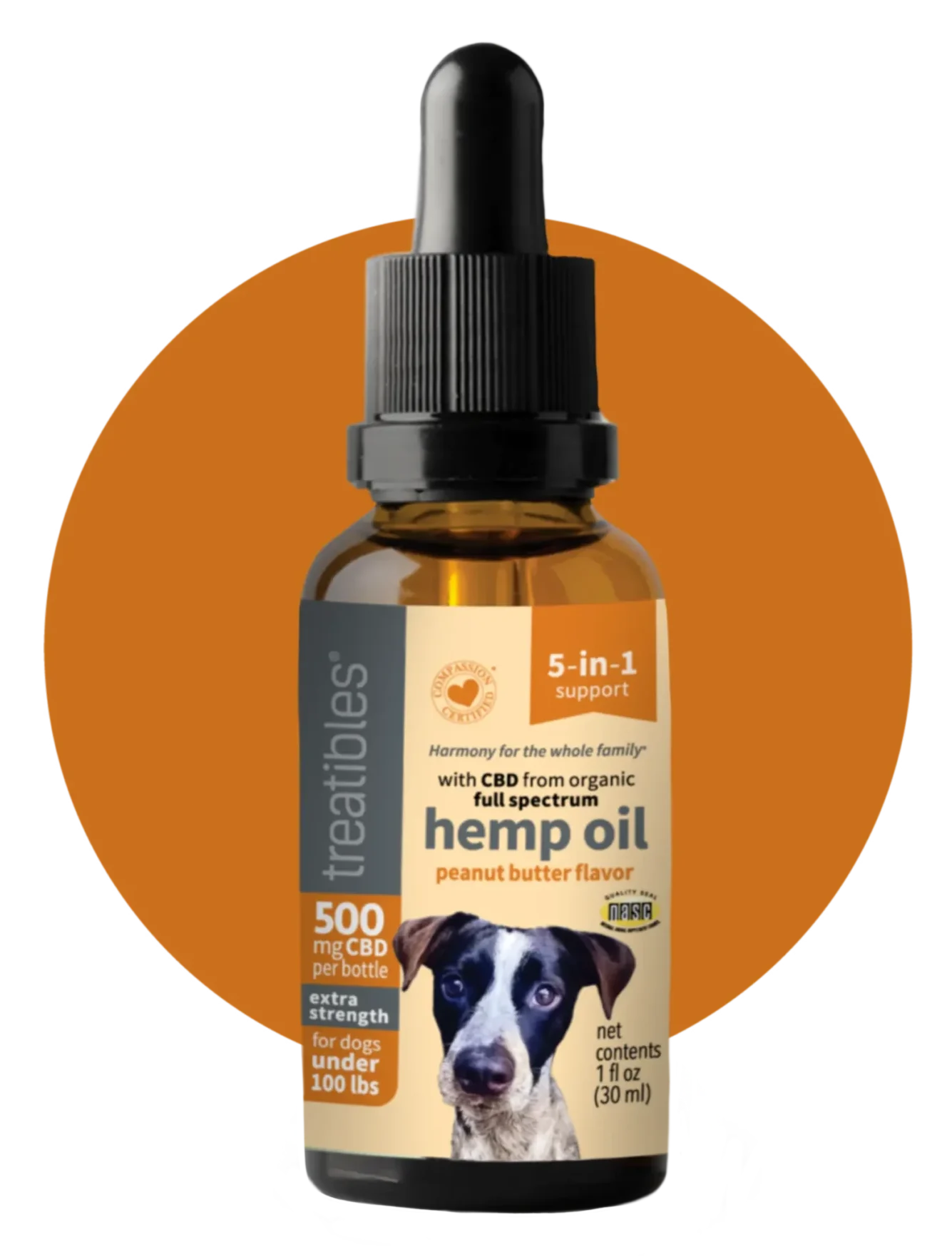
If kratom is not supportable for a Wisconsin merchant, High Wire can still review other high-risk categories where legally permitted. These may include CBD payment processing, hemp payment processing, smoke shop payment processing, nutraceutical processing, and broader high-risk merchant services. Each category has its own requirements. CBD and hemp merchants need compliant labeling, certificates of analysis, THC documentation, and no unsupported health claims. Smoke shops need age controls and inventory clarity. Nutraceutical merchants need FDA disclaimer discipline and a refund process that lowers chargeback exposure.
Using a different descriptor, miscoding a website, splitting invoices, or processing restricted sales through an unrelated merchant account can lead to processor shutdown, reserve holds, MATCH/TMF risk, frozen funds, and card-brand review. The compliant path is accurate disclosure and product-by-product underwriting.
processor shutdown risks for Wisconsin merchants
Processor shutdowns usually happen when the live business does not match the approved underwriting file. A merchant may apply as a general retail store, but the website shows kratom powders, 7-OH products, restricted botanical capsules, or claims that imply drug effects. Another merchant may be approved for in-store accessories but later adds ecommerce checkout for products that were never reviewed. When a processor discovers undisclosed inventory, it can suspend deposits, request invoices, freeze batches, or terminate the account with little warning.
Wisconsin kratom risk is especially sensitive because the state is not merely imposing age limits or labeling rules; the key alkaloids are treated as controlled substances. That creates a different underwriting posture than a state where kratom is legal for adults with testing and label requirements. A lawful alternative-product merchant should be prepared to prove what it sells and what it does not sell. Screenshots, supplier invoices, SKU lists, fulfillment settings, and website archives can all become part of the review.
High Wire’s approach is to identify the risk before the processor does. We review the application, product catalog, URLs, checkout flow, social profiles, shipping policy, return policy, and any prior processing history. If there are legacy kratom pages, old blog content, marketplace listings, or supplier feeds still visible online, those issues should be cleaned up before the file is submitted. A transparent file is more likely to receive a realistic decision and less likely to create post-approval disruption.
documents Wisconsin high-risk merchants should prepare
Underwriting for Wisconsin botanical, CBD, hemp, smoke shop, or nutraceutical merchants depends on documentation. The more regulated or controversial the product category, the more important it is to show that the business understands its obligations. A complete file does not guarantee approval, but it reduces avoidable delays and helps processors distinguish lawful operations from unsupported or prohibited sales. This is particularly important for ecommerce and card-not-present merchants because the bank cannot rely on in-person verification at the counter.
- Wisconsin business formation documents or registration records showing the legal entity name
- Federal EIN confirmation matching the application and bank account
- Owner identification for all required beneficial owners
- Three to six months of recent processing statements, if available
- Three to six months of business bank statements
- Complete product list with restricted Wisconsin kratom items removed where applicable
- Supplier invoices for CBD, hemp, smoke shop, nutraceutical, or accessory inventory
- Certificates of analysis for hemp-derived products, including THC documentation where applicable
- Website URLs, checkout screenshots, shipping settings, and blocked-state rules
- Refund, privacy, terms of service, fulfillment, and chargeback response policies
Wisconsin retailers with physical locations should also prepare store-level details. Underwriters may ask whether products are behind the counter, whether staff check identification, whether the store uses age prompts at the POS, and whether receipts clearly identify the merchant. For smoke shop and vape-adjacent merchants, 21+ controls are often expected even when the reviewed inventory is not kratom. For CBD and hemp merchants, labels should avoid disease claims, drug-treatment language, or unverified therapeutic promises.
ecommerce, card-not-present, and POS options
Ecommerce processing creates more risk than a simple in-person sale because the customer, delivery address, and age verification all happen remotely. A Wisconsin merchant selling lawful alternative products should use checkout controls that match the product risk. That may include address validation, blocked shipping to restricted jurisdictions, AVS and CVV checks, velocity controls, fraud scoring, order review queues, and clear product descriptions. If a merchant sells CBD or hemp-derived items, the checkout should not allow restricted products to ship into states or municipalities where those items are not allowed.
For POS, the key issue is whether the products being sold are lawful and fully disclosed. High Wire can review retail payment options for smoke shops, CBD stores, hemp retailers, and other high-risk merchants where legally permitted. In-store systems may include compliant terminals, countertop devices, mobile readers, or integrated POS workflows depending on the merchant type and processor approval. A Waukesha smoke shop, an Oshkosh retailer, or a Racine convenience store should not assume that a general-purpose retail account covers every product on the shelf.
Card-not-present support must also be paired with chargeback prevention. Botanical, CBD, hemp, and supplement buyers may file disputes because of delivery confusion, subscription misunderstandings, product dissatisfaction, descriptor mismatch, or refund delays. High Wire helps merchants evaluate billing descriptors, customer service visibility, tracking practices, return windows, and representment documentation. These controls do not remove risk, but they make the account easier to monitor and defend.
Wisconsin kratom payment processing preparation checklist
Before applying, Wisconsin merchants should complete a practical risk review. The goal is to avoid submitting an application that appears incomplete, inconsistent, or noncompliant. If kratom is restricted in Wisconsin, the file should clearly show how the business operates lawfully, what products are included, what products are excluded, and how the merchant prevents prohibited sales.
- Confirm current Wisconsin law with qualified counsel before selling or advertising any kratom product
- Remove restricted kratom, mitragynine, and 7-OH products from Wisconsin-facing sales channels
- Audit website pages, blog posts, metadata, supplier feeds, and marketplace listings for outdated kratom content
- Build a clean SKU list separating CBD, hemp, smoke shop, nutraceutical, accessory, and other lawful products
- Add age-gating, ID-check procedures, and staff training for 21+ retail categories where applicable
- Collect COAs and supplier invoices for hemp-derived products and keep them available for underwriting
- Use blocked-state shipping rules for ecommerce and document those settings with screenshots
- Publish clear refund, shipping, privacy, and terms pages before submitting the merchant application
- Review chargeback ratios, prior processor notices, reserve history, and customer complaint patterns
- Apply through High Wire at https://highwireleah.com/apply/ or call 805-827-7451 for a compliance-aware review
If your Wisconsin business needs payment processing for lawful high-risk products, start with disclosure rather than assumptions. Review the kratom payment processing hub at /kratom-payment-processing/, our high-risk merchant services page at /high-risk-merchant-services/, CBD payment processing at /cbd-payment-processing/, hemp payment processing at /hemp-payment-processing/, and smoke shop payment processing at /smoke-shop-payment-processing/. To request a review, apply at https://highwireleah.com/apply/ or call 805-827-7451.
Serving Wisconsin markets where legally permitted
High Wire supports compliance-aware payment reviews for businesses in Milwaukee, Madison, Green Bay, Kenosha, Racine, Appleton, Waukesha, Eau Claire, Oshkosh, Janesville, and surrounding Wisconsin communities.
How High Wire reviews Wisconsin high-risk merchants
Our review focuses on legal fit, product transparency, chargeback controls, and the difference between prohibited kratom sales and lawful adjacent categories.
Restricted SKU screening
We review product catalogs for Wisconsin-restricted kratom terms, including mitragynine and 7-OH references. The file should show what has been removed from sale and what lawful inventory remains.
Ecommerce shipping controls
For card-not-present merchants, we review checkout screenshots, blocked-state settings, and fulfillment rules. This helps document that restricted products are not being shipped into Wisconsin or other prohibited jurisdictions.
CBD and hemp documentation
When a merchant pivots to CBD or hemp, we request COAs, supplier invoices, THC documentation, and compliant labels. Product pages should avoid unsupported medical or drug-treatment claims.
Chargeback ratio monitoring
High Wire helps merchants monitor disputes with practical alerts before chargeback ratios become a processor problem. We focus on descriptor clarity, tracking, refund timing, and representment documentation.
POS and retail workflow review
For smoke shops and retail stores, we review age prompts, behind-counter procedures, product categories, and receipt descriptors. POS support depends on lawful inventory and processor approval.
Reserve and underwriting guidance
High-risk accounts may involve rolling reserves, volume caps, or additional document requests. We help merchants understand those terms before they scale Wisconsin-facing ecommerce or retail sales.
Is kratom legal to sell in Wisconsin?
Wisconsin restricts kratom because mitragynine and 7-hydroxymitragynine have been treated as controlled substances since 2014. Merchants should consult qualified counsel before advertising, selling, possessing, or shipping kratom in Wisconsin.
Can High Wire process Wisconsin kratom transactions?
High Wire serves Wisconsin businesses where legally permitted, but we do not support prohibited sales or hidden processing. If kratom is restricted, we can review lawful alternative product categories such as CBD, hemp, smoke shop accessories, and nutraceuticals.
Do Wisconsin kratom retailers need a separate state license?
Wisconsin is not operating a regulated kratom licensing model based on the research provided. Because the key alkaloids are controlled, the issue is not a simple retail license; merchants should seek legal guidance before any kratom-related activity.
What if my Milwaukee or Madison store used to sell kratom?
Legacy activity can still affect underwriting if old product pages, reviews, invoices, or social posts remain visible. High Wire can help review the file and identify materials that should be corrected before applying for lawful high-risk processing.
Can a Wisconsin smoke shop get payment processing for non-kratom inventory?
Possibly, if the inventory is lawful, disclosed, and supported by the processor. Smoke shop accounts typically require product lists, age controls, supplier invoices, clear descriptors, and chargeback management.
Can I sell CBD or hemp products in Wisconsin with High Wire?
High Wire can review CBD and hemp payment processing where legally permitted. Underwriters usually request COAs, THC documentation, compliant labeling, supplier invoices, and a website free of unsupported medical claims.
Can I ship kratom from another state to Wisconsin customers?
Shipping restricted products into Wisconsin can create legal and payment-processing risk. Ecommerce merchants should use blocked-state rules and legal review before accepting orders for any product restricted in the destination state.
Why did my processor shut down my botanical or smoke shop account?
Common reasons include undisclosed products, kratom-related website content, high chargebacks, unsupported claims, descriptor mismatch, or selling products outside the approved underwriting file. A new application should address those issues directly.
Will I need a rolling reserve for high-risk processing in Wisconsin?
A reserve may be required depending on product type, processing history, chargeback ratios, fulfillment timing, and underwriting risk. High Wire helps merchants understand reserve terms, but approval and pricing are determined by the processor.
How do I apply for a Wisconsin high-risk merchant review?
Apply at https://highwireleah.com/apply/ or call 805-827-7451. Be ready to provide business documents, product lists, supplier invoices, website details, processing history, and any compliance materials related to CBD, hemp, smoke shop, or nutraceutical products.
Request a Wisconsin high-risk payment review
If your Wisconsin business needs compliant guidance for lawful high-risk products, High Wire can review your product mix, sales channels, chargeback history, and underwriting documents. Apply at https://highwireleah.com/apply/ or call 805-827-7451.
Apply Now