What Is AVS and How It Enhances Security in Transactions
AVS is a vital service for preventing fraud in high-risk industries. Learn how it works and why you should implement it.
99%
Transaction Success Rate
100%
Secure Payment Processing
20+
Major Industries Served
15+
Years of Experience
Address Verification System (AVS) is a service that helps merchants prevent fraud by verifying the address provided by a cardholder during online transactions. This security measure is especially important for high-risk industries where fraudulent transactions are more common.
How Does AVS Work?
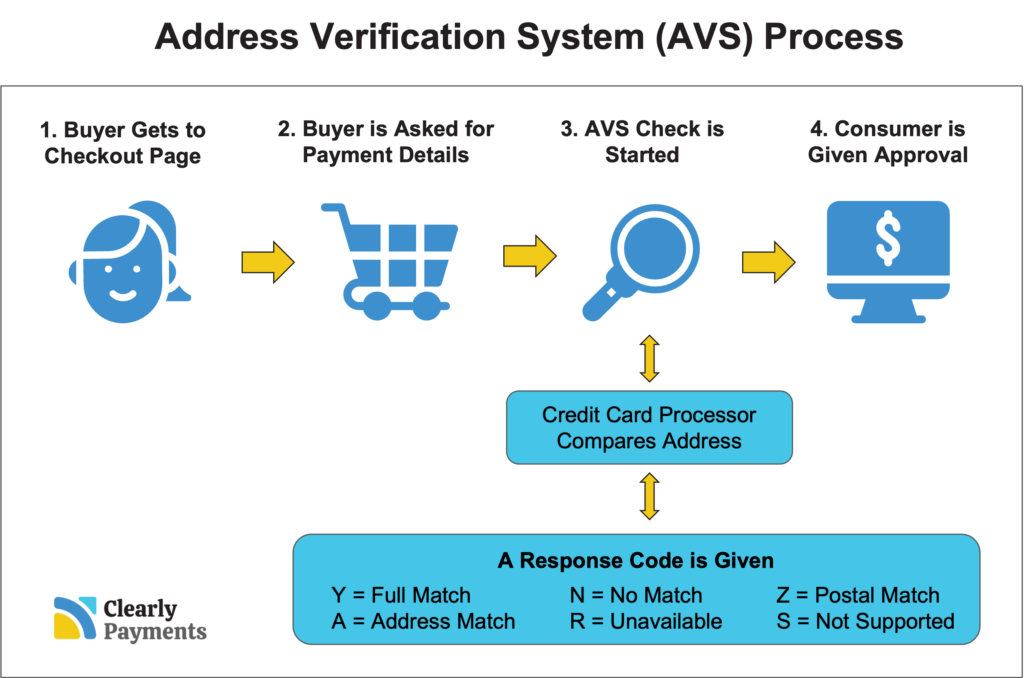
When a customer enters their billing address during checkout, the AVS compares it against the address on file at their card issuer. If the address matches, the transaction is likely to be approved. If it doesn’t, the payment may be flagged for further review.
Using AVS can significantly reduce the incidence of fraud, thereby protecting your business from potential chargebacks and lost revenue.
Industries That Benefit from AVS
AVS is beneficial for various sectors, especially those dealing with high-risk products such as CBD, kratom, and e-commerce. These industries often face heightened scrutiny from payment processors, making effective fraud prevention essential.
Can AVS Prevent Chargebacks?
By verifying addresses, AVS helps to minimize the risk of fraudulent transactions and can assist in preventing chargebacks, which can have severe financial ramifications for retailers.
FAQs About AVS
Common questions regarding Address Verification System.
What is AVS?
AVS is a security feature that helps verify the identity of the user through their address during transactions.
How can AVS improve my business?
By implementing AVS, businesses can lower the risk of fraud.
What if the AVS check fails?
You may choose to verify the address manually or decline the transaction.
Is AVS the same for all card types?
No, different card issuers may have varying AVS policies.
Will AVS check international addresses?
AVS typically works with domestic addresses and may not be effective for international transactions.
Can I still accept transactions without AVS?
Yes, but it is advisable to use it as a preventive measure against fraud.
What merchants should know about what is avs – high wire payments.
Businesses researching is avs high wire payments usually need more than a basic payment account. High-risk merchants should understand underwriting, website compliance, payment gateway compatibility, chargeback exposure, refund policies, fraud controls, and backup payment options before they apply for processing.
Processors and acquiring banks may review the products or services sold, the business model, the website, application details, ownership information, processing history, bank statements, fulfillment practices, customer service workflow, and dispute history.
Merchants should keep product pages accurate, avoid unsupported claims, make refund and shipping terms easy to find, use a clear billing descriptor, respond quickly to customer questions, and keep documentation organized.
High Wire Payments helps high-risk businesses review merchant account options, payment gateway setup, ACH or eCheck backup payments, chargeback prevention, and compliance readiness before payment processing goes live.