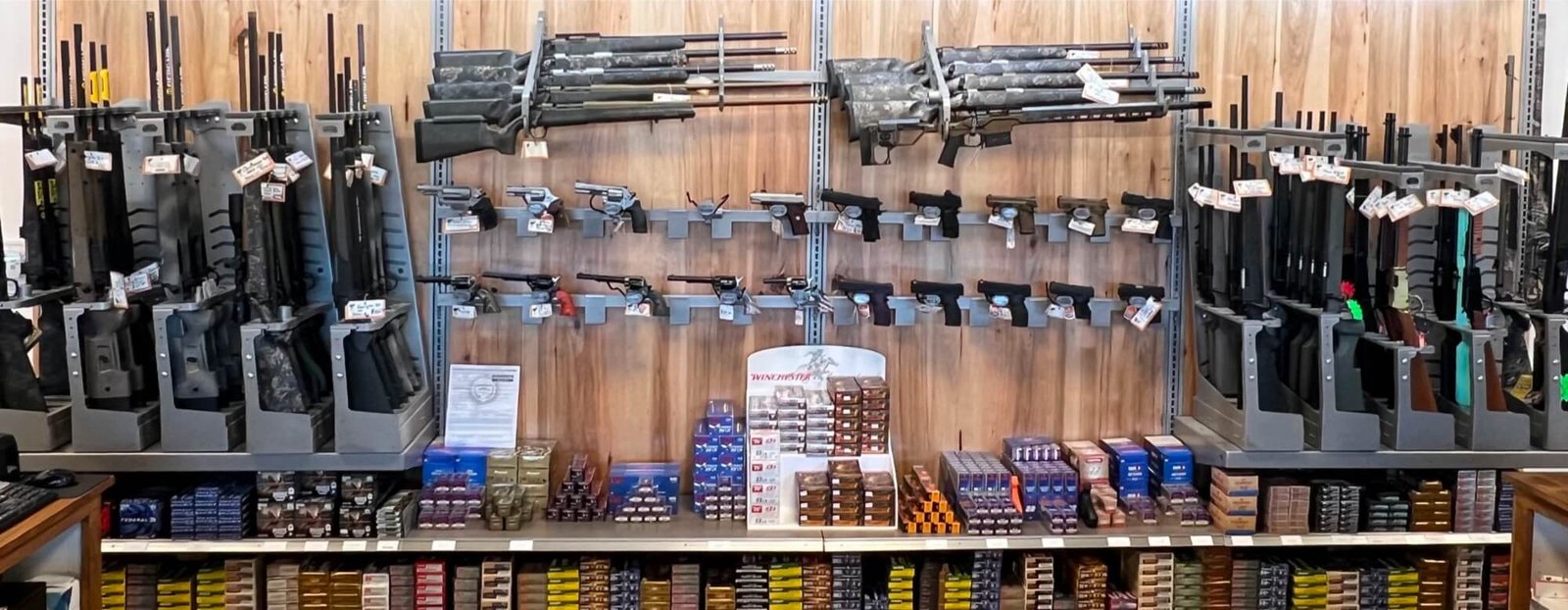
Underwriting for firearms, ammunition, accessories, training, range fees, and ecommerce requires clean documentation. We help organize the risk file before it reaches a processor.
virginia firearms credit card processing high-risk merchants.
Virginia firearms merchants face tighter underwriting, elevated chargeback scrutiny, and changing state rules. High Wire Payments helps FFL dealers, ammunition retailers, shooting ranges, sporting goods shops, and ecommerce sellers prepare documentation, age controls, product policies, and POS workflows for compliant payment review.
21+
Handgun Dealer Sales
18+
Rifle And Shotgun Sales
75,376
VA May Background Checks Cited
Jul 1
2026 Rule Changes Reported
Virginia firearms credit card processing is not a standard retail setup, even when a store operates legally with a Federal Firearms License and follows state background check procedures. FFL dealers in Virginia Beach, Norfolk, Chesapeake, Richmond, Newport News, Alexandria, Hampton, Roanoke, Portsmouth, Suffolk, Lynchburg, and Harrisonburg need merchant accounts that understand firearms, ammunition, accessories, training deposits, range memberships, and ecommerce catalog rules. The underwriting review usually looks beyond monthly volume and average ticket. It asks what is being sold, how age is verified, how restricted items are described, how inventory is controlled, and how chargebacks are handled.
The Virginia market has also been unusually active. WDBJ reported on June 5, 2026 that gun shops across the Commonwealth saw a spike in customers and sales before new firearms restrictions signed by Governor Abigail Spanberger were scheduled to take effect July 1. The same report cited FBI data showing 75,376 background checks in Virginia in May, an increase of about 20,000 since the start of the year. That kind of demand surge can affect payment risk because higher volume, larger tickets, special orders, and faster inventory movement can change the way processors view a merchant file.
For Virginia firearms merchants, the goal is not to find a processor that ignores risk. The goal is to document the business clearly so the acquiring bank can evaluate the account accurately. A Richmond sporting goods shop with a small firearms department has a different profile than a Roanoke indoor range, a Norfolk ammunition seller, or an Alexandria ecommerce business shipping accessories. High Wire Payments works with merchants to prepare the file, explain the sales model, align the website and POS flow with processor expectations, and reduce preventable declines during underwriting.
Virginia State Police guidance cited in the research states that a person must be at least 18 to purchase a rifle or shotgun from a licensed firearms dealer, while handgun purchases from licensed dealers require the purchaser to be at least 21 under federal law. Merchant review should reflect those age controls in store policies, ecommerce checkout language, staff training, and product restrictions.
why virginia firearms merchants are reviewed as high-risk
Firearms businesses are commonly classified as high-risk because the category combines regulated products, age-restricted sales, higher-value transactions, shipping restrictions, political sensitivity, and card-brand scrutiny. A processor may support sporting goods but still decline firearms, serialized parts, ammunition, suppressor-related transactions, or online sales if the risk file is incomplete. Even when a merchant is fully lawful, the processor must understand whether the account includes firearm transfers, ammunition, gunsmithing, range rentals, safety classes, memberships, layaway, deposits, or online catalog sales.
Virginia adds a second layer because state rules and public reporting can change the risk picture. WDBJ reported that businesses such as Ginger Mafia Tactical and Tactical Operations Vault saw customers buying quickly ahead of July 1 restrictions, including pre-orders and strong movement of components used to build AR-style rifles. The March 2026 WDBJ report also described a Roanoke shop, Safeside Tactical, preparing for a possible assault firearms sales ban and expecting long-term changes in product mix. A processor reviewing a Virginia account may ask whether the merchant’s catalog has been updated for any current restrictions before the account goes live.
High-risk does not mean the business is improper. It means the underwriting file needs to answer questions before they become objections. Virginia FFL dealers should be prepared to show licensing, ownership, inventory categories, fulfillment policies, refund terms, privacy and shipping disclosures, and chargeback procedures. For an ecommerce seller, the website must avoid vague product descriptions, hidden checkout flows, or shipping language that suggests restricted goods can be sent without required controls. For a storefront, the POS setup should show clear receipts, product-level reporting, and staff procedures for age verification and transaction documentation.
payment processing for ffl dealers, ammunition retailers, and ranges
A Virginia FFL dealer often needs more than one payment workflow. The counter may handle firearms purchases, ammunition, optics, holsters, cleaning supplies, safes, range time, and training classes. The back office may collect special-order deposits, gunsmithing fees, transfer fees, or membership renewals. If every transaction posts under unclear descriptors, chargebacks become harder to defend. High Wire Payments helps merchants present the sales channels clearly so underwriting can distinguish in-person retail from ecommerce, recurring memberships, and card-not-present deposits.
Ammunition retailers in Chesapeake, Hampton, Suffolk, and Portsmouth should expect questions about age controls, shipping rules, inventory descriptions, and return policies. Ammunition transactions can create disputes when a customer misunderstands caliber, quantity, shipping timing, hazmat limitations, or local delivery restrictions. Clear product labeling, SKU-level receipts, order confirmation emails, and delivery documentation are important chargeback defenses. Merchants should also avoid broad marketing claims and keep product pages factual, especially when selling defensive, hunting, or competition ammunition.
Shooting ranges and training facilities have a different risk profile. A range in Virginia Beach or Roanoke may process lane fees, rentals, ammunition, memberships, private lessons, safety courses, and retail purchases at the same counter. The POS should support fast check-in, customer lookup, itemized receipts, tip-free checkout if appropriate, barcode scanning, cash drawer integration, and end-of-day reconciliation by department. For underwriting, the range should explain whether firearms are rented on-site only, how waivers are collected, how age and identification are checked, and whether online payments are limited to reservations, deposits, or classes.
Virginia firearms retailers often need a practical counter setup: EMV chip readers, tap-to-pay, PIN debit where supported, barcode scanners, receipt printers, cash drawers, and rugged terminals that can sit beside a 4473 workstation or range check-in desk. For larger stores, separate lanes for retail, transfers, and range activity can improve reporting and dispute response.
virginia legal context processors will ask about
Payment companies are not firearms counsel, but they do ask whether the merchant understands the regulatory environment. The research provided for this page includes Virginia State Police age guidance: at least 18 for rifles and shotguns from a licensed dealer, and at least 21 for handguns from a licensed dealer under federal law. NRA-ILA’s Virginia summary states that no state permit is required to otherwise purchase or possess a rifle, shotgun, or handgun, while other policy summaries identify Virginia as having background check requirements and dealer licensing considerations. Because the details can change, operators should confirm current obligations with counsel, the Virginia State Police, ATF resources, and local authorities.
The 2026 reporting matters because processors may ask merchants to show how their catalog changed after July 1. WDBJ reported that new restrictions signed by Governor Abigail Spanberger were scheduled to take effect July 1 and that shops expected limits on certain firearms and magazine types. The report quoted one operator saying firearms with magazine capacity of more than 15 rounds would affect what his shop could sell. A payment file should not make broad legal claims; instead, it should show current product categories, internal review procedures, and a plan for removing or disabling products that cannot be sold.
For ecommerce, the compliance burden is visible on the website. A Virginia seller should have age-gate language where appropriate, restricted-product notices, clear shipping policies, FFL transfer instructions when firearms are involved, and checkout controls that do not allow prohibited shipments. Product labeling should be specific: caliber, capacity, model compatibility, serialized status, manufacturer, condition, and return limitations should be easy to find. Processors prefer to see a site that educates the buyer, documents the transaction, and avoids language that could be read as encouraging misuse or bypassing legal requirements.
documents underwriters commonly request from virginia firearms businesses
Underwriting is smoother when the merchant file is complete before submission. Virginia firearms businesses should expect more documentation than a general retail shop because the processor must support its own risk decision. The file should make ownership, licensing, fulfillment, website content, and chargeback handling easy to verify. If the business has multiple locations or a blended model, such as a Richmond storefront plus a national accessories website, each channel should be described separately.
- Federal Firearms License information for each covered location or business entity
- Virginia business registration, entity documents, and trade name records when applicable
- Owner identification and beneficial ownership information for underwriting review
- Recent processing statements or bank statements showing volume, ticket size, refunds, and chargebacks
- Product category list separating firearms, ammunition, accessories, optics, training, range fees, transfers, and gunsmithing
- Website URL, ecommerce platform details, checkout screenshots, and restricted-product notices
- Age verification, identification check, and staff training policies for in-store sales
- Shipping, delivery, FFL transfer, refund, cancellation, layaway, and special-order policies
- Chargeback response procedure with sample receipts, invoices, delivery records, and customer communications
- POS hardware plan, including terminals, barcode scanners, receipt printers, cash drawers, inventory integrations, and user permissions
A complete file does not guarantee approval, but it reduces avoidable questions. If a Newport News shop sells only ammunition and accessories, the processor should not have to guess that it is a firearms dealer. If a Lynchburg FFL accepts deposits for special orders, the terms should explain when the deposit is refundable and how delays are handled. If a Harrisonburg ecommerce seller ships only accessories and not serialized firearms, the site should say that plainly. Clarity protects the merchant and helps the underwriting team evaluate the account on the facts.
chargebacks, descriptors, and fraud controls for firearms transactions
Chargebacks in firearms retail often come from misunderstandings rather than simple fraud. Common examples include special-order delays, denied background checks, restocking fees, nonrefundable deposits, ammunition compatibility issues, range membership cancellations, or a buyer claiming the product description was unclear. For Virginia merchants seeing demand spikes like those reported in 2026, these problems can increase when staff are busy and inventory changes quickly. A strong payment setup should include itemized receipts, consistent business descriptors, signed terms for deposits, and customer communication records.
Descriptors matter because many customers do not recognize a legal entity name that differs from the storefront. A Norfolk customer may buy from a shop using a corporate name in another city, then dispute the charge when the statement descriptor looks unfamiliar. High Wire Payments encourages merchants to use recognizable descriptors where available, send digital receipts, and keep customer service contact information visible. For ecommerce, order confirmation emails should repeat the business name, product description, billing descriptor, shipping timeline, and cancellation rules.
Fraud controls should match the channel. In-store transactions should use EMV chip or contactless acceptance rather than keyed entry whenever possible. Card-not-present orders should use address verification, CVV, velocity rules, manual review for unusual baskets, and shipment documentation. Range and training operators should keep reservation terms visible before payment. If a merchant’s chargeback ratio starts rising, early monitoring is critical because high-risk accounts can be reviewed quickly when disputes exceed processor thresholds.
virginia firearms payment processing preparation checklist
Before applying for a firearms merchant account, Virginia operators should prepare a practical package that answers legal, operational, and payment questions. The checklist below is designed for FFL dealers, ammunition retailers, sporting goods stores, ranges, and ecommerce sellers preparing for a processor review.
- Confirm the current Virginia and federal rules that apply to your product mix before submitting the account.
- Organize FFL, business registration, ownership, lease, utility, and bank documentation by legal entity.
- Separate revenue categories for firearms, ammunition, accessories, range fees, training, memberships, transfers, and ecommerce.
- Review your website for age controls, restricted-product language, FFL transfer steps, shipping limits, and refund policies.
- Make product labels specific, including caliber, capacity, compatibility, condition, manufacturer, and serialized status where relevant.
- Choose POS hardware that supports EMV, contactless payments, barcode scanning, receipt printing, cash drawer control, and staff permissions.
- Use signed terms for layaway, special orders, transfers, rentals, training deposits, and membership billing.
- Set up chargeback monitoring, digital receipts, order confirmations, delivery records, and a dispute response folder.
- Prepare a short written explanation of any 2026 catalog changes related to Virginia restrictions taking effect July 1.
- Request a High Wire Payments review at /contact or compare firearms merchant services at /high-risk-merchant-accounts before changing processors.
High Wire Payments can review the business model, documentation, website, and POS needs before an application is submitted. For Virginia firearms merchants in Virginia Beach, Richmond, Roanoke, Alexandria, Lynchburg, Norfolk, Chesapeake, Newport News, Hampton, Portsmouth, Suffolk, or Harrisonburg, the next step is a compliance-aware payment consultation, not a promise of approval. Start with the review form at /contact and bring your licensing, product categories, processing history, and questions about POS hardware, ecommerce acceptance, and chargeback controls.
Virginia firearms payment markets we review
High Wire Payments reviews firearms merchant account needs across coastal, central, northern, and western Virginia markets, including storefront, range, ammunition, and ecommerce models.
specific payment support for Virginia firearms merchants
A firearms merchant account needs more than card acceptance. These controls help Virginia operators present a cleaner file, run the counter efficiently, and respond to disputes.
FFL-aware underwriting file preparation
High Wire Payments organizes FFL information, ownership records, product categories, ecommerce screenshots, and store policies before submission. The goal is to show exactly how the Virginia business sells firearms, ammunition, accessories, transfers, training, and range services.
POS hardware mapping for the sales counter
We help map countertop terminals, EMV readers, barcode scanners, receipt printers, cash drawers, and staff permissions to the way the shop actually operates. A range can separate lane fees from retail sales, while a dealer can keep special orders and transfers easier to reconcile.
Ecommerce and restricted-product review
For online sellers, High Wire reviews checkout flow, age notices, shipping language, FFL transfer instructions, refund terms, and product labeling. This helps reduce underwriting friction and prevents avoidable disputes from unclear firearm, ammunition, or accessory descriptions.
Chargeback ratio monitoring
Merchants can monitor disputes with early alerts before chargebacks become a processor-level problem. High Wire focuses on documentation workflows such as itemized receipts, delivery records, signed deposit terms, and recognizable billing descriptors.
2026 Virginia catalog-change documentation
Because Virginia reporting cited new restrictions scheduled for July 1, 2026, merchants may need to explain product removals, disabled SKUs, or changed sales categories. High Wire helps format that explanation for payment review without giving legal advice.
Multi-channel firearms account structure
A Virginia shop may run storefront retail, range memberships, classes, gunsmithing, transfers, and ecommerce under one brand. High Wire helps separate channels in the application so transaction types, refund policies, and chargeback evidence are easier to understand.
Can a Virginia FFL dealer get credit card processing?
Yes, many lawful Virginia FFL dealers can be reviewed for firearms merchant services, but the account is typically treated as high-risk. Underwriters usually request FFL documentation, product categories, website policies, processing history, and chargeback procedures before making a decision.
Why are Virginia firearms merchants considered high-risk by processors?
Firearms merchants sell regulated, age-restricted products and often process higher-ticket transactions. Processors also review chargeback exposure, shipping restrictions, ecommerce content, product labeling, and whether the business can document compliance procedures.
What is the minimum age for firearm purchases from a Virginia licensed dealer?
Virginia State Police guidance cited in the research states that a person must be at least 18 to purchase a rifle or shotgun from a licensed firearms dealer. Handgun purchases from licensed dealers require the purchaser to be at least 21 under federal law.
Do Virginia gun shops need to explain the July 1, 2026 restrictions to a processor?
A processor may ask how the merchant’s catalog reflects current Virginia law, especially because WDBJ reported new restrictions signed by Governor Abigail Spanberger were scheduled to take effect July 1, 2026. Merchants should be ready to show updated product categories, disabled SKUs, and internal review procedures.
Can a Virginia ammunition retailer accept online payments?
Online ammunition sales may be reviewed, but underwriting will focus on age controls, shipping restrictions, product descriptions, refund terms, and fraud screening. The website should clearly identify caliber, quantity, compatibility, and delivery limitations.
What POS hardware works best for a Virginia gun shop or shooting range?
Most firearms retailers need EMV chip and contactless terminals, barcode scanners, receipt printers, cash drawers, and user permissions. Ranges may also need checkout flows for lane fees, rentals, memberships, training deposits, waivers, and retail purchases.
Can shooting ranges in Virginia process memberships and training fees?
Yes, but the processor will want to understand whether payments are one-time, recurring, refundable, or tied to reservations. Clear cancellation policies, signed terms, and itemized receipts help defend disputes related to classes, memberships, and range time.
What documents should a Virginia firearms ecommerce seller prepare?
Prepare business registration, ownership information, processing statements, product category lists, website screenshots, shipping policies, FFL transfer language if applicable, age notices, and refund terms. Underwriters will also review the checkout experience and restricted-product controls.
Can a sporting goods store in Richmond or Virginia Beach process firearms and non-firearms sales together?
Possibly, but the application should explain the full product mix and separate firearms-related revenue from general sporting goods when possible. Clear reporting helps the processor understand whether the account includes firearms, ammunition, optics, accessories, apparel, range services, or training.
Does High Wire Payments guarantee approval for Virginia firearms merchants?
No. High Wire Payments does not guarantee approval and does not provide legal advice. We help Virginia firearms merchants prepare a complete, compliance-aware payment file so an acquiring bank can review the business accurately.
prepare your Virginia firearms merchant account review
If you operate an FFL dealership, ammunition counter, shooting range, sporting goods shop, gunsmithing business, or firearms ecommerce site in Virginia, start with a documentation and payment workflow review. Visit /contact to request a consultation or learn more at /high-risk-merchant-accounts.