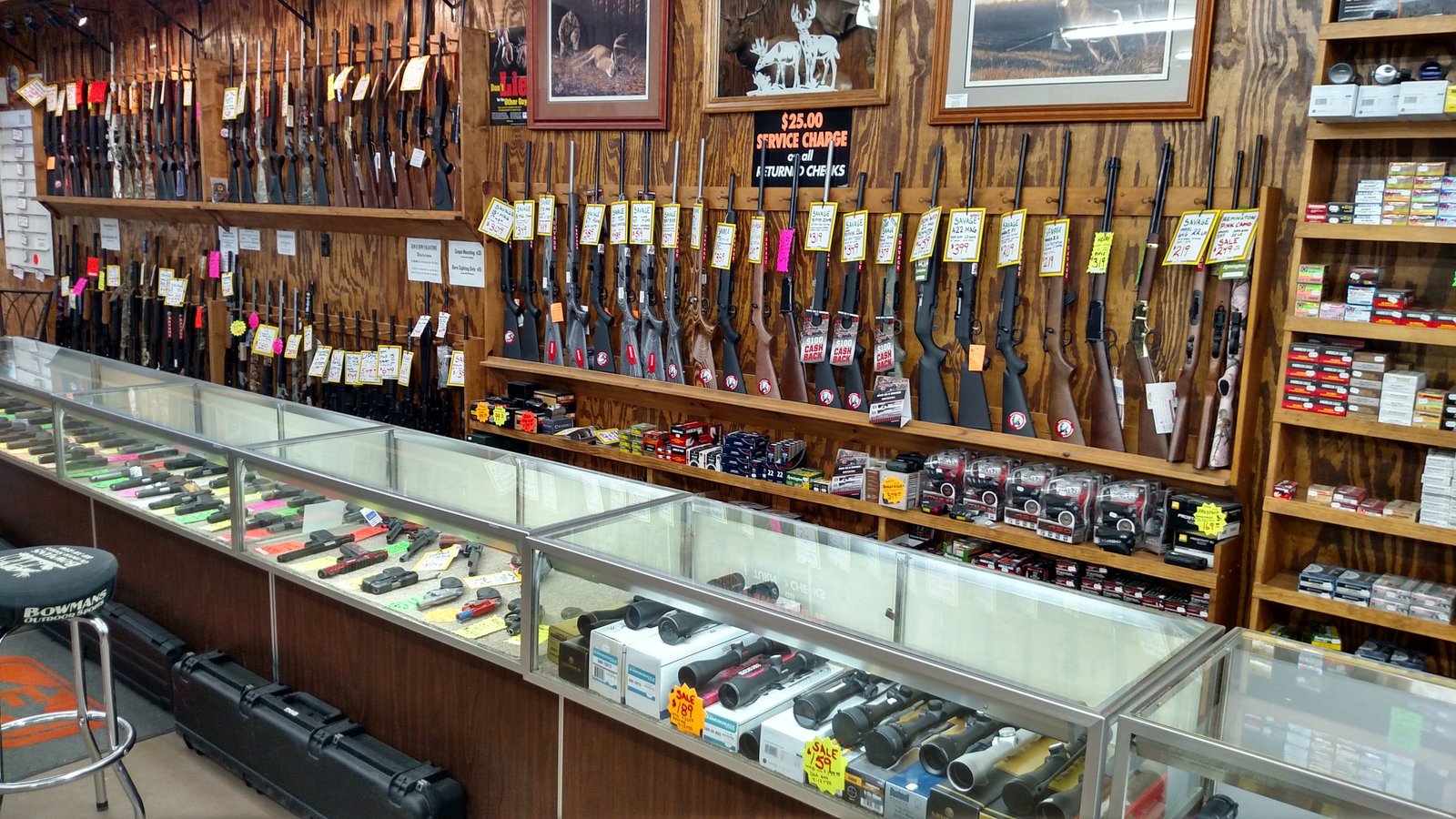
From counter sales in Fort Worth to ecommerce orders shipped to a receiving FFL, firearms payments require careful underwriting, transparent policies, and dispute monitoring.
texas firearms credit card processing high-risk merchants.
High Wire Payments helps Texas gun stores, FFL dealers, ammunition retailers, shooting sports shops, and firearms ecommerce merchants prepare for high-risk underwriting with compliance-focused payment processing, chargeback controls, clear product policies, and documentation review.
TX
state market
FFL
dealer review
2021
permitless carry noted
0.7%
alert threshold option
Texas firearms credit card processing requires more preparation than a standard retail merchant account. Gun stores, FFL dealers, ammunition retailers, shooting sports retailers, and firearms ecommerce merchants in Houston, San Antonio, Dallas, Austin, Fort Worth, El Paso, Arlington, Corpus Christi, Plano, Laredo, Lubbock, and Garland operate in a large market, but payment acceptance still depends on acquirer policy, card-brand risk review, clear underwriting files, and compliant sales practices. High Wire Payments evaluates the business model, sales channels, products, website language, refund terms, and chargeback exposure before routing an application to a processor that can consider firearms-related activity.
Texas is not a one-size-fits-all firearms environment. A storefront FFL selling handguns and accessories in Dallas has different payment risk than an ammunition ecommerce site in Lubbock, a gun range and retail hybrid in San Antonio, or a sporting goods counter in Corpus Christi. Underwriters want to see how firearms are transferred, how ammunition is restricted, how age-sensitive products are handled, how suspicious orders are reviewed, and whether the merchant can separate regulated firearms activity from general outdoor, apparel, training, or range services. The stronger the file, the easier it is to explain the risk.
The Texas State Law Library notes that, as of 2021, people who qualify under Texas law can carry a handgun in a public place without a License to Carry. It also points operators to Texas Penal Code Sections 46.02 and 46.04 for unlawful carry and possession rules. That consumer-side framework does not remove the need for federally compliant firearm transfers, careful age controls, NICS-related procedures where applicable, and written store policies. Payment underwriting is not a legal opinion, but it does examine whether the merchant’s operating procedures match the products being sold.
Texas law may not require a state license to possess a rifle, shotgun, or handgun, but payment processors still review federal firearm transfer requirements, FFL status, prohibited-product controls, shipping policies, chargeback ratios, and website disclosures. Consult qualified counsel for legal advice; use merchant underwriting as a separate operational readiness review.
why Texas firearms merchants are treated as high-risk
Firearms merchants are commonly categorized as high-risk because the products are regulated, age-sensitive, politically scrutinized, and more likely to trigger bank policy review. The risk is not limited to complete firearms. Ammunition, magazines, optics, suppressor-related accessories, unfinished parts, AR-style components, tactical gear, training deposits, range memberships, and gun show sales can all raise questions during underwriting. Even when the business is lawful and well-run, the processor needs to understand what is sold, where it is shipped, who receives it, and how the merchant prevents prohibited transactions.
Texas has a visible firearms retail culture, including regional shows and established dealers. Premier Gun Shows describes its events as among the biggest in Texas and lists 2026 shows in Mesquite, Frisco, Fort Worth, Pasadena, New Braunfels, and Waco. The event notice states that firearms entering the private event must be unloaded and zip-tied, magazines must be empty, and firearms are inspected by police officers at the entrance; it also references postings under TX 30.05, 30.06, and 30.07, and says attendees under 18 must be accompanied by a parent. Those details show why processors look for documented controls, not just sales volume.
Retail examples also matter. TX Arms describes itself as a Fort Worth firearms dealer and displays categories such as ammo, pistols, rifles, shotguns, AR-15 parts, and related components. A product mix like that may be commercially normal in Texas, but it gives an underwriter several questions to resolve: whether the business holds the appropriate FFL, whether ecommerce sales route firearms to an FFL rather than directly to consumers, whether ammunition orders include age and destination controls, whether return policies are practical for regulated products, and whether product descriptions avoid misleading claims.
Texas law context underwriters expect you to understand
Payment processors do not replace firearms counsel, ATF guidance, or state legal research, but they do expect a Texas firearms merchant to know the basic legal environment. The Texas State Law Library explains that people who qualify may carry a handgun in public without an LTC as of 2021, while still noting that Texans can apply for an LTC because it may carry additional benefits. It also explains that Texas Penal Code Chapter 46 addresses weapons-related criminal offenses and that Sections 46.02 and 46.04 describe unlawful carry and possession.
The same Texas State Law Library guide notes that the 2021 changes did not expand rights for people who were already prohibited from possessing firearms. It quotes Section 2 of HB 1927 to the effect that persons prohibited under state and federal law do not gain the right to possess or carry a firearm under that legislation. For a merchant account review, this supports the need for buyer-screening procedures, transfer discipline, employee training, and documentation that prohibited-person restrictions are taken seriously even in a state with broad carry rights.
Age is another area where operational clarity matters. The Texas State Law Library states that Texas law sets the age requirement to carry a gun at 21, and it references the 2022 federal case Firearms Policy Coalition, Inc. et al. v. Steven McCraw, et al., after which DPS stated it would no longer deny License to Carry applications solely because applicants were 18 to 20 years old. That is a nuanced carry-law point, not a blanket payment-processing rule. Firearms and ammunition merchants still need written age controls aligned to their products, federal requirements, store policy, and processor expectations.
Standard retail account: may decline after seeing firearms, ammunition, or tactical products; limited tolerance for website ambiguity; generic chargeback tools. Firearms-ready high-risk review: FFL and product documentation collected upfront; ecommerce shipping-to-FFL workflow reviewed; ammunition and age-control policies documented; chargeback alerts configured; descriptors, refund terms, and prohibited-product rules aligned before submission.
ecommerce firearms payments, shipping, and checkout controls
Firearms ecommerce is often the most heavily reviewed Texas firearms model because the transaction begins online, the buyer may be outside Texas, and fulfillment must match federal and destination-state requirements. A compliant website should state that serialized firearms ship to a receiving FFL, not directly to the consumer. The checkout flow should explain transfer responsibilities, receiving-dealer selection, order cancellation terms, and what happens if the buyer fails a background check or cannot complete the transfer. Ambiguous checkout language is a common reason a processor asks for revisions before approval.
Ammunition ecommerce also requires discipline. Underwriters may ask how the merchant verifies age, how restricted jurisdictions are blocked, how address mismatches are handled, and whether the business ships only through permitted carriers and methods. A Texas ammunition seller in Laredo or El Paso may serve local walk-in customers while also shipping across state lines, so the policy must distinguish in-store point-of-sale controls from ecommerce fulfillment rules. Product labeling, packaging, hazmat considerations where applicable, and carrier compliance should be reflected in written procedures rather than left to informal staff knowledge.
Chargebacks in firearms ecommerce often arise from delivery confusion, delayed transfers, buyer remorse, denied transfers, accessory compatibility disputes, and refund misunderstandings. A payment processor will want to know whether tracking numbers are retained, whether customer communications are logged, whether signature delivery is used when appropriate, and whether product pages clearly describe caliber, model compatibility, condition, and restrictions. High Wire Payments focuses on these operational details because underwriting is more credible when the merchant can show that disputes are preventable, monitored, and answered with organized evidence.
documents Texas gun stores and FFL dealers should prepare
The strongest Texas firearms merchant applications are organized before they reach an acquiring bank. A storefront in Arlington, a range-retail hybrid in Austin, and an ecommerce dealer in Plano may all need different supporting documents, but the goal is the same: show who owns the business, what is sold, how transactions are fulfilled, and how compliance is managed. If the processor has to chase basic information, the review slows down and the file may be treated as unclear or inconsistent.
- Current Federal Firearms License, if the merchant sells or transfers firearms requiring an FFL
- Government-issued owner identification and beneficial ownership details
- Texas business formation records, assumed name filings, or entity documentation
- EIN confirmation letter or IRS documentation matching the legal business name
- Three to six months of recent processing statements, if the business currently accepts cards
- Three to six months of business bank statements showing operating activity
- Complete product list separating firearms, ammunition, accessories, range services, training, and general merchandise
- Website URL, checkout screenshots, shipping policy, refund policy, privacy policy, and terms of sale
- Written firearms transfer procedure, including receiving-FFL workflow for ecommerce orders
- Chargeback history, refund logs, fraud-screening settings, and customer service procedures
For ecommerce merchants, the website is part of the underwriting file. The homepage, category pages, product descriptions, cart, checkout, and footer policies should be consistent. If a product page says a firearm ships to an FFL but the checkout appears to ship directly to a consumer, that inconsistency can delay review. If ammunition age restrictions appear in one policy but not another, underwriters may request revisions. If prohibited products, restricted locations, or NFA-related items are sold, the merchant should be ready to explain exactly how eligibility, transfer, and delivery are controlled.
payment risk management for gun stores, ranges, and ammunition retailers
Texas firearms businesses frequently blend several revenue streams. A Houston gun store may sell firearms, ammo, optics, cleaning supplies, and training classes. A San Antonio range may collect lane fees, memberships, rentals, retail sales, and private instruction deposits. A Fort Worth dealer may sell in-store and online while also attending regional shows. Each revenue stream can carry a different refund pattern, fulfillment record, and chargeback profile. A merchant account should be structured so the processor understands the whole model rather than assuming every transaction is the same.
Descriptor strategy matters because customers may not recognize a legal entity name that differs from the store brand. A mismatch can create avoidable disputes. High Wire Payments reviews descriptors, receipt language, customer service contact placement, and refund timing so Texas merchants can reduce confusion before it becomes a chargeback. For training classes and range memberships, terms should explain cancellation windows, safety requirements, non-transferable reservations, and what happens if the customer is removed for violating range rules. Those operational details help defend disputes with evidence rather than opinion.
Industry demand also shifts. Shooting Industry reported that multiple shops indicated handguns continued to outpace long guns at the end of 2025 and were expected to remain strong in early 2026. The same article discussed a suppressor-market uptick after the federal $200 tax stamp for suppressors, short-barreled rifles, short-barreled shotguns, and Any Other Weapons was eliminated effective January 1, 2026. A Texas retailer adding suppressor-related volume or NFA-adjacent categories should expect additional underwriting questions, even when the business is following applicable federal procedures.
preparation checklist for Texas firearms payment processing
Before submitting a firearms merchant account application, Texas operators should treat the process like a compliance file review. The following checklist is designed for gun stores, FFL dealers, ammunition websites, shooting sports retailers, ranges, and hybrid merchants that want a cleaner underwriting path. It does not guarantee approval, and it is not legal advice, but it can reduce avoidable delays and help present the business accurately.
- Confirm the legal business name, DBA, EIN, bank account, website footer, and application all match or are clearly explained
- Provide the current FFL and confirm the licensed premises information aligns with the operating model
- Separate product categories for firearms, ammunition, magazines, optics, parts, accessories, apparel, range services, and training
- Publish clear ecommerce language stating that firearms ship to a receiving FFL where required
- Document ammunition age controls, destination restrictions, carrier procedures, and order-review triggers
- Review website product descriptions for accuracy, compatibility details, condition disclosures, and restricted-item notices
- Post refund, cancellation, transfer-denial, shipping, privacy, and terms-of-sale policies in the site footer
- Configure fraud tools such as AVS, CVV, velocity controls, manual review rules, and address-mismatch review
- Track chargebacks by reason code and set internal alerts before the ratio reaches a processor concern level
- Prepare staff scripts for denied transfers, delayed shipments, customer service escalations, and disputed transactions
High Wire Payments can review your Texas firearms payment file, identify underwriting gaps, and help determine whether your current processor, gateway, or ecommerce setup fits your product mix. For related resources, visit /high-risk-merchant-accounts, /firearms-merchant-account, /chargeback-management, and /payment-gateways. If you sell firearms, ammunition, or shooting sports products in Texas, request a compliance-aware review before a processor freeze, reserve increase, or sudden termination forces a rushed transition.
Texas firearms markets we support
High Wire Payments works with firearms and ammunition merchants across Texas, including storefront, ecommerce, range, training, and gun show-adjacent businesses.
Specific payment capabilities for Texas firearms merchants
Firearms underwriting is easier when the processor can see documented controls, clear policies, and active chargeback monitoring.
FFL documentation review
We collect and organize FFL information, ownership details, product categories, and website screenshots before submission. This helps the underwriter understand whether the Texas merchant sells firearms, ammunition, accessories, training, range services, or a combination.
Ecommerce shipping-to-FFL checks
For online firearms sales, we review whether the site states that serialized firearms ship to a receiving FFL where required. We also flag checkout language, transfer-denial terms, and fulfillment wording that could confuse buyers or processors.
Ammunition and age-control review
We help merchants document ammunition age controls, restricted-location handling, carrier procedures, and manual review triggers. Underwriters want these controls written down, especially when a Texas retailer ships beyond local walk-in customers.
Chargeback ratio monitoring
High Wire can set reporting workflows and optional internal alerts, including a 0.7% dispute-ratio warning point. That gives merchants time to investigate delivery issues, refund confusion, or product-description disputes before they become processor problems.
Descriptor and policy alignment
We compare the legal entity, DBA, statement descriptor, receipt copy, and website footer so customers can recognize charges. Clear descriptors and visible customer service contacts reduce preventable disputes for gun stores, ranges, and ecommerce sellers.
Gateway and fraud-rule support
We review gateway settings such as AVS, CVV, velocity limits, address mismatch rules, and manual review queues. For firearms and ammunition ecommerce, payment controls should support compliance review without blocking legitimate Texas customers unnecessarily.
Can Texas gun stores get credit card processing?
Yes, many Texas gun stores can be considered for firearms merchant services, but they are typically reviewed as high-risk. Underwriters will examine the FFL, product mix, website policies, chargeback history, and how firearms or ammunition are fulfilled.
Do Texas FFL dealers need a special payment processor?
A standard processor may not support firearms sales or may terminate the account after identifying the product category. A firearms-ready high-risk processor is more likely to review FFL documentation, transfer procedures, and product controls before making a decision.
Does Texas require a state license to possess a firearm?
The research source notes that no state license is required to possess a rifle, shotgun, or handgun in Texas, although restrictions apply to prohibited persons. Payment underwriting is separate and still reviews federal transfer compliance, FFL status, and store procedures.
How did Texas permitless carry in 2021 affect firearms merchant accounts?
The Texas State Law Library states that, as of 2021, qualified people can carry a handgun in public without an LTC. That carry-law change does not eliminate payment-risk review or the need for compliant sales, transfer, age, and prohibited-person controls.
What Texas Penal Code sections matter for firearms compliance language?
The Texas State Law Library points to Texas Penal Code Sections 46.02 and 46.04 for unlawful carry and possession issues, and Chapter 46 for weapons offenses generally. Merchants should work with counsel on legal interpretation and maintain operating policies consistent with applicable law.
Can a Texas firearms ecommerce site accept cards for gun sales?
It may be possible, but the site must clearly explain that firearms ship to a receiving FFL where required and must include accurate transfer, cancellation, refund, and shipping policies. Underwriters will closely review checkout flow and product categories.
Can Texas ammunition retailers sell online with merchant services?
Ammunition ecommerce can be underwritten, but processors will ask about age controls, restricted destinations, carrier procedures, product labeling, and chargeback handling. The merchant should document how online orders are screened before shipment.
Why do firearms chargebacks happen in Texas gun retail?
Common causes include delayed shipments, denied transfers, unfamiliar billing descriptors, accessory compatibility disputes, unclear cancellation terms, and customers not understanding FFL transfer steps. Strong receipts, tracking, customer logs, and policy acknowledgments help defend disputes.
Do gun show vendors in Texas need different payment documentation?
Gun show vendors should be ready to document their legal business, FFL status if applicable, product categories, refund terms, and sales locations. Premier Gun Shows’ Texas event notices reference entry controls such as unloaded and zip-tied firearms, empty magazines, police inspection, and TX 30.05, 30.06, and 30.07 postings, which illustrates the importance of written procedures.
Is approval guaranteed for Texas firearms merchant accounts?
No. High Wire Payments does not guarantee approval, pricing, reserves, or processing limits. The purpose of the review is to prepare a complete, accurate, compliance-aware file for processors that can consider firearms-related merchants.
Prepare your Texas firearms merchant account file
If you operate a gun store, FFL dealership, ammunition business, range, shooting sports shop, or firearms ecommerce site in Texas, High Wire Payments can review your documentation, policies, gateway setup, and chargeback exposure before submission.