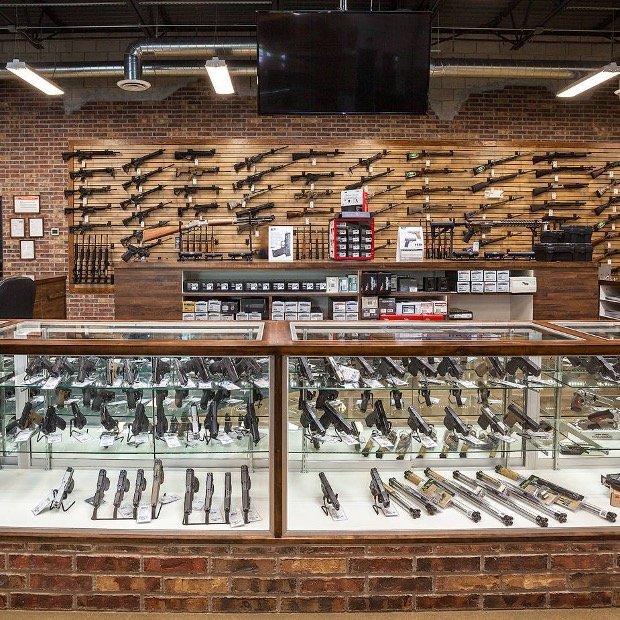
Use a soft green and cream landing page layout with bold hero messaging, rounded compliance cards, and clear CTA buttons for quote requests and document reviews.
tennessee firearms credit card processing high-risk for ffl dealers.
Payment processing for Tennessee gun stores, FFL dealers, ammo retailers, firearm accessory sellers, and outdoor merchants requires careful underwriting. High Wire Payments helps operators document licensing, product controls, chargeback procedures, shipping rules, and compliance workflows before an acquiring bank reviews the account.
TN
state focus
FFL
license review
21+
handgun controls
2021
permitless carry date
Tennessee firearms credit card processing is a specialized underwriting category for gun stores, FFL dealers, ammunition retailers, firearm accessory sellers, shooting ranges, and outdoor sporting merchants in Nashville, Memphis, Knoxville, Chattanooga, Clarksville, Murfreesboro, Franklin, Jackson, Johnson City, Hendersonville, and Bartlett. Even when a store operates legally and maintains a valid Federal Firearms License, many mainstream payment providers treat firearms, ammunition, magazines, optics, NFA-related items, and online gun parts as elevated-risk products. The result is often a manual review, a request for detailed documentation, or a sudden account hold if the merchant was boarded under a generic sporting goods profile.
High Wire Payments approaches Tennessee firearms merchant services as a compliance file first and a payment application second. The goal is to help the acquiring bank understand exactly what is sold, where regulated products are shipped, how age and identity controls are handled, how FFL transfers are documented, and how customer disputes are managed. This is especially important for blended outdoor merchants that sell camping gear, hunting apparel, knives, archery supplies, ammunition, and firearms from the same point-of-sale system or ecommerce catalog.
The Tennessee market includes large destination operators and local specialty stores. Research shows Bud’s Gun Shop & Range in Sevierville markets a 20,000 square foot retail showroom, a 23,000 square foot indoor range, 25 lanes powered by Fusion Targets, and more than 250 firearms available for range use. Knoxville-area retailers such as Crossroads Firearms list categories including handguns, long guns, ammo, accessories, optics, magazines, NFA/Class III, used guns, hunting, archery, camping, air guns, apparel, personal safety, knives, and shotguns. That product mix can be legitimate, but it also requires precise underwriting disclosures.
A processor should not have to guess whether your store is an FFL dealer, an ammo-only retailer, a range, an accessory seller, or a mixed sporting goods merchant. Clear licensing, product labeling, age controls, shipping policies, and chargeback procedures reduce avoidable friction during underwriting.
why firearms merchants in Tennessee are treated as high-risk
Firearms merchants are not high-risk because every sale is problematic. They are high-risk because the acquiring bank must evaluate legal exposure, card-brand sensitivity, product restrictions, shipping rules, reputational risk, fraud patterns, and the possibility of chargebacks tied to regulated goods. A Tennessee gun store in Nashville or Memphis may run clean retail transactions at the counter every day, but the bank still needs to know whether the merchant sells complete firearms, serialized receivers, ammunition, suppressors, short-barreled rifle components, magazines, optics, or general outdoor goods.
Tennessee law also creates a consumer environment that payment underwriters want to understand. Research notes that on July 1, 2021, Tennessee law began permitting a large majority of citizens to carry a loaded handgun openly or concealed without a permit; that change applied to handguns and did not affect carrying rifles or shotguns. The Tennessee Department of Safety & Homeland Security remains relevant for handgun carry permit matters, and Tennessee materials reference statutes such as T.C.A. 39-17-1307 for unlawful carrying or possession of a weapon and T.C.A. 39-17-1309 for carrying weapons on school property. These facts do not replace legal advice, but they show why processors expect a merchant to understand state-specific controls.
Underwriters also separate retail legality from payment acceptability. A lawful FFL in Knoxville, Chattanooga, Clarksville, or Murfreesboro can still be declined by a processor whose sponsor bank does not support firearms. Likewise, an outdoor merchant in Franklin, Jackson, Johnson City, Hendersonville, or Bartlett may be accepted for camping products but reviewed again after adding ammunition, firearm parts, or NFA-related inventory. High Wire Payments helps merchants present the full picture at the start so the account is not misclassified as ordinary sporting goods.
Tennessee rules and market facts underwriters may review
A Tennessee firearms payment application should describe both federal and state compliance practices. Federally, FFL dealers must follow ATF requirements, maintain acquisition and disposition records, complete required background check processes, and ship regulated firearms through lawful channels. At the state level, Tennessee has permitless handgun carry for many eligible adults as of July 1, 2021, but that consumer carry rule is not the same as permission for a merchant to ignore age checks, identity verification, FFL transfer procedures, prohibited-person screening, or product-specific restrictions.
Research also identifies a Tennessee Enhanced Handgun Carry Permit education pathway. Bud’s Gun Shop & Range advertises Tennessee Enhanced Handgun Carry Class events and states that obtaining an Enhanced Handgun Carry Permit in Tennessee requires completion of an 8-hour handgun safety course offered by a handgun safety school. While a retail payment processor is not approving carry permits, class registrations, range bookings, training deposits, and related retail purchases may all flow through the same merchant account. That makes clear descriptor management and refund policies important.
The 2026 firearms market is also shifting. Shooting Industry Magazine reported that handgun sales remained strong entering 2026 and that multiple shops said handguns had continued to outpace long guns. The same research described a suppressor uptick after the federal $200 tax stamp for suppressors, short-barreled rifles, short-barreled shotguns, and Any Other Weapons was eliminated effective January 1, 2026. Tennessee merchants selling NFA-related products should expect more documentation questions, not fewer, because higher demand can increase fraud attempts, customer confusion, delayed transfers, and chargeback pressure.
A Tennessee FFL may be fully compliant yet still need a firearms-tolerant acquiring bank. The payment file should explain licenses, product categories, age controls, shipping-to-FFL procedures, NFA handling, refund timing, and how staff respond to disputes.
payment needs for gun stores, ranges, ammo sellers, and accessory merchants
A brick-and-mortar gun store in Nashville or Knoxville usually needs in-person EMV terminals, PIN debit where supported, tip-free retail receipts, compliant descriptors, and batch reporting that reconciles with its point-of-sale system. A shooting range may need memberships, lane reservations, training class deposits, rental agreements, and retail sales on the same customer profile. A merchant with a showroom similar to the large Sevierville destination model may need multiple terminals across counters, range check-in, class registration, gunsmith services, and accessory departments.
Ammo retailers and ecommerce sellers face a different review. Banks want to know whether ammunition is shipped only where allowed, whether age verification occurs before fulfillment, whether state and local restrictions are screened, and whether customers see shipping limits before paying. Accessory sellers in Memphis, Chattanooga, Murfreesboro, and Franklin may avoid serialized firearms but still sell magazines, optics, barrels, triggers, holsters, safes, cleaning supplies, and hunting equipment. The more a website resembles a regulated firearms catalog, the more important product labeling and prohibited-item controls become.
Outdoor and sporting goods merchants often underestimate the risk of blended inventory. A store may begin as a camping, archery, fishing, apparel, and personal safety retailer, then add ammunition or firearms transfers after customer demand grows. If the original merchant account was approved for low-risk sporting goods only, that expansion can violate processing terms. High Wire Payments reviews the current and planned inventory mix so Tennessee merchants can pursue a payment setup aligned with actual operations instead of hoping a generic account goes unnoticed.
documents Tennessee firearms merchants should prepare
A stronger underwriting file gives the bank fewer reasons to delay the decision. Tennessee firearms merchants should be ready to show who owns the business, where it operates, which licenses apply, what products are sold, how regulated products are transferred, and how customer disputes are handled. The same document package can support a new account, a reserve review, an ecommerce add-on, or a migration away from a processor that no longer supports firearm or ammunition sales.
- Current Federal Firearms License with matching legal business name and premises address
- Tennessee business registration or Secretary of State records for the operating entity
- Government-issued identification for all required beneficial owners and control persons
- Three to six months of recent processing statements, if the business already accepts cards
- Three to six months of business bank statements showing operating activity
- Detailed product list separating firearms, ammunition, accessories, optics, magazines, NFA/Class III items, range services, and training classes
- Website URLs, checkout screenshots, product pages, refund policy, privacy policy, and terms of sale
- Age verification and identity-check procedures for in-store and ecommerce transactions
- Shipping policy showing firearm transfers to eligible FFLs and ammunition shipping restrictions where applicable
- Chargeback, cancellation, layaway, special order, gunsmithing, training deposit, and range membership policies
Documentation should be consistent. If the FFL lists a Knoxville premises address, the bank account, website footer, business registration, utility bill, and processor application should not point to unrelated locations without explanation. If the website advertises NFA/Class III, suppressor transfers, used guns, layaway, financing, gift cards, or training, the underwriting notes should address those categories directly. Inconsistency is one of the fastest ways to trigger follow-up questions or a decline.
chargebacks, fraud controls, and product labeling
Chargebacks in firearms retail often come from misunderstanding rather than classic fraud. A customer may dispute a deposit because a transfer is delayed, a special-order item is not immediately available, a background check result prevents completion, an NFA transfer takes longer than expected, or a range membership renewal is forgotten. Tennessee merchants can reduce these disputes by placing clear language on invoices, receipts, product pages, class registration forms, and checkout screens before the customer pays.
Product labeling matters because firearms catalogs can contain regulated and non-regulated items side by side. A vague product title, missing caliber, unclear magazine capacity, incomplete shipping note, or unlabeled special-order status can create customer disputes and processor concerns. High Wire Payments encourages merchants to keep descriptions accurate, avoid exaggerated claims, clearly label used firearms, identify final-sale items, disclose transfer fees, and separate accessories from complete firearms where the ecommerce platform allows it.
Fraud controls should be practical and documented. For online ammo or accessory sales, that can include AVS, CVV, velocity controls, manual review for mismatched billing and shipping addresses, order holds for high-ticket optics or bulk ammunition, and review of freight-forwarding addresses. For retail counters, staff should use EMV or contactless acceptance rather than keyed transactions whenever possible. For phone orders, the merchant should maintain a defined approval process because keyed firearms-related transactions tend to draw more scrutiny.
Tennessee firearms payment preparation checklist
Before applying for a new Tennessee firearms merchant account, prepare the file as if an underwriter has never seen your store, your market, or your product mix. The checklist below helps FFL dealers, ammo shops, range operators, accessory retailers, and outdoor merchants in Nashville, Memphis, Knoxville, Chattanooga, Clarksville, Murfreesboro, Franklin, Jackson, Johnson City, Hendersonville, and Bartlett organize the information banks commonly request.
- Confirm the legal entity, DBA, store address, website, bank account, and FFL information all match or are clearly explained
- Separate product categories into firearms, ammunition, accessories, optics, magazines, NFA/Class III, training, range services, and outdoor goods
- Document age controls for handguns, long guns, ammunition, range use, training classes, and ecommerce fulfillment
- Publish clear shipping rules, including FFL-transfer language for firearms and location restrictions for ammunition where applicable
- Add visible refund, cancellation, layaway, special order, range membership, gunsmithing, and class deposit policies
- Prepare recent bank statements and processing statements with explanations for seasonal spikes, reserves, refunds, or prior account closures
- Use accurate billing descriptors so customers recognize the store name on card statements
- Create a chargeback response workflow with receipts, signed forms, delivery records, transfer records, and customer communications
- Review website product labeling for prohibited items, unclear claims, missing restrictions, or inventory that differs from the application
- Schedule a payment review before launching new ecommerce categories, NFA-related sales, financing links, memberships, or multi-location processing
High Wire Payments can review your Tennessee firearms processing profile, identify documentation gaps, and help route the application to acquiring options that understand FFL dealers and outdoor merchants. Approval is never guaranteed, and every account remains subject to underwriting, card-brand rules, sponsor-bank policy, and applicable law. If your current provider has frozen funds, declined firearms transactions, questioned ammo sales, or asked for additional compliance documents, request a review before volume increases.
Tennessee firearms markets we support
High Wire Payments works with Tennessee firearms and outdoor merchants across major metro areas, suburban retail corridors, and destination range markets.
Specific payment capabilities for Tennessee firearms merchants
These capabilities are built around documentation, monitoring, and underwriting transparency for FFL dealers, ammo sellers, range operators, and sporting goods retailers.
FFL-aware underwriting file
High Wire organizes your FFL, business registration, ownership information, product categories, and website screenshots into a processor-ready file. The review separates firearms, ammunition, accessories, optics, magazines, NFA/Class III references, training, and range services so the bank sees the real business model.
Chargeback ratio monitoring
Firearms disputes can arise from transfer delays, special orders, layaway, training deposits, and range memberships. High Wire helps merchants monitor chargeback activity and respond with receipts, signed policies, delivery records, transfer documentation, and customer communications.
Ecommerce checkout review
For Tennessee ammo and accessory websites, High Wire reviews visible policies, product labeling, age controls, shipping restrictions, refund language, and descriptor clarity. The goal is to reduce preventable underwriting questions before the account is submitted.
Retail terminal and POS alignment
Gun stores and ranges may need EMV terminals at retail counters, range check-in, gunsmith desks, and training registration points. High Wire helps align terminals, descriptors, settlement accounts, and reporting with the way the store actually operates.
NFA-related disclosure support
Research points to higher suppressor interest in 2026 after the federal $200 tax stamp elimination effective January 1, 2026. High Wire helps merchants disclose NFA/Class III references, transfer timing, refund policies, and customer-facing expectations clearly during underwriting.
Reserve and account migration review
If a Tennessee firearms merchant has reserves, held funds, declined transactions, or a processor that no longer supports firearms, High Wire reviews statements and risk factors before recommending next steps. The process is educational and underwriting-dependent, not a guaranteed approval promise.
Can Tennessee gun stores accept credit cards for firearms?
Yes, many Tennessee gun stores accept credit cards, but they typically need a processor and acquiring bank that allow firearms-related merchants. The account must be underwritten accurately with FFL information, product categories, age controls, and transfer policies.
Do Tennessee FFL dealers need a special firearms merchant account?
In most cases, an FFL dealer should not be boarded under a generic retail or sporting goods profile if firearms, ammunition, or regulated accessories are sold. A firearms-tolerant high-risk merchant account helps align the account with the actual product mix.
Does Tennessee permitless carry affect merchant account approval?
Permitless carry and payment underwriting are separate issues. Research notes that Tennessee permitless handgun carry began July 1, 2021 for a large majority of citizens, but processors still review merchant licensing, age controls, transfer practices, and product restrictions.
Who issues Tennessee handgun carry permits?
Tennessee concealed and enhanced handgun carry permit matters are handled at the state level by the Tennessee Department of Safety & Homeland Security. Retailers that sell classes or collect training deposits should clearly disclose course terms, refund rules, and scheduling policies.
Can a Tennessee ammo retailer sell online with card processing?
Potentially, but the underwriter will expect clear age verification, shipping restrictions, product labeling, refund terms, and fraud controls. Ammo ecommerce is more sensitive than ordinary outdoor goods because state and local shipping rules can vary.
Can a Knoxville or Nashville firearms store process NFA or suppressor-related sales?
Processing may be available depending on the acquiring bank, product details, and compliance file. Because 2026 research points to increased suppressor interest after the federal $200 tax stamp elimination effective January 1, 2026, merchants should disclose NFA/Class III activity clearly.
What documents will a Tennessee firearms processor request?
Common requests include the FFL, business registration, owner identification, bank statements, processing statements, product list, website screenshots, refund policy, age verification procedures, shipping policy, and chargeback response process. Ranges may also need membership and class terms.
Why did my processor approve outdoor goods but question ammunition sales?
Outdoor goods and ammunition can fall into different risk categories even when sold by the same Tennessee store. Adding ammo, magazines, firearms, or NFA-related products after approval can trigger a risk review if the original account did not disclose those categories.
How can Tennessee gun stores reduce chargebacks?
Use clear descriptors, signed receipts, visible cancellation policies, accurate product labels, documented transfer timelines, and written rules for special orders, layaway, classes, range memberships, and gunsmithing. Respond to disputes with organized evidence instead of relying on verbal explanations.
Does High Wire Payments guarantee approval for Tennessee firearms merchants?
No. Approval depends on underwriting, sponsor-bank policy, card-brand rules, business history, documentation, product mix, and applicable law. High Wire Payments helps prepare and present the file accurately, but it does not promise guaranteed approval.
Request a Tennessee firearms payment review
If you operate a gun store, FFL dealership, ammo shop, range, accessory site, or outdoor sporting business in Tennessee, High Wire Payments can review your processing profile, documentation, chargeback exposure, and underwriting fit before you apply.