Stripe restricted products explained for high-risk merchants.
In this article, we will explore why some businesses can’t rely on Stripe due to restricted products and services, highlighting risks and alternatives.
20+
Years in Merchant Services
200%
Chargeback Prevention
50+
Industries Served
99%
Customer Satisfaction
Understanding Stripe’s Restricted Products
Stripe, though a leading payment processor, has strict guidelines about the types of products and services it will support. Certain industries are categorized as high-risk due to a variety of reasons including regulatory issues and consumer protection concerns. Understanding these restrictions is crucial for merchants.
Prohibited Industries
Stripe lists a number of prohibited industries, which include:
- Adult content and services
- Controlled substances such as CBD and THCA
- Firearms and explosives
- Products related to gambling, lotteries, or gambling-related sites
- Credit repair services
Account Reviews and Sudden Shutdowns
Merchants can face sudden reviews, or even account shutdowns, if their business falls into a category that is flagged as high-risk. This may involve an audit of their sales practices and transaction history. Businesses can find their operations disrupted, resulting in lost revenue.
Product Claims
Claims made regarding products, especially supplements and health-related products, can lead to scrutiny. Claims that suggest a product can prevent, treat, or cure diseases are particularly concerning for Stripe.
Supplement Regulations
Supplement-based businesses face challenges when working with Stripe. Not all supplements comply with federal regulations, and companies involved in these industries need to be prepared for extensive documentation and compliance proof.
Hemp, CBD, and THCA Concerns
Although hemp-derived products, including CBD, are legal in many jurisdictions, Stripe’s guidelines may still classify them as high-risk. Companies should be aware of the varying laws and regulations that apply to their products based on location.
Firearms-Related Restrictions
Businesses dealing with firearms-related products face strict restrictions, and many times Stripe does not support transactions involving firearms or ammunition. This presents logistical challenges for such merchants.
Credit Repair Concerns
Companies providing credit repair services are often deemed high-risk by Stripe. Issues surrounding chargebacks and consumer complaints contribute to this perception.
Chargebacks and Reserves
High levels of chargebacks can lead to reserves being held by Stripe. Merchants may find an unexpected percentage of their funds withheld to cover potential chargebacks, leading to cash flow problems.
Aggregator Approval vs. High-Risk Underwriting
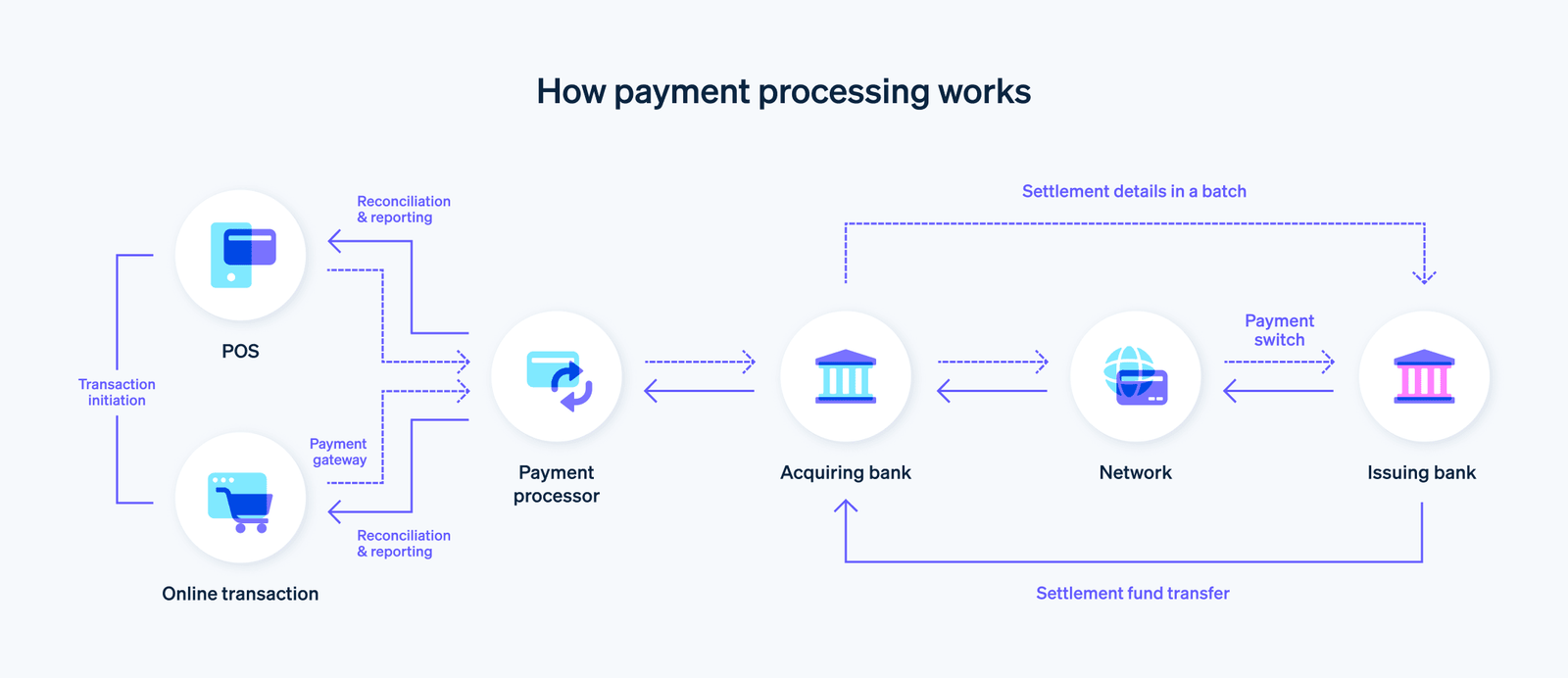
It is crucial to understand the difference between companies that provide aggregator approval and those that conduct high-risk underwriting. Aggregators process payments for low-risk businesses, often without an extensive review. In contrast, high-risk underwriting entails a comprehensive risk assessment.
Alternatives for High-Risk Merchants
For merchants facing Stripe restrictions, alternative payment processors may be a better fit. High Wire Payments specializes in high-risk payment processing, offering tailored solutions for businesses in restricted industries.
Frequently Asked Questions
Here’s what you need to know about Stripe and high-risk payment processing.
What types of products are restricted by Stripe?
Stripe may restrict products related to firearms, adult content, CBD, THCA, and certain supplements.
Why might my account be reviewed or shut down?
Accounts may be reviewed or shut down due to chargebacks, high risk categories, or fraudulent behavior.
What can I do if I’m restricted by Stripe?
Consider alternative payment processors that specialize in high-risk industries.
Is there a difference between aggregator approval and high-risk underwriting?
Yes, aggregator approval entails simple processing, primarily for low-risk businesses, while high-risk underwriting involves extensive evaluations.
What is a chargeback?
A chargeback occurs when a customer disputes a transaction and requests a refund from their bank.
How can I prevent chargebacks?
Ensure clear communication with customers about their transactions and provide excellent service to minimize disputes.
Secure Your Payment Processing Today
Contact High Wire Payments for tailored solutions and support for high-risk merchants.
Apply Now →