Payment Gateway Setup Checklist For High-Risk Businesses.
Streamline your payment gateway setup with our comprehensive checklist tailored for high-risk businesses.
21+
Years of Experience
50+
Supported Payment Gateways
3000+
Satisfied Clients
24/7
Customer Support
The setup of a payment gateway is crucial for high-risk businesses to ensure secure online transactions. This checklist aims to guide you through the entire process, ensuring compatibility and regulatory compliance.
Gateway Compatibility and Selection
Choosing the right payment gateway is vital for your business model. Not all payment gateways will support high-risk industries. Some popular gateways like Authorize.Net and NMI are known for being more accepting of higher-risk businesses.
Setting Up Your Payment Gateway
Once a suitable gateway is chosen, you need to set it up effectively. Follow these steps:
- Obtain API Keys: Most gateways will require you to generate API keys. These keys allow your application to authenticate and communicate with the payment gateway system securely.
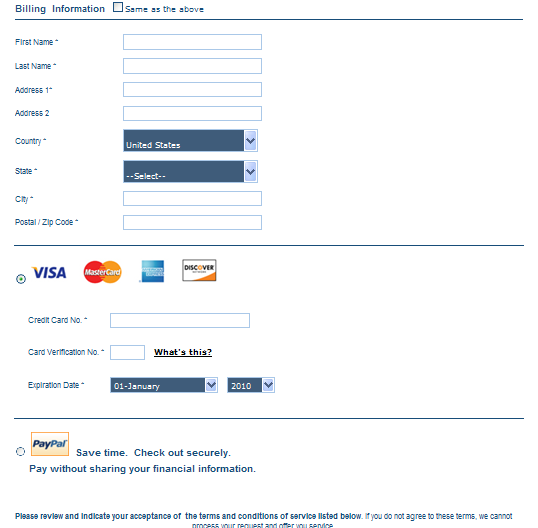
- Implement Address Verification Service (AVS): AVS helps in reducing fraud by ensuring the address provided by the cardholder matches the billing address on file with the card issuer.
- Set Up Card Verification Value (CVV): This feature requires users to input their CVV code during checkout, adding an extra layer of security.
- Configure Fraud Filters: Implement fraud filters to scrutinize transactions with different risk levels based on historical data.
- Define Velocity Rules: Velocity rules help prevent abuse by limiting the frequency and total monetary value of transactions within a specified time frame.
- Create a Customer Vault: This allows for the safe storage of customer payment details, offering convenience for returning customers.
- Set Up Recurring Billing: If you provide subscription services, enabling recurring billing in your payment gateway is essential.
- Utilize Invoices and Virtual Terminals: Invoices streamline payment requests, while virtual terminals facilitate sales over the phone or via mail.
- Handle Refunds and Voids: Implement clear processes for managing refunds and void transactions to enhance customer satisfaction.
- Regular Reporting and Testing: Regularly analyze transaction data and consistently test the payment gateway to ensure functionality and security.
Best Practices for High-Risk Payment Gateways
Adopting best practices is crucial for maintaining your payment gateway’s integrity. This includes continuous monitoring for fraud, compliance with legal obligations, and ensuring a user-friendly experience.
FAQs About Payment Gateway Setup
Find answers to common questions about payment gateways.
What is a payment gateway for high-risk businesses?
A payment gateway allows high-risk businesses to securely process credit card payments online and in-person.
How do I know if my business is high-risk?
Businesses classified as high-risk deal with industries that have higher fraud and chargeback rates, such as nutraceuticals, CBD, and adult ecommerce.
How long does it take to set up a payment gateway?
Typically, it can take anywhere from a few days to a few weeks, depending on the provider and necessary documentation.
Can I integrate multiple payment gateways?
Yes, many businesses integrate multiple gateways for redundancy and to customize payment options for customers.
What security measures should I implement?
Implement SSL encryption, AVS, CVV checks, and regularly update your payment systems and protocols.
What are transaction fees associated with high-risk payment gateways?
Transaction fees can vary widely, often being higher than traditional gateways due to the increased risk. Always review the fee structure before committing.
Ready To Set Up Your Payment Gateway?
Get started with High Wire Payments to ensure your high-risk business has robust payment processing solutions.
Apply Now →