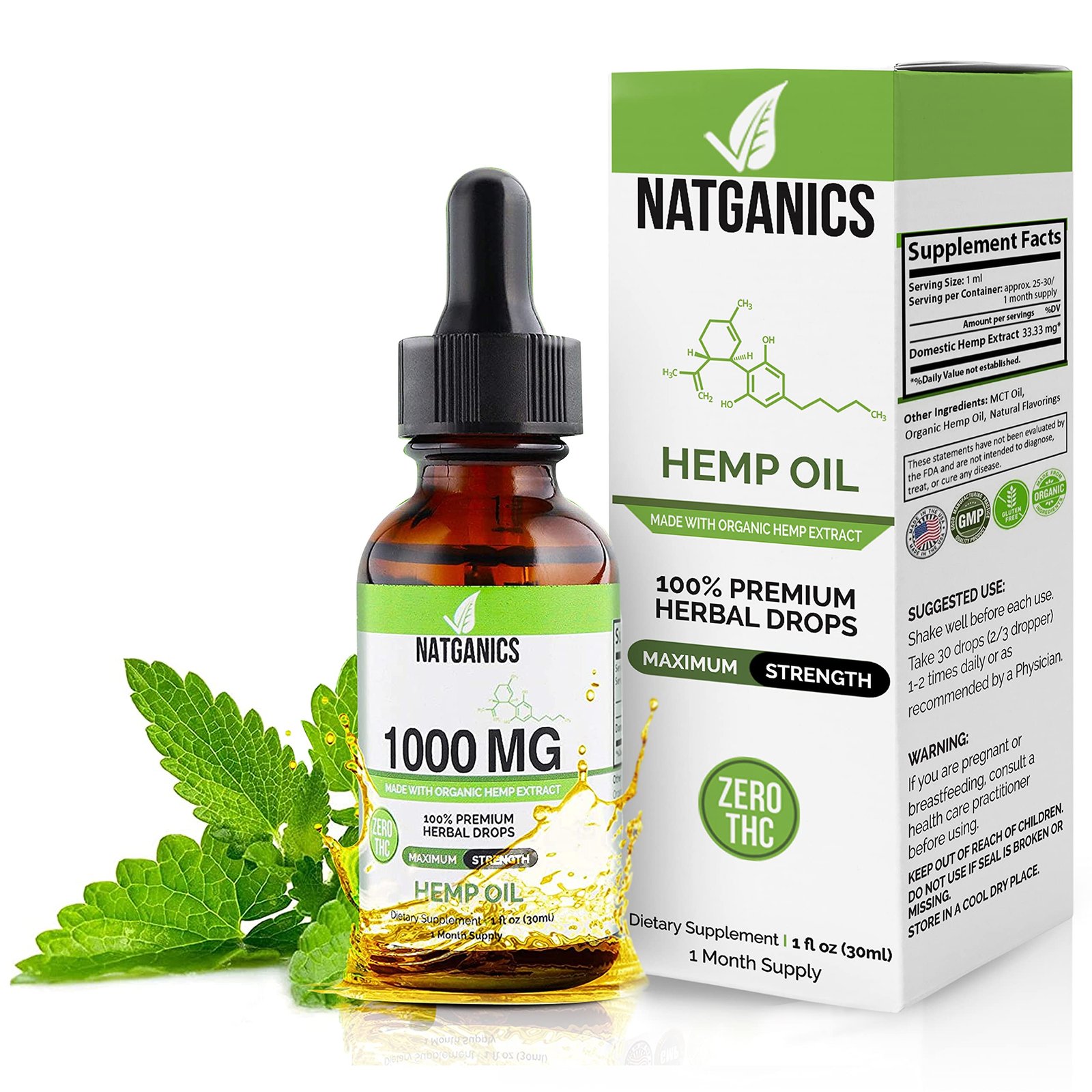
north carolina cbd payment processing for high-risk merchants.
Navigating the North Carolina CBD market requires compliance with state and federal standards, including THC limits under 0.3%. From Charlotte to Asheville, merchants must manage age controls, product labeling, and chargeback risks in a rapidly evolving regulatory landscape.
0.3%
max THC content
18+
minimum buyer age
2026
regulatory updates
12
key NC cities covered
North Carolina’s CBD industry is concentrated in cities such as Charlotte, Raleigh, Greensboro, Durham, Winston-Salem, Fayetteville, Cary, Wilmington, High Point, Greenville, Asheville, and Concord. The state’s hemp-derived CBD market operates under federal and state regulations that allow products with THC content below 0.3%. Merchants in these urban centers face unique challenges including evolving legal frameworks, local ordinances, and compliance with product labeling and age restrictions.
While North Carolina does not require a specific state retail license for CBD sales, compliance with federal standards such as those established by the 2018 Farm Bill and state-level THC limits is mandatory. The Industrial Hemp Commission regulates hemp cultivation and testing, ensuring products meet the legal definition of hemp. Merchants must also adhere to local zoning laws and implement robust age verification systems to prevent sales to minors.
The regulatory environment is in flux as the North Carolina Advisory Council on Cannabis recommends a tightly regulated market with adult-use restrictions and excise taxes. This evolving landscape requires CBD retailers to maintain vigilant chargeback management and product labeling practices to mitigate risks associated with payment processing and customer disputes.
CBD products must contain less than 0.3% THC and comply with labeling requirements reflecting potency and ingredients. Age controls restrict sales to customers 18 and older. Payment processors flag hemp-derived CBD under Visa MCC 5499 and require enhanced underwriting and chargeback monitoring.
north carolina cbd legal framework
North Carolina legalized hemp cultivation under Senate Bill 313 in 2015, with the Industrial Hemp Commission overseeing licensing and compliance. The 2018 Farm Bill federally legalized hemp-derived CBD containing less than 0.3% THC, aligning with North Carolina’s standards. House Bill 1220 and HB 766 provide allowances for medical hemp extracts with higher THC for epilepsy treatment, but recreational marijuana remains illegal.
CBD products sold in North Carolina must adhere to these THC limits and be derived from hemp. Marijuana-derived CBD is prohibited. The lack of a state retail license for CBD sales simplifies market entry but increases the importance of compliance with federal regulations and local ordinances, especially in cities like Raleigh and Charlotte where enforcement is more active.
Retailers must also monitor evolving legislation, as the North Carolina Advisory Council on Cannabis continues to push for a regulated adult-use market. This could introduce excise taxes and licensing requirements in the near future, impacting how CBD merchants operate across the state.
payment processing challenges in north carolina’s cbd market
CBD merchants in North Carolina face unique payment processing challenges due to the high-risk classification of hemp-derived products. Major credit card networks categorize CBD under high-risk MCC codes such as 5499 (miscellaneous food specialty stores), triggering enhanced underwriting and increased scrutiny.
Chargebacks are a significant risk, especially given the regulatory ambiguity and customer misunderstandings about CBD legality and product effects. Merchants must implement clear product labeling and age verification controls to reduce disputes and comply with payment processor requirements.
Additionally, advertising restrictions on major platforms such as Google, Meta, and TikTok limit marketing options, forcing merchants in cities like Greensboro, Durham, and Fayetteville to rely on organic and educational marketing strategies to drive foot traffic and online sales.
High Wire Payments offers chargeback ratio monitoring with automated alerts at 0.7%, helping North Carolina CBD merchants identify and address disputes early. Our compliance-first underwriting ensures your business aligns with state THC limits and labeling standards.
product labeling and age controls for nc cbd retailers
North Carolina mandates that all hemp-derived CBD products include accurate labeling of THC content, cannabinoid concentration, and ingredient disclosures. Certificates of Analysis (COA) from third-party labs are commonly required to verify product compliance and build consumer trust.
Retailers must enforce age restrictions rigorously, with 18+ being the minimum legal age to purchase CBD products. Point-of-sale systems should integrate age verification technology to prevent sales to minors, helping merchants in cities like Cary, Wilmington, and High Point avoid legal penalties and chargebacks.
Proper labeling and age controls also reduce payment processor risk flags, facilitating smoother underwriting and lower reserve requirements for CBD merchants.
north carolina hemp and cbd licensing documentation
While North Carolina does not require a specific retail license for CBD sales, merchants must maintain documentation demonstrating product compliance, including:
- Third-party lab Certificates of Analysis (COA) showing THC below 0.3%
- Proof of hemp source and cultivation compliance under Senate Bill 313
- Product labeling samples meeting state and federal guidelines
- Age verification procedures and records
- Chargeback and refund policies
- Business registration and tax documentation
- Compliance with local zoning and retail ordinances
- Payment processing agreements specifying high-risk product disclosures
- Employee training records on product knowledge and compliance
- Insurance certificates covering product liability
Maintaining these documents enables merchants in Greenville, Asheville, and Concord to streamline underwriting and reduce payment processor risk assessments.
marketing and operational strategies for nc cbd merchants
Due to advertising restrictions on major digital platforms, North Carolina CBD retailers must focus on organic marketing, educational content, and loyalty programs. Completing a robust Google Business Profile can increase local search visibility by 2.3x, critical for competitive markets like Charlotte and Raleigh.
SMS marketing and cannabis-industry email campaigns offer high open rates, driving repeat business and customer engagement. Educational marketing helps clarify product legality and benefits without making medical claims, aligning with compliance requirements.
Operationally, merchants should invest in secure inventory management, staff training on product regulations, and customer service protocols that address chargeback prevention and dispute resolution.
preparation checklist for nc cbd payment processing approval
To increase the likelihood of approval for high-risk payment processing in North Carolina, merchants should prepare the following:
- Complete business registration and tax documentation
- Third-party COAs verifying THC content below 0.3%
- Samples of compliant product labeling
- Documented age verification procedures
- Chargeback management policies and historical data
- Local zoning and retail compliance records
- Employee training materials on compliance
- Clear refund and dispute resolution policies
- Proof of secure payment gateway integration
- Insurance certificates covering product liability
High Wire Payments guides North Carolina CBD merchants through this process, ensuring underwriting aligns with evolving regulations and payment network requirements.
north carolina cbd markets we serve
Supporting CBD merchants in Charlotte, Raleigh, Greensboro, Durham, Winston-Salem, Fayetteville, Cary, Wilmington, High Point, Greenville, Asheville, and Concord.
why north carolina cbd merchants trust high wire payments
Our tailored solutions address the unique regulatory and payment processing challenges of North Carolina’s CBD industry.
state-specific underwriting expertise
We understand North Carolina’s hemp laws and THC limits, ensuring your CBD business complies with both state and federal regulations for smoother approval.
chargeback ratio monitoring
Automated alerts trigger at a 0.7% chargeback ratio, helping you proactively manage disputes and maintain processing stability.
compliance-focused product review
Our team reviews your product labeling and COAs to verify adherence to North Carolina’s THC thresholds and ingredient disclosure requirements.
age verification integration
We support payment gateways with built-in age controls to prevent underage sales, reducing legal and chargeback risks.
customized reporting tools
Access detailed transaction and compliance reports tailored to North Carolina CBD merchant needs for audit readiness.
dedicated local market support
Our experts stay current on North Carolina legislative updates and provide ongoing guidance to keep your business compliant.
Is CBD legal in North Carolina?
Yes, hemp-derived CBD products with THC content below 0.3% are legal under state and federal law. Marijuana-derived CBD remains illegal.
Do North Carolina CBD retailers need a state retail license?
No specific retail license is required at the state level to sell hemp-derived CBD, but merchants must comply with local ordinances and federal regulations.
What is the minimum age to purchase CBD in North Carolina?
Customers must be at least 18 years old to legally purchase hemp-derived CBD products in North Carolina.
Are there THC limits for CBD products in North Carolina?
Yes, CBD products must contain less than 0.3% THC on a dry weight basis to be considered legal hemp products.
How can I reduce chargebacks as a CBD merchant in North Carolina?
Implement clear product labeling, enforce age verification, maintain transparent refund policies, and monitor chargeback ratios closely.
Can I advertise CBD products on major digital platforms in North Carolina?
Paid advertising for ingestible hemp-derived THC products is restricted on platforms like Google and Meta; merchants rely on organic marketing and educational content.
What documents are required for CBD payment processing approval in North Carolina?
Documents include business registration, third-party COAs, product labels, age verification policies, chargeback management plans, and proof of local compliance.
Are there local CBD ordinances in North Carolina cities?
Some cities like Charlotte and Raleigh may have additional zoning or retail regulations; merchants should consult local authorities.
Can North Carolina doctors prescribe CBD oil?
Doctors cannot prescribe CBD oil but may recommend FDA-approved Epidiolex for epilepsy. Hemp-derived CBD is available over the counter.
How is High Wire Payments different for North Carolina CBD merchants?
We provide underwriting and payment solutions tailored to North Carolina’s regulatory environment, with chargeback monitoring and compliance support.
ready to streamline your north carolina cbd payments?
Contact High Wire Payments today for a compliance-focused merchant account designed to navigate North Carolina’s evolving CBD market with confidence.
Apply Now