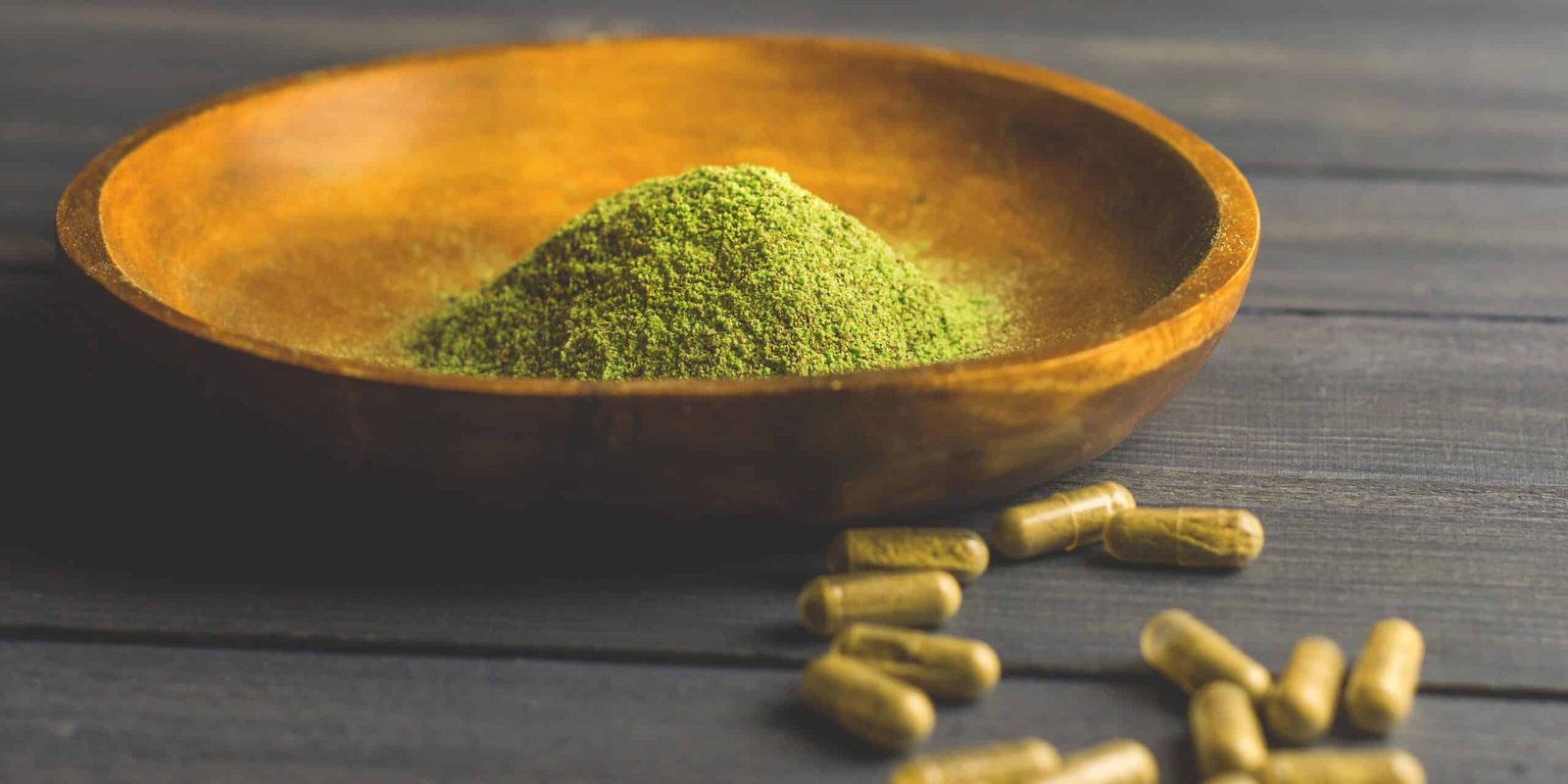
new jersey kratom payment processing for high-risk merchants.
High Wire Payments serves New Jersey kratom retailers, ecommerce sellers, smoke shops, wellness stores, supplement brands, and other high-risk businesses that need compliant card acceptance, underwriting support, fraud controls, and chargeback mitigation without relying on processors that may suddenly shut down kratom accounts.
NJ
Serving New Jersey merchants
21+
Proposed kratom age language to monitor
CNP
Ecommerce and card-not-present review
7-OH
Heightened product scrutiny
New Jersey kratom payment processing requires more than a basic retail merchant account. Kratom products are sold through smoke shops, convenience-style retail, wellness stores, supplement counters, and ecommerce storefronts across Newark, Jersey City, Paterson, Elizabeth, Edison, Toms River, Trenton, Camden, Clifton, Passaic, and Union City. Those businesses may operate legally, but they still fall into a high-risk underwriting category because kratom is plant-derived, often marketed as a supplement, commonly sold beside tobacco or hemp products, and subject to fast-changing public health and legislative attention.
High Wire Payments serves New Jersey businesses; we do not claim a physical New Jersey office. Our role is to help kratom merchants assemble a processor-ready file, route applications to appropriate high-risk acquiring relationships, and reduce the factors that lead to processor shutdowns. A standard payment processor may approve a general smoke shop, nutraceutical site, or convenience retail account, then later suspend funding after discovering kratom SKUs, 7-hydroxymitragynine product language, missing age gates, unclear labels, or health-related claims on product pages.
New Jersey operators should pay close attention to the current state context. The Ocean County Health Department, based in Toms River, published a January 20, 2026 notice stating that kratom products were currently unregulated in New Jersey and widely accessible over the counter in convenience stores, online, smoke shops, and other retail outlets. The same notice said possession and sale of kratom remained legal in New Jersey at the state and federal levels, while legislators had recently introduced bills that could affect manufacture, distribution, possession, and sales. For underwriting, that means processors will want evidence that the merchant is tracking legal changes and not treating kratom like an ordinary grocery item.
Based on the research provided, kratom possession and sale remain legal in New Jersey at the state and federal levels, but the category is under active review. A4222 was introduced on February 19, 2026 and references a proposed New Jersey Kratom Consumer Protection Act, including 21+ sale language and testing standards. Separate reporting in 2026 described proposed action focused on 7-OH. Merchants should confirm current law with counsel before selling or shipping.
why New Jersey kratom merchants are treated as high-risk
Kratom merchants are commonly classified as high-risk because the product category sits at the intersection of dietary supplements, age-sensitive retail, FDA gray-area concerns, and chargeback exposure. The FDA has not approved kratom for medicinal use, and public health agencies have raised concerns about contamination, alkaloid strength, dependence, adverse effects, and interactions with medications. A payment processor does not need kratom to be illegal in order to decline it. Acquirers and sponsor banks can decide that the category exceeds their risk appetite.
In New Jersey, the risk profile is amplified by local visibility. Ocean County officials specifically referenced convenience stores, online access, smoke shops, and other retail outlets in their 2026 public health notice. Retailers in Toms River, Newark, Jersey City, Elizabeth, and Camden may have walk-in traffic and mixed inventory, while ecommerce sellers in Edison, Clifton, Passaic, or Union City may ship statewide or nationwide. Each model creates different underwriting questions: who is buying, how age is verified, how labels are presented, whether certificates of analysis are available, and whether the merchant can document fulfillment and refund practices.
A common shutdown pattern occurs when a merchant uses a low-risk gateway, retail aggregator, or generic ecommerce processor and lists kratom as tea, botanicals, wellness capsules, or general supplements. The account may process for weeks or months until a risk review, card brand inquiry, customer complaint, chargeback, or website scan identifies prohibited or undeclared products. Funds may then be held, reserves may be imposed, or the account may be terminated. High-risk underwriting is slower at the front end, but it gives the business a more accurate review of what is actually being sold.
New Jersey kratom laws, 7-OH scrutiny, and underwriting impact
As of the research supplied for this page, New Jersey has not banned kratom statewide. The Ocean County Health Department notice stated that possession and sale remain legal in New Jersey and at the federal level, while also emphasizing that kratom products were currently unregulated in the state. That distinction matters for merchant services. Legal availability does not eliminate the need for processor review, and unregulated availability can actually increase underwriting concern because banks want to see voluntary controls where state rules are still developing.
The research also identifies New Jersey Assembly Bill A4222, introduced February 19, 2026, with language creating a New Jersey Kratom Consumer Protection Act. The snippet provided references a prohibition on sales to persons under 21 years of age and standards for testing to ensure a kratom product is safe for human consumption. Because this is referenced as introduced legislation, merchants should not assume final requirements without checking the current legislative status. However, underwriters may still ask whether the merchant already uses 21+ controls, batch testing, ingredient disclosures, and labels that avoid prohibited or unsupported claims.
New Jersey operators should also watch 7-OH. The research references 2026 reporting on a bill that would ban 7-OH, a compound in kratom, and the Ocean County notice specifically discussed overdoses linked to 7-OH or kratom products sold in convenience stores. For payment processing, products that emphasize 7-hydroxymitragynine, enhanced extracts, synthetic positioning, extreme potency, or opioid-like effects can receive a more difficult review than plain leaf powder or conventional capsules. High Wire Payments can help merchants separate product documentation, remove risky claims from checkout pages, and present an application that clearly explains inventory.
Kratom websites and labels should avoid claims that products treat pain, anxiety, opioid withdrawal, addiction, depression, or any disease. Underwriters review product pages, packaging, social posts, and ad language. A compliant file is stronger when it uses ingredient, serving, warning, age, and testing information instead of therapeutic promises.
ecommerce checkout and card-not-present processing for kratom
Ecommerce kratom processing is often more difficult than card-present retail because the bank cannot see the buyer, the fulfillment path, or the final product in person. Card-not-present transactions carry higher fraud risk, delivery disputes, friendly fraud, and chargebacks. A New Jersey ecommerce seller shipping from Edison, Jersey City, Clifton, or Trenton may need a gateway that supports high-risk processing, AVS and CVV rules, velocity filters, IP mismatch review, 3D Secure where appropriate, and clear descriptor management so customers recognize the charge.
A compliant kratom checkout should include age verification, shipping restrictions, terms and conditions, refund policy, privacy policy, contact information, fulfillment timeframes, product warnings, and labeling that matches the physical package. If a site sells capsules, powders, extracts, tea-style products, hemp, CBD, Delta-8, glass, vape accessories, or smoke shop inventory, the application should disclose all categories. Undisclosed products are one of the fastest ways to trigger a processor hold or termination.
High Wire Payments reviews the ecommerce environment before submission. We look for risky phrases, missing policy pages, inconsistent product names, unclear subscription billing, trial offers, exaggerated potency claims, and product pages that could create card brand or bank concerns. We can also discuss internal links and category routing, including the kratom payment processing hub, high-risk merchant services page, CBD payment processing, hemp payment processing, and smoke shop payment processing pages, so related product categories are presented accurately instead of being hidden inside a generic supplement account.
POS and card-present options for New Jersey smoke shops and retailers
Many New Jersey kratom sellers operate in physical retail environments, including smoke shops, convenience-style stores, wellness retailers, and supplement shops. Card-present processing can be more stable than ecommerce when the merchant has proper underwriting, clear inventory disclosure, and a POS setup that supports age-restricted workflows. Stores in Newark, Paterson, Elizabeth, Camden, Passaic, and Union City should be prepared to document how employees verify age, where kratom is displayed, whether it is kept behind the counter, and how staff respond to refund or product questions.
- Government-issued ID for each owner with 25% or more ownership
- Signed merchant application and processing history, if available
- Three to six months of business bank statements
- Three to six months of prior merchant statements showing volume and chargebacks
- New Jersey business formation documents or registration records
- EIN confirmation letter or IRS documentation
- Retail lease, utility bill, or proof of operating address
- Product list separating kratom powders, capsules, extracts, 7-OH products, hemp, CBD, vape, tobacco, and accessories
- Certificates of analysis or supplier testing documents for kratom SKUs
- Website screenshots, ecommerce URL, refund policy, shipping policy, privacy policy, terms, age-gate screenshots, and product label images
Retail merchants should also expect questions about reserves. A reserve is not a penalty; it is a risk control used by acquiring banks to cover chargebacks, refunds, and potential card brand exposure. Depending on volume, processing history, product mix, and refund ratios, a New Jersey kratom account may be approved with a rolling reserve, capped reserve, delayed funding, or volume limit. High Wire Payments helps merchants understand why reserves are requested and what operational improvements may support better terms over time.
chargebacks, fraud controls, and reserve management
Chargebacks are a major reason kratom processors become cautious. Disputes may arise from customers who do not recognize the billing descriptor, claim a package did not arrive, regret a purchase, object to potency, or allege that product information was unclear. Ecommerce sellers face additional exposure from stolen cards, reshipper addresses, high-velocity orders, and mismatched billing and shipping details. A merchant with low fraud controls can lose processing even if the underlying product is lawful.
For New Jersey merchants, chargeback mitigation should start before the first transaction. Use a recognizable descriptor, send order confirmations, provide tracking numbers, keep customer service responsive, publish a realistic refund policy, and retain batch, label, and fulfillment records. For card-present stores, train staff to issue receipts, avoid manual keying unless necessary, and document returns. For ecommerce, consider address verification, CVV checks, velocity limits, fraud scoring, negative lists, and step-up review for unusually large kratom extract or 7-OH-related orders.
High Wire Payments supports merchants with chargeback ratio monitoring, documentation workflows, and gateway-level fraud settings. We can help configure alerts before ratios become critical, review dispute reason codes, and identify whether chargebacks are coming from fulfillment delays, product confusion, recurring billing, poor descriptor recognition, or fraud. The goal is not to promise that disputes disappear; it is to build a defensible operating file that shows the processor the business is actively managing risk.
preparation checklist for New Jersey kratom payment processing
Before applying, New Jersey kratom merchants should prepare the account as if an acquiring bank will review the storefront, website, labels, supplier records, and dispute history at the same time. The stronger the file, the fewer surprises during underwriting. This checklist is useful for single-location smoke shops, multi-location retailers, ecommerce brands, nutraceutical companies, and wellness stores adding kratom to an existing product line.
- Confirm current New Jersey kratom law, including any updates to A4222, 7-OH proposals, age restrictions, local ordinances, or state-level labeling requirements.
- Remove disease, pain, opioid withdrawal, anxiety, addiction, or medical treatment claims from product pages, labels, blogs, ads, and staff sales scripts.
- Use 21+ age controls where practical, especially because the introduced A4222 language referenced sales prohibited to persons under 21.
- Keep kratom products behind the counter or otherwise controlled in retail locations when appropriate for the store model.
- Collect COAs, supplier invoices, batch records, alkaloid information, contaminant testing, and label images for each kratom SKU.
- Separate kratom, 7-OH, hemp, CBD, Delta-8, tobacco, vape, accessories, and nutraceutical items in the product list submitted to underwriting.
- Publish clear ecommerce terms, shipping policy, refund policy, privacy policy, contact information, age gate, and fulfillment expectations.
- Set fraud rules for AVS, CVV, IP mismatch, high-ticket orders, repeat declines, reshipper addresses, and unusual card-not-present velocity.
- Prepare processing history, bank statements, chargeback records, ownership documents, business registration, and proof of operating address.
- Apply through a high-risk channel instead of hiding kratom under a generic supplement, tea, botanical, wellness, or smoke shop account.
If your New Jersey business needs kratom payment processing, POS/card-present options, compliant ecommerce checkout, or a review after a processor shutdown, apply at https://highwireleah.com/apply/ or call 805-827-7451. High Wire Payments can review your product mix, website, documentation, chargeback posture, reserve expectations, and next steps before the file is submitted to underwriting.
serving New Jersey kratom merchants statewide
High Wire Payments supports kratom retailers, ecommerce sellers, wellness stores, smoke shops, and nutraceutical brands across New Jersey, including major retail and shipping markets.
specific payment capabilities for New Jersey kratom operators
High-risk payment processing works best when the processor, gateway, underwriting file, and compliance posture all match the actual product category.
Kratom-specific underwriting file review
We review product lists, labels, COAs, ecommerce pages, supplier documents, and owner records before submission. The file identifies kratom, extracts, 7-OH-related products, hemp, CBD, tobacco, and accessories instead of hiding them under a generic supplement code.
Age-control and policy review
Because New Jersey A4222 was introduced with 21+ sale language, we help merchants show age gates, retail ID procedures, terms, warnings, and checkout controls. Underwriters want to see that the business is prepared for age-sensitive review even when rules are still developing.
Card-not-present fraud controls
For ecommerce kratom sellers, we can help configure AVS, CVV, velocity limits, fraud filters, IP mismatch review, and high-ticket order scrutiny. These settings reduce preventable disputes and support a stronger risk story for New Jersey card-not-present merchants.
POS and card-present options
Retail smoke shops and wellness stores can be reviewed for card-present payment options, terminal placement, descriptor clarity, refund procedures, and staff workflows. This is especially useful for mixed-inventory stores in dense markets such as Newark, Jersey City, Paterson, Elizabeth, and Camden.
Chargeback ratio monitoring
High Wire Payments helps merchants monitor dispute activity, identify reason-code patterns, and prepare response documentation. Configurable alerts can be used before chargeback ratios become a processor-level problem.
Reserve and funding guidance
We explain rolling reserves, capped reserves, delayed funding, and volume limits in plain language. New Jersey kratom merchants can use that information to plan cash flow instead of being surprised by underwriting conditions.
Is kratom legal in New Jersey?
Based on the research supplied, kratom possession and sale remain legal in New Jersey at the state and federal levels. However, Ocean County Health Department stated on January 20, 2026 that kratom products were currently unregulated in New Jersey and that legislators had introduced bills that could change the category.
Do New Jersey kratom retailers need to watch A4222?
Yes. The research references New Jersey Assembly Bill A4222, introduced February 19, 2026, creating a proposed New Jersey Kratom Consumer Protection Act with 21+ sale language and testing standards. Merchants should confirm the current status with counsel and prepare documentation as if age controls and testing records may be reviewed.
Can a regular payment processor approve my New Jersey kratom store?
Some standard processors may initially board a smoke shop or supplement store, but kratom can trigger later risk review or termination. A high-risk merchant account is designed to disclose the actual product category up front and place the file with an acquiring relationship that can review it appropriately.
Why are 7-OH products a concern for New Jersey underwriting?
The research mentions 2026 New Jersey reporting on proposed legislation focused on 7-OH, and Ocean County officials raised public health concerns involving 7-OH or kratom. Underwriters may scrutinize enhanced extracts, synthetic-positioned products, high-potency claims, and labels that emphasize 7-hydroxymitragynine.
Can High Wire Payments serve my business if I am in Newark or Jersey City?
Yes. High Wire Payments serves New Jersey businesses, including merchants in Newark, Jersey City, Paterson, Elizabeth, Edison, Toms River, Trenton, Camden, Clifton, Passaic, and Union City. We do not claim a physical New Jersey office.
What documents do New Jersey kratom merchants need for approval?
Typical documents include owner ID, business registration, EIN records, bank statements, prior processing statements, product lists, labels, COAs, supplier invoices, refund and shipping policies, age-gate screenshots, and chargeback history. Retailers may also need proof of operating address or lease documentation.
Will I need a reserve for kratom payment processing?
Possibly. Kratom accounts may be approved with a rolling reserve, capped reserve, delayed funding, or monthly volume limits depending on product mix, processing history, chargebacks, refunds, and underwriting risk. High Wire Payments can explain the likely reserve structure before submission when possible.
Can I process both ecommerce and in-store kratom sales?
Many merchants need both card-not-present ecommerce processing and card-present POS options. Each channel should be disclosed separately because online transactions, shipped products, fraud controls, and retail ID checks create different underwriting requirements.
What website changes help a New Jersey kratom application?
Remove medical claims, add age verification, publish refund and shipping policies, include contact information, use clear product descriptions, show warnings, and make sure labels match the products being sold. Underwriters may review product pages, checkout flow, footer policies, blog content, and social links.
How do I apply for New Jersey kratom payment processing?
You can apply at https://highwireleah.com/apply/ or call 805-827-7451. High Wire Payments will review your business model, product categories, documentation, ecommerce checkout, POS needs, chargeback exposure, and underwriting path.
apply for New Jersey kratom payment processing
Serving New Jersey businesses in kratom, smoke shop, supplement, hemp, CBD, ecommerce, and other high-risk categories. Start with a documentation and underwriting review at https://highwireleah.com/apply/ or call 805-827-7451.
Apply Now