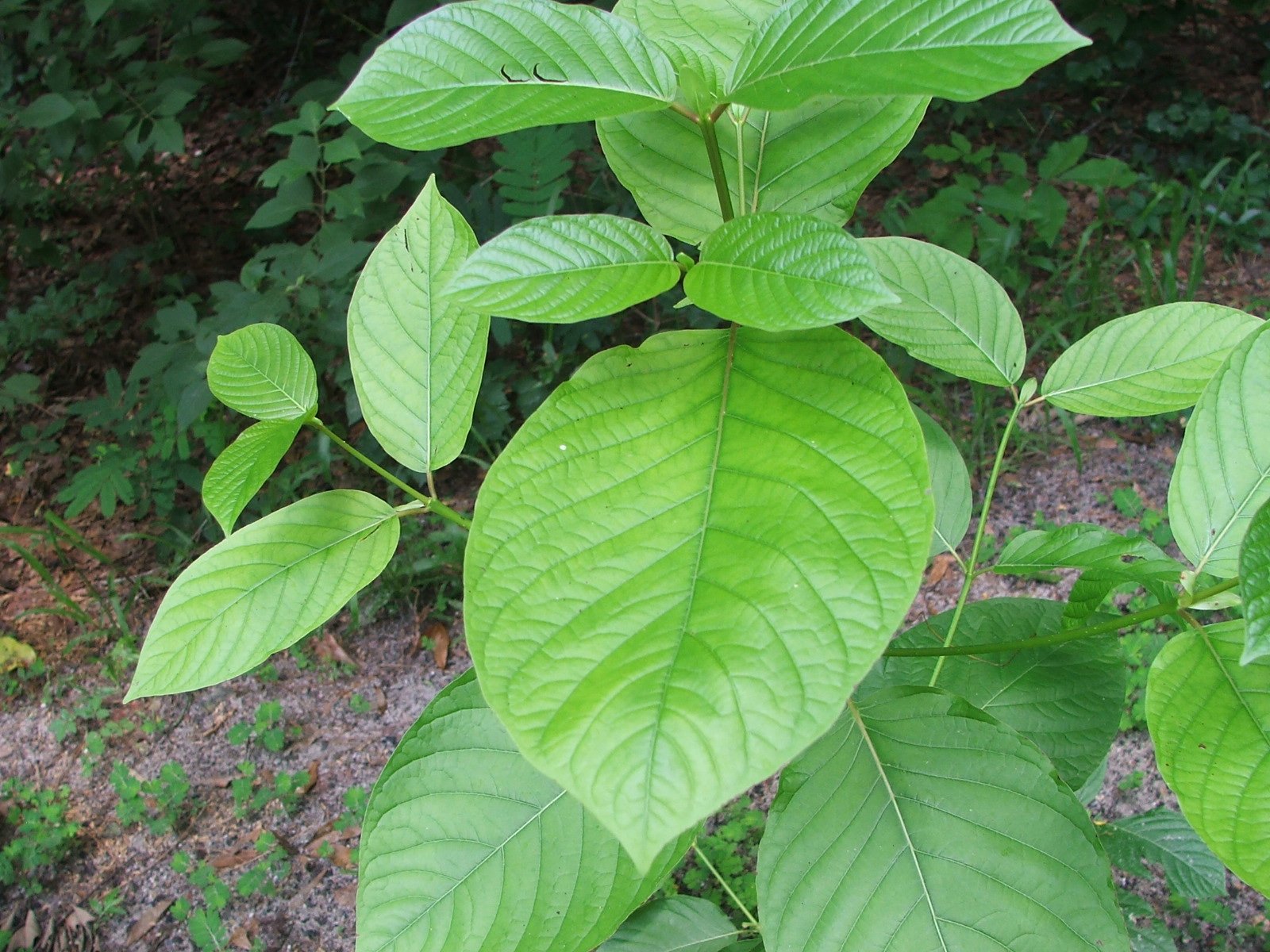
Missouri operators face processor reviews tied to age controls, product labels, 7-OH concerns, chargebacks, ecommerce fraud, and local rules in places such as Kansas City and St. Charles County.
missouri kratom payment processing for high-risk merchants.
High Wire Payments serves Missouri kratom retailers, smoke shops, supplement sellers, ecommerce brands, and mixed-inventory merchants that need stable card acceptance, disciplined underwriting, and compliance-aware processing in a shifting regulatory environment.
MO
Serving Missouri businesses
21+
Kansas City natural kratom age rule
2019
St. Charles County registration ordinance
7-OH
Elevated regulatory scrutiny
Missouri kratom payment processing is a specialized high-risk category for retailers and ecommerce sellers serving Kansas City, St. Louis, Springfield, Columbia, Independence, Lee’s Summit, O’Fallon, St. Joseph, and St. Charles. Kratom may be sold in many parts of Missouri, but payment processors review the category differently than ordinary retail because the products sit at the intersection of supplements, smoke shop inventory, FDA uncertainty, state consumer-protection activity, and local ordinances.
High Wire Payments serves Missouri businesses; we do not claim a physical Missouri office. Our role is to help kratom merchants prepare for realistic underwriting, choose an appropriate card-present or card-not-present setup, and reduce avoidable shutdown triggers. For many operators, the problem is not whether customers want to buy kratom. The problem is whether the merchant account, gateway, point-of-sale configuration, website, product catalog, and compliance file all tell the same risk story.
Missouri has become a meaningful market for kratom, smoke shop, CBD, hemp, and supplement retailers, but it is also a market receiving closer attention. The Missouri Attorney General announced a statewide investigation into major kratom manufacturers and distributors, issuing Civil Investigative Demands to companies believed to be manufacturing, distributing, or selling products that may involve unsafe, unapproved, or deceptively marketed opioid-like substances. That type of public enforcement activity directly affects payment underwriting because banks and processors monitor legal, reputational, chargeback, and product-liability exposure.
Kratom remains a legally sensitive product category in Missouri. St. Charles County adopted Kratom Seller Registration Ordinance #19-070, creating Chapter 237 effective Oct. 21, 2019, and Kansas City announced a 2026 law banning synthetic kratom while restricting natural kratom sales to adults 21 and older. Merchants should consult counsel and local officials before selling, shipping, or advertising kratom products.
why Missouri kratom merchants are treated as high-risk
Kratom merchants are considered high-risk because acquiring banks evaluate more than the legality of a product. They look at regulatory uncertainty, the likelihood of consumer complaints, refund patterns, product claims, fulfillment practices, age controls, and the risk that a product page or in-store label could be viewed as misleading. The Missouri Department of Health and Senior Services has highlighted public health and regulatory concerns around kratom and 7-OH products, including the distinction between natural kratom leaf, which contains trace amounts of 7-OH, and newer potent products with added or synthetic 7-OH.
The FDA position also matters. The Missouri DHSS webinar materials note the FDA’s position that kratom is an unapproved new dietary ingredient and cannot be lawfully marketed as such. That does not mean every Missouri merchant is automatically prohibited from accepting cards, but it does mean underwriting teams will expect conservative marketing language, compliant product labeling, no disease-treatment claims, no opioid-withdrawal claims, no dosage promises, and a clear separation between botanical retail and medical claims.
Missouri operators are also exposed to category bleed-over. A smoke shop in Independence may sell kratom capsules, disposable vapes, glass, hemp-derived products, and accessories from the same counter. A wellness retailer in Columbia may sell kratom next to nutraceuticals and CBD. An ecommerce seller in Springfield may offer powder, capsules, extracts, and subscription bundles. Each added product type changes the risk profile, the required disclosures, and the processor’s comfort level with the account.
Missouri regulatory facts that affect payment approval
Missouri does not currently have the same statewide kratom framework that some states have adopted, and past attempts to establish a Kratom Consumer Protection Act have faced setbacks. Research provided for this page notes that a finalized version of the KCPA passed in 2022 but was vetoed by Governor Michael Parson. The stated concern was that the bill classified kratom as food, creating conflict with federal law and the FDA’s ability to act against adulterated or misbranded products.
In 2023, Representative Phil Christofanelli revised the bill language and co-introduced HB912. That version passed the Missouri House in April 2023 but died in committee by May 2023. Later legislative efforts continued, including 2025 activity reported as first-round approval in the Missouri House for a bill to regulate kratom products. For underwriters, this history signals uncertainty: the product is present in the market, but rules may evolve quickly, especially around 7-OH, age limits, labeling, and product safety.
Local rules matter even more. St. Charles County passed Kratom Seller Registration Ordinance #19-070, creating Chapter 237, effective Oct. 21, 2019. The ordinance requires retail sellers of kratom to register online, submit kratom product labels for review, provide clear labeling and a written statement for consumers, avoid adulterated, contaminated, or concentrated kratom, and refrain from sales to persons under 18. Kansas City announced a 2026 law that bans synthetic kratom and restricts natural kratom sales to adults 21 and older. These local facts should be reflected in a merchant’s operating procedures.
A kratom shop in St. Charles County may have registration and label-review obligations that do not apply the same way to a store in St. Joseph or Springfield. Kansas City has specific 2026 restrictions on synthetic kratom and 21+ sales of natural kratom. Merchants should document city and county requirements before applying for processing.
merchant account approval challenges in Missouri
Many Missouri kratom merchants first experience payment risk when a mainstream processor freezes deposits, requests product information, or terminates the account after a routine review. This often happens when the business originally boarded under a generic smoke shop, supplement, grocery, or ecommerce description and later added kratom products without updating its risk profile. A mismatch between the application, website, receipts, product names, bank statements, and fulfillment records can trigger a compliance review.
Approval challenges are especially common for ecommerce and card-not-present sellers. Online kratom sales involve higher chargeback exposure, shipping questions, age-verification concerns, terms-and-conditions review, and product pages that can be archived and examined by banks. If a Missouri seller ships outside the state, the processor may review whether the merchant blocks restricted jurisdictions, communicates shipping limitations, and understands that kratom laws vary by state, county, and municipality.
High Wire Payments helps merchants prepare a complete file before submission. That means describing the business accurately, disclosing kratom sales, identifying whether products are natural leaf, powder, capsules, extracts, or 7-OH-related products, and explaining how the merchant controls age-restricted sales. A clean underwriting package cannot remove risk, but it can reduce confusion and help banks evaluate the account on documented facts rather than assumptions.
documents Missouri kratom businesses should prepare
Underwriting for a Missouri kratom merchant account usually requires more documentation than a standard retail account. The strongest applications show who owns the business, where the business operates, what it sells, how products are sourced, what labels say, how customers are screened, and how disputes are handled. Retail stores in St. Louis, Lee’s Summit, O’Fallon, and St. Charles should keep local permits, leases, invoices, age-check procedures, and product labels organized before processor review.
- Government-issued ID for each principal owner
- Missouri business formation records or assumed-name documentation
- Employer Identification Number confirmation from the IRS
- Recent business bank statements, typically three months when available
- Processing statements from prior merchant accounts, if applicable
- Retail lease, storefront photos, or proof of operating location
- Website URL, checkout flow, refund policy, privacy policy, and terms of service
- Complete kratom product list, including powders, capsules, extracts, and any 7-OH-related products
- Supplier invoices, certificates of analysis when available, and product label files
- Written age-verification, shipping restriction, chargeback, and customer-service procedures
A processor may also request labels for review, particularly in light of Missouri scrutiny around product marketing and St. Charles County’s label-review requirements. Avoid labels and website content that suggest treatment, diagnosis, prevention, or cure of disease. Avoid unsupported safety claims, opioid-withdrawal claims, or dosage claims that could be viewed as medical or deceptive. Product labeling, lot tracking, and clear ingredient disclosures can make a meaningful difference during review.
card-present POS and ecommerce processing options
Missouri kratom merchants generally need one of two processing models: card-present retail POS, card-not-present ecommerce, or a coordinated setup that supports both. A smoke shop in Kansas City may need a countertop terminal or integrated POS with age-gate prompts and inventory visibility. A supplement retailer in Columbia may need in-store acceptance plus a compliant online catalog. A brand in Springfield may need gateway support, fraud tools, and shipping-rule controls for online orders.
Card-present processing can help reduce fraud exposure because the customer and card are physically present, but it does not eliminate high-risk review. Underwriters still review what is sold, whether employees check age, whether receipts identify products clearly, and whether the shop is in a jurisdiction with special rules. For Kansas City merchants, written 21+ controls for natural kratom sales are especially important because the city’s 2026 law restricts natural kratom sales to adults 21 and older and bans synthetic kratom.
Ecommerce requires additional controls. High Wire Payments can help Missouri merchants discuss gateway configuration, fraud filters, velocity controls, AVS and CVV settings, descriptor management, refund workflows, and order-review procedures. Online merchants should use clear billing descriptors, accurate delivery timeframes, customer-service contact information, and visible policies. When customers cannot recognize a charge or cannot get help quickly, chargebacks rise and the account becomes harder to keep.
preparation checklist for Missouri kratom payment processing
Before applying, Missouri kratom merchants should prepare as though a bank compliance team will review the business from the outside in. The goal is not to make the company look generic. The goal is to make the company look transparent, controlled, and consistent across every document, product page, receipt, label, and customer policy.
- Confirm whether your city or county has kratom-specific rules, including St. Charles County registration or Kansas City 21+ restrictions
- Remove medical, opioid-withdrawal, cure, treatment, or disease claims from product pages, ads, labels, and staff scripts
- Separate natural kratom products from synthetic, added, or high-potency 7-OH products in your inventory documentation
- Collect product labels, supplier invoices, COAs when available, and ingredient disclosures for underwriting review
- Write an age-verification policy for retail checkout and ecommerce checkout, including staff training steps
- Prepare refund, shipping, privacy, and terms-of-service pages before submitting an ecommerce account
- Use clear billing descriptors and customer-service contact details to reduce friendly-fraud disputes
- Set fraud controls for AVS, CVV, order velocity, high-ticket orders, and mismatched billing or shipping addresses
- Review reserve expectations, rolling reserve language, payout timing, and chargeback thresholds before going live
- Apply with accurate kratom disclosure instead of trying to board under a generic supplement, smoke shop, or wellness category
If your Missouri business sells kratom, CBD, hemp, smoke shop products, or nutraceuticals, High Wire Payments can review your processing needs and help you prepare a high-risk merchant account application. Apply at https://highwireleah.com/apply/ or call 805-827-7451. You can also review related resources on the kratom payment processing hub, the high-risk merchant services page, CBD payment processing, hemp payment processing, and smoke shop payment processing pages.
Missouri kratom markets we serve
High Wire Payments serves Missouri merchants in major retail corridors, suburban markets, college towns, and ecommerce operations shipping from the state.
Missouri-focused payment support for kratom merchants
High Wire Payments helps high-risk businesses prepare for underwriting, manage payment risk, and operate with clearer compliance documentation.
Kratom-specific underwriting file review
We help Missouri merchants organize product lists, labels, supplier invoices, COAs when available, website policies, and business documents before submission. The application should clearly disclose kratom instead of hiding it under a generic supplement or smoke shop category.
Local-rule documentation
We help operators document relevant local obligations such as St. Charles County Kratom Seller Registration Ordinance #19-070 and Kansas City’s 2026 restrictions on synthetic kratom and natural kratom sales to adults 21 and older. This supports a more complete compliance narrative during review.
Chargeback ratio monitoring
High-risk kratom accounts need active dispute oversight, not passive monthly reporting. We focus on billing descriptor clarity, refund workflows, customer-service visibility, and early attention to chargeback trends before they threaten processing stability.
Ecommerce gateway controls
For Missouri card-not-present merchants, we can discuss AVS, CVV, velocity filters, high-ticket order review, and policy-page requirements. These controls help reduce fraud, friendly fraud, and avoidable disputes from online kratom orders.
POS and retail age-control support
Retail stores can prepare written checkout procedures for age-restricted sales, employee training, ID checks, and product placement behind the counter where appropriate. Clear retail controls are important for Missouri smoke shops and mixed-inventory stores.
Reserve and payout expectation setting
Kratom accounts may be approved with rolling reserves, delayed funding, volume caps, or additional monitoring. We help merchants understand reserve language, payout timing, and documentation requests before they become operational surprises.
Is kratom legal to sell in Missouri?
Kratom is generally described as legal for sale and use in Missouri, but it is not regulated through a comprehensive statewide kratom framework. Local rules may apply, and merchants should confirm requirements with counsel or the relevant city or county before selling.
Do Missouri kratom retailers need a separate state license?
The research provided does not identify a statewide Missouri kratom license. However, St. Charles County adopted Kratom Seller Registration Ordinance #19-070, effective Oct. 21, 2019, requiring retail sellers to register and follow label and product restrictions.
What is the minimum age to buy kratom in Missouri?
Missouri does not have one uniform statewide age rule in the research provided. St. Charles County requires sellers not to sell kratom to persons under 18, while Kansas City announced a 2026 law restricting natural kratom sales to adults 21 and older.
What Kansas City kratom rules affect payment processing?
Kansas City announced a 2026 law banning synthetic kratom and restricting natural kratom sales to adults 21 and older. Payment underwriters may expect Kansas City merchants to document age checks, inventory controls, and product separation for natural versus synthetic or 7-OH-related products.
Why do processors shut down Missouri kratom merchant accounts?
Shutdowns often occur when a merchant boards under a generic category, later adds kratom, receives high chargebacks, uses unsupported health claims, or fails a compliance review. Missouri enforcement activity and public scrutiny around 7-OH can also make processors more cautious.
Can Missouri kratom sellers accept ecommerce payments?
Yes, some Missouri kratom sellers can seek card-not-present processing, but ecommerce is reviewed more closely than in-store sales. Underwriters typically examine website claims, product labels, shipping restrictions, age-gate controls, refund policies, fraud tools, and chargeback history.
Can a Missouri smoke shop process kratom, CBD, hemp, and accessories together?
Mixed inventory is possible, but each product category affects underwriting. A shop selling kratom, CBD, hemp-derived products, vapes, glass, and accessories should disclose the full catalog so the account is not misclassified and later terminated during review.
Will a rolling reserve be required for a Missouri kratom account?
A reserve may be required depending on volume, chargeback history, ecommerce exposure, product mix, time in business, and underwriting appetite. Reserves are not guaranteed or universal, but kratom merchants should be prepared to discuss payout timing and risk controls.
What documents should a Missouri kratom merchant submit?
Common documents include owner ID, EIN confirmation, Missouri business records, bank statements, processing statements, product lists, supplier invoices, labels, COAs when available, website policies, and written age-verification procedures. St. Charles County sellers should also keep registration and label-review records if applicable.
How do I apply for Missouri kratom payment processing with High Wire Payments?
High Wire Payments serves Missouri businesses and can review your kratom, smoke shop, ecommerce, supplement, CBD, or hemp processing profile. Apply at https://highwireleah.com/apply/ or call 805-827-7451 to discuss the documentation needed for underwriting.
apply for Missouri kratom payment processing
Prepare your high-risk merchant account with accurate product disclosure, age controls, labeling documentation, fraud tools, and chargeback prevention. High Wire Payments serves Missouri kratom retailers, ecommerce sellers, smoke shops, supplement brands, CBD merchants, hemp businesses, and other high-risk operators. Apply at https://highwireleah.com/apply/ or call 805-827-7451.