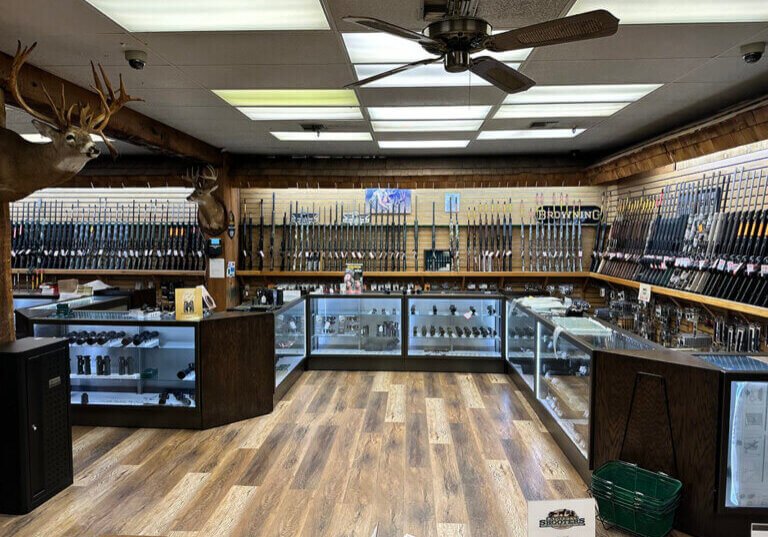
minnesota firearms and ammunition payment processing high-risk merchants.
High Wire Payments supports Minnesota gun stores, FFL dealers, ammunition retailers, outdoor merchants, shooting sports businesses, and firearm-related ecommerce sellers with compliance-aware payment processing, underwriting preparation, chargeback controls, age controls, and restricted-product review.
MN
State Review
FFL
Dealer Focus
21+
Age Controls
ERPO
Compliance Context
Minnesota firearms and ammunition payment processing is a specialized underwriting category for gun stores, FFL dealers, ammunition retailers, shooting sports businesses, outdoor and hunting merchants, and ecommerce sellers serving customers across Minneapolis, Saint Paul, Rochester, Duluth, Bloomington, Brooklyn Park, Plymouth, Maple Grove, St. Cloud, and Eagan. A firearms merchant may sell handguns, rifles, shotguns, optics, knives, safes, holsters, reloading supplies, suppressor accessories, hunting gear, range memberships, training classes, gunsmithing services, or ammunition. Each category can affect card network review, processor eligibility, product labeling, age verification, shipping controls, and chargeback exposure.
High Wire Payments builds these pages for education and underwriting preparation, not as legal advice. Minnesota operators should work with qualified counsel, their FFL compliance resources, and applicable federal, state, and local agencies before changing sales practices. From a payments perspective, the practical issue is that mainstream processors often treat firearms and ammunition as elevated-risk commerce because the business depends on regulated inventory, age-restricted sales, controlled shipping, distributor documentation, clear refund policies, and careful customer communication. A processor that does not understand firearms can approve an account too casually, then freeze funds or terminate processing after seeing the real product mix.
The Minnesota market includes well-known operator examples that show how diverse the category can be. Down Range Guns & Ammo in Maple Grove presents a retail and online model with firearms, ammunition, silencers, accessories, gunsmithing, transfers, NFA processing, and Permit to Carry classes listed at $99.99 with an approximately four-hour class format. Ahlman’s in Morristown states that it has offered gun sales, parts, and quality gunsmithing since 1943 and describes itself as a major source of gun parts in the Upper Midwest. Those examples matter for payments because a single merchant account may need to support in-store retail, online accessories, deposits, gunsmithing invoices, class registrations, transfer fees, and ammunition sales without misrepresenting the business model.
Minnesota has enacted expanded background checks, an Extreme Risk Protection Order framework, restrictions related to domestic abusers under restraining orders, and rules affecting handgun and semiautomatic military-style assault weapon transfers. These facts are useful for payment underwriting context, but this page is not legal advice.
why Minnesota firearms merchants need specialized payment processing
Firearms payment processing is not the same as ordinary retail acquiring. A merchant selling general sporting goods in Rochester or Duluth may be approved quickly by a standard processor, while a merchant selling firearms, ammunition, magazines, optics, or NFA-related accessories may be moved into enhanced underwriting. The processor needs to know whether the business is an FFL dealer, an ammunition-only seller, a training and range business, a gunsmith, an ecommerce accessories store, or a hybrid retail model. That classification affects the merchant category, application documentation, reserve expectations, acceptable product list, website review, and the way transactions are monitored after approval.
Minnesota-specific regulatory context adds another layer. Public research notes that Minnesota requires background checks for handgun purchases through permit-to-purchase or point-of-sale mechanisms and includes handguns and semiautomatic military-style assault weapons in that framework. Research also notes that concealed carry permits are required and involve training, including live fire. At the same time, traditional rifles and shotguns are treated differently than handguns and certain semiautomatic military-style firearms. Underwriters are not a substitute for legal review, but they do want to see that a merchant understands the difference between product categories and is not presenting a generic sporting goods site while actually selling regulated firearms.
High Wire Payments helps Minnesota merchants prepare applications so the risk profile is clear before processing begins. That includes separating firearms, ammunition, accessories, training, range fees, and gunsmithing in the business description; documenting FFL status where applicable; reviewing website terms; confirming that checkout language does not imply unlawful direct-to-consumer firearm delivery; and identifying age-restricted products. Merchants can begin with the firearms and ammunition overview at /firearms-and-ammunition-payment-processing/ and the firearms-specific resource at /firearms-payment-processing/ before submitting an application through /apply/.
Minnesota firearms payment processing comparison
A useful comparison table for Minnesota merchants should evaluate four payment paths: ordinary retail processing, generic ecommerce processing, firearms-aware high-risk processing, and cash-only operations. Ordinary retail processing may appear inexpensive but often fails when the processor reviews firearms inventory, ammunition SKUs, suppressor accessories, or transfer fees. Generic ecommerce processing may work for outdoor apparel but can reject ammunition, gun parts, magazines, or checkout flows that reference FFL shipment. Cash-only operations reduce card exposure but create operational friction, fewer online sales, more reconciliation work, and less flexibility for customers buying optics, safes, classes, or gunsmithing services.
Firearms-aware payment processing is built around disclosure and controls. The application should state exactly what is sold, where it is sold, how products are fulfilled, what age gates exist, and how prohibited products are blocked. A Minnesota gun store in Bloomington or Brooklyn Park may need a retail terminal and a virtual terminal for phone-authorized deposits, while a St. Cloud ecommerce seller may need a gateway that supports clear descriptors, fraud filters, AVS, CVV, velocity limits, and manual review for high-ticket orders. Ammunition retailers need particular attention to age controls, shipping restrictions, refund terms, and carrier policies.
High Wire Payments does not promise approval, and responsible underwriting should not be treated as a rubber stamp. The goal is an approval-ready file that helps the bank understand the merchant before transactions start. That is especially important for Minnesota businesses with mixed inventory: a shop may sell factory-new firearms, pre-owned firearms, knives, optics, parts, ammunition, gunsmithing services, training, and NFA-related services under the same brand. If the processor only sees a generic retail description, later monitoring can look like a mismatch. If the file is accurate from the start, account reviews are more predictable.
This Minnesota page is structured for a soft cream and green design with rounded white cards, green borders, green and gold CTA buttons, a comparison-table section, checklist content, FAQ support, and a final application CTA.
underwriting factors for Minnesota gun stores, FFL dealers, and ammunition retailers
Underwriting for firearms merchants usually starts with identity, ownership, processing history, product mix, and compliance documentation. A Minnesota FFL dealer should expect questions about license status, store location, ecommerce activity, refund policies, fulfillment controls, inventory categories, and whether the business sells ammunition, firearm parts, magazines, suppressor accessories, or NFA items. If the merchant operates in Minneapolis, Saint Paul, Maple Grove, Plymouth, Eagan, or another Minnesota city, the processor may also want to know whether sales are in-store only, online only, or omnichannel.
Chargeback risk is a major underwriting topic even when a merchant follows firearms regulations carefully. Firearms and optics can be high-ticket products, ammunition may generate fulfillment disputes during periods of demand, and special orders can lead to customer confusion if timelines are not explained. Training classes, range memberships, gunsmithing work, and transfer fees can create service-related disputes if policies are not documented. Clear receipts, order confirmations, shipping notices, refund terms, cancellation terms, and product descriptions reduce preventable disputes and help the merchant respond with evidence if a chargeback occurs.
Age controls and product labeling should be visible in both retail and ecommerce workflows. For ecommerce, product pages should distinguish firearms, ammunition, accessories, optics, knives, training, and non-regulated outdoor goods. Checkout should include appropriate age acknowledgments and fulfillment disclosures. Firearms should be described in a way that makes FFL shipment requirements clear where applicable, and ammunition pages should avoid vague or misleading descriptions. In retail, staff training, ID checks, posted policies, and consistent receipts help create a record that the merchant operates responsibly.
documents Minnesota firearms merchants should prepare
A strong merchant application is built like a compliance file. Minnesota operators should not wait until a processor requests documents after approval; they should prepare the file before submitting. The exact request can vary by bank and processor, but firearms and ammunition merchants should assume enhanced documentation. This is true for established shops with years of history and newer ecommerce sellers that are still building processing volume.
- Federal Firearms License documentation, if the business sells or transfers firearms
- Minnesota business registration records and legal entity information
- Government-issued identification for owners and controlling parties
- Storefront lease, utility bill, or other proof of operating location
- Recent processing statements, if the business has accepted cards before
- Business bank letter or voided check matching the legal entity
- Product catalog separating firearms, ammunition, accessories, training, and services
- Website URL, checkout screenshots, refund policy, privacy policy, and terms of sale
- Age verification, ID check, and restricted-product procedures
- Shipping, fulfillment, FFL transfer, special-order, and cancellation policies
For Minnesota ecommerce sellers, the website review often matters as much as the formal application. Underwriters look for clear product labeling, accurate category navigation, visible contact information, customer service procedures, refund language, delivery timelines, and prohibited-product controls. If the site sells firearms-related accessories but not firearms, that should be stated clearly. If the site sells ammunition, the checkout process should not appear to bypass age or shipping restrictions. A well-prepared website reduces back-and-forth and makes the merchant easier to evaluate.
retail POS, ecommerce, and omnichannel payment setup
Minnesota firearms businesses often need more than one payment acceptance method. A gun store in Maple Grove may use countertop terminals for retail sales, a virtual terminal for deposits or special orders, recurring billing for memberships, online invoicing for gunsmithing, and an ecommerce gateway for accessories or ammunition. A training provider may need online class registration and in-person checkout. A hunting outfitter may combine outdoor gear, guided-service deposits, ammunition, and seasonal retail. Each channel should match the approved merchant profile.
POS hardware and gateway configuration should be built around auditability. Descriptors should be clear, receipts should match the business name, and staff should know which products can be sold through which channel. For ecommerce, fraud controls should include AVS, CVV, velocity limits, order review thresholds, and mismatch alerts for billing and shipping information. High-ticket firearms-related orders may require manual review even when the card authorization succeeds. Authorization is not the same as low risk; it simply confirms that the card transaction can be attempted.
High Wire Payments can help Minnesota merchants think through the practical payments stack: retail terminal, mobile terminal for compliant offsite events where allowed, gateway, shopping cart compatibility, virtual terminal, invoicing, chargeback alerts, and reporting. The point is not to force every merchant into the same setup. A rural hunting and gunsmithing business has different needs than an urban accessories ecommerce brand, and a range or training business has different risk signals than an ammunition retailer.
Minnesota firearms payment processing preparation checklist
Before applying, Minnesota gun stores, FFL dealers, ammunition retailers, outdoor merchants, shooting sports businesses, and ecommerce sellers should make the business easy to understand. Use the following checklist to prepare an application package and reduce avoidable underwriting delays.
- Confirm the legal business name, DBA, ownership details, and bank account match across documents
- Collect FFL documentation and explain whether firearms transfers, sales, or gunsmithing are performed
- Separate revenue categories for firearms, ammunition, accessories, training, range fees, and services
- Update website product descriptions, age notices, checkout disclosures, and shipping language
- Post clear refund, cancellation, special-order, transfer, and gunsmithing policies
- Document age verification and ID check procedures for retail and ecommerce transactions
- Review chargeback history and identify common causes before submitting statements
- Set fraud rules for AVS, CVV, velocity, high-ticket orders, and shipping mismatch review
- Remove unsupported or prohibited products before the underwriting review
- Apply through /apply/ only after the application file accurately reflects the real business model
High Wire Payments is serving businesses in Minnesota with education-focused firearms payment processing support. If your business sells firearms, ammunition, parts, optics, accessories, training, or gunsmithing services, start by reviewing /firearms-and-ammunition-payment-processing/ and /firearms-payment-processing/, then submit a complete file through /apply/ for a compliance-aware underwriting review.
serving businesses in Minnesota firearms markets
High Wire supports payment processing preparation for firearm-related merchants across Minnesota, including Minneapolis, Saint Paul, Rochester, Duluth, Bloomington, Brooklyn Park, Plymouth, Maple Grove, St. Cloud, and Eagan.
Minnesota firearms payment controls built for underwriting
High Wire focuses on documentation, category clarity, transaction monitoring, and practical risk controls for regulated firearms-related commerce.
FFL-aware application packaging
We help Minnesota merchants present FFL documentation, product categories, sales channels, and fulfillment procedures in one underwriting file. The goal is to avoid a mismatch between the application and the real inventory.
Ammunition and age-control review
We review ammunition product pages, checkout notices, shipping language, and age-control workflows. Clear labeling and customer acknowledgments help reduce preventable disputes and underwriting questions.
Chargeback ratio monitoring
We help merchants track disputes by product category and transaction type, including special orders, gunsmithing, training, and ecommerce shipments. Alerts can be configured before dispute volume becomes a processing problem.
Retail POS and gateway matching
We map terminals, virtual terminals, invoicing, and ecommerce gateways to the approved firearms business profile. This helps a Minnesota shop avoid using one account for unapproved channels or undisclosed products.
Website and policy underwriting check
We review refund terms, shipping disclosures, FFL transfer language, contact information, and product labeling before submission. A clean website review can reduce follow-up questions from risk teams.
Minnesota market context
We account for Minnesota’s expanded background check environment, Extreme Risk Protection Order context, permit-to-carry training references, and mixed retail models. The review remains payments-focused and is not legal advice.
Can Minnesota gun stores get credit card processing?
Yes, many Minnesota gun stores can be reviewed for firearms payment processing when the application accurately discloses products, FFL status, sales channels, and policies. Approval is not guaranteed, and underwriting depends on the merchant’s risk profile.
Do Minnesota FFL dealers need specialized payment processing?
FFL dealers are commonly treated as high-risk or specialty merchants because they sell regulated inventory. A firearms-aware processor is better positioned to review firearms, ammunition, transfers, gunsmithing, and accessories without misclassifying the business.
Can a Minnesota ammunition retailer accept cards online?
Ammunition ecommerce may be reviewed when age controls, product labeling, shipping procedures, refund terms, and restricted-product policies are clear. Underwriters will want to see that the site does not present ammunition as ordinary, unrestricted merchandise.
What Minnesota firearms laws matter for payment underwriting?
Research notes Minnesota expanded background checks, an Extreme Risk Protection Order framework, domestic-abuser-related restrictions, and permit-to-purchase or point-of-sale background checks for handguns and semiautomatic military-style assault weapons. Payment underwriting uses this as context, but merchants should seek legal advice from qualified counsel.
Can a Minnesota firearms ecommerce site sell accessories if it does not sell guns?
Yes, but the product mix must be disclosed accurately. Accessories, optics, parts, magazines, knives, and ammunition can each create different underwriting concerns, so the website should clearly state what is and is not sold.
Will High Wire claim to have a Minnesota office?
No. This page describes High Wire Payments serving businesses in Minnesota and does not make a local-office claim. Support is focused on payment processing education, application preparation, and underwriting coordination.
What documents should a Minnesota gun store prepare before applying?
Prepare FFL documentation if applicable, business registration, owner identification, bank documentation, processing statements, product catalog, website policies, age verification procedures, shipping rules, and chargeback history. A complete file helps reduce avoidable underwriting delays.
Can Permit to Carry classes, range fees, and gunsmithing be processed on the same account?
Sometimes, but those services should be disclosed in the application and reflected in receipts, terms, and website content. Training, range memberships, gunsmithing invoices, and retail firearm sales may produce different dispute patterns.
Why do processors ask about chargebacks for firearms merchants?
Firearms-related transactions can involve high-ticket products, special orders, shipping timelines, transfer expectations, and service deposits. Clear policies and chargeback monitoring help protect the merchant account after approval.
Where should a Minnesota firearms merchant apply?
Review the firearms resources at /firearms-and-ammunition-payment-processing/ and /firearms-payment-processing/, then submit a complete application through /apply/. High Wire will review the file for firearms-aware payment processing options without providing legal advice or guaranteed approval.
Apply for Minnesota firearms payment processing review
High Wire Payments supports Minnesota gun stores, FFL dealers, ammunition retailers, outdoor merchants, shooting sports businesses, and ecommerce sellers with compliance-aware underwriting preparation, payment setup guidance, and chargeback controls. Start at /apply/ when your documents, website policies, and product categories are ready for review.
Apply Now