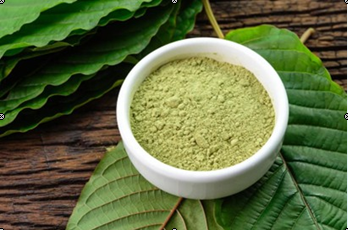
Kratom remains a closely reviewed category in Michigan because state legislation, public health reporting, smoke shop distribution, and product potency concerns can affect underwriting. High Wire helps merchants prepare compliant documentation for POS, ecommerce, and mixed-channel sales.
michigan kratom payment processing for high-risk merchants.
High Wire Payments serves Michigan kratom retailers, smoke shops, supplement brands, ecommerce sellers, and other high-risk businesses with underwriting-focused payment processing. Build a file that addresses chargebacks, product labeling, age controls, 7-OH concerns, card-not-present fraud, reserves, and processor shutdown risk before you submit.
MI
Serving Michigan businesses
5537
House Bill reviewed for ban risk
123%
Reported kratom case increase in 2025 research
21+
Recommended age-control standard
Michigan kratom payment processing requires more preparation than a standard retail merchant account. High Wire Payments serves Michigan businesses selling kratom in Detroit, Grand Rapids, Warren, Sterling Heights, Ann Arbor, Lansing, Flint, Dearborn, Livonia, Troy, Westland, and Farmington Hills, including smoke shops, botanical retailers, supplement stores, wellness brands, ecommerce sellers, and mixed-inventory convenience locations. The state has an active kratom market, with products commonly sold through smoke shops, gas stations, online stores, and specialty botanical retailers. That visibility helps demand, but it also increases scrutiny from banks, card brands, payment processors, and regulators reviewing product risk.
Kratom is treated as high-risk because it sits at the intersection of dietary supplement marketing, age-sensitive retail, evolving state law, elevated chargeback exposure, and public health concern. Michigan research from 2026 noted that lawmakers debated House Bill 5537, which would ban the growth, import, sale, and distribution of kratom and certain related synthetic products if enacted. Earlier efforts included House Bill 4061 from 2023, introduced as the Kratom Consumer Protection and Regulatory Act, and research also referenced HB 4969 in 2025 as a proposal that would add licensing, testing, labeling, and 21+ sales requirements if passed.
For merchants, the payment issue is not simply whether kratom can be sold today. Underwriters want to know how you monitor changing Michigan law, how you prevent youth access, how you substantiate product labels, how you handle extracts and 7-hydroxymitragynine concerns, and how you manage disputes. A Detroit smoke shop with behind-counter kratom, a Grand Rapids ecommerce seller shipping powders and capsules, and an Ann Arbor wellness brand selling packaged botanicals may all need different processing setups. High Wire helps organize that risk story so the application is more complete before it reaches a banking partner.
Michigan research indicates kratom has remained legal in the state while lawmakers have considered regulation and prohibition. Because proposed bills can affect bank appetite before laws are finalized, merchants should document product sourcing, age controls, labels, refund policies, COAs, and inventory controls before applying for payment processing.
why michigan kratom merchants are classified as high-risk
Kratom merchants in Michigan are classified as high-risk because acquiring banks evaluate more than sales volume. They review whether the product category is stable, whether the merchant makes disease or treatment claims, whether customers are likely to dispute transactions, and whether state or local rules could change quickly. In Michigan, the legislative conversation itself is a risk factor. The Michigan House approved House Bill 5537 in 2026, and coverage described the proposal as a statewide ban on production, import, sale, and distribution if it becomes law. Even when a bill has not taken effect, underwriters may request stronger documentation.
Public health data also affects processor appetite. Research cited the Michigan Poison and Drug Information Center reporting an increase in documented medical cases involving kratom use from 52 in 2024 to 116 in 2025, a 123% jump. That does not mean every merchant is unsafe or noncompliant, but it does explain why processors ask detailed questions about product forms, potency, serving information, labels, and customer disclosures. Products that include extracts, shots, gummies, or 7-OH-related compounds tend to receive closer review than plain powder or capsule products.
The retail environment matters as well. Michigan research identified kratom as available through gas stations and smoke shops, and shop examples referenced in public search results included Detroit Smoke & Vape, Dearborn Botanicals, Westland Kratom & CBD, Livonia Smoke Shop, Grand Rapids Botanicals, Ann Arbor Kratom Co., and Lansing Botanical Shop. These examples show that kratom is visible in major Michigan markets, but visibility can increase compliance expectations. A merchant selling kratom alongside vape, CBD, hemp, Delta-8, glass, tobacco accessories, or supplements must be ready to explain the full inventory mix.
merchant account approval challenges in michigan
A common problem for Michigan kratom sellers is starting with a standard processor that does not support the category. The account may be approved under a general retail, supplement, smoke shop, or ecommerce description, then later suspended after a website review, bank audit, chargeback spike, or product keyword scan. Shutdowns can freeze deposits, interrupt cash flow, and leave a merchant unable to process cards at the register or online checkout. High Wire focuses on proper category disclosure at the beginning so the merchant is not relying on a processor that prohibits kratom in its terms.
Approval challenges become more serious when the business sells online. Card-not-present kratom transactions create higher fraud and dispute exposure because the cardholder is not physically present, the product is shipped, and customers may later claim non-receipt, dissatisfaction, unauthorized purchase, or confusion about subscription terms. Ecommerce merchants in Troy, Farmington Hills, Grand Rapids, and Detroit should have clear terms and conditions, delivery confirmation, billing descriptors, customer service response timelines, and refund policies. Underwriters may also ask whether the merchant blocks restricted jurisdictions, verifies age, and avoids shipping to states or municipalities where kratom is prohibited.
Michigan retailers also face application friction when their documentation is incomplete. A smoke shop in Warren or Sterling Heights may have a strong local customer base but still be declined if it cannot provide supplier invoices, product photos, labels, COAs, ownership information, bank statements, or a website that matches the legal entity. A supplement brand in Ann Arbor may be delayed if labels make unsupported medical claims. A Lansing ecommerce seller may be reviewed for continuity billing risk if offers look like trials or subscriptions. The best approval strategy is to remove avoidable uncertainty before the file is submitted.
Do not describe kratom as a generic supplement if the processor prohibits kratom. Accurate disclosure, clean product pages, compliant labeling, and documented age controls reduce the chance of a post-approval termination or rolling reserve increase.
ecommerce, card-not-present, and shipping controls
Michigan kratom ecommerce merchants need a processing plan that addresses both underwriting and operating risk. A website should clearly show the legal business name, customer service contact information, shipping timelines, refund policy, privacy policy, terms of sale, product categories, product labels, and age-gate controls. Product pages should avoid medical claims such as treating pain, anxiety, opioid withdrawal, depression, or disease. The research provided included discussion of people using kratom for symptoms such as pain or depression, but merchants should not convert customer anecdotes into marketing claims. Payment underwriters will review the website for exactly that issue.
Card-not-present controls should be layered. Address Verification Service, CVV matching, velocity limits, device fingerprinting, IP risk review, 3D Secure where appropriate, and manual review of high-dollar orders can all help reduce fraud. Michigan sellers shipping from Detroit, Flint, Grand Rapids, or Livonia should also maintain delivery confirmation and have a clear process for lost-package claims. If the merchant ships nationally, the site should include state restriction logic and a process for monitoring changes in kratom law outside Michigan. Underwriters want to see that the business is not shipping into banned or restricted jurisdictions.
High Wire can help merchants frame these controls in a way payment partners understand. That may include separating retail POS volume from ecommerce volume, identifying expected monthly sales, documenting average ticket, explaining fulfillment timelines, and identifying whether products include powders, capsules, teas, extracts, shots, gummies, or 7-OH-related products. If a business sells CBD, hemp, smoke shop accessories, or nutraceuticals in addition to kratom, the risk profile should be disclosed up front. Related resources include the kratom payment processing hub at /kratom-payment-processing/, high-risk merchant services at /high-risk-merchant-services/, CBD payment processing at /cbd-payment-processing/, hemp payment processing at /hemp-payment-processing/, and smoke shop payment processing at /smoke-shop-payment-processing/.
pos, card-present, reserves, and retail risk management
Michigan brick-and-mortar kratom merchants need POS processing that fits their actual retail environment. A smoke shop in Dearborn, a convenience-style retailer in Westland, a supplement store in Farmington Hills, and a boutique wellness retailer in Ann Arbor may all sell kratom differently. Some keep products behind the counter, some sell prepackaged capsules, and some carry extracts or beverages. Underwriters may ask for interior and exterior store photos, product display photos, lease information, local business registration, inventory lists, and proof that age-sensitive items are not accessible to minors.
- Government-issued photo ID for each owner with 25% or more ownership
- Michigan business registration or entity formation records
- EIN confirmation letter or IRS documentation matching the legal entity
- Three to six months of business bank statements, if available
- Prior processing statements showing volume, refunds, chargebacks, and reserves
- Supplier invoices for kratom powders, capsules, extracts, shots, or packaged products
- Certificates of analysis or third-party lab documentation for product batches
- Product label photos showing ingredients, warnings, net contents, and responsible-use language
- Website URL, refund policy, shipping policy, privacy policy, and terms of sale for ecommerce
- Retail photos, POS setup details, age-verification procedures, and inventory category list
Reserves may be required for some Michigan kratom merchants, especially newer businesses, ecommerce sellers, merchants with prior shutdowns, or merchants selling higher-risk extracts. A reserve is not a penalty; it is a bank risk tool used to offset potential future chargebacks, refunds, or compliance events. The structure may be rolling, capped, upfront, or a combination depending on the file. High Wire helps merchants understand why a reserve may be requested, how chargeback performance can affect future reviews, and what documentation may support a reserve reduction discussion later.
chargeback prevention for michigan kratom sales
Chargebacks are one of the fastest ways a kratom merchant account can become unstable. Many disputes are preventable when the merchant sets expectations before the sale. Product pages should identify what the customer is buying, how it will appear on the billing statement, when it will ship, and how refunds are handled. Receipts should be easy to recognize. Customer service should respond quickly, especially when a buyer asks to cancel an order before fulfillment. Retail locations should train staff to provide printed or digital receipts and to avoid verbal claims that are not supported by labels.
Michigan merchants should pay close attention to unauthorized transaction claims, product-not-received claims, and product-not-as-described claims. For ecommerce, that means using fraud filters, shipment tracking, delivery confirmation, and clear packaging records. For retail, it means EMV chip acceptance, contactless transaction support, refund controls, and staff procedures for suspicious purchases. If a customer buys kratom at a Detroit storefront and later disputes the transaction, the merchant needs a receipt, timestamp, terminal record, and preferably a recognizable billing descriptor. If a customer orders online from Grand Rapids, fulfillment evidence becomes critical.
Chargeback ratio monitoring should start before the merchant is in danger. High Wire can help merchants review processing statements and identify patterns such as repeat customer disputes, specific SKUs that generate complaints, delayed shipping disputes, descriptor confusion, or fraud-heavy traffic sources. The goal is to keep the merchant account within card-brand thresholds and bank expectations. For high-risk categories, waiting until a warning letter arrives is often too late. A disciplined chargeback process protects approval status, settlement timing, and long-term processing options.
michigan kratom merchant preparation checklist
Before applying for Michigan kratom payment processing, prepare a file that answers the questions an underwriter is likely to ask. The stronger the file, the easier it is to distinguish a serious merchant from a business that is selling age-sensitive products without controls. This checklist applies to smoke shops, ecommerce sellers, supplement retailers, wellness brands, and mixed high-risk businesses across Michigan.
- Confirm the business model: retail POS, ecommerce, wholesale, delivery, subscription, event sales, or mixed channel.
- List every product category sold, including kratom powders, capsules, extracts, shots, gummies, CBD, hemp, vape, tobacco accessories, and supplements.
- Remove unsupported medical, disease, addiction-treatment, pain-relief, or opioid-withdrawal claims from websites, labels, menus, and staff scripts.
- Implement age controls, preferably 21+ for kratom sales, even where Michigan has not enacted a statewide age rule.
- Keep products behind the counter or otherwise controlled in retail settings where minors may enter the premises.
- Collect supplier invoices, batch records, COAs, and product label images for all kratom SKUs submitted for review.
- Publish clear refund, shipping, privacy, and terms-of-sale pages for ecommerce and make them visible before checkout.
- Enable fraud tools such as AVS, CVV, velocity controls, order review rules, and shipping confirmation for card-not-present sales.
- Prepare prior processing statements and a written explanation for any previous processor shutdown, reserve, or chargeback issue.
- Apply through High Wire at https://highwireleah.com/apply/ or call 805-827-7451 to discuss the file before submission.
High Wire Payments serves Michigan businesses and does not claim a physical Michigan office. If you sell kratom in Michigan and need a merchant account for POS, ecommerce, or both, start with a complete and transparent application. Apply at https://highwireleah.com/apply/ or call 805-827-7451. The goal is not to promise approval; it is to present your business accurately, reduce preventable underwriting objections, and build a processing setup that can withstand scrutiny.
Serving Michigan kratom markets
High Wire supports Michigan businesses in Detroit, Grand Rapids, Warren, Sterling Heights, Ann Arbor, Lansing, Flint, Dearborn, Livonia, Troy, Westland, Farmington Hills, and surrounding communities.
How High Wire prepares Michigan kratom files
Kratom processing is not a generic retail application. High Wire focuses on documentation, risk controls, product review, and channel-specific underwriting before the file is submitted.
Product and website review
High Wire reviews kratom product pages, labels, policies, and checkout language for red flags such as medical claims, unclear ingredients, missing refund terms, or unsupported benefit statements. This is especially important for Michigan merchants selling powders, capsules, extracts, and 7-OH-related products online.
Chargeback ratio monitoring
High Wire helps merchants interpret processing statements and watch dispute ratios before they create account instability. Merchants can be coached to use alerts around early-risk levels, review descriptors, strengthen fulfillment proof, and correct preventable dispute patterns.
Age-control documentation
Even though Michigan research noted no statewide age limit as of Nov. 4, 2025, proposed HB 4969 would add 21+ sales if passed. High Wire helps merchants document practical 21+ age-gate, ID-check, and behind-counter procedures for underwriting review.
POS and ecommerce separation
A Detroit retail smoke shop and a Grand Rapids ecommerce brand do not carry the same risk profile. High Wire can help separate card-present and card-not-present volume, identify average tickets, and document fulfillment procedures so banks can evaluate each channel more clearly.
Reserve and settlement planning
Some Michigan kratom merchants may receive rolling reserve, capped reserve, or delayed settlement requirements. High Wire explains the reserve rationale, helps merchants forecast cash-flow impact, and identifies the documentation that may support future reserve reviews.
Mixed inventory disclosure
Many Michigan kratom sellers also carry CBD, hemp, Delta-8, vape, tobacco accessories, or nutraceutical products. High Wire helps disclose the inventory mix accurately instead of forcing the business into a generic merchant category that could trigger a later shutdown.
Is kratom legal in Michigan for payment processing purposes?
Research provided for this page indicates kratom remained legal to purchase, possess, and use in Michigan as of Nov. 4, 2025, with no statewide age limit enacted at that time. However, Michigan lawmakers have considered multiple bills, including House Bill 5537 in 2026 and earlier regulatory proposals, so processors may still treat the category as high-risk.
Did Michigan House Bill 5537 ban kratom?
The research states that the Michigan House approved House Bill 5537 in 2026 and that the measure would ban the growth, import, sale, and distribution of kratom and certain related synthetic products if enacted into law. The research also noted that the bill’s future in the Senate was uncertain, so merchants should monitor current law and consult counsel.
Do Michigan kratom retailers need a separate state kratom license?
The research did not identify an active statewide kratom license currently required in Michigan. It did reference HB 4969 in 2025 as a proposal that would add licensing, testing, labeling, and 21+ sales requirements if passed, and House Bill 4061 from 2023 as the Kratom Consumer Protection and Regulatory Act proposal.
What age should Michigan kratom merchants use at checkout?
Even where a statewide Michigan age rule has not been enacted, High Wire recommends documenting a 21+ control standard for kratom sales. Underwriters may look more favorably on clear age gates, ID checks, staff training, and behind-counter retail placement.
Why do Michigan kratom merchant accounts get shut down?
Accounts are often shut down because the merchant used a processor that does not allow kratom, failed to disclose the product category, had excessive chargebacks, made unsupported medical claims, or added high-risk products after approval. Legal uncertainty and 7-OH concerns can also trigger additional review.
Can a Michigan smoke shop process kratom, CBD, hemp, and vape sales on one account?
Sometimes, but the full inventory mix must be disclosed during underwriting. A shop selling kratom alongside CBD, hemp, Delta-8, vape, tobacco accessories, or nutraceuticals may need a high-risk merchant account structured for mixed retail rather than a standard low-risk account.
Can Michigan kratom ecommerce sellers accept credit cards online?
Yes, eligible merchants may be able to accept cards online through a high-risk processing setup, but the website must be reviewed carefully. Underwriters typically look for age controls, shipping restrictions, refund terms, product labels, COAs, fraud tools, and no disease or treatment claims.
Will selling extracts or 7-OH products affect approval?
Yes, extracts, shots, gummies, and 7-OH-related products can receive closer review because Michigan research highlighted specific public health concerns around 7-hydroxymitragynine and kratom derivatives. Merchants should be ready to provide labels, lab documentation, supplier invoices, and a clear product list.
Do Michigan kratom merchants need COAs?
COAs are not just a quality document; they are an underwriting document. High Wire recommends maintaining batch-level or product-level lab documentation where available, especially for ecommerce sellers and retailers carrying extracts or multiple suppliers.
How do I apply for Michigan kratom payment processing with High Wire?
High Wire serves Michigan businesses and can review retail POS, ecommerce, and mixed-channel kratom files. Apply at https://highwireleah.com/apply/ or call 805-827-7451 to discuss documentation, product mix, chargebacks, reserves, and processor-fit before submission.
Apply for Michigan kratom payment processing
High Wire Payments serves Michigan kratom merchants, smoke shops, ecommerce sellers, supplement retailers, wellness brands, and high-risk businesses with underwriting-focused payment processing preparation. Apply at https://highwireleah.com/apply/ or call 805-827-7451 to start a review.