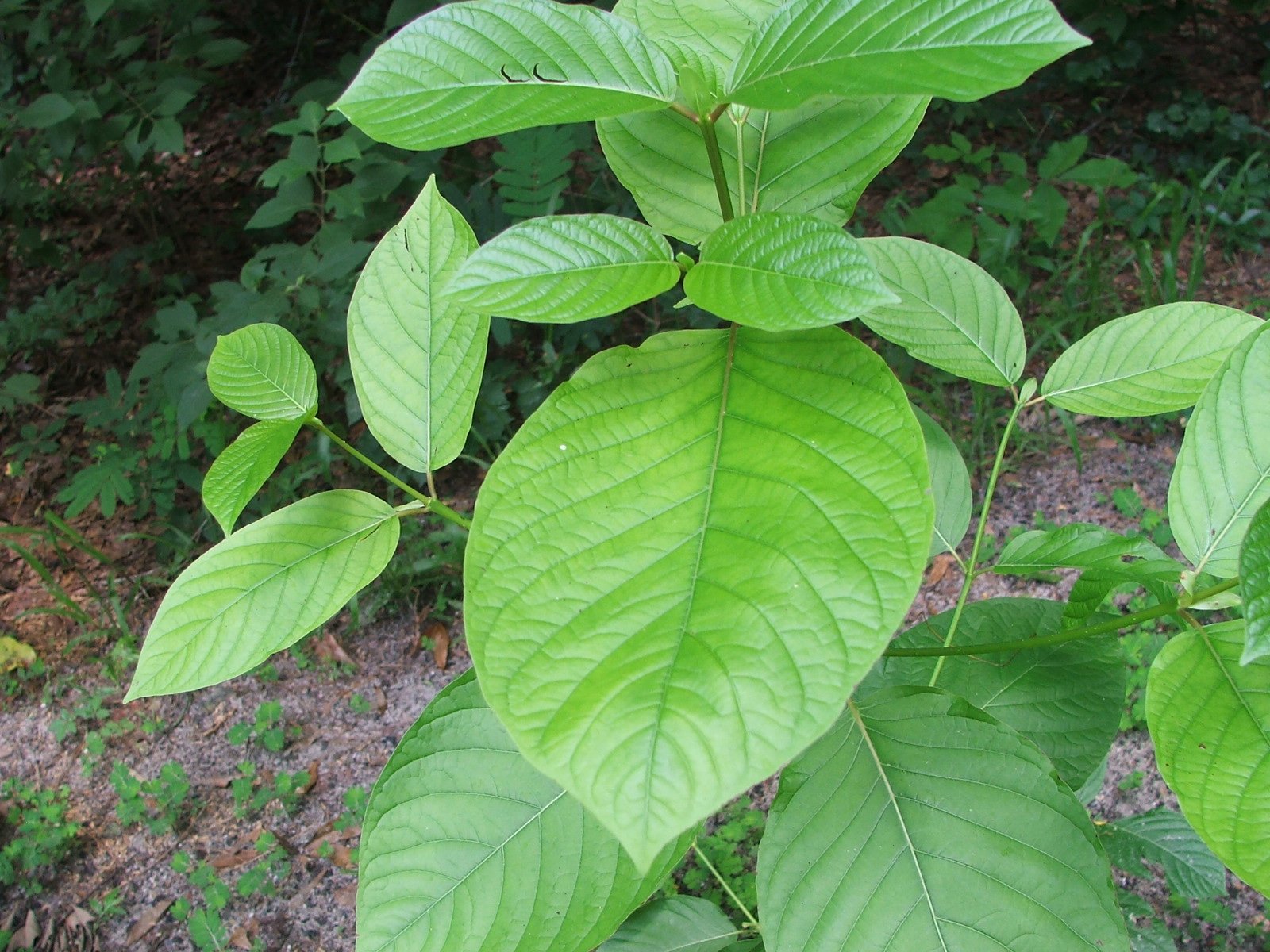
Boston, Springfield, Northampton, Hanover, and state lawmakers have all been part of recent kratom discussions. Processors want clear age controls, labeling, supplier records, refund policies, and product review before approval.
massachusetts kratom payment processing for high-risk merchants.
High Wire Payments serves Massachusetts kratom retailers, smoke shops, ecommerce sellers, wellness stores, and supplement merchants that need compliant payment processing, underwriting support, fraud controls, and chargeback monitoring in a changing regulatory environment.
MA
serving Massachusetts merchants
21+
recommended age-control standard
CNP
ecommerce checkout support
7-OH
heightened product review area
Massachusetts kratom payment processing requires more preparation than a standard retail merchant account. High Wire Payments serves Massachusetts businesses operating in Boston, Worcester, Springfield, Cambridge, Lowell, Brockton, Quincy, Lynn, New Bedford, Fall River, Newton, and Somerville, including smoke shops, convenience retailers, ecommerce sellers, supplement stores, wellness shops, and mixed-inventory high-risk merchants. Kratom is not treated like a routine botanical by many banks or card processors. Even where products remain available, acquiring banks review the category for chargeback exposure, regulatory uncertainty, age-restricted sales practices, product-label accuracy, supplier sourcing, and online marketing claims.
The Massachusetts market is especially sensitive because public attention around kratom has increased. GBH reported in March 2026 that kratom and 7-OH products were widely and legally available in Massachusetts smoke shops, gas stations, and convenience stores in forms such as pills, powders, and tablets. The same reporting noted that Boston officials were considering action focused on synthetic kratom products and possible point-of-sale identification requirements for natural kratom. Western Mass News also reported in March 2026 that Massachusetts was at a crossroads after Connecticut moved to ban kratom statewide, with Springfield discussing the issue and Northampton having moved to take kratom off shelves in 2025.
For payment processing, that changing environment matters. A processor may not ask only whether kratom is currently being sold in Massachusetts; it may ask how your business monitors local developments, how you prevent sales to minors, whether your labels avoid disease-treatment claims, whether you sell high-concentration extracts or 7-hydroxymitragynine products, and how your refund and fulfillment policies reduce disputes. High Wire Payments helps Massachusetts merchants prepare a file that can be reviewed by high-risk underwriters rather than routed through a generic low-risk application that is likely to be declined or later shut down.
Research provided for this page references Massachusetts Bill H.3762 from the 193rd session, described as An Act concerning the regulation of Kratom, and 2025-2026 Senate Bill 1558, described as An Act banning the sale of kratom. Reporting also referenced a House Bill 5127 approach that would keep kratom legal while creating kratom control rules such as 21+ sales and lab testing. Merchants should monitor state and local action and consult counsel for legal advice.
why Massachusetts kratom merchants are considered high-risk
Kratom merchants in Massachusetts are typically classified as high-risk because the category combines several underwriting concerns. First, kratom is a plant-derived product that may be marketed as a supplement or wellness product, while the FDA has not approved kratom for medicinal use. Second, card brands and acquiring banks are cautious when products are sold with claims related to pain, anxiety, withdrawal, energy, mood, or opioid replacement. Third, local rules can change quickly. The research provided notes local movement in Boston, Northampton, Springfield, and Hanover, where the Hanover Board of Health approved a kratom ban effective July 6, 2026.
Underwriters also look closely at product form. Plain leaf powder, capsules, beverages, gummies, extract shots, enhanced powders, and 7-OH products do not carry the same risk profile. GBH reporting highlighted concern from Boston City Councilor John FitzGerald about synthetic kratom containing high concentrations of 7-hydroxymitragynine, or 7-OH, and noted that the FDA recommended in July 2025 that 7-OH be federally regulated as a controlled substance. If a Massachusetts retailer carries 7-OH or concentrated extract products, the payment review is more difficult and may require more restrictive controls or product removal before boarding.
The risk is not limited to law. Chargebacks can rise when customers misunderstand effects, when subscription terms are unclear, when delivery is delayed, or when product pages overpromise outcomes. Ecommerce kratom sellers in Cambridge, Lowell, Quincy, and Somerville should expect deeper review of checkout flow, age-gating, shipping rules, customer-service response times, descriptor clarity, refund terms, and product pages. Brick-and-mortar merchants in Worcester, Springfield, Brockton, Lynn, New Bedford, and Fall River need point-of-sale practices that show products are behind the counter or otherwise controlled, staff are trained to check ID, and receipts match the merchant descriptor customers will see on card statements.
merchant account underwriting for kratom stores, smoke shops, and supplement retailers
A Massachusetts kratom merchant account starts with underwriting, not just a rate quote. The underwriting file should explain what you sell, where you sell it, how you verify age, what labels appear on the product, who supplies the product, how products are tested, and how customers can contact you. High Wire Payments reviews these materials before submission so obvious gaps can be corrected. This is important for smoke shops and convenience retailers with mixed inventory because tobacco accessories, hemp products, CBD, Delta-8 items, nootropics, and kratom can trigger overlapping risk reviews.
For Massachusetts ecommerce sellers, underwriters usually want to see a live or staging website with clear policies. Product pages should not claim to diagnose, treat, cure, or prevent disease. Pages should identify ingredients, serving information, warnings, age restrictions, shipping limits, and return terms. If the store sells hemp-derived products in addition to kratom, the product catalog should separate categories clearly. Blending kratom with CBD, cannabinoids, or other active ingredients can increase review complexity and may be prohibited by some processors. High Wire Payments can help merchants identify which product lines may cause approval problems before the file is submitted.
For retail locations, the processor may ask for photographs of the storefront, shelves, checkout counter, product placement, signage, and inventory. A Boston smoke shop, Worcester supplement store, Springfield convenience retailer, or New Bedford wellness shop should be prepared to document that kratom is not marketed to minors, not displayed as candy, and not sold without staff oversight. If Massachusetts or a municipality adopts a 21+ requirement, merchants should be ready to show a written policy and POS workflow that supports ID verification. Even before a statewide rule is finalized, many high-risk banks prefer a 21+ operating standard.
Many mainstream payment providers allow an account to open quickly and then close it after automated review detects kratom, 7-OH, smoke-shop inventory, supplement claims, or elevated disputes. A high-risk application should disclose the product category from the start so the processor can evaluate it properly.
ecommerce checkout, card-not-present sales, and fraud controls
Card-not-present kratom sales carry higher risk than in-store transactions because the buyer is not physically presenting a card or ID. Massachusetts ecommerce merchants shipping from Boston, Newton, Somerville, Lowell, or Fall River need checkout controls that verify customer identity, screen orders for fraud, and prevent sales into restricted jurisdictions. Because kratom legality varies by state and local rule, online sellers should maintain a shipping restriction table and update it when laws change. If your store sells nationally, a processor will expect you to know where you cannot ship.
High Wire Payments supports high-risk ecommerce processing with gateway options, tokenization, fraud filters, AVS, CVV checks, velocity controls, transaction limits, and review rules for mismatched billing and shipping data. For higher-ticket orders or recurring purchase behavior, fraud settings should be tuned carefully. Overly loose settings increase chargebacks and friendly fraud; overly strict settings block legitimate customers. The right configuration depends on average ticket size, product mix, fulfillment speed, customer-service capacity, and whether the merchant sells subscriptions, bundles, extracts, or wholesale quantities.
Checkout language is part of risk control. The card descriptor should be recognizable, confirmation emails should be immediate, shipping timelines should be realistic, and refund terms should be easy to find. Kratom merchants should avoid claims that make the product sound like a medical treatment. Underwriters may review product descriptions, blog content, social media, email campaigns, and influencer materials. If a Massachusetts seller uses affiliates or paid ads, the merchant should monitor claims made on its behalf because misleading claims can create compliance and chargeback problems even when the main website is more careful.
documents Massachusetts kratom merchants should prepare
The strongest applications are specific, organized, and consistent. A Massachusetts kratom retailer should not wait until a bank requests documents to assemble the file. When documentation is incomplete, underwriting slows down and the merchant may lose the chance to explain its model. High Wire Payments helps merchants gather the information that high-risk processors commonly request for kratom, smoke shop, supplement, and ecommerce accounts.
- Government-issued owner identification and ownership information for all required beneficial owners
- Massachusetts business registration or entity formation documents
- Federal EIN confirmation letter or IRS tax documentation
- Voided business check or bank letter matching the legal entity
- Recent processing statements, if the business currently accepts cards
- Recent bank statements showing operating history and cash flow
- Product list separating plain leaf kratom, extracts, 7-OH products, hemp, CBD, accessories, and supplements
- Supplier invoices, certificates of analysis, lab reports, or quality documentation where available
- Website URL, checkout screenshots, refund policy, privacy policy, terms, and shipping restrictions
- Retail photos showing storefront, counter, signage, product placement, age-control notices, and POS setup
Documentation should match across every channel. If your website says the business is a wellness boutique but your bank statements show smoke-shop inventory, the mismatch can create questions. If product labels say 21+ but your checkout does not include age affirmation, the control may appear incomplete. If lab reports are available for only some products, keep them organized by SKU and supplier. Massachusetts merchants with locations in Boston, Brockton, Lynn, Quincy, or Worcester should also track local board of health or city council activity because processors may ask whether a shop operates in a municipality with special restrictions.
POS, retail terminals, and online checkout options
Massachusetts kratom businesses often need more than one payment channel. A smoke shop may need countertop terminals, PIN debit capability where available, mobile or wireless terminals for events, and an ecommerce gateway for reorder traffic. A supplement retailer may need a retail POS that tracks inventory by SKU while also connecting to an online store. A kava or wellness lounge that carries packaged kratom may need separate reporting for food, beverage, retail, and restricted botanical products. High Wire Payments helps evaluate the processing setup based on actual transaction flow.
For in-person sales, the payment environment should support clear receipts, searchable transaction records, refund handling, tip settings if relevant, and staff permissions. If kratom is sold behind the counter, employees should be trained to follow ID procedures before checkout. If the merchant also sells tobacco or nicotine products, the POS should support age-restricted workflows consistent with store policy. These operational details matter because they show underwriters that the business is not treating kratom as an uncontrolled impulse product.
For online sales, High Wire Payments can discuss gateway compatibility, hosted payment pages, shopping cart integrations, and high-risk processor requirements. Not every ecommerce platform or payment plug-in is suitable for kratom. Some platforms restrict the category through their own acceptable-use policies, separate from the acquiring bank. Before spending money on development, Massachusetts merchants should confirm that their platform, gateway, processor, fulfillment approach, and product catalog can work together.
preparation checklist for Massachusetts kratom payment processing
Before applying, use this checklist to reduce underwriting friction and show that your Massachusetts kratom business understands the category. These steps do not guarantee approval, and they are not legal advice, but they help create a cleaner review file for high-risk processing.
- Review Massachusetts state activity, including Bill H.3762, Senate Bill 1558, and any current proposals before selling or expanding inventory
- Check municipal developments in the communities where you sell, especially if operating near Boston, Springfield, Northampton, Hanover, or other active local markets
- Adopt a written 21+ sales policy and train staff on ID verification even if your current local rule is less specific
- Keep kratom products behind the counter or otherwise controlled in retail settings
- Remove medical, opioid-withdrawal, pain-treatment, anxiety-treatment, or disease-related claims from labels, websites, ads, and staff scripts
- Separate product categories in your catalog, including plain leaf, capsules, extracts, 7-OH, hemp, CBD, tobacco accessories, and supplements
- Maintain supplier invoices, lab documentation, COAs, ingredient records, and lot information where available
- Publish clear ecommerce terms, refund rules, shipping restrictions, privacy policy, and customer-service contact information
- Use fraud tools such as AVS, CVV, velocity limits, order review rules, and shipping-risk controls for card-not-present transactions
- Monitor chargeback ratios, respond to disputes quickly, and keep proof of delivery, customer communication, and refund records
High Wire Payments serves Massachusetts businesses that need a high-risk merchant account review for kratom, smoke shop inventory, ecommerce checkout, supplement retail, and related categories. To start, visit https://highwireleah.com/apply/ or call 805-827-7451. You can also review High Wire’s kratom merchant account hub at /kratom-merchant-account/ and the high-risk merchant services overview at /high-risk-merchant-services/ before applying.
Serving Massachusetts kratom and smoke shop markets
High Wire Payments serves merchants across Massachusetts, including Boston, Worcester, Springfield, Cambridge, Lowell, Brockton, Quincy, Lynn, New Bedford, Fall River, Newton, and Somerville.
How High Wire supports Massachusetts kratom merchants
High-risk processing for kratom requires documentation, monitoring, and practical payment tools built around how the business actually sells.
Kratom product pre-review
High Wire reviews product lists before submission, including plain leaf, capsules, extracts, gummies, beverages, and 7-OH items. This helps identify SKUs that may trigger processor restrictions before the file reaches underwriting.
Age-control documentation
Massachusetts merchants can document 21+ operating procedures, behind-counter placement, ID-check signage, and POS staff workflows. These materials help show that the business is prepared for possible age-restriction rules.
Chargeback ratio monitoring
High Wire helps merchants track dispute patterns, refund timing, descriptor confusion, fulfillment issues, and customer-service gaps. Early monitoring supports corrective action before chargebacks threaten account stability.
Card-not-present risk controls
For ecommerce sellers, High Wire can support gateway setups using AVS, CVV, velocity rules, transaction limits, and order-review triggers. These controls are important when shipping kratom from Massachusetts to other jurisdictions.
Retail and ecommerce options
High Wire can discuss countertop terminals, retail POS needs, online checkout, hosted payment pages, and gateway compatibility. The goal is to align payment tools with the merchant’s actual product mix and sales channels.
Underwriting package support
High Wire helps organize business documents, processing statements, supplier records, policies, product labels, and website screenshots. A complete file gives underwriters a clearer view of the business and reduces avoidable delays.
Is kratom legal in Massachusetts?
The research provided for this page indicates that kratom has been widely available in Massachusetts, but state and local officials have been debating restrictions. Boston has considered action, Northampton moved to take kratom off shelves in 2025, Springfield discussed the issue, and Hanover approved a ban effective July 6, 2026.
Do Massachusetts kratom retailers need a separate state kratom license?
The research provided does not identify a current statewide Massachusetts kratom license. Merchants should still check local board of health rules, zoning, tobacco or smoke-shop requirements, and any new state legislation before selling.
What Massachusetts bills should kratom merchants know about?
Research references Massachusetts Bill H.3762 from the 193rd session, An Act concerning the regulation of Kratom, and 2025-2026 Senate Bill 1558, An Act banning the sale of kratom. Western Mass News also referenced a House Bill 5127 approach involving 21+ sales and lab testing.
Will High Wire guarantee approval for a Massachusetts kratom merchant account?
No. High Wire Payments does not guarantee approval. The purpose of the review is to prepare the strongest possible underwriting file and match the merchant with processing options that can evaluate high-risk kratom activity.
Can a Massachusetts smoke shop process kratom and tobacco accessories through the same account?
Possibly, but the processor must understand the full inventory mix. Smoke shops should disclose kratom, tobacco accessories, hemp, CBD, Delta-8 items, supplements, and any 7-OH products during underwriting.
Can Massachusetts kratom sellers accept online payments?
Some high-risk processors support ecommerce kratom accounts, but the website must be reviewed. Expect scrutiny of age gates, shipping restrictions, refund terms, product claims, fraud controls, and whether products can be shipped legally to each destination.
Why do processors care about 7-OH products?
GBH reported that Boston officials were particularly concerned about synthetic kratom containing high concentrations of 7-hydroxymitragynine, or 7-OH. The FDA recommended in July 2025 that 7-OH be federally regulated as a controlled substance, so many underwriters treat it as a heightened-risk product.
What chargeback issues affect Massachusetts kratom merchants?
Common issues include unclear descriptors, delayed shipping, customers not recognizing a purchase, product dissatisfaction, refund confusion, and unsupported product expectations. Clear checkout terms, fast support, proof of delivery, and conservative product language help reduce disputes.
Can High Wire support POS terminals for Massachusetts retail stores?
Yes, High Wire can discuss retail terminals, POS needs, and ecommerce gateway options for qualifying high-risk merchants. The best setup depends on whether the business is retail-only, online-only, or operating both channels.
How do I apply for Massachusetts kratom payment processing?
Gather your business documents, product list, supplier records, website policies, and recent statements if available. Then apply at https://highwireleah.com/apply/ or call 805-827-7451 for a high-risk merchant account review.
Apply for Massachusetts kratom payment processing
High Wire Payments serves Massachusetts kratom merchants, smoke shops, ecommerce sellers, supplement retailers, wellness shops, and other high-risk businesses. Start your review at https://highwireleah.com/apply/ or call 805-827-7451.