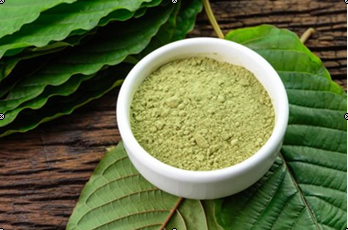
Maine kratom is currently legal, but banks still review product type, 7-OH exposure, labeling, refund policies, ecommerce claims, and dispute history before approving a merchant account.
maine kratom payment processing for high-risk merchants.
High Wire Payments serves Maine kratom retailers, ecommerce sellers, smoke shops, supplement stores, and wellness merchants with payment processing pathways built for underwriting scrutiny, card-not-present risk, age controls, product labeling, COA documentation, and chargeback prevention.
ME
Serving Maine businesses
21+
Recommended age controls
19
Verified retail locations cited in 2026 research
CNP
Ecommerce risk review
Maine kratom payment processing requires a different underwriting approach than ordinary retail, even when the merchant is operating legally. High Wire Payments serves Maine businesses in Portland, Lewiston, Bangor, South Portland, Auburn, Biddeford, Augusta, Waterville, and coastal communities that sell kratom powders, capsules, extracts, shots, and related botanical products. The local market includes smoke shops, vape shops, supplement retailers, wellness stores, convenience-style retail, and ecommerce sellers shipping within Maine and to other lawful states. For these merchants, the main issue is rarely whether a customer wants to pay by card; it is whether the acquiring bank understands the category well enough to evaluate the risk accurately.
Current research cited for Maine indicates that kratom is legal statewide, with no specific Maine municipal bans identified in the research provided and no stated statewide kratom age restriction beyond the industry-standard 21+ practice many responsible operators use. A 2026 retail directory identified 19 verified physical kratom locations across Maine, including shops in Portland, Bangor, Augusta, Waterville, and coastal towns. The same research described the retail landscape as heavily smoke and vape oriented, estimating that about 85% of listed Maine retailers carry kratom as a secondary product line rather than as a single-category kratom store.
That local context matters for payments. A Portland smoke shop with behind-counter inventory, a Bangor retailer selling capsules and extracts, and a Biddeford ecommerce seller using mobile checkout all present different risk profiles to an underwriter. Kratom merchants also operate in a national policy environment that changes quickly. The Rockefeller Institute of Government noted in 2026 that states were considering bans, controlled-substance scheduling, and consumer-protection style regulation, with special attention on mitragynine and 7-hydroxymitragynine, often called 7-OH. Maine operators do not need exaggerated claims or guaranteed approval promises; they need accurate payment files, clean product presentation, and processing partners that understand high-risk review.
The research provided states that kratom is legal in Maine, but card brands, sponsor banks, and payment facilitators still evaluate kratom as a high-risk category. Approval depends on underwriting, product documentation, website content, age controls, refund policies, chargeback exposure, and whether products are labeled and marketed responsibly.
why Maine kratom merchants are treated as high-risk
Kratom merchants in Maine are commonly categorized as high-risk because the product sits at the intersection of supplements, botanicals, smoke shop retail, and rapidly changing state policy. Even where sale and possession are lawful, banks review whether the merchant is making unsupported wellness claims, selling concentrated extracts, marketing to underage consumers, or shipping products into restricted jurisdictions. A local shop in Lewiston or Auburn may primarily process card-present transactions through a countertop terminal, while an online Maine kratom brand may process card-not-present orders from customers across multiple states. Those two models require different controls, but both need a processor that can present the file correctly.
Research from the ecommerce market also shows why processors look closely at online kratom sellers. A 2026 ecommerce trend report cited a global kratom market value of $2.56 billion in 2025 and projected growth to $7.80 billion by 2032. It also stated that online channels captured 53.8% of kratom extract sales in 2025, and that 57% of kratom purchases happen on mobile devices. Those numbers show opportunity, but they also explain why banks scrutinize checkout flows, mobile product pages, subscriptions, customer service visibility, and refund handling. The more transactions move online, the more documentation underwriters expect.
In Maine, the mix of retail and ecommerce can be especially varied. Portland and South Portland merchants may see tourist and commuter traffic. Bangor and Augusta retailers may serve regional shoppers from surrounding towns. Biddeford and coastal-area stores may combine smoke shop inventory, accessories, hemp products, and kratom. Ecommerce sellers may run from small offices or fulfillment spaces rather than a storefront. High Wire Payments evaluates the actual sales model instead of forcing every Maine merchant into one generic profile. That means reviewing whether sales are card-present, card-not-present, keyed, mobile, recurring, subscription-based, wholesale, retail, or a combination.
payment challenges for Maine smoke shops and kratom retailers
Many Maine kratom merchants first discover the payment problem when a mainstream processor freezes funds, asks for sudden product documentation, or closes the account after a risk review. This can happen even when the merchant has processed for months without major disputes. Payment facilitators and low-risk aggregators often prohibit kratom in their terms or review it under restricted product policies. When the platform detects kratom SKUs, botanical extract descriptions, capsule listings, or smoke shop inventory, the account may be suspended. A merchant in Portland or Bangor can then be left with inventory, customers, and staff, but no reliable way to accept cards.
Chargebacks add another layer of difficulty. Kratom buyers may dispute transactions because of delayed shipping, unclear billing descriptors, subscription confusion, dissatisfaction with product format, or a family member not recognizing a purchase. For retailers, disputes can occur when receipts do not clearly match the store name or when refund policies are not posted at the point of sale. For ecommerce sellers, card-not-present fraud screening becomes critical because friendly fraud and unauthorized transaction claims are harder to defend without AVS, CVV, device data, shipping confirmation, and customer communication records. Underwriters want to know how a Maine merchant prevents these issues before they become excessive.
Product mix also affects approval. A supplement shop selling basic kratom powder and capsules may be reviewed differently than a smoke shop selling multiple extract shots, high-potency products, hemp-derived cannabinoids, glass, vape products, and accessories. The research provided named Maine operators and retail examples such as Wild Side Smoke Shop, Portland Smoke and Vape, Cigaret Shopper locations, Maine Smoke Shop in Augusta, Empire Vape Shop in Augusta, and Sweet Leaf Botanicals in Waterville. High Wire does not represent those businesses, but their presence illustrates how Maine kratom retail often overlaps with smoke, vape, and specialty wellness categories that processors already consider elevated risk.
A decline does not always mean the business cannot process cards. It may mean the file lacked product labels, COAs, refund terms, website disclosures, age-gate controls, supplier information, or a clear explanation of where and how kratom is sold.
card-not-present, ecommerce checkout, and recurring billing
Card-not-present processing is one of the most important issues for Maine kratom ecommerce sellers. The 2026 research noted that online kratom sales are growing and that mobile buying is a major part of the category. For a Maine seller, that means the checkout has to work on mobile devices, but it also has to be underwriter-friendly. Product pages should avoid disease, treatment, or pain-relief claims. Labels should be visible or available. Age controls should be clear. Shipping policies should explain where the merchant will and will not ship. Refund and cancellation terms should be accessible before payment.
High Wire Payments can help Maine kratom merchants evaluate ecommerce checkout options for WooCommerce, Shopify-style builds where supported by compatible gateways, BigCommerce-style stores, custom carts, invoice payment links, and virtual terminals. The right setup depends on the merchant account, gateway risk rules, product catalog, fulfillment process, and transaction volume. Some kratom sellers need a full ecommerce gateway with fraud tools and descriptor controls. Others need a compliant payment link workflow for repeat wholesale buyers or local customers. The goal is not simply to turn on a checkout button; it is to create a payment flow that can survive ongoing risk monitoring.
Recurring billing may be appropriate for some Maine kratom merchants, but it should be handled carefully. Subscription programs for capsules or powder can create predictable revenue, yet they also create chargeback risk when customers forget renewal dates, do not understand cancellation rules, or object to recurring descriptors. Any recurring model should use affirmative customer consent, clear renewal timing, easy cancellation, pre-billing reminders where appropriate, and a customer service process that resolves issues before disputes are filed. Underwriters will look more favorably on recurring billing when it is transparent and documented rather than hidden inside a checkout flow.
underwriting documents Maine kratom merchants should prepare
A strong underwriting file gives the bank a complete view of the business before questions become delays. Maine kratom merchants should be ready to explain where products are sourced, what formats are sold, whether extracts or 7-OH enhanced products are included, how products are labeled, how age controls work, and how the business handles refunds. If the merchant sells both in-store and online, the application should separate card-present and card-not-present volume estimates. If the merchant is in a mixed-inventory smoke shop, the file should identify kratom revenue separately from tobacco, vape, hemp, accessories, and other categories.
- Maine business formation documents or assumed-name registration, if applicable
- Federal EIN confirmation letter or IRS SS-4 record
- Owner identification for all required beneficial owners
- Three to six months of recent processing statements, if available
- Three to six months of business bank statements
- Product list showing powders, capsules, extracts, shots, and any 7-OH related items
- Current product labels with ingredient statements, warnings, and serving information
- Certificates of analysis or supplier lab documentation for kratom products
- Website URLs, checkout screenshots, refund policy, privacy policy, and terms of sale
- Age-verification procedures for in-store and ecommerce transactions
Documentation should be accurate rather than overly polished. If a Maine store in Augusta sells kratom behind the counter, say that. If a Bangor ecommerce seller does not ship to states where kratom is banned or restricted, include the restricted-state shipping policy. If a Portland retailer requires 21+ identification checks as an internal policy, document the process. If the business is updating labels or adding COAs, explain the timeline. Underwriting is not about pretending risk does not exist; it is about showing that the merchant understands the category and has controls in place.
chargeback prevention, labeling, and 7-OH risk controls
Chargeback prevention for Maine kratom merchants starts before the transaction. Product pages and shelf tags should be clear about what the customer is buying. Receipts should use a recognizable billing descriptor. Customer service contact information should be easy to find. Shipping confirmations should be retained. For ecommerce, fraud tools such as AVS, CVV, velocity rules, IP review, device checks, and manual review of suspicious orders can help reduce unauthorized transaction disputes. For retail, staff training, posted return policies, and consistent ID checks are practical controls that underwriters understand.
Labeling is equally important. Kratom products should not be marketed with medical treatment claims or disease claims. Underwriters commonly look for responsible supplement-style presentation, warning language, ingredient statements, batch or lot information where available, and COA support from suppliers. The research provided emphasized national concerns around mitragynine and 7-OH, and noted that states are using different approaches, including bans, scheduling proposals, and consumer-protection models. Maine merchants should monitor state and federal developments and be especially careful with high-potency extracts or products marketed around 7-OH concentration.
High Wire Payments helps merchants think through these controls from a payments perspective. That can include reviewing checkout language for obvious underwriting concerns, identifying missing policy pages, separating recurring billing from one-time purchases, and setting up reporting that makes dispute monitoring easier. This is not legal advice and does not replace counsel or regulatory guidance. It is practical payment-risk preparation for Maine kratom merchants that need a stable way to accept cards while operating in a category that sponsor banks continue to review closely.
Maine kratom merchant preparation checklist
Before applying for a kratom merchant account, Maine businesses should complete a practical readiness review. The checklist below is useful for smoke shops in Lewiston, wellness retailers in South Portland, ecommerce sellers in Biddeford, and mixed-inventory stores in Auburn, Bangor, Portland, and Augusta. It helps reduce avoidable underwriting questions and gives the processor a clearer path to place the account with an appropriate high-risk banking relationship.
- Confirm that kratom products are lawful for the locations where you sell and ship, including Maine and destination states
- Use 21+ age controls as a responsible operating standard for retail and online kratom sales
- Remove unsupported medical, pain, anxiety, opioid-withdrawal, or disease-related claims from product pages and marketing
- Collect COAs, supplier documentation, product labels, and ingredient details before submitting the application
- Identify whether your kratom revenue comes from retail POS, ecommerce checkout, invoices, subscriptions, or wholesale orders
- Post clear refund, shipping, privacy, and terms-of-sale policies on the website before underwriting review
- Prepare recent bank statements and processing statements so volume, refunds, and chargebacks can be evaluated accurately
- Set up fraud tools for card-not-present sales, including AVS, CVV, velocity filters, and manual review triggers
- Train staff to check ID, keep kratom behind the counter where appropriate, and explain return policies consistently
- Monitor chargeback ratios, respond to retrieval requests quickly, and contact support before dispute activity escalates
High Wire Payments serves Maine kratom merchants and other high-risk businesses with merchant account placement, POS and ecommerce checkout guidance, card-not-present support, recurring billing review, and chargeback prevention planning. To learn more, visit the kratom payment processing hub at /kratom-payment-processing/ or the high-risk merchant services page at /high-risk-merchant-services/. To start an application, apply at https://highwireleah.com/apply/ or call 805-827-7451. Approval is subject to underwriting, bank review, product review, and ongoing compliance requirements.
Serving Maine kratom businesses statewide
High Wire Payments supports Maine merchants in Portland, Lewiston, Bangor, South Portland, Auburn, Biddeford, Augusta, Waterville, and nearby communities without claiming a physical Maine office.
Payment controls built for Maine kratom underwriting
High Wire focuses on the details that sponsor banks review: product documentation, age controls, checkout language, dispute monitoring, and transparent processing workflows.
Kratom-ready application packaging
High Wire helps Maine merchants organize product catalogs, labels, COAs, supplier details, website screenshots, and policy pages before bank review. A clean file reduces back-and-forth and helps the underwriter understand the business model.
Card-not-present risk setup
For ecommerce sellers, High Wire reviews gateway needs such as AVS, CVV, velocity controls, order review rules, and mobile checkout compatibility. These controls are especially important when Maine merchants sell capsules, powders, or extracts online.
Chargeback ratio monitoring
High Wire supports dispute visibility with monitoring practices designed to catch rising chargeback activity before it threatens the account. Merchants can review alerts, response timelines, descriptors, refund trends, and customer-service gaps.
21+ and behind-counter workflow review
Maine retailers often choose 21+ kratom controls even where the research did not identify a statewide kratom-specific age rule. High Wire helps document ID-check practices, behind-counter procedures, and ecommerce age gates for underwriting.
POS and ecommerce coordination
A Maine smoke shop may need countertop terminals while an online seller needs a gateway and virtual terminal. High Wire can help match the merchant account structure to card-present, card-not-present, invoice, and recurring payment needs.
Product and claims review support
High Wire looks for common underwriting issues such as unsupported medical claims, unclear extract descriptions, missing refund terms, and lack of COA support. The goal is a payment file that reflects responsible kratom retail practices.
Is kratom legal in Maine for retail sale?
The research provided states that kratom is legal statewide in Maine. Merchants should still monitor state and municipal updates because kratom policy is changing quickly across the U.S., especially around extracts and 7-OH products.
Do Maine kratom retailers need a separate state kratom license?
The research provided did not identify a separate Maine kratom license or named Maine kratom statute. Operators should still consult counsel, verify local business licensing, and maintain product documentation for payment underwriting.
What age should Maine kratom shops use for sales?
The research cited no Maine kratom-specific age restriction beyond the industry-standard 21+ practice. High Wire recommends documenting 21+ controls, ID checks, and ecommerce age gates because banks often view age controls as a key risk-management factor.
Are there local kratom bans in Portland, Lewiston, Bangor, or Augusta?
The research provided stated that Maine has no identified local municipal kratom bans. Because local rules can change, merchants in Portland, Lewiston, Bangor, South Portland, Auburn, Biddeford, and Augusta should confirm current municipal requirements.
Why did my standard processor shut down my Maine kratom account?
Many low-risk processors and payment facilitators restrict kratom even where it is legal. Common triggers include kratom SKUs, extract products, supplement claims, high chargebacks, card-not-present volume, or terms-of-service violations.
Can a Maine kratom ecommerce seller accept credit cards?
Yes, if the merchant is placed with an appropriate high-risk processor and passes underwriting. The website should have clear product descriptions, no unsupported medical claims, age controls, refund terms, shipping restrictions, and fraud prevention tools.
Can Maine kratom merchants use recurring billing or subscriptions?
Recurring billing may be possible when the model is disclosed clearly and supported by the acquiring bank. Merchants should use affirmative opt-in, renewal notices where appropriate, easy cancellation, and recognizable billing descriptors to reduce disputes.
What documents should I prepare before applying?
Prepare business documents, EIN records, owner identification, bank statements, processing statements, product lists, labels, COAs, supplier invoices, refund policies, shipping policies, and age-verification procedures. Ecommerce sellers should also provide checkout screenshots and website URLs.
Do Maine smoke shops selling kratom face extra underwriting review?
Often, yes. Mixed inventory such as kratom, tobacco, vape, hemp products, accessories, and extracts can increase review depth because the bank must understand each restricted or high-risk category in the store.
How do I apply for Maine kratom payment processing with High Wire Payments?
High Wire Payments serves Maine businesses and does not claim a physical Maine office. Apply at https://highwireleah.com/apply/ or call 805-827-7451 to start an underwriting review for kratom payment processing.
Apply for Maine kratom payment processing
High Wire Payments serves Maine kratom merchants, smoke shops, ecommerce sellers, supplement retailers, wellness shops, and other high-risk businesses with underwriting-focused payment support. Apply at https://highwireleah.com/apply/ or call 805-827-7451. Approval is not guaranteed and is subject to bank review.