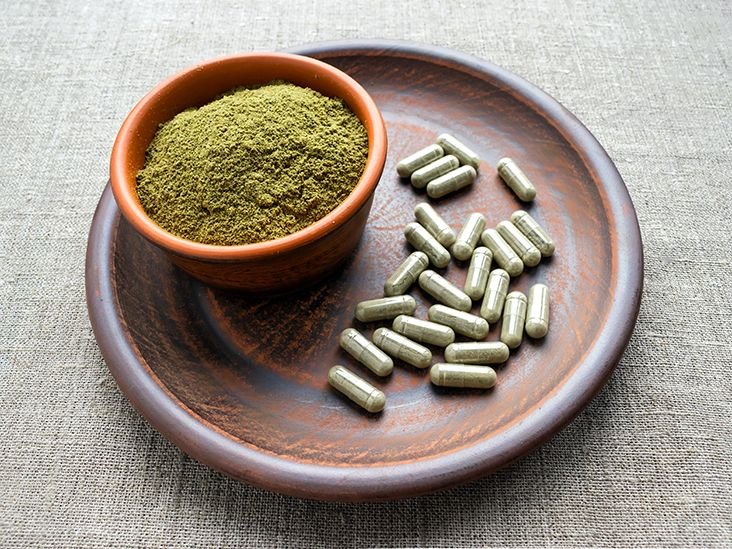
House Bill 2365 and evolving city-level rules make documentation, labeling, age controls, and product review central to payment stability. We help Kansas merchants prepare before they apply.
kansas kratom payment processing for high-risk merchants.
High Wire Payments serves Kansas kratom retailers, ecommerce sellers, smoke shops, supplement stores, and wellness brands that need compliant card processing, underwriting preparation, fraud controls, and chargeback management in a changing 7-OH and kratom regulatory environment.
KS
Serving Kansas businesses
21+
Age-control focus
7-OH
Schedule I concern
CNP
Ecommerce risk review
Kansas kratom payment processing requires more than a standard merchant account because the category sits at the intersection of herbal supplements, smoke shop retail, ecommerce, and state-by-state controlled-substance policy. High Wire Payments serves Kansas businesses in Wichita, Overland Park, Kansas City, Olathe, Topeka, Lawrence, Shawnee, Manhattan, Lenexa, and Salina with high-risk merchant account guidance for kratom merchants, smoke shops, supplement retailers, wellness brands, and online sellers. We do not claim a physical Kansas office; our role is to help Kansas operators prepare files that acquiring banks can actually review.
The Kansas context changed materially in 2026. Governor Laura Kelly announced on April 10, 2026 that she signed House Bill 2365, which amends the Kansas Uniform Controlled Substances Act to designate 7-OH kratom related substances as Schedule I. Public reporting also described a July 1, 2026 effective date for Kansas restrictions, including a ban on synthetic kratom, restrictions on how natural kratom may be sold, and a special license requirement for stores that continue selling permitted natural kratom products. For payment underwriting, that means a Kansas kratom merchant must be ready to show exactly what is being sold, how it is labeled, how age is verified, and how 7-OH and synthetic products are excluded.
Kratom merchants are considered high-risk because mainstream processors often view the category as legally volatile, reputationally sensitive, and prone to chargebacks or compliance complaints. A Wichita smoke shop with behind-counter kratom capsules, a Lawrence ecommerce brand selling powders, and a Topeka supplement retailer adding kratom shots can all trigger enhanced due diligence. The risk is not simply the product name; it is the combination of card-not-present sales, subscription offers, unclear product claims, inconsistent labels, refund disputes, and rapid changes in state and local rules.
Underwriting reviews should not treat every product as interchangeable. Kansas merchants should document supplier COAs, alkaloid testing, 7-OH controls, labels, age-gate procedures, and any required state or local licensing before seeking kratom payment processing.
why Kansas kratom merchants are flagged as high-risk
A low-risk processor may approve a Kansas retail store quickly, process a few weeks of volume, and then terminate the account after a product scan identifies kratom. This happens because many general platforms prohibit or restrict kratom in their acceptable use policies. The shutdown risk is especially high when a merchant uses a generic account for mixed inventory: glassware, vapes, hemp products, CBD, Delta-8, supplements, energy shots, and kratom products. Even if the store is properly formed and paying taxes, the processor may still decide the category is outside its risk appetite.
Kansas merchants also face a regulatory timeline problem. HB2230, introduced February 4, 2025, proposed a Kansas Kratom Consumer Protection Act that would have defined kratom as a food product, restricted sales to customers 21 and older, prohibited adulterated or contaminated kratom, required labeling and safe usage instructions, and assigned rulemaking to the secretary of agriculture. That bill was marked dead on April 11, 2026, but it shows how Kansas policymakers were evaluating labeling, age restrictions, alkaloid limits, adulteration, and civil fines. Then House Bill 2365 moved the focus to 7-OH kratom related substances under the Uniform Controlled Substances Act. Underwriters notice this kind of policy movement.
Local context matters too. Kansas City-area merchants should track both Kansas and Missouri developments because customers, delivery routes, and retail locations may cross the state line. The Kansas City, Missouri city government announced a law cracking down on unregulated psychoactive products, sometimes described as a gas station drug ban, and stated that businesses wanting to sell natural kratom must obtain a special city license with a 60-day compliance window. That ordinance does not automatically govern Kansas City, Kansas retailers, but it is a clear signal that metro-area kratom sales are receiving local scrutiny.
merchant account approval challenges in Kansas
The biggest approval challenge is mismatch. A Kansas kratom merchant may present as a convenience store, smoke shop, dietary supplement brand, or ecommerce wellness company, but the product mix tells a more complicated story. If the application does not disclose kratom, the processor may approve the account under the wrong risk profile and later terminate it for misrepresentation. If the application does disclose kratom but lacks documentation, the underwriter may decline because the file does not show legal awareness, product controls, or chargeback readiness.
High Wire Payments helps merchants prepare for the questions that usually come next: Are products sold only to customers 21 and older? Are items behind the counter in retail stores? Do labels avoid disease, pain, opioid-withdrawal, or treatment claims? Are certificates of analysis available for current lots? Are 7-OH products, synthetic kratom products, or concentrated alkaloid products excluded? Does the website include terms, refund policy, shipping policy, privacy policy, and product disclaimers? For ecommerce sellers, underwriters also review checkout flow, age-gate logic, descriptor clarity, fulfillment time, and customer service responsiveness.
Kansas merchants should expect underwriting to be more document-heavy than a standard Stripe, Square, PayPal, or marketplace setup. The goal is not to promise approval; no responsible high-risk provider should guarantee approval. The goal is to make the business reviewable. A complete file can reduce unnecessary back-and-forth, help the acquiring bank understand the product scope, and lower the chance that a processor discovers risk after transactions are already flowing.
A generic payment account may run normally until a risk scan, customer complaint, chargeback note, or website audit identifies kratom. Kansas merchants should use a disclosed high-risk setup instead of hiding regulated inventory inside a low-risk account.
ecommerce and card-not-present kratom processing
Card-not-present kratom transactions carry higher risk because the buyer is not standing at the counter with an ID, the product may ship across state lines, and disputes are easier to file. A Kansas ecommerce seller in Lenexa shipping nationally has a different risk profile than a Salina retail shop selling sealed packages in person. Underwriting will consider the states you ship to, products you exclude, how you block restricted jurisdictions, and whether your marketing language makes claims that create regulatory or card-brand concerns.
A Kansas kratom ecommerce site should be built for review before the application is submitted. Product pages should clearly identify natural kratom formats such as powder, capsules, or packaged products, while avoiding medical claims and unsupported benefit promises. Labels should be visible or available, and the website should include age restrictions, FDA disclaimer language when appropriate for supplements, a refund policy, a shipping policy, a privacy policy, customer service contact information, and a business name that matches bank and corporate records. If your site also sells CBD, hemp, Delta-8, vape products, or smoke shop accessories, the application should disclose the full mix.
High Wire Payments can help Kansas sellers evaluate gateway options for WooCommerce, Shopify-style storefronts where supported by the risk stack, custom carts, and other ecommerce environments. Practical controls may include AVS, CVV, velocity limits, transaction caps, 3D Secure where appropriate, blocked geographies, negative databases, and manual review rules for large or unusual orders. These tools do not remove the high-risk classification, but they help show that the merchant is actively managing fraud and chargeback exposure.
POS and card-present options for Kansas smoke shops
Many Kansas kratom sellers are not pure ecommerce brands. They are smoke shops, convenience retailers, wellness stores, or supplement shops that sell mixed inventory in person. A store in Overland Park may need a countertop terminal, a PIN-capable debit option, and a POS integration for inventory. A Manhattan shop may need a simple terminal for card-present transactions and separate ecommerce processing for local pickup orders. A Kansas City, Kansas retailer may need clear product segregation because of the broader metro-area scrutiny around kratom and 7-OH products.
- Kansas business formation documents or secretary of state registration
- Federal EIN confirmation letter and ownership information
- Government-issued ID for each principal owner
- Three to six months of business bank statements, when available
- Three to six months of prior processing statements, if the business has processed cards before
- Current product list separating natural kratom from prohibited 7-OH or synthetic products
- Certificates of analysis or supplier testing records for kratom lots
- Product labels, package photos, warning language, and age-restriction language
- Website URLs, checkout screenshots, refund policy, shipping policy, and privacy policy
- Copies of applicable state, city, or local permits, including any required special kratom retail license if applicable
Card-present processing can be more stable than card-not-present volume when the retail environment is controlled, but it still requires disclosure and documentation. Underwriters may ask how products are displayed, whether age-restricted items are behind the counter, how IDs are checked, and whether staff are trained not to make health claims. For Kansas retailers, the point-of-sale setup should support accurate receipts, clear descriptors, refund records, and inventory categories that make compliance review easier.
chargebacks, fraud controls, reserves, and account stability
Chargebacks are one of the fastest ways for a kratom merchant account to become unstable. Common dispute triggers include customer confusion over billing descriptors, delayed shipping, subscription misunderstandings, dissatisfaction with product effects, unauthorized transaction claims, and buyers who later regret purchasing a regulated product. Kansas sellers should treat chargeback prevention as part of compliance, not just customer service. Clear descriptors, fast fulfillment, tracking numbers, responsive support, and written refund policies all matter.
High-risk acquiring banks may require reserves for kratom merchants, especially when the business is new, card-not-present volume is high, prior chargebacks are elevated, or regulatory uncertainty is significant. A reserve is not a penalty; it is a risk-control tool used by processors to cover potential disputes, refunds, or compliance exposure. Reserve terms can vary, including rolling reserves, capped reserves, or delayed funding. Kansas merchants should budget for the possibility instead of assuming next-day funding will be available on every dollar processed.
Fraud controls should match the sales channel. Retail stores in Wichita or Olathe may focus on chip readers, staff training, receipts, and refund procedures. Ecommerce sellers in Lawrence or Shawnee may need AVS, CVV, device screening, IP review, velocity rules, blocked states, order confirmation emails, and manual review for high-dollar orders. High Wire Payments helps merchants present these controls in plain language so the underwriter sees a controlled operation instead of a vague kratom website with unknown fulfillment and dispute practices.
Kansas kratom payment processing preparation checklist
Before applying for a Kansas kratom merchant account, gather your documents, review your product catalog, and correct website or retail compliance gaps. This checklist is designed for Kansas kratom merchants, smoke shops, ecommerce brands, supplement retailers, and wellness businesses that want a more complete underwriting file.
- Confirm whether each product is natural kratom, a 7-OH product, a synthetic kratom product, or another restricted item before submitting the catalog.
- Review House Bill 2365 and the July 1, 2026 Kansas compliance timeline with qualified counsel or compliance support if you sell kratom products.
- Remove disease, treatment, opioid-withdrawal, pain-relief, or medical claims from product pages, labels, ads, and staff scripts.
- Add or verify 21+ age controls for retail and ecommerce sales, including ID checks in store and age-gate language online.
- Keep kratom products behind the counter or otherwise controlled in retail environments when required by your policy or local rules.
- Collect current COAs, supplier attestations, labels, lot numbers, and ingredient records for the products you intend to sell.
- Prepare prior processing statements and chargeback reports so underwriting can evaluate actual transaction history.
- Make sure the legal business name, DBA, bank account, website footer, policies, and customer receipts are consistent.
- Set up fraud tools such as AVS, CVV, velocity filters, state restrictions, order tracking, and manual review for suspicious ecommerce transactions.
- Apply through High Wire Payments at https://highwireleah.com/apply/ or call 805-827-7451 to discuss the file before submission.
High Wire Payments serves Kansas businesses that need a disclosed, compliance-aware path for kratom payment processing. To compare related solutions, review our kratom payment processing hub, high-risk merchant services page, CBD payment processing page, hemp payment processing page, and smoke shop payment processing page. When you are ready, apply at https://highwireleah.com/apply/ or call 805-827-7451 for a review of your Kansas kratom merchant account requirements.
Serving Kansas kratom merchants across key markets
We support high-risk payment processing needs for retailers and ecommerce sellers in Wichita, Overland Park, Kansas City, Olathe, Topeka, Lawrence, Shawnee, Manhattan, Lenexa, Salina, and surrounding Kansas communities.
Kansas-focused payment support for regulated kratom sales
High Wire Payments helps merchants present a complete, processor-ready file with specific controls for product risk, chargebacks, ecommerce fraud, and retail age verification.
Kratom product catalog review
We help Kansas merchants organize product lists by format, supplier, COA status, and 7-OH exposure before submission. This makes it easier for underwriting to distinguish natural kratom products from products that may be restricted under House Bill 2365.
Chargeback ratio monitoring
We help merchants track dispute activity and watch early-warning thresholds, including alerts around 0.7% so corrective action can begin before ratios become critical. The review focuses on descriptors, refund timing, shipping proof, and customer communication.
Card-not-present fraud controls
For Kansas ecommerce sellers, we can support gateway setups that use AVS, CVV, velocity filters, transaction limits, state restrictions, and manual review rules. These controls help document that the merchant is managing fraud rather than relying on an open checkout.
Retail POS and terminal planning
For smoke shops and supplement retailers, we help match card-present processing needs with countertop terminals, POS compatibility, receipt clarity, and inventory category visibility. Retail files can also document behind-counter placement and 21+ ID procedures.
Reserve expectation review
We explain how rolling reserves, capped reserves, or delayed funding may be used for kratom merchant accounts. Kansas merchants can plan cash flow before they scale ecommerce campaigns or add new retail locations.
Policy and website readiness
We review whether the application package includes visible refund, shipping, privacy, age restriction, and customer service policies. For kratom sellers, we also look for unsupported medical claims and inconsistent business information that could slow underwriting.
Is kratom legal for Kansas retailers to sell in 2026?
Kansas law changed in 2026 when Governor Laura Kelly signed House Bill 2365 on April 10, 2026, designating 7-OH kratom related substances as Schedule I under the Kansas Uniform Controlled Substances Act. Public reporting also described July 1, 2026 restrictions on synthetic kratom and requirements for stores selling permitted natural kratom, so merchants should confirm current rules with counsel or regulators before selling.
Do Kansas kratom retailers need a special license?
Research provided for this page indicates Kansas reporting described a special license requirement for stores that continue selling permitted natural kratom products after the 2026 changes. Because implementation details can change, Kansas merchants should verify state and local requirements before applying for payment processing.
Why do Stripe, Square, PayPal, or other standard processors shut down kratom accounts?
Many mainstream processors restrict kratom because of regulatory uncertainty, chargeback exposure, card-brand risk, and product-claim concerns. If a Kansas merchant processes kratom through a generic account without disclosure, the account may be frozen or terminated after a risk review.
Can a Kansas smoke shop process kratom, CBD, hemp, and accessories on one account?
Sometimes a mixed-inventory account can be reviewed, but the full product mix must be disclosed. Kratom, CBD, hemp, Delta-8, vape products, and smoke shop accessories each add risk, so underwriting may require product lists, labels, COAs, age controls, and separate ecommerce rules.
What documents should a Kansas kratom merchant prepare before applying?
Prepare Kansas business formation records, EIN confirmation, owner ID, bank statements, prior processing statements, product lists, COAs, labels, supplier invoices, website policies, refund terms, shipping terms, and any applicable local licenses. A complete file helps the acquiring bank review the account accurately.
Can Kansas ecommerce kratom sellers accept credit cards online?
A Kansas ecommerce seller may be eligible for a high-risk merchant account if the business is properly documented and the product mix is acceptable to the acquiring bank. Underwriting will review age controls, shipping restrictions, fraud tools, labeling, COAs, website claims, and chargeback history.
Will a Kansas kratom merchant account require a reserve?
It may. New kratom businesses, high-volume ecommerce sellers, merchants with prior chargebacks, or businesses in a changing regulatory environment may be asked to accept a rolling reserve, capped reserve, or delayed funding structure.
How can Kansas kratom merchants reduce chargebacks?
Use clear billing descriptors, fast order confirmation, tracking numbers, responsive support, easy-to-find refund terms, and accurate product descriptions. Ecommerce sellers should also use AVS, CVV, velocity filters, and manual review for suspicious or high-dollar orders.
Does the Kansas City, Missouri kratom ordinance affect Kansas City, Kansas merchants?
The Kansas City, Missouri ordinance cited in the research is a Missouri city rule and should not be treated as a Kansas City, Kansas law. However, Kansas merchants near the state line should track both sides of the metro area because customers, delivery, advertising, and related inventory may cross jurisdictions.
How do I apply for Kansas kratom payment processing with High Wire Payments?
You can apply at https://highwireleah.com/apply/ or call 805-827-7451. High Wire Payments serves Kansas businesses and helps prepare high-risk merchant files for review, but approval is always subject to underwriting and compliance requirements.
Prepare your Kansas kratom merchant account before you process
High Wire Payments serves Kansas kratom retailers, ecommerce sellers, smoke shops, supplement brands, wellness companies, and other high-risk businesses with compliance-aware payment processing guidance. Apply at https://highwireleah.com/apply/ or call 805-827-7451 to start your review.