How to Reduce Payment Processing Costs Effectively.
Payment processing costs can have a significant impact on your bottom line. Discover effective strategies to lower these costs while maintaining service quality.
21+
Years of Experience
1000+
Happy Customers
99.9%
Uptime Guarantee
24/7
Support Available
Reducing payment processing costs is a crucial concern for businesses across all sectors. Whether you’re running a brick-and-mortar store or an online venture, every dollar saved contributes to your profitability and sustainability.
Understanding Payment Processing Costs
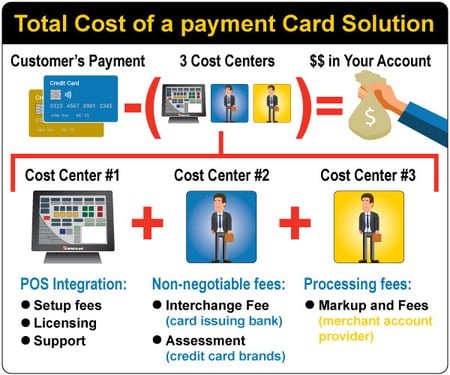
Payment processing costs encompass various fees charged by payment processors, card networks, and banks to facilitate transactions. These fees can vary significantly based on factors such as transaction volume, processor options, and merchant category. Identifying the components of payment processing costs is essential for effective reduction strategies.
Pricing Negotiations
Engaging in pricing negotiations with your payment processor is often the first step toward reducing costs. Consider the following strategies:
- Research Competitors: Understand the market rates for payment processing. If you find more competitive rates, use this information to negotiate better terms with your current provider.
- Leverage Transaction Volume: If your business processes a high volume of transactions, leverage this to negotiate lower rates. High volumes can justify a request for a lower processing fee.
- Request a Cost Breakdown: Ask your processor for a detailed breakdown of fees. This can help you pinpoint specific areas where costs can be cut.
- Explore Alternative Processors: If negotiations fail, consider switching to another provider that offers better rates and services.
Having multiple quotes from different processors can empower your negotiation strategy significantly.
Interchange Optimization
Interchange fees are a primary component of payment processing costs, often varying by card type and transaction details. Optimization entails:
- Understanding Card Types: Different cards have different interchange fees. Educate yourself about these rates to ensure you are selecting the lowest-cost options whenever possible.
- Use Level II/III Processing: For B2B transactions, using Level II or Level III processing can qualify transactions for lower rates.
- Implement Smart Payment Solutions: Utilize technologies that identify and route payments to qualify for the lowest interchange rates.
Authorization Improvements
Optimizing the authorization process can reduce declines and improve transaction success rates, thereby decreasing overall costs:
- Pre-Authorization Checks: Implement systems that conduct pre-authorization checks to verify card details before attempting to process a transaction.
- Analyze Decline Rates: Monitor and analyze decline reasons to identify and address the root causes.
Fraud Reduction
Fraudulent transactions can lead to hefty chargebacks and fees. Implementing fraud prevention strategies can minimize these costs:
- Utilize Advanced Security Protocols: Employ tools such as 3D Secure and tokenization to safeguard customer transactions.
- Regularly Review Transactions: Conduct regular reviews of transaction data to identify patterns of fraud and adjust your strategies accordingly.
Routing Optimization
Routing optimization refers to the process of directing transactions through the most cost-effective networks and gateways:
- Implement Smart Routing Solutions: Use payment gateways that intelligently route transactions to achieve the lowest fees based on the specifics of the transaction.
- Monitor Processing Routes: Keep an eye on the performance of specific routes to ensure they continue to provide savings.
Subscription Management
For businesses offering subscriptions, effective management is essential for cost reduction:
- Automate Billing: Automating your subscription billing can minimize the risk of late payments and reduce the associated fees.
- Optimize Plans: Review and optimize your subscription plans regularly to ensure they align with customer usage and minimize churn.
Operational Improvements
Streamlining operations can lead to significant reductions in payment processing costs:
- Invest in Training: Ensure your team is well-trained in payment processing, reducing errors that result in costly chargebacks.
- Optimize Payment Methods: Offer a variety of payment methods that suit your customer base while monitoring their costs to find the best combinations.
Frequently Asked Questions
Get answers to common questions about payment processing costs.
What fees are associated with payment processing?
Payment processing fees include transaction fees, monthly fees, chargeback fees, and others, which vary by provider.
Can I negotiate my processing fees?
Yes! Many payment processors are willing to negotiate fees based on your transaction volume or history.
How does fraud affect my bottom line?
Fraud can lead to significant losses from chargebacks and lost sales, impacting your overall profitability.
What is the importance of routing optimization?
Efficient routing can significantly reduce processing fees by directing transactions through the lowest-cost networks.
How can I improve authorization rates?
Improved authorization rates can be achieved through better pre-authorization checks and understanding decline reasons.
Ready to Reduce Your Processing Costs?
Explore our expert payment processing solutions today to lower your costs effectively!
Apply Now →