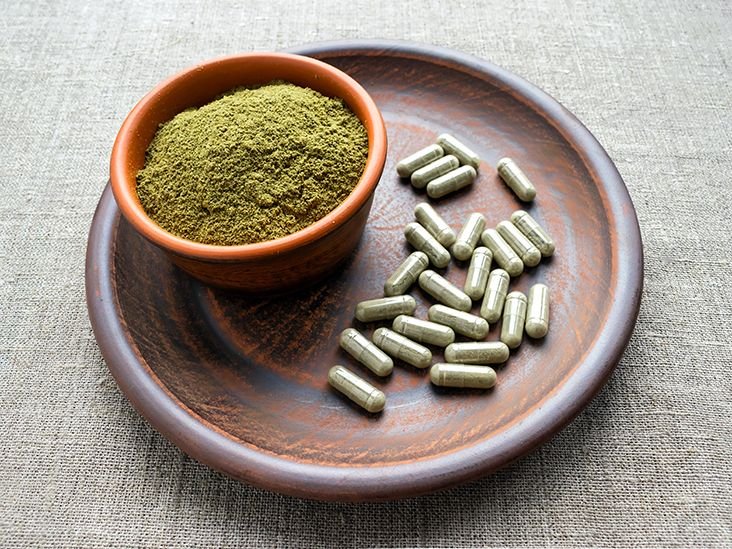
Kratom is currently legal in Hawaii, but 2025 bills SB463 and HB717 show that regulators are watching labeling, registration, adulteration, and 7-OH issues closely.
hawaii kratom payment processing for high-risk merchants.
High Wire Payments serves Hawaii kratom retailers, smoke shops, ecommerce sellers, supplement brands, and wellness businesses that need compliant card acceptance, realistic underwriting, chargeback controls, and backup planning in a high-risk category where processor shutdowns can happen quickly.
HI
Serving Hawaii merchants
2025
SB463 and HB717 introduced
53.8%
Online extract sales share cited in research
805
827-7451 for reviews
High Wire Payments serves Hawaii kratom merchants that operate in Honolulu, Hilo, Kailua, Kapolei, Pearl City, Waipahu, Ewa Beach, and nearby island communities. The Hawaii market includes smoke shops, vape stores, wellness retailers, supplement shelves, kava-adjacent lounges, ecommerce brands, and mixed-inventory convenience retailers that may sell kratom powder, capsules, gummies, drinks, and extracts. For payments, those product formats matter because underwriters do not evaluate kratom like an ordinary supplement. They look at product claims, labeling, sourcing, age controls, website content, fulfillment practices, chargeback exposure, and whether the merchant has a plan for regulatory change.
As of the research provided, kratom remains legal in Hawaii, with no statewide ban on purchasing, possessing, or consuming kratom and no statewide age restriction specifically for kratom purchases. That does not make the category low-risk. Hawaii lawmakers introduced Senate Bill 463 and House Bill 717 in early 2025 to regulate the market. The bills were described as proposing product registration, labeling requirements, restrictions on adulterated or synthetic products, and penalties for noncompliance. SB463 stalled after a Senate committee deferred further action in February 2025, while HB717 remained under review in the House. Payment processors read this kind of legislative activity as a sign that the category requires closer review.
Local business context also matters. HawaiiNewsNow reported in 2025 that kratom and 7-hydroxymitragynine products were readily available in Hawaii stores, including drinks, pills, powder, and gummies, while public health and law enforcement voices raised concerns about misuse and addiction. The report referenced the Hawaii High Intensity Drug Trafficking Areas program and concerns from clinicians connected to Queen’s Medical Center’s Department of Behavioral Science. A payment application for a Hawaii kratom merchant should therefore be built for scrutiny from the start. The goal is not to overstate legal risk, but to show banks that the business understands the category, avoids medical claims, maintains responsible retail practices, and can support card acceptance without excessive disputes.
Kratom is reported as legal in Hawaii as of 2025, with no statewide ban and no statewide kratom-specific age rule. However, SB463 and HB717 were introduced in 2025 and proposed registration, labeling, adulteration, and synthetic-product restrictions, so merchants should monitor Hawaii Department of Health and legislative updates before expanding inventory or advertising.
why Hawaii kratom merchants are considered high-risk
Kratom merchants in Hawaii are considered high-risk because the product sits at the intersection of botanical supplements, public health debate, ecommerce growth, and state-by-state regulation. Even when a state allows sales, acquiring banks and payment processors may restrict the category because card networks expect processors to monitor illegal products, misleading claims, consumer disputes, and excessive chargebacks. A Honolulu smoke shop selling kratom capsules at the counter, a Kailua wellness brand shipping powder from an ecommerce site, and a Kapolei retailer with Delta-8, hemp, CBD, vape accessories, and kratom on the same receipt can all trigger different risk questions.
The product mix is a major factor. Traditional powder and capsules may be viewed differently from high-potency extracts, shots, gummies, and products marketed around 7-OH or 7-hydroxymitragynine. The Hawaii research specifically references 7-OH concerns and retail availability of drinks, pills, powder, and gummies. Underwriters commonly ask whether the merchant sells synthetic, adulterated, or enhanced products; whether lab reports or supplier documentation are available; whether labels identify ingredients and serving information; and whether marketing avoids disease, opioid-withdrawal, anxiety, pain-treatment, or medical-benefit claims. If the website or packaging makes aggressive claims, the processor may decline the file even if the business is otherwise legal.
Chargeback risk is another reason kratom payment processing is not handled like a standard retail account. Some customers do not understand shipping timelines to the islands, recurring subscriptions, product strength, refund rules, or the difference between in-store purchases and online orders. Ecommerce research supplied for this page shows that kratom digital commerce is growing quickly, with the global kratom market valued at $2.56 billion in 2025, projected to reach $7.80 billion by 2032, and expanding at a 17.2% compound annual growth rate. The same research cited 53.8% of kratom extract sales occurring online and 57% of kratom purchases happening on mobile devices. Growth attracts legitimate brands, but it also attracts fraud, friendly fraud, and underwriting concern.
merchant account approval challenges in Hawaii
Many Hawaii kratom sellers first try a mainstream processor because it appears simple: create an account, connect a gateway, and start accepting cards. The problem is that a low-risk processor may approve an account automatically and review the website or product catalog later. When the processor sees kratom, extracts, smoke shop inventory, hemp items, or restricted supplement language, it may freeze processing, hold funds, request invoices, or terminate the merchant with little notice. For a Hawaii business with inventory costs, interisland logistics, and shipping costs, a sudden shutdown can create cash-flow pressure immediately.
Approval challenges are especially common for mixed-inventory businesses. A smoke shop in Pearl City may sell glassware, nicotine accessories, hemp-derived products, CBD, Delta-8, kratom, and apparel. A retailer in Hilo may combine supplements, botanicals, kava, and local wellness goods. A Waipahu shop listing such as Hawaii Kratom THC & Smoke Shop shows how local retail can involve overlapping product categories that processors often separate into different risk buckets. Underwriting must explain what is sold, how products are categorized, whether age-gated items are present, and whether the merchant has any local license, reseller permit, lease, supplier agreements, or compliance documentation.
High Wire Payments helps Hawaii merchants prepare a realistic file before submission. That means no promise of guaranteed approval and no attempt to hide the product category. Instead, the application should disclose kratom, identify ecommerce and card-present volume, provide processing history if available, and document controls around refunds, shipping, age verification, product claims, and customer service. Merchants can also review the High Wire resources for the kratom payment processing hub at /kratom-payment-processing/, broader high-risk merchant services at /high-risk-merchant-services/, CBD payment processing at /cbd-payment-processing/, hemp payment processing at /hemp-payment-processing/, and smoke shop payment processing at /smoke-shop-payment-processing/.
If your current processor never reviewed your kratom catalog, website terms, COAs, labels, or refund policies, your account may be exposed. A proactive high-risk review can identify weak points before a reserve, hold, or termination interrupts sales.
ecommerce, card-not-present, and mobile checkout risk
Hawaii kratom ecommerce merchants need payment infrastructure built for card-not-present risk. Online sales are convenient for customers outside Honolulu or for neighbor-island buyers in Hilo, Kailua, Kapolei, Pearl City, and rural areas, but ecommerce brings identity, delivery, and dispute challenges that are not present in a face-to-face sale. The research provided for this page notes that ecommerce accounts for 45% of total kratom capsule sales and that 57% of kratom purchases occur on mobile devices. A mobile checkout that is fast but poorly controlled can increase fraud losses, address mismatches, and post-purchase disputes.
A stronger card-not-present setup starts with transparent product pages. Labels, ingredient lists, serving information, warnings, and disclaimers should be easy to find. Product pages should avoid claims that a kratom product treats pain, addiction, depression, anxiety, withdrawal, or any medical condition. Shipping pages should explain Hawaii fulfillment realities, including carrier timing, tracking, lost package procedures, and any restrictions on where products can be shipped. Refund pages should tell customers what happens if a product is opened, refused, delayed, or returned. These details are not only customer-service tools; they are underwriting and chargeback-prevention evidence.
Fraud controls should match the risk level. Hawaii ecommerce sellers may need AVS and CVV rules, velocity filters, device fingerprinting, IP location review, step-up verification for large orders, blocked reshipper patterns, and manual review for mismatched billing and shipping data. Subscription or repeat-order programs should use clear consent language, reminder emails, easy cancellation, and billing descriptors that match the store name. For higher-risk extract or 7-OH-adjacent products, some banks may require stricter controls or may decline the product entirely. High Wire’s role is to help merchants present the business accurately and route the account to processing options that understand the vertical.
POS and card-present options for Hawaii kratom retailers
Card-present retail still matters in Hawaii. Research cited for kratom market distribution indicates that a large share of sales has historically occurred through brick-and-mortar channels such as smoke shops, gas stations, and specialty retailers. Yelp results for Honolulu reference kratom-related searches and local operators such as Oahu Dispensary and Provisions, Choke Smoke, and Island Smoke & Vape Kalihi, showing that consumers search locally for these products. For physical stores, the payment conversation is different from ecommerce because underwriters evaluate the storefront, signage, receipts, age controls, inventory mix, and whether the point-of-sale system can separate categories and produce reliable reporting.
A Hawaii smoke shop or supplement retailer should be prepared to explain how staff control access to age-sensitive products. While Hawaii has no statewide kratom-specific age limit in the supplied research, many responsible vendors set their own 18+ or 21+ policies, especially when kratom is sold in the same environment as tobacco, vape, hemp, or smoke shop accessories. A documented policy can help underwriting. Examples include behind-counter placement, ID checks for kratom and smoke shop categories, register prompts, staff training logs, and written refusal procedures. These controls are particularly important if future Hawaii rules create an official age threshold.
POS planning should also include descriptor management, tip settings if the business includes a lounge component, cash discount or surcharge compliance review where applicable, receipt language, refund permissions, inventory reporting, and employee access levels. A retailer in Kapolei with one store may need a simple terminal and POS integration. A chain serving Honolulu, Pearl City, and Waipahu may need multi-location reporting, user permissions, batch reconciliation, and chargeback alerts. High Wire Payments can review card-present and card-not-present needs together so a merchant does not end up with one approved channel and another unsupported channel.
underwriting documents Hawaii kratom businesses should prepare
The strongest Hawaii kratom applications are organized before they reach underwriting. Banks want to understand who owns the business, where it operates, what it sells, how it markets products, how customers pay, and how disputes are handled. For kratom, documentation should also show that products are not being positioned as unapproved drugs and that the merchant monitors suppliers. If the business sells other high-risk categories, including CBD, hemp, Delta-8, vape products, or nutraceuticals, those categories should be disclosed rather than hidden.
- Completed merchant application with legal business name, DBA, EIN, ownership details, and Hawaii operating address
- Government-issued identification for each required owner or control person
- Recent business bank statements showing deposits, balances, and operating history
- Recent processing statements, chargeback reports, and termination notices if the business has processed cards before
- Website URL, ecommerce checkout screenshots, product catalog, and mobile checkout flow for card-not-present merchants
- Retail photos showing storefront, register area, behind-counter placement, product displays, signage, and age-control practices
- Supplier invoices for kratom products, including powders, capsules, gummies, drinks, extracts, and any 7-OH-related inventory
- Certificates of analysis, lab reports, or supplier quality documentation when available
- Product labels showing ingredients, serving information, warnings, disclaimers, and absence of medical claims
- Refund policy, shipping policy, privacy policy, terms of service, subscription terms, and customer-service contact process
Underwriting may also ask about reserves. A reserve is not a punishment; it is a risk-control tool used by acquiring banks in categories with higher chargeback, regulatory, or reputational exposure. A Hawaii kratom merchant may see a rolling reserve, capped reserve, delayed funding, or volume limits depending on processing history, product mix, refund rates, chargeback ratios, and documentation strength. A well-prepared file can improve the conversation, but no processor should promise that reserves will never apply. High Wire focuses on setting expectations early so the merchant understands the likely review path.
chargeback prevention and processor continuity
Chargebacks can put a kratom merchant account at risk even when the business is legal and the products are accurately represented. Common triggers include unclear descriptors, delayed shipping, customers not recognizing a subscription charge, dissatisfied buyers, product strength complaints, fraud on mobile orders, and refund policies that are difficult to find. Hawaii merchants also face logistics issues that mainland sellers may underestimate. Interisland delivery, carrier handoffs, and customer expectations around shipping speed should be addressed in confirmations and tracking messages before a dispute starts.
High Wire Payments encourages kratom businesses to monitor dispute ratios before they become urgent. A practical approach includes automated alerts when chargebacks approach internal thresholds, quick response templates for evidence submission, order-level documentation, tracking confirmation, customer-service notes, product-page screenshots, and refund communications. For ecommerce sellers, fraud filters should be tuned so legitimate Hawaii customers are not blocked unnecessarily while high-risk order patterns receive manual review. For retail merchants, signed receipts, EMV use, return policy visibility, and staff training help reduce unnecessary disputes.
Processor continuity is the other side of the risk conversation. Kratom sellers should not rely on a processor that prohibits their product category in its terms, even if transactions are currently running. They should also keep current copies of processing statements, supplier invoices, labels, COAs, and policy pages so a backup review can move quickly if conditions change. Hawaii’s 2025 SB463 and HB717 activity shows why merchants should keep compliance materials current. If lawmakers later adopt registration, labeling, or adulteration restrictions, the businesses with organized documentation will be better positioned to adapt.
hawaii kratom payment processing preparation checklist
Use this checklist before applying for a Hawaii kratom merchant account. It is designed for ecommerce sellers, card-present smoke shops, supplement retailers, wellness brands, and mixed high-risk businesses serving customers in Honolulu, Hilo, Kailua, Kapolei, Pearl City, Waipahu, Ewa Beach, and across the islands.
- Confirm that your current product catalog is legal to sell in Hawaii and monitor SB463, HB717, Department of Health, county, and city developments
- Remove medical, therapeutic, opioid-withdrawal, pain-treatment, anxiety, depression, or disease claims from product pages, labels, ads, and staff scripts
- Create a written age-control policy, even though Hawaii has no statewide kratom-specific age rule in the supplied research
- Keep kratom products behind the counter or otherwise controlled in retail environments that also sell vape, tobacco, hemp, or smoke shop accessories
- Collect supplier invoices, lab reports, COAs, label files, and ingredient documentation for every kratom product format
- Publish clear refund, shipping, privacy, terms, subscription, and customer-service policies on the website
- Set ecommerce fraud controls for AVS, CVV, velocity, high-ticket orders, mismatched shipping, mobile checkout, and repeat failed attempts
- Review billing descriptor, receipt language, order confirmations, tracking emails, and customer-service response times
- Prepare bank statements, processing statements, chargeback reports, POS details, website screenshots, and retail photos before underwriting
- Apply through High Wire Payments at https://highwireleah.com/apply/ or call 805-827-7451 for a Hawaii kratom payment processing review
High Wire Payments serves Hawaii businesses; we do not claim a physical Hawaii office. If your kratom store, ecommerce brand, smoke shop, supplement retailer, or wellness business needs a high-risk merchant account review, start with a transparent application and a complete compliance file. Apply at https://highwireleah.com/apply/ or call 805-827-7451 to discuss card-present, ecommerce, reserve, chargeback, and backup processing options.
Serving Hawaii kratom merchants across the islands
High Wire supports businesses in Honolulu, Hilo, Kailua, Kapolei, Pearl City, Waipahu, Ewa Beach, and nearby markets with high-risk payment processing reviews.
Payment support built for Hawaii kratom risk
High Wire focuses on specific underwriting, compliance, fraud, and chargeback controls that matter to kratom merchants and mixed-inventory retailers.
Kratom-specific underwriting file review
We review the merchant application, product catalog, website, labels, supplier invoices, and processing history before submission. For Hawaii merchants, that includes noting SB463 and HB717 awareness without overstating current law.
7-OH and extract risk screening
Products marketed around extracts, shots, gummies, or 7-hydroxymitragynine can raise additional bank concerns. High Wire helps identify products that may require clearer documentation, revised descriptions, or separate underwriting discussion.
Chargeback monitoring workflow
We help merchants think through descriptor clarity, tracking evidence, refund documentation, and dispute response timing. Internal alerts can be structured around early warning thresholds before ratios become account-threatening.
Card-present and ecommerce alignment
A Hawaii retailer may need both a POS terminal and an ecommerce gateway. High Wire reviews whether the account can support in-store sales, mobile checkout, shipping, recurring orders, and multi-location reporting.
Age-control and retail documentation
Even without a statewide kratom-specific age rule in the supplied research, many banks want to see responsible controls. We help merchants document behind-counter placement, ID policies, staff procedures, and POS prompts.
Reserve and continuity planning
High-risk accounts may involve rolling reserves, capped reserves, volume limits, or delayed funding. High Wire helps Hawaii merchants understand those possibilities and keep backup documentation current if a processor changes its risk position.
Is kratom legal in Hawaii?
Based on the supplied research, kratom remains legal in Hawaii as of 2025, with no statewide ban on purchasing, possessing, or consuming it. Merchants should still monitor state legislation and local rules because SB463 and HB717 were introduced in 2025 to consider regulation.
Do Hawaii kratom retailers need a separate state kratom license?
The research provided does not identify an enacted Hawaii statewide kratom license requirement. However, HB717 was described as proposing product registration with the Department of Health, so retailers should monitor pending bills and consult local counsel or regulators.
What is the minimum age to purchase kratom in Hawaii?
The supplied research states that Hawaii has no statewide age restriction specifically for kratom purchases. Many responsible vendors still use 18+ or 21+ internal policies, especially when kratom is sold in smoke shops or alongside vape, tobacco, CBD, or hemp products.
Why did my processor shut down my Hawaii kratom store?
Many standard processors prohibit kratom or review it after onboarding. If the processor later sees kratom products, extracts, 7-OH references, supplement claims, or smoke shop inventory, it may hold funds, request documents, or terminate the account.
Can High Wire process ecommerce kratom sales for Hawaii businesses?
High Wire serves Hawaii ecommerce merchants and can review card-not-present options for kratom businesses. Approval depends on underwriting, product mix, website content, chargeback history, fraud controls, and the acquiring bank’s risk appetite.
Can a Hawaii smoke shop accept cards for kratom at the POS?
Card-present options may be available for qualified Hawaii smoke shops and supplement retailers. Underwriters typically review storefront photos, inventory mix, age-control procedures, product labels, supplier invoices, and prior processing history.
Will I need a reserve for a Hawaii kratom merchant account?
A reserve is possible in high-risk categories such as kratom, especially for ecommerce, extracts, new businesses, or merchants with limited processing history. The amount and structure depend on underwriting, expected volume, chargebacks, refunds, and documentation quality.
What product claims should Hawaii kratom websites avoid?
Kratom merchants should avoid medical or therapeutic claims, including claims about treating pain, anxiety, depression, opioid withdrawal, addiction, or disease. Product pages should focus on accurate ingredients, serving information, warnings, disclaimers, and responsible labeling.
Do Honolulu, Hilo, Kailua, Kapolei, or Pearl City have local kratom ordinances?
The supplied research does not identify specific local kratom ordinances in those cities. Because local rules can change, merchants should check city, county, and state updates before opening a store, expanding inventory, or launching delivery.
How do I apply for Hawaii kratom payment processing?
Prepare your application, bank statements, processing statements, product labels, supplier invoices, COAs if available, website policies, and chargeback reports. Then apply at https://highwireleah.com/apply/ or call High Wire Payments at 805-827-7451 for a review.
Apply for Hawaii kratom payment processing
High Wire Payments serves Hawaii kratom merchants, smoke shops, ecommerce sellers, supplement retailers, wellness brands, CBD businesses, hemp retailers, and other high-risk merchants. Apply at https://highwireleah.com/apply/ or call 805-827-7451 to start an underwriting-focused review.