From Wilmington retail counters to card-not-present ecommerce orders shipped into Dover, Newark, Middletown, and Smyrna, kratom payment processing requires documentation, monitoring, and realistic underwriting expectations.
delaware kratom payment processing for high-risk merchants.
High Wire Payments serves Delaware kratom retailers, smoke shops, ecommerce sellers, supplement brands, and wellness merchants that need compliant card acceptance. We help operators prepare for underwriting, document age controls, reduce chargebacks, support product-label review, and avoid avoidable processor shutdowns in a changing regulatory environment.
DE
Delaware merchants served
21+
recommended age controls
CNP
ecommerce risk review
2026
active kratom debate
Delaware kratom payment processing is a specialized high-risk category for merchants selling kratom powder, capsules, extracts, shots, tablets, or blended botanical products in Wilmington, Dover, Newark, Middletown, Smyrna, Milford, Seaford, Georgetown, Lewes, and Rehoboth Beach. High Wire Payments serves Delaware businesses that operate smoke shops, vape stores, supplement counters, wellness brands, online kratom storefronts, and mixed-inventory convenience retail models. The state is small geographically, but its retail corridors are active: Wilmington-area guides identify smoke and vape shops along Concord Pike, Market Street, Lancaster Pike, and the Miller Road corridor, and the market includes brick-and-mortar operators as well as ecommerce sellers shipping to customers across Delaware and nearby Mid-Atlantic states.
Kratom merchants are considered high-risk because the category sits at the intersection of botanical supplements, age-restricted retail, tobacco-adjacent sales channels, chargeback exposure, evolving state law, and federal regulatory uncertainty. Delaware has not been described in the provided research as having enacted a statewide kratom ban, but 2026 legislative activity matters for underwriting. WHYY reported that state Sen. Kyra Hoffner, D-Leipsic, sponsored legislation that would ban kratom, while state Rep. Melanie Ross Levin, D-North Wilmington, sponsored separate legislation intended to regulate rather than outlaw it. Delaware Senate Bill 262, dated March 18, 2026 in the Delaware General Assembly bill detail, would amend Delaware’s Uniform Controlled Substances Act and make it unlawful to manufacture, distribute, sell, offer to sell, or possess with intent to sell a kratom product. Merchants should monitor these developments with counsel before expanding inventory or launching new online campaigns.
For payment processing, those legal details affect how banks, sponsor banks, gateways, and risk teams evaluate an account. A Delaware kratom seller may have a valid business license, a clean website, strong customer service, and reputable suppliers, yet still be declined by a mainstream processor that does not support kratom. High Wire Payments is not a law firm and does not provide legal advice, but our underwriting preparation process is designed around the information processors ask for: what products are sold, how age is verified, whether 7-OH or enhanced extract products are offered, how product labels are written, whether certificates of analysis are available, how refunds are handled, and whether sales are card-present, card-not-present, or both.
Research provided for this page references Wilmington smoke-shop density, public listings for shops such as Smokology at 5 W 4th St near Market Street, Smoke King in Newark, Adam Tobacco and Grocery in Middletown, and a WHYY report showing Murphy Smoke Shop in Wilmington selling kratom. These examples show real retail activity, but they do not remove the need for processor-approved underwriting and compliance documentation.
why Delaware kratom merchants are treated as high-risk
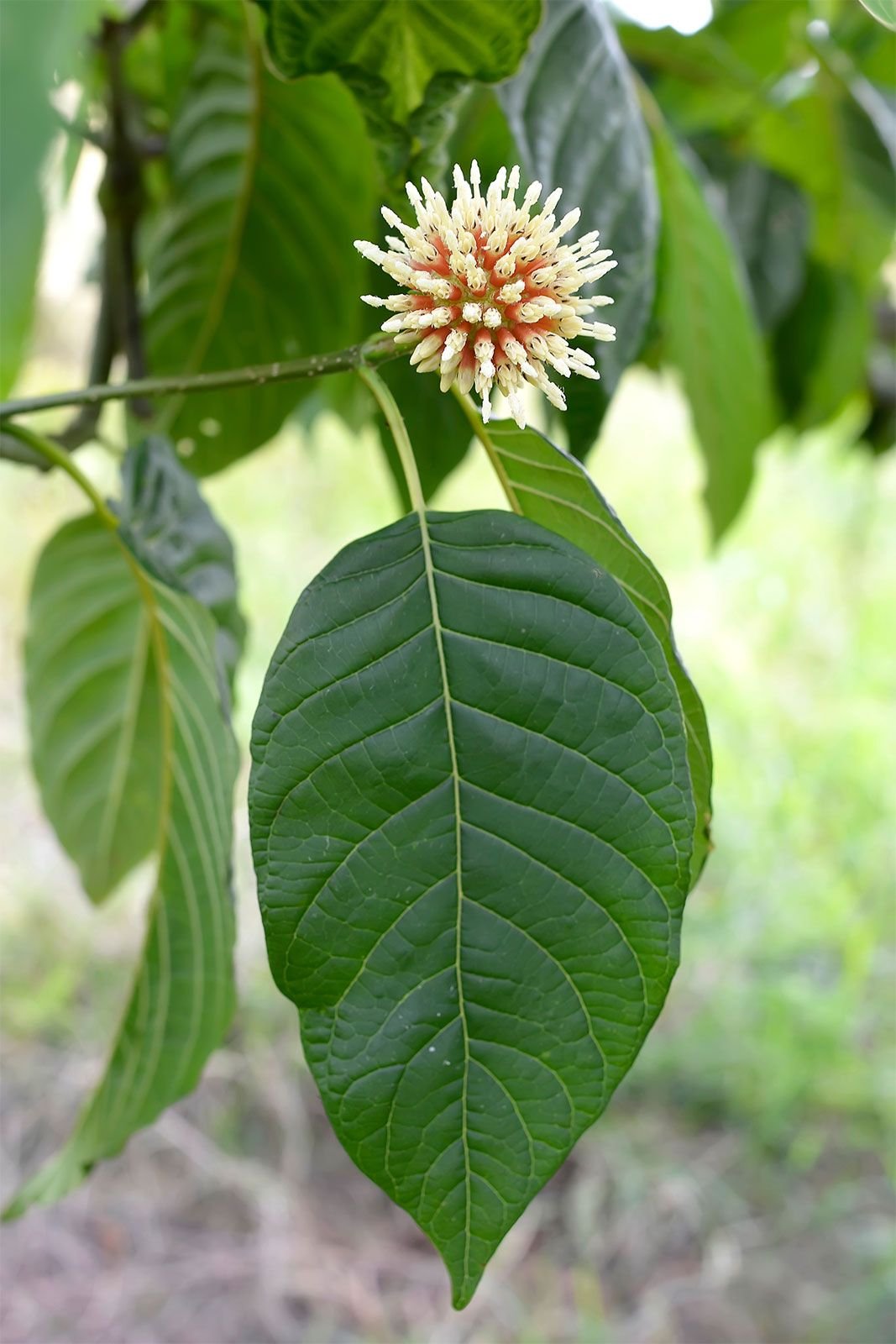
Payment processors classify kratom as high-risk for reasons that go beyond sales volume. Kratom is derived from Mitragyna speciosa and is frequently sold in smoke shops, gas stations, convenience stores, vape stores, online supplement shops, and wellness retail environments. The products may be marketed as powders, capsules, liquid extracts, enhanced powders, gummies, tablets, or shots. Risk teams examine whether the merchant is selling natural leaf products, concentrated extract products, or products that appear to emphasize 7-hydroxymitragynine, commonly called 7-OH. The research provided notes that the FDA has received reports of harmful effects involving 7-OH products and that the FDA has not approved kratom as a dietary supplement. Those facts make labeling, ingredient disclosure, and product selection important to payment approval.
Delaware merchants also face reputational risk because kratom is often stocked beside tobacco products, hemp items, CBD products, disposable vapes, glass, accessories, and other age-restricted goods. A Wilmington or Newark smoke shop may sell kratom as only one part of a larger inventory, but the processor still reviews the full business model. If a business also sells Delta-8 hemp items, CBD products, nicotine products, or paraphernalia, the underwriting file must be clear about every product category. Hidden inventory, vague product names, missing lab reports, and checkout pages that do not match the application are common reasons for holds, sudden terminations, or reserve increases.
Another reason kratom accounts are reviewed closely is chargeback behavior. Some customers dispute purchases because they do not recognize the billing descriptor, misunderstand subscription terms, object to shipping delays, or claim dissatisfaction with a product. Ecommerce kratom sales can carry higher chargeback exposure because the transaction is card-not-present and because customers may order from mobile devices, use different shipping and billing addresses, or request reshipments. A Delaware merchant selling from Dover or Middletown may be perfectly legitimate, but a bank will still evaluate refund policies, delivery confirmation, customer-service response times, descriptor clarity, and fraud-screening rules before approving stable processing.
Delaware law, 2026 bills, and what processors will ask
The research for this page identifies active Delaware kratom policy debate in 2026. WHYY reported that one proposal sponsored by Sen. Kyra Hoffner would make it illegal to manufacture, sell, offer to sell, or possess with intent to distribute kratom in natural and synthetic forms, with discussion of amending criminal penalties for simple possession. Separate House legislation from Rep. Melanie Ross Levin was described as a regulatory approach rather than an outright ban. A Delaware General Assembly bill detail for Senate Bill 262, dated March 18, 2026, states that the Act defines kratom and kratom products and would amend Delaware’s Uniform Controlled Substances Act to prohibit manufacture, distribution, sale, offer for sale, or possession with intent to sell a kratom product.
For a payment application, the important point is not simply whether kratom is available in Delaware today. The important point is whether the merchant can demonstrate a compliance posture that is credible if regulators, banks, or card-brand risk teams ask questions. That means written age-gating procedures, ID-check policies for retail staff, website age gates for ecommerce, restricted shipping policies if laws change, supplier documentation, batch-level COAs where available, product labels without disease-treatment claims, and a process for removing products quickly if a legal update affects a specific SKU. High Wire Payments helps merchants organize that underwriting story so processors see a managed risk profile rather than a vague botanical product catalog.
Delaware operators should also be careful about local business requirements. The research provided does not identify a specific Wilmington, Dover, Newark, Middletown, or Smyrna local kratom ordinance, so merchants should not assume that one exists or does not exist without checking current municipal rules. A retailer may need a Delaware business license, local permits, tobacco or vape-related registrations if applicable to other inventory, sales tax setup, zoning approval, signage compliance, and lease permission for smoke-shop or wellness retail use. Underwriters may request proof of business formation, operating address, supplier invoices, and a product list even when kratom itself is not subject to a separate state kratom license.
Kratom labels, product descriptions, ads, blogs, and employee scripts should avoid claims that a product treats pain, addiction, anxiety, withdrawal, or any disease. Processors review public-facing content. A compliant file is stronger when the merchant uses neutral product descriptions, required disclaimers where applicable, age controls, ingredient transparency, and documented customer-service procedures.
merchant account approval challenges for Delaware kratom sellers
Many Delaware kratom merchants first discover the problem after opening a standard small-business processing account and then receiving a termination notice. Mainstream aggregators and low-risk merchant providers often prohibit kratom in their acceptable-use policies or review it as a restricted supplement. When sales begin to increase, the processor may examine the website, product names, chargeback history, or transaction descriptors and freeze processing. In some cases, the account is closed with little notice, payouts are delayed, and the merchant is required to find a new provider while customers are still placing orders.
The approval challenge is especially serious for ecommerce sellers. A Delaware kratom brand selling online from Wilmington, Dover, Newark, or Middletown needs a gateway, shopping cart compatibility, fraud tools, age controls, shipping restrictions, and clear refund terms. The underwriting team may ask whether the merchant ships outside Delaware, whether any destinations restrict kratom, whether products contain enhanced 7-OH ingredients, whether the site sells CBD or hemp products as well, and whether lab documentation is available. If the merchant account application says the business is a general wellness brand but the website sells concentrated kratom extracts, the mismatch can lead to a decline or later shutdown.
Card-present retail has different challenges. A smoke shop in Smyrna, Seaford, Milford, or Rehoboth Beach may use a countertop terminal, smart POS, cash drawer, receipt printer, inventory system, and recurring wholesale purchasing. Underwriters want to know whether kratom is kept behind the counter, whether employees verify 21+ age even if state law is still developing, whether receipts show clear product descriptions, and whether return policies are posted. High Wire Payments supports POS and card-present options for eligible high-risk merchants, but placement depends on underwriting, product mix, processing history, and the processor’s kratom policy.
ecommerce, card-not-present, and POS options for Delaware stores
A stable Delaware kratom payment setup usually separates ecommerce risk from retail POS risk. Card-not-present transactions require gateway configuration, fraud filters, AVS, CVV, velocity limits, device review, IP analysis, shipping confirmation, and clear order records. Card-present transactions require a compliant terminal or POS environment, staff training, refund rules, and descriptor consistency. When both channels run through the same merchant profile without explanation, risk teams may have trouble understanding the true business model. A better approach is to present retail, ecommerce, wholesale, and event sales clearly from the start.
For ecommerce, High Wire Payments can help Delaware merchants prepare the processing file before submission. That includes reviewing whether the website has an age gate, whether the footer contains contact information, whether policies are visible before checkout, whether shipping terms state delivery expectations, and whether product pages avoid unsupported health claims. It also includes discussing gateway compatibility for common carts, fraud settings for higher-ticket extract orders, and how the merchant will handle orders from states or municipalities where kratom rules differ. A Delaware seller that ships nationally should maintain a restricted-shipping matrix and update it when state or local rules change.
For retail, merchants should be ready to document how products are sold at the counter. Research for Wilmington shows that smoke and vape shops are concentrated in real corridors such as Concord Pike, Market Street, Lancaster Pike, and Miller Road, but product availability can change and public listings may not specify exact kratom inventory. Underwriters do not rely on public directory listings; they rely on merchant documentation. Photos of the storefront, photos of product displays, a full inventory list, supplier invoices, sample receipts, staff age-verification procedures, and written refund policies can all help a processor understand that the business is operated in a controlled way.
underwriting documents Delaware kratom merchants should prepare
Underwriting for kratom is document-heavy because the processor needs to verify identity, ownership, business legitimacy, product type, fulfillment method, and risk controls. A Delaware merchant should expect deeper review than a standard retail account. If the company has prior processing history, recent statements are important because they show volume, ticket size, refund activity, chargeback ratios, and seasonality. If the business is new, the application should be realistic about expected volume and should explain the sales model rather than projecting aggressive numbers without support.
- Delaware business formation records or entity documentation
- Federal EIN confirmation letter or IRS documentation
- Government-issued photo ID for each required owner or signer
- Voided check or bank letter matching the business bank account
- Three to six months of processing statements if available
- Three to six months of business bank statements if available
- Complete kratom product list with powders, capsules, extracts, shots, and 7-OH-related items identified
- Supplier invoices and batch-level certificates of analysis when available
- Product labels, warnings, serving information, and FDA-style disclaimer review where applicable
- Website URL, checkout flow, refund policy, shipping policy, privacy policy, and customer-service contact information
Merchants with mixed inventory should provide more detail, not less. If a Wilmington smoke shop sells kratom, CBD, hemp-derived products, vapes, tobacco accessories, and general convenience items, the processor should know that upfront. If a Newark ecommerce brand sells kratom plus CBD tinctures or hemp products, the application should identify each category and the expected percentage of sales. High Wire Payments also maintains educational resources for related categories, including the kratom payment processing hub at /kratom-payment-processing/, high-risk merchant services at /high-risk-merchant-services/, CBD payment processing at /cbd-payment-processing/, hemp payment processing at /hemp-payment-processing/, and smoke shop payment processing at /smoke-shop-payment-processing/.
chargeback prevention, fraud controls, and reserves
Chargeback prevention starts before the transaction. Delaware kratom merchants should use a billing descriptor that customers recognize, publish a clear refund policy, send order confirmations, provide tracking numbers, answer support tickets quickly, and avoid recurring billing unless the terms are unmistakable. Ecommerce sellers should maintain proof of delivery and customer communication records because those records can be critical when responding to disputes. Retailers should use readable receipts, train staff to explain return rules, and document any customer complaint involving product quality, missing items, or duplicate charges.
Fraud controls are just as important. Card-not-present kratom transactions may include mismatched billing and shipping addresses, repeat purchase attempts, unusually large extract orders, rush-shipping requests, or orders sent to freight forwarders. A practical fraud stack can include AVS, CVV, velocity rules, device fingerprinting if supported, manual review thresholds, order notes, blocked regions, and stricter review for high-dollar baskets. Age controls should be treated as part of risk management, not just a website design feature. A merchant that can show 21+ age gating and ID-check procedures is easier to evaluate than one that leaves age controls undocumented.
Reserves may be part of a kratom merchant account. A reserve is not a penalty; it is a risk tool used by some processors to cover potential chargebacks, refunds, or compliance exposure. Reserve terms may be rolling, capped, or reviewed after several months of stable performance. High Wire Payments helps Delaware merchants understand reserve language before they accept a placement so they can plan cash flow. The best way to reduce reserve pressure over time is to maintain low dispute ratios, avoid prohibited products, keep documentation current, and notify the processor before making major changes to the product catalog or sales model.
Delaware kratom payment processing preparation checklist
Before applying, Delaware kratom merchants should prepare the account as if a bank risk analyst will read every page of the website and every line of the product list. The goal is not to hide risk; the goal is to explain and manage it. Use this checklist before submitting an application through High Wire Payments or before replacing a processor that has warned, frozen, or closed your account.
- Confirm current Delaware kratom legality and monitor 2026 legislative activity, including Senate Bill 262 and any House regulatory proposal.
- Document 21+ age controls for retail counters, ecommerce checkout, staff training, and delivery policies where applicable.
- Create a complete SKU list separating natural leaf powder, capsules, liquid extracts, enhanced products, and any 7-OH-related items.
- Remove disease-treatment, pain-relief, addiction, withdrawal, anxiety, or medical claims from labels, product pages, ads, and blogs.
- Collect supplier invoices, COAs, batch records, ingredient statements, and product-label images for underwriting review.
- Publish visible website policies for refunds, shipping, privacy, terms of use, customer support, and order cancellation.
- Set fraud rules for AVS, CVV, velocity, high-ticket orders, mismatched addresses, blocked locations, and manual review triggers.
- Prepare recent bank statements, processing statements, business licenses, EIN records, owner IDs, and voided check documentation.
- Verify that POS product names, receipts, and billing descriptors are understandable to customers and consistent with the application.
- Call High Wire Payments at 805-827-7451 or apply at https://highwireleah.com/apply/ when your file is ready for review.
High Wire Payments serves Delaware businesses that need realistic, compliance-aware kratom payment processing support. We cannot guarantee approval, and no responsible processor should. What we can do is help you present a stronger file, identify avoidable red flags, discuss card-present and card-not-present options, and prepare for the underwriting questions that kratom merchants face. To start a review, apply at https://highwireleah.com/apply/ or call 805-827-7451.
Delaware markets we serve
High Wire Payments serves Delaware businesses in Wilmington, Dover, Newark, Middletown, Smyrna, Milford, Seaford, Georgetown, Lewes, and Rehoboth Beach without claiming a physical Delaware office.
Specific support for Delaware kratom merchants
Our process focuses on the details processors actually review: products, documents, chargebacks, age controls, ecommerce risk, and ongoing compliance.
Kratom underwriting file review
We help Delaware merchants organize product lists, supplier invoices, COAs, labels, business records, and website policies before submission. The goal is to reduce avoidable declines caused by incomplete or inconsistent documentation.
Chargeback ratio monitoring
We help merchants watch dispute activity and set internal alerts before chargebacks become a processor problem. For high-risk accounts, monitoring at practical thresholds such as 0.7% gives operators time to tighten refunds, descriptors, and customer support.
Ecommerce fraud-control planning
For card-not-present kratom sales, we discuss AVS, CVV, velocity limits, high-ticket order review, mismatched address rules, and restricted-shipping workflows. These controls are especially important for Delaware sellers shipping beyond Wilmington, Dover, and Newark.
Retail POS documentation
For smoke shops and supplement retailers, we help prepare storefront photos, receipt examples, age-check procedures, and product-display explanations. A clear card-present file can help distinguish a controlled retail environment from an undocumented mixed-inventory shop.
Product-label and claim screening
We look for underwriting red flags such as disease-treatment claims, unclear serving language, missing warnings, and unsupported supplement statements. This is especially relevant because the FDA has not approved kratom as a dietary supplement.
Reserve and shutdown-risk guidance
We explain rolling reserves, payout timing, account reviews, and processor notice language before a merchant accepts a placement. We also help merchants avoid common shutdown triggers such as undisclosed 7-OH products, hidden CBD or hemp inventory, and policy mismatches.
Is kratom legal in Delaware for retailers right now?
The research provided for this page indicates that kratom has been available in Delaware and does not identify an enacted statewide ban. However, 2026 Delaware legislative activity includes Senate Bill 262 and separate reported House legislation, so merchants should monitor current law with legal counsel.
What is Delaware Senate Bill 262 and why does it matter for payment processing?
The Delaware General Assembly bill detail dated March 18, 2026 states that Senate Bill 262 would amend Delaware’s Uniform Controlled Substances Act, define kratom and kratom products, and make it unlawful to manufacture, distribute, sell, offer to sell, or possess with intent to sell a kratom product. Even pending legislation can affect underwriting because banks evaluate legal and reputational risk.
Do Delaware kratom retailers need a separate state kratom license?
The research provided does not identify a separate Delaware kratom license currently in effect. Merchants should still confirm Delaware business licensing, local permits, zoning, tobacco or vape-related requirements if applicable, and any city or county rules before selling.
What minimum age should Delaware kratom shops use?
Many kratom vendors and smoke shops use 21+ controls, and the Wilmington market research notes that most shops and online vendors enforce a 21+ policy. From a payment-risk perspective, documented 21+ age gating, ID checks, and staff training strengthen the underwriting file.
Can a Wilmington smoke shop process cards for kratom products?
Possibly, but it usually requires a high-risk merchant account that supports kratom. A Wilmington merchant should prepare a full product list, supplier invoices, labels, COAs when available, age-check procedures, and processing history before applying.
Can Delaware kratom ecommerce sellers accept credit cards online?
Yes, eligible ecommerce sellers may be reviewed for card-not-present processing, but approval depends on underwriting. The website should include age gating, compliant product descriptions, clear shipping and refund policies, fraud controls, and no medical or disease-treatment claims.
Why did my processor shut down my Delaware kratom account?
Common reasons include prohibited-product policies, undisclosed kratom inventory, chargeback activity, unsupported health claims, 7-OH or enhanced extract concerns, missing documentation, or a mismatch between the application and the website. High Wire Payments can review the file and help identify what needs to be corrected before reapplying.
Are 7-OH kratom products harder to underwrite?
Yes. The research notes FDA concern about harmful effects reported with 7-OH products and describes federal movement to restrict products containing 7-hydroxymitragynine. Merchants selling or considering 7-OH-related products should expect enhanced scrutiny and should disclose products accurately.
Can one merchant account cover kratom, CBD, hemp, and smoke shop inventory?
Sometimes, but every category must be disclosed and supported by the processor’s policy. High Wire Payments also provides resources for CBD payment processing, hemp payment processing, and smoke shop payment processing because mixed inventory can increase underwriting complexity.
How do Delaware kratom merchants apply with High Wire Payments?
Prepare your business documents, product list, website policies, processing statements, and supplier records, then apply at https://highwireleah.com/apply/. You can also call 805-827-7451 to discuss whether your Delaware kratom, smoke shop, ecommerce, or supplement business is ready for review.
Apply for Delaware kratom payment processing review
High Wire Payments serves Delaware kratom merchants, smoke shops, ecommerce sellers, supplement retailers, wellness brands, and other high-risk businesses. Apply at https://highwireleah.com/apply/ or call 805-827-7451 to start an underwriting-focused review.