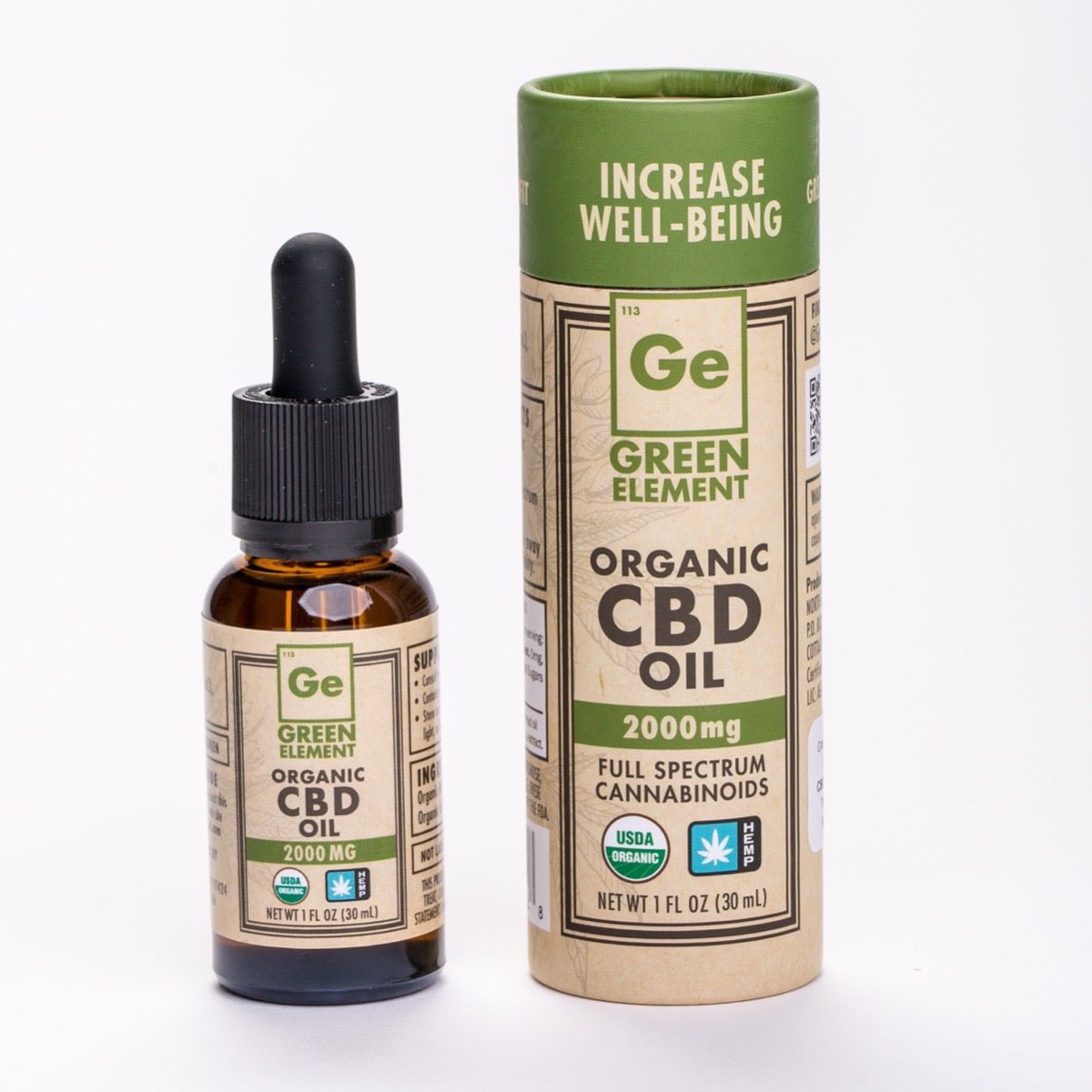
Before any processor reviews volume, product legality, labeling, website claims, age controls, fulfillment geography, and inventory mix must be documented. High Wire helps merchants assess lawful alternatives and high-risk payment exposure.
connecticut kratom payment processing for high-risk merchant review.
Kratom is now restricted as a Schedule 1 controlled substance in Connecticut. High Wire Payments serves Connecticut businesses where legally permitted with risk review, CBD/hemp and smoke shop processing guidance, ecommerce underwriting, POS options, chargeback controls, fraud monitoring, and compliant portfolio transitions.
CT
Serving Connecticut where permitted
3/25/26
Kratom ban effective date cited
21+
Age controls for similar products
CNP
Ecommerce risk review
Connecticut kratom payment processing is not a standard merchant account request. As of March 25, 2026, public reporting and Connecticut officials indicated that kratom became illegal in the state after Mitragyna speciosa and derivatives such as 7-hydroxymitragynine, or 7-OH, were designated Schedule 1 controlled substances. For businesses in Bridgeport, New Haven, Stamford, Hartford, Waterbury, Norwalk, Danbury, New Britain, Meriden, and Bristol, the practical payment question is no longer simply whether a processor supports kratom. The first question is whether the product set is lawful to sell, ship, advertise, or possess in Connecticut.
High Wire Payments serves Connecticut businesses where legally permitted and approaches this vertical through underwriting, compliance documentation, and risk segmentation. We do not advise a merchant to continue selling prohibited products, and we do not represent that a restricted product can be approved by changing a descriptor or routing transactions through a different website. Instead, this page is written for Connecticut retailers, ecommerce operators, supplement sellers, smoke shops, CBD stores, hemp businesses, and botanical merchants that need a practical payment review after the state-level scheduling change.
The Connecticut Department of Consumer Protection announced on February 24, 2026 that the Legislative Regulation Review Committee unanimously approved controlled substance drug schedule updates covering kratom, 7-OH, tianeptine, phenibut, nitazenes, bromazolam, and flubromazolam. The agency stated that Connecticut became the seventh state to designate kratom and its derivatives as Schedule 1 controlled substances. NBC Connecticut then reported that the ban was in effect March 25, 2026, that gas stations, convenience stores, and smoke shops had to remove kratom from shelves immediately, and that there was no grace period for enforcement. Those facts materially affect payment underwriting.
Kratom and 7-OH are treated as Schedule 1 controlled substances in Connecticut under the 2026 controlled substance schedule update described by the Connecticut Department of Consumer Protection. High Wire Payments can review lawful business models, compliant product transitions, CBD/hemp/smoke shop processing, and high-risk merchant account readiness, but merchants should not seek card processing for products that are prohibited in their operating jurisdiction.
why connecticut kratom merchants face payment risk
Kratom has always been considered high-risk by many acquiring banks because it sits at the intersection of botanical supplements, age-sensitive retail, FDA gray-area claims, chargeback exposure, and fast-changing state law. In Connecticut, that risk profile is now more severe because the state has moved from an unregulated or partially debated environment to a Schedule 1 controlled substance framework. A merchant that previously sold kratom powder, capsules, beverages, gummies, extracts, or 7-OH products in Hartford or New Haven may now need to remove those SKUs, update point-of-sale menus, revise ecommerce catalogs, and document the change before seeking any new merchant account.
Payment processors evaluate more than the product name. Underwriters review website copy, product labeling, lab reports, age-gate settings, fulfillment locations, refund policies, chargeback history, supplier invoices, corporate ownership, and whether prohibited items are mixed with otherwise legal products. A Connecticut smoke shop that sells accessories, CBD, hemp products, and general retail items can still be treated as high-risk if its site, social media, shelf photos, or historical statements show kratom inventory after the effective ban date. Even discontinued products can trigger questions when old landing pages remain indexed or archived.
The processor shutdown risk is real because card networks, sponsor banks, and payment facilitators all monitor prohibited and restricted goods. If a merchant continues selling a product that is illegal in Connecticut, the issue is not simply pricing or reserves. The account can be declined during underwriting, terminated after approval, placed on a MATCH or terminated merchant file review depending on circumstances, or frozen while the acquirer investigates legal and card-brand exposure. For merchants in Stamford, Norwalk, Danbury, and Waterbury, the safest approach is to complete a compliance inventory audit before moving volume to a new provider.
what changed in connecticut and why underwriters care
The official Connecticut DCP release dated February 24, 2026 described a unanimous Legislative Regulation Review Committee vote to update the controlled substance drug schedule. It specifically named Mitragyna speciosa, kratom, and derivatives including 7-OH. The release also stated that kratom had been sold in many different forms, including pills, beverages, gummies and candy, powder, and natural leaf form, and that the products had been available at gas stations and smoke shops with no regulation, testing, or other consumer protections. Those details are exactly the type of facts that payment underwriters use when assessing reputational and regulatory risk.
The 2025 legislative path is also important. Research indicates that Governor Ned Lamont signed legislation on June 25, 2025 and that the kratom scheduling provision was added to hemp regulation bill HB6855 before the session ended. Merchants do not need to become legislative experts to apply for payment processing, but they do need to show that they understand the current legal environment. If a Connecticut retailer previously sold kratom, the underwriting file should explain when those products were removed, whether refunds were issued, whether vendors were notified, and how the merchant prevents reintroduction into inventory.
Underwriters also care about product adjacency. Many kratom sellers operate in smoke shop, vape, CBD, hemp, kava, nutraceutical, or convenience retail categories. A store in New Britain or Meriden might remove kratom but continue selling hemp-derived CBD, topical products, accessories, and dietary supplements. That can be a lawful business model when structured correctly, but it still requires documentation. Product labels should avoid disease claims, CBD pages should include compliant disclaimers and certificates of analysis where applicable, hemp products should be reviewed against Connecticut and destination-state rules, and age-restricted items should be separated from general merchandise.
Changing the business name, descriptor, ecommerce category, or processor does not make a prohibited product lawful. Connecticut merchants should remove restricted kratom and 7-OH inventory, preserve proof of removal, consult qualified counsel for state-law questions, and apply only for payment services tied to lawful goods and services.
lawful alternatives and related high-risk processing options
Some Connecticut merchants are using this regulatory shift to rework their catalog around lawful products. Depending on the product set, that may include CBD payment processing, hemp payment processing, smoke shop payment processing, accessories, legal wellness retail, kava where permitted, or standard nutraceutical products that follow dietary supplement labeling requirements. High Wire can review those categories separately because each has a different risk profile. CBD and hemp require attention to source, THC content, certificates of analysis, interstate shipping rules, and FDA-sensitive claims. Smoke shop accounts require age controls, restricted product screening, and strong chargeback procedures.
Kava is sometimes grouped with kratom by consumers, but payment underwriters do not treat every botanical the same way. A kava bar or lounge-retail hybrid in New Haven, Stamford, or Hartford may need POS support for in-person transactions, tip settings, bar-style receipts, inventory controls, and ecommerce support for packaged goods if allowed. That does not mean kava has the same Connecticut status as kratom. It means the merchant must clearly document the actual ingredients, serving model, labeling, refund policy, and any age or local licensing controls that apply.
For CBD, hemp, and smoke shop merchants, High Wire’s internal resources can help frame the review: the kratom payment processing hub at /kratom-payment-processing/, the high-risk merchant services page at /high-risk-merchant-services/, CBD payment processing at /cbd-payment-processing/, hemp payment processing at /hemp-payment-processing/, and smoke shop payment processing at /smoke-shop-payment-processing/. These pages should be used as education, not as legal advice. Connecticut operators should also verify local zoning, municipal licensing, tobacco rules, age-restricted retail obligations, and product-specific restrictions before accepting card payments.
documents connecticut merchants should prepare
A stronger underwriting package reduces back-and-forth and helps the processor understand what the business actually sells today. Connecticut merchants that previously sold kratom should be ready to show a dated product-removal plan, current shelf photos, current ecommerce screenshots, updated menus, supplier communications, and a written prohibited-products policy. If the business operates multiple locations in Bridgeport, Waterbury, Bristol, or Norwalk, documentation should be location-specific. A single clean website is not enough if in-store inventory, social media posts, or third-party delivery menus still reference restricted products.
- Connecticut Secretary of the State business registration or formation documents
- EIN confirmation letter and ownership information for all beneficial owners
- Government-issued ID for each principal signer
- Current processing statements for the last three to six months, if available
- Business bank letter or voided check matching the legal entity
- Product list showing kratom, 7-OH, and other prohibited items removed where applicable
- Supplier invoices for lawful CBD, hemp, smoke shop, kava, or supplement inventory
- Certificates of analysis for hemp-derived products where applicable
- Website URLs, checkout flow screenshots, refund policy, privacy policy, and shipping policy
- Chargeback history, fraud control settings, and customer service contact procedures
If a merchant is ecommerce-first, the underwriting file should also include fulfillment geography. A Connecticut business may sell online from a warehouse in Hartford or Stamford, but destination-state legality still matters for hemp-derived products and other regulated goods. High-risk underwriters often ask whether the checkout blocks restricted states, whether age verification is used before purchase, whether adult-signature shipping is required for certain items, and whether product pages contain any disease-treatment, pain-relief, opioid-withdrawal, or medical-use claims. Removing noncompliant copy is not cosmetic; it is part of risk control.
pos, ecommerce, reserves, and chargeback controls
For Connecticut businesses operating lawfully after the kratom ban, payment architecture should match the actual sales environment. A smoke shop in Danbury may need countertop POS terminals, mobile devices for events where permitted, inventory reporting, and staff-level permissions. A CBD or hemp ecommerce store in New Haven may need a high-risk gateway, fraud filters, address verification, velocity controls, descriptor consistency, and clear order confirmation emails. A lounge or retail hybrid may need both card-present and card-not-present support, but underwriting must understand which products are sold in each channel.
Reserves are common in high-risk categories. A reserve is not a penalty; it is a risk tool used by acquiring banks to offset potential refunds, disputes, compliance events, or delayed chargebacks. Connecticut merchants with prior kratom volume, high average tickets, subscription-style reorder behavior, or limited processing history may see rolling reserves, capped reserves, delayed funding, or volume limits. High Wire helps merchants prepare for those conversations by documenting product changes, refund exposure, chargeback ratios, and operational controls rather than letting the underwriter assume the worst.
Chargeback prevention is especially important after a product transition. Customers may dispute transactions if they expected kratom, if they do not recognize the descriptor, if an order is canceled because the merchant removed prohibited inventory, or if shipping restrictions are not clearly explained. High Wire reviews descriptor strategy, customer service response windows, delivery confirmation, refund language, fraud scoring, and dispute evidence. For card-not-present transactions, controls such as AVS, CVV, device fingerprinting, order velocity limits, blacklist rules, and manual review thresholds can materially reduce avoidable losses.
connecticut merchant preparation checklist
Before applying for a high-risk merchant account, Connecticut operators should complete a compliance-first cleanup. This is particularly important for businesses that previously sold kratom in convenience, gas station, smoke shop, wellness, or online channels. The goal is to make the current business model easy to understand and hard to misclassify.
- Remove kratom, Mitragyna speciosa, 7-OH, and related prohibited products from Connecticut shelves, websites, menus, and ads.
- Save dated evidence of removal, including shelf photos, POS category changes, website screenshots, and vendor notices.
- Review all product pages for medical, pain, opioid-withdrawal, disease-treatment, or unsupported structure-function claims.
- Separate lawful CBD, hemp, smoke shop, kava, and nutraceutical products into clear categories for underwriting.
- Add or update age gates, ID checks, and staff training for 21+ or otherwise age-restricted products.
- Collect COAs, supplier invoices, ingredient lists, and labels for lawful hemp-derived or supplement products.
- Confirm Connecticut and destination-state shipping rules before enabling ecommerce checkout.
- Publish clear refund, shipping, privacy, terms, and customer service policies on the website.
- Review chargeback ratios, fraud filters, descriptor accuracy, and customer notification emails before migration.
- Apply with a complete file at https://highwireleah.com/apply/ or call 805-827-7451 for a preliminary risk review.
High Wire Payments can help Connecticut businesses evaluate whether their current product mix is bankable, what documents are missing, and which lawful payment channels may fit the operation. We serve Connecticut merchants where legally permitted and can review CBD, hemp, smoke shop, nutraceutical, kava, and other high-risk categories without claiming that restricted kratom sales can be processed. To start, apply at https://highwireleah.com/apply/ or call 805-827-7451.
serving connecticut merchants where legally permitted
High Wire reviews high-risk merchant accounts for lawful businesses in Bridgeport, New Haven, Stamford, Hartford, Waterbury, Norwalk, Danbury, New Britain, Meriden, Bristol, and surrounding Connecticut markets.
Connecticut-focused payment risk support
High Wire’s review process is built for regulated and fast-changing categories, with documentation, fraud controls, and underwriting support matched to the actual product set.
Product legality screening
High Wire reviews the current catalog for kratom, 7-OH, hemp-derived products, CBD, smoke shop inventory, kava, and supplements. Connecticut files can include dated removal evidence so underwriters see that prohibited kratom SKUs are no longer being sold.
Ecommerce gateway controls
For lawful card-not-present sales, we help configure gateway tools such as AVS, CVV, velocity limits, manual review rules, and restricted-state checkout logic. This is useful for Connecticut merchants shipping CBD, hemp, or accessories beyond one storefront.
Chargeback ratio monitoring
High Wire can help merchants track dispute activity and respond before ratios create processor concern. Accounts can be reviewed for alerts near common internal risk thresholds, descriptor issues, refund timing, and evidence packages.
POS options where lawful
For Connecticut retail models that are legally permitted, High Wire can evaluate countertop terminals, mobile devices, and POS integrations. The review separates card-present retail from ecommerce so product risk is not blurred across channels.
Reserve and funding planning
If an acquirer requires a rolling reserve, capped reserve, delayed funding, or monthly volume limit, High Wire helps the merchant understand the operational impact. That planning is especially important after removing a formerly material kratom revenue line.
Underwriting package review
High Wire organizes formation records, statements, labels, COAs, supplier invoices, policies, and website screenshots into a cleaner submission. A complete Connecticut file reduces confusion and avoids presenting a prohibited product model as a lawful one.
Is kratom legal to sell in Connecticut?
Connecticut officials and local reporting state that kratom became a Schedule 1 controlled substance in 2026, with the ban reported as effective March 25, 2026. The Connecticut Department of Consumer Protection specifically referenced Mitragyna speciosa and derivatives including 7-OH.
Can High Wire Payments process Connecticut kratom sales after the ban?
High Wire does not position payment processing as a way to sell prohibited products. We can review lawful Connecticut business models, discontinued kratom documentation, CBD/hemp processing, smoke shop processing, and other high-risk categories where legally permitted.
What should a Connecticut shop do if it previously sold kratom?
Remove kratom and 7-OH products from shelves, POS menus, ecommerce pages, ads, and social channels, then preserve dated proof of removal. Underwriters may ask for updated product lists, shelf photos, supplier notices, and current website screenshots.
Do Connecticut smoke shops still qualify for payment processing?
Possibly, if the store sells lawful products and can document compliance. Smoke shops remain high-risk because of age-restricted goods, mixed inventory, chargebacks, and regulatory scrutiny, so underwriting will review the full catalog and operating procedures.
Can a Connecticut merchant sell CBD or hemp products online?
CBD and hemp require a separate compliance review involving product source, labeling, COAs, claims, THC-related rules, and shipping geography. A Connecticut merchant should not assume that approval for accessories or general retail automatically covers hemp-derived products.
Will old kratom pages hurt a merchant account application?
Yes, they can. Underwriters review websites, indexed pages, social media, and product feeds, so old kratom pages should be removed or clearly disabled, and the merchant should document when the change occurred.
Are ecommerce transactions riskier than in-store POS for Connecticut merchants?
Card-not-present transactions usually carry higher fraud and chargeback risk because the cardholder is not physically present. Ecommerce merchants should use AVS, CVV, fraud scoring, velocity controls, clear shipping rules, and strong customer service workflows.
Will a Connecticut high-risk merchant account require a reserve?
It may. Reserves are common for high-risk categories, especially where the merchant has prior kratom volume, limited processing history, elevated chargebacks, high average tickets, or a product transition that creates refund exposure.
Which Connecticut cities does High Wire serve?
High Wire serves Connecticut businesses where legally permitted, including merchants in Bridgeport, New Haven, Stamford, Hartford, Waterbury, Norwalk, Danbury, New Britain, Meriden, Bristol, and nearby markets. We do not claim to have a physical Connecticut office.
How can a Connecticut merchant apply for a review?
Prepare business records, processing statements, product lists, compliance documents, and kratom removal evidence if applicable. Then apply at https://highwireleah.com/apply/ or call 805-827-7451 for a preliminary payment risk review.
request a Connecticut high-risk payment review
If your Connecticut business previously sold kratom or now operates in CBD, hemp, smoke shop, kava, nutraceutical, or other high-risk categories, High Wire can review your lawful product mix and underwriting readiness. Apply at https://highwireleah.com/apply/ or call 805-827-7451.