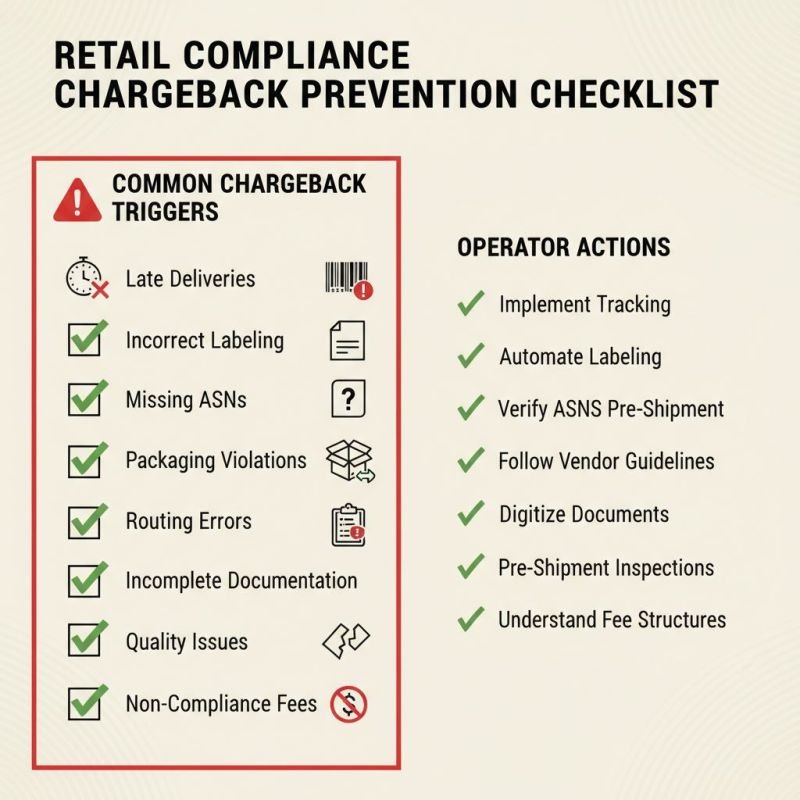
Chargeback Prevention Checklist For Direct-Response Offers
Learn the practical steps US advertisers and online sellers can take to minimize chargebacks.
21+
Years of Industry Experience
50%
Average Chargeback Reduction
100%
Customer Satisfaction Rate
24/7
Customer Support
Understanding Chargebacks
For businesses engaged in direct-response marketing and ecommerce, chargebacks represent a significant operational challenge. A chargeback is initiated when a customer disputes a credit card transaction, leading to the reversal of the charges by their issuing bank. High chargeback rates can result in financial losses, increased fees, and potentially losing the ability to process payments through credit card networks.
Therefore, it is essential to implement a robust chargeback prevention strategy to safeguard your company’s financial health and reputation.
Chargeback Prevention Checklist
Implementing a chargeback prevention checklist can help ensure your operations are optimized to reduce chargeback risks. Here’s a breakdown of practical steps merchants can take:
1. Accurate Ad Claims
Make sure claims in your advertising are accurate. Misleading advertisements can lead to customer dissatisfaction and disputes. Ensure all promotions reflect the true nature and benefits of what you offer.
2. Landing Page Clarity
Your landing pages should be user-friendly and explicitly detail the offer, terms, and conditions. Avoid jargon and keep the language straightforward to eliminate confusion.
3. Checkout Disclosures
Clearly state any additional fees and terms before the final purchase. Hidden costs can raise suspicions and lead customers to dispute transactions.
4. Billing Descriptor Recognition
Be clear about how your business will appear on customers’ bank statements. Ensuring they recognize your billing descriptor can significantly reduce confusion and chargeback requests.
5. Order Confirmation Emails
Send immediate order confirmation emails providing full purchase details. This reaffirms the transaction and serves as a reminder for the customer.
6. Shipping Updates
Keep your customers informed about their shipment status. Providing tracking information will manage their expectations and reduce anxiety about receiving their orders.
7. Refund Policy Clarity
Your refund policy should be transparent and easily accessible. Clearly inform customers of their rights and the process for requesting refunds.
8. Customer Support Visibility
Ensure your customer support is easily reachable. A responsive support system can address customer grievances before they escalate and lead to chargebacks.
9. Cancellation Flow
Implement an easy cancellation process for subscriptions and one-time purchases. Complicated cancellation flows only lead to frustration and chargebacks.
10. Fraud Filters
Utilize fraud detection tools such as Address Verification Service (AVS), Card Verification Value (CVV), and 3D Secure to reduce fraudulent transaction risks.
11. Velocity Controls
Implement controls to limit the frequency and amount of orders placed by the same customer within a short period. This strategy helps in identifying potentially fraudulent activity.
12. Blacklists
Maintain a blacklist of known fraudulent addresses or customers who have previously disputed or charged back transactions to prevent future issues.
13. Fulfillment Documentation
Document all fulfillment processes, including shipping and delivery confirmations. This evidence can be crucial in contesting chargebacks.
14. Signed Authorizations for Phone Orders
For phone orders, capture signed authorizations confirming the legitimacy of the purchase.
15. Chargeback Alerts
Set up alerts with your payment processor to notify you when a chargeback is initiated, enabling timely responses and actions.
Monitoring Your Chargeback Ratio
Monitoring your chargeback ratio is vital for understanding the health of your transactions. A chargeback ratio above 1% can put your business at risk of losing merchant accounts or facing significant fines.
Refund vs. Chargeback Decisions
Decide wisely between offering refunds or contesting a chargeback. Often, it may be better to refund to preserve customer relationships and avoid additional costs.
Specific Chargeback Scenarios
Subscription Disputes
When dealing with subscriptions, ensure customers are well-informed about recurring charges and have a clear and easy pathway to cancel if they choose.
Trial Disputes
Make it clear when free trials expire and inform customers about subsequent charges. Transparency in these terms can prevent misunderstandings.
Affiliate Traffic Rules
Communicate policies for affiliates clearly to minimize misleading promotions that could lead to disputes and chargebacks.
Weekly Risk Review
Conduct regular risk assessments to identify problematic trends in chargebacks and modify prevention strategies accordingly.
Frequently Asked Questions (FAQs)
What causes chargebacks?
Chargebacks are often caused by fraudulent transactions, customer dissatisfaction, or unclear billing descriptors.
How often should I check my chargeback ratio?
It’s recommended to monitor your chargeback ratio at least monthly to track trends and adjust strategies.
Is it better to refund or contest a chargeback?
In many cases, offering a refund is preferable as it can prevent ongoing customer dissatisfaction and further disputes.
Can High Wire Payments help with chargeback prevention?
Yes, we can provide expert guidance and tailored solutions for chargeback prevention and risk management.
Why Trust High Wire Payments?
Our commitment to helping you minimize chargebacks and enhance operational efficiency.
Expert Support
We provide tailored support to tackle your specific chargeback challenges.
Proven Strategies
Access proven methodologies for effective chargeback management.
Custom Solutions
We offer customization to address unique business needs.
24/7 Assistance
Our support team is available around-the-clock to assist you.
What steps can I take to lower my chargeback rate?
Implement clear communication, accurate billing descriptors, and robust customer support to lower chargeback rates.
What chargeback ratio should I aim for?
Aim for a chargeback ratio lower than 1% to maintain a healthy standing with payment processors.
Is there a management service available for chargebacks?
Yes, there are specialized services available to help with chargeback management and prevention strategies.
Take Charge of Your Chargeback Prevention Today!
Join us in optimizing your business practices to minimize chargebacks effectively.
Apply Now →