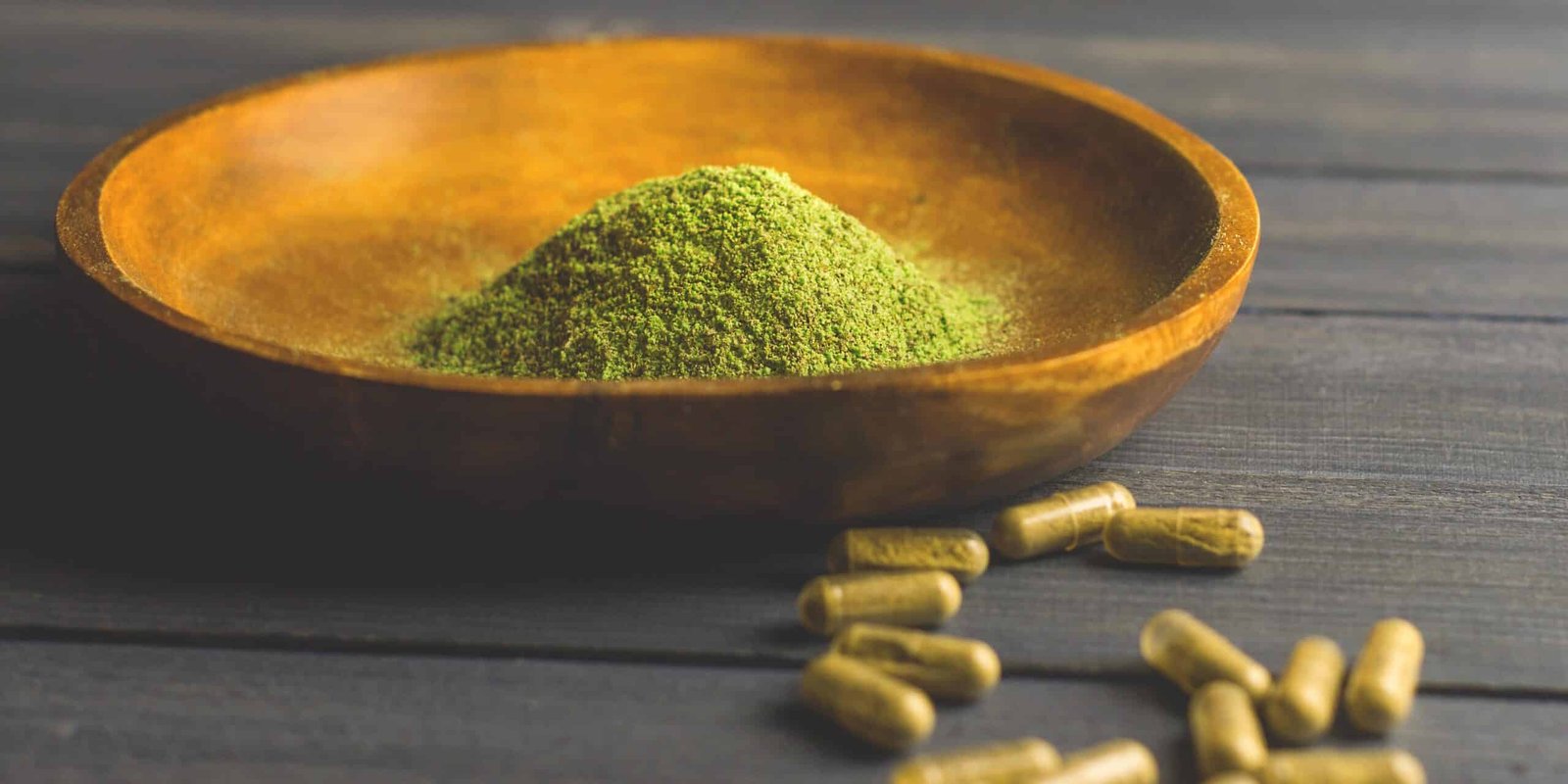
CDPH and ABC enforcement has removed thousands of kratom and 7-OH products from shelves. We review inventory, labeling, website claims, fulfillment controls, and chargeback history before routing an application.
california kratom payment processing for high-risk merchants.
High Wire Payments serves California businesses that need compliance-aware payment review for kratom-adjacent, smoke shop, supplement, ecommerce, and high-risk retail models. California enforcement has changed rapidly, so underwriting must evaluate product legality, labeling, age controls, chargeback exposure, fulfillment practices, and processor shutdown risk before cards are accepted.
CA
Serving California businesses
2026
Active state enforcement
3,308
Products removed in reported campaign
CNP
Ecommerce risk review
California kratom payment processing is not a standard retail placement. Merchants in Los Angeles, San Diego, San Jose, San Francisco, Fresno, Sacramento, Long Beach, Oakland, Bakersfield, Anaheim, Riverside, and Santa Ana operate in one of the country’s most closely watched compliance environments for kratom, 7-OH, hemp, CBD, smoke shop inventory, and dietary supplement products. High Wire Payments serves California businesses by reviewing risk, documentation, product mix, card-present needs, ecommerce exposure, and chargeback controls before a merchant account is submitted to underwriting.
The central issue for California operators is that kratom is no longer treated as a simple botanical category by regulators, banks, or card networks. In March 2026, Governor Newsom announced a 95% compliance rate in a statewide effort to remove kratom and 7-hydroxymitragynine products from California businesses. The announcement stated that foods, dietary supplements, and medical drugs containing kratom and 7-OH are illegal to sell or manufacture in California, and that California Department of Alcoholic Beverage Control and California Department of Public Health education and enforcement activity resulted in more than 3,300 products being removed from shelves in three weeks.
That enforcement context directly affects payment processing. A smoke shop in Long Beach, a supplement retailer in Fresno, an ecommerce wellness brand shipping from Sacramento, or a mixed-inventory store in Anaheim may all be asked for product lists, invoices, lab reports, website screenshots, fulfillment policies, refund procedures, and proof that prohibited products are not being sold. High Wire does not provide legal advice and does not claim that any product is lawful. Instead, we help merchants understand what underwriters will ask for, where applications often fail, and how to present a complete risk file for products and sales channels that can be supported.
California research supplied for this page reports active CDPH and ABC enforcement, use of the Sherman Law framework, and a 2026 statement that foods, dietary supplements, and medical drugs containing kratom or 7-OH are illegal to sell or manufacture in California. Merchants should consult qualified counsel and local regulators before selling, shipping, or advertising any kratom product.
why California kratom merchants are considered high-risk
Kratom merchants are considered high-risk because the category combines regulatory uncertainty, product-safety scrutiny, age-control concerns, elevated chargeback risk, and frequent processor policy changes. In California, those issues are amplified by state enforcement activity, county-level public health notices, and a dense retail market that includes smoke shops, vape stores, convenience stores, kava lounges, supplement shops, wellness brands, and ecommerce sellers. A business that also sells CBD, hemp, Delta-8, glassware, nicotine accessories, or nutraceutical products may trigger multiple high-risk review categories at once.
California officials have specifically referenced kratom and 7-OH products being marketed as dietary supplements, drinks, gummies, tablets, and liquid products. CalMatters reported that the California Department of Public Health began a campaign in October to remove kratom from stores and had seized $5 million in kratom products, using California’s Sherman Law, which governs food, drugs, cosmetics, and supplements. The same report described legislative efforts to formally add kratom and 7-OH to the Sherman Law. Underwriters read that type of enforcement history as a sign that the merchant category requires closer review.
Processors also worry about consumer disputes. Kratom buyers may dispute recurring charges, complain about shipping delays, challenge product expectations, or object to unclear labeling. Card-not-present ecommerce sales add fraud risk because the cardholder is not physically present, shipping addresses may differ from billing addresses, and prohibited-state or prohibited-locality controls must be documented. For a California merchant, the risk file must show what is sold, where it is sold, who can buy it, how claims are controlled, and how disputes are handled before ratios exceed card-brand thresholds.
California legality, local rules, and product restrictions
California kratom legality cannot be described with a generic national answer. The research for this page includes a March 3, 2026 Governor of California announcement stating that foods, dietary supplements, and medical drugs containing kratom and 7-OH are illegal to sell or manufacture in California. It also references enforcement by the California Department of Alcoholic Beverage Control, the California Department of Public Health, and coordination with agencies such as CDTFA. For payment purposes, that means merchants should expect underwriters to ask whether kratom products are currently offered, removed, disabled online, or replaced with lawful inventory.
The research also reflects a shifting local environment. Fresno County materials referenced rules that kratom could not be sold, shared, or given to anyone under 21, that products could not contain 2% or more 7-OH in total alkaloids, that synthetic or chemically changed substances were restricted, and that labels could not be missing, altered, or used to hide ingredients. Other sources note that San Diego had been treated differently from many California cities because of a local kratom sales ban. Operators in Fresno, San Diego, Bakersfield, Riverside, and Santa Ana should not assume one city’s position applies statewide.
For underwriting, the safest approach is to document the current compliance position rather than rely on outdated blog posts. If kratom inventory has been removed, provide dated inventory reports, point-of-sale category changes, supplier termination notices, website takedown screenshots, and updated product menus. If a merchant sells adjacent products such as kava, CBD, hemp, smoke shop accessories, or non-kratom supplements, the file should clearly separate those categories and include labels, certificates of analysis when applicable, age-gating controls, FDA disclaimer language for dietary supplements, and a written prohibited-products policy.
A processor shutdown is more likely when an application describes a business as a convenience store, wellness shop, or supplement retailer while the website, POS receipts, bank statements, or supplier invoices show kratom, 7-OH, or other restricted inventory. Full disclosure is essential, even when the answer is that the products were removed.
approval challenges for California kratom and smoke shop accounts
Merchant account approval challenges usually begin with mismatch. A California shop may have a retail storefront in Oakland but also ship ecommerce orders nationwide. A supplement brand in San Jose may describe itself as a wellness company while selling products that the processor classifies as high-risk ingestibles. A smoke shop in Los Angeles may sell accessories, CBD, hemp, nicotine products, and previously stocked kratom. Each added category affects underwriting because the bank must understand chargeback exposure, legal exposure, age restrictions, fulfillment risk, and reputational risk.
Many shutdowns occur when a mainstream processor approves an account quickly and reviews it later. The merchant starts processing, then receives a request for invoices, labels, supplier information, or website changes. If the processor’s policy does not support kratom, 7-OH, high-risk supplements, or certain smoke shop products, funds may be held, processing may be suspended, and reserves may be applied. This is disruptive for California operators with rent, payroll, inventory commitments, and sales volume concentrated in cities such as San Francisco, Sacramento, Long Beach, and Anaheim.
High Wire’s role is to prepare the application for high-risk review from the start. That includes reviewing the product matrix, identifying unsupported products before submission, checking website content for prohibited health or medical claims, documenting age controls, and explaining whether the merchant needs card-present POS, ecommerce gateway processing, virtual terminal access, recurring billing, or a combination. We also direct merchants to related resources, including the kratom payment processing hub at /kratom-payment-processing/, high-risk merchant services at /high-risk-merchant-services/, CBD payment processing at /cbd-payment-processing/, hemp payment processing at /hemp-payment-processing/, and smoke shop payment processing at /smoke-shop-payment-processing/.
ecommerce, card-not-present, and California fulfillment controls
Card-not-present processing is especially sensitive for California kratom and supplement sellers because the transaction happens without an in-person ID check. If a merchant is selling only lawful, supportable inventory, underwriters still want to see age-gating, shipping restrictions, checkout disclosures, descriptor clarity, refund policies, and customer service availability. For any product category subject to state-by-state rules, the site should prevent orders to restricted jurisdictions and maintain records showing that prohibited items cannot be purchased through workarounds, hidden SKUs, invoices, or manual payment links.
- Current California seller’s permit or applicable business registration documentation
- Articles of organization, corporation documents, or DBA filings matching the application
- Government-issued owner identification and ownership percentage details
- Three to six months of business bank statements, if available
- Recent processing statements showing volume, refunds, and chargebacks
- Complete product list separating kratom, 7-OH, kava, CBD, hemp, smoke shop, and supplement categories
- Supplier invoices and manufacturer documentation for each regulated product category
- Product labels, warning language, ingredient panels, and FDA disclaimer language where applicable
- Certificates of analysis for hemp, CBD, and any product category where lab reports are used
- Website URLs, checkout screenshots, age-gate screenshots, shipping policy, refund policy, and customer service contacts
California ecommerce brands should also be ready to explain fulfillment. Underwriters may ask whether orders are shipped from Los Angeles County, the Bay Area, the Central Valley, or a third-party warehouse outside California. They may ask whether the merchant ships to states or cities where kratom is restricted, how returns are handled, and whether the billing descriptor matches the public-facing store name. A clean descriptor and transparent receipt reduce customer confusion, which is one of the most preventable sources of chargebacks.
POS, card-present processing, reserves, and chargeback prevention
Card-present processing is still high-risk when the product mix is sensitive, but it can be easier to control than ecommerce if the merchant has strong procedures. A California smoke shop or supplement retailer should document behind-counter placement for age-restricted items, employee ID-check training, point-of-sale category controls, receipt language, refund rules, and manager approval requirements for high-ticket purchases. If kratom or 7-OH products have been removed because of California enforcement, the POS should reflect that removal rather than retaining legacy SKUs that appear on receipts or inventory exports.
Reserves are common in high-risk merchant accounts. A rolling reserve, capped reserve, or delayed funding schedule may be used to protect the acquiring bank against refunds, chargebacks, regulatory issues, or sudden volume changes. The presence of a reserve does not mean a business is failing; it means the sponsor bank is pricing risk. California merchants can improve reserve discussions by providing stable processing history, low dispute ratios, clear refund policies, accurate descriptors, compliant inventory records, and proof that unsupported products are not being processed.
Chargeback prevention should be operational, not just reactive. High Wire looks for order confirmation emails, tracking numbers, signature confirmation when appropriate, customer service response logs, cancellation procedures, fraud filters, velocity controls, AVS and CVV settings, and alerts before dispute ratios become dangerous. For ecommerce, automated rules can flag mismatched billing and shipping addresses, repeated failed attempts, multiple orders to the same address, or high-ticket orders from new customers. For retail, clear receipts, posted return policies, and staff training reduce preventable disputes.
California kratom merchant preparation checklist
Before applying for a California high-risk merchant account, prepare a file that answers the questions an underwriter will ask. The goal is not to overstate compliance or promise approval. The goal is to show the actual business model, remove unsupported products, document controls, and make the risk review faster and more accurate.
- Review California CDPH, ABC, county, and city guidance before selling or advertising kratom or 7-OH products.
- Remove or disable any product that counsel or regulators identify as unlawful, unsupported, or outside processor policy.
- Create a product matrix that separates kratom, kava, CBD, hemp, smoke shop accessories, and dietary supplement inventory.
- Collect labels, supplier invoices, COAs, warning language, and ingredient panels for all regulated products.
- Update ecommerce pages to remove medical claims, unapproved treatment claims, and misleading wellness promises.
- Add age-gating and age-verification procedures for 21+ or otherwise age-restricted products where applicable.
- Confirm shipping restrictions and block orders to prohibited states, counties, cities, or product categories.
- Prepare three to six months of bank and processing statements, including chargeback and refund history.
- Write a chargeback prevention plan covering descriptors, customer service, fraud filters, tracking, and refund timelines.
- Apply through High Wire at https://highwireleah.com/apply/ or call 805-827-7451 for a document review.
If your California business sells kratom-adjacent products, previously sold kratom, or operates in a high-risk smoke shop, supplement, hemp, CBD, or ecommerce category, start with a transparent review. High Wire Payments serves California merchants without claiming a physical California office. To request a review, apply at https://highwireleah.com/apply/ or call 805-827-7451 and be prepared to discuss current inventory, sales channels, compliance controls, and chargeback history.
Serving California kratom and high-risk retail markets
High Wire supports document review for businesses in Los Angeles, San Diego, San Jose, San Francisco, Fresno, Sacramento, Long Beach, Oakland, Bakersfield, Anaheim, Riverside, Santa Ana, and other California markets.
California-specific payment risk support
Our review focuses on the exact issues California kratom, smoke shop, ecommerce, supplement, CBD, and hemp merchants face during underwriting.
Inventory and product matrix review
We help California merchants separate kratom, 7-OH, kava, CBD, hemp, smoke shop accessories, and supplement SKUs before submission. That matrix helps underwriters see which products are active, removed, restricted, or eligible for review.
California enforcement documentation
Applications can include dated screenshots, POS exports, and inventory records showing how the business responded to CDPH, ABC, county, or city guidance. This is important after the 2026 California announcement reporting more than 3,300 kratom and 7-OH products removed from shelves.
Ecommerce gateway controls
For card-not-present sellers, we review age gates, prohibited-state shipping rules, checkout disclosures, AVS, CVV, velocity filters, and refund-policy visibility. These controls reduce fraud exposure and help explain the merchant’s risk profile.
POS and card-present readiness
Retail applicants can document behind-counter procedures, employee ID-check training, restricted SKU controls, receipt descriptors, and manager approval rules. This is useful for smoke shops and supplement retailers in high-traffic California markets.
Chargeback ratio monitoring
We emphasize descriptor clarity, tracking records, customer service logs, refund timelines, and dispute alerts before ratios become a problem. Merchants with prior processing statements can use that data to explain trends and corrective actions.
Reserve and underwriting preparation
High-risk accounts may involve rolling reserves, capped reserves, or delayed funding. We help merchants prepare volume projections, bank statements, product documentation, and policy explanations so reserve discussions are based on complete information.
Is kratom legal to sell in California?
The research for this page includes a March 2026 Governor of California announcement stating that foods, dietary supplements, and medical drugs containing kratom or 7-OH are illegal to sell or manufacture in California. Merchants should consult qualified counsel and current CDPH, ABC, county, and city guidance before selling or processing payments for any kratom product.
Can High Wire process payments for California kratom products?
High Wire reviews California businesses for supportable high-risk payment options, but it cannot promise approval or support products that are unlawful or prohibited by processor policy. If kratom or 7-OH products have been removed, the application should document the current lawful product mix.
Why did my California kratom merchant account get shut down?
Shutdowns often occur when a mainstream processor later discovers kratom, 7-OH, smoke shop, CBD, hemp, or supplement inventory that was not disclosed or is outside policy. California enforcement activity, product claims, missing labels, high chargebacks, or ecommerce shipping risk can also trigger suspension.
Do California smoke shops need age controls for kratom-adjacent products?
Age controls are expected for many high-risk retail categories, including smoke shop inventory, hemp products, and certain ingestible products. Fresno County materials referenced 21+ kratom restrictions and 7-OH limits, while current statewide enforcement should be reviewed with counsel before any sale.
What documents do California kratom or smoke shop merchants need for underwriting?
Expect to provide business registration, seller’s permit documentation, owner ID, bank statements, processing statements, product lists, supplier invoices, labels, COAs where applicable, website screenshots, shipping rules, refund policies, and a chargeback prevention plan. More documentation may be requested for ecommerce or mixed-inventory businesses.
Can a California ecommerce seller ship kratom to other states?
Do not assume interstate shipping is allowed. Underwriters will want to see prohibited-jurisdiction controls, age verification, product legality review, and checkout blocks for restricted states, counties, cities, or products.
Are reserves required for California high-risk merchant accounts?
Reserves are common but not identical for every merchant. A sponsor bank may require a rolling reserve, capped reserve, or delayed funding based on product type, processing history, chargeback exposure, volume, and regulatory risk.
Can I apply if my California store sells CBD, hemp, and smoke shop accessories instead of kratom?
Yes, High Wire reviews many high-risk categories, including CBD, hemp, smoke shop, nutraceutical, and ecommerce businesses. The product matrix should clearly show what is sold and should separate any discontinued kratom or 7-OH inventory from active products.
Which California cities are most relevant for local kratom payment processing searches?
Merchants commonly search from Los Angeles, San Diego, San Jose, San Francisco, Fresno, Sacramento, Long Beach, Oakland, Bakersfield, Anaheim, Riverside, and Santa Ana. Local rules and enforcement can vary, so city and county guidance should be reviewed along with statewide policy.
How do I apply for a California high-risk merchant account review?
Prepare your documents, product list, website, processing history, and compliance notes, then apply at https://highwireleah.com/apply/. You can also call 805-827-7451 to discuss whether your California business is ready for underwriting review.
Apply for a California high-risk payment review
If your California business needs kratom-adjacent, smoke shop, supplement, CBD, hemp, ecommerce, or other high-risk merchant services, start with a transparent compliance review. Apply at https://highwireleah.com/apply/ or call 805-827-7451.